As women get closer to menopause, they often wonder about their uterine fibroids. This time can be filled with questions and worries about fibroid changes. What happens to fibroids after menopause? This essential guide reveals the surprising facts and critical information you need to know.
Uterine fibroids are noncancerous growths that can be different sizes. When estrogen and progesterone levels drop during menopause, most fibroids shrink and cause less trouble.
But, if you have bleeding after menopause or symptoms don’t go away, see a doctor. It could mean something else is wrong. At Liv Hospital, we help our patients understand their options so they can make good choices.
Key Takeaways
- Fibroids usually get smaller after menopause because hormone levels go down.
- Any bleeding or symptoms after menopause could mean another health issue.
- It’s important to know how fibroids act during menopause for better care.
- Seeing a doctor is key for any unusual symptoms after menopause.
- Always talk to a trusted healthcare provider for advice that fits you.
Understanding Uterine Fibroids: Prevalence and Basics

Uterine fibroids, also known as leiomyomas, are growths in the uterus. They affect many women worldwide. We’ll look at what they are, how common they are, and their types and locations.
What Are Uterine Fibroids?
Uterine fibroids are lumps of muscle and tissue in the uterus. They can be small or quite large. About 70 to 80 percent of women will get them at some point.
How Common Are Fibroids Among Women?
Fibroids are common in women of childbearing age, mainly in the 30s and 40s. By 50, up to 80% of women have them. After menopause, fibroids often shrink due to hormonal changes.
Types and Locations of Fibroids
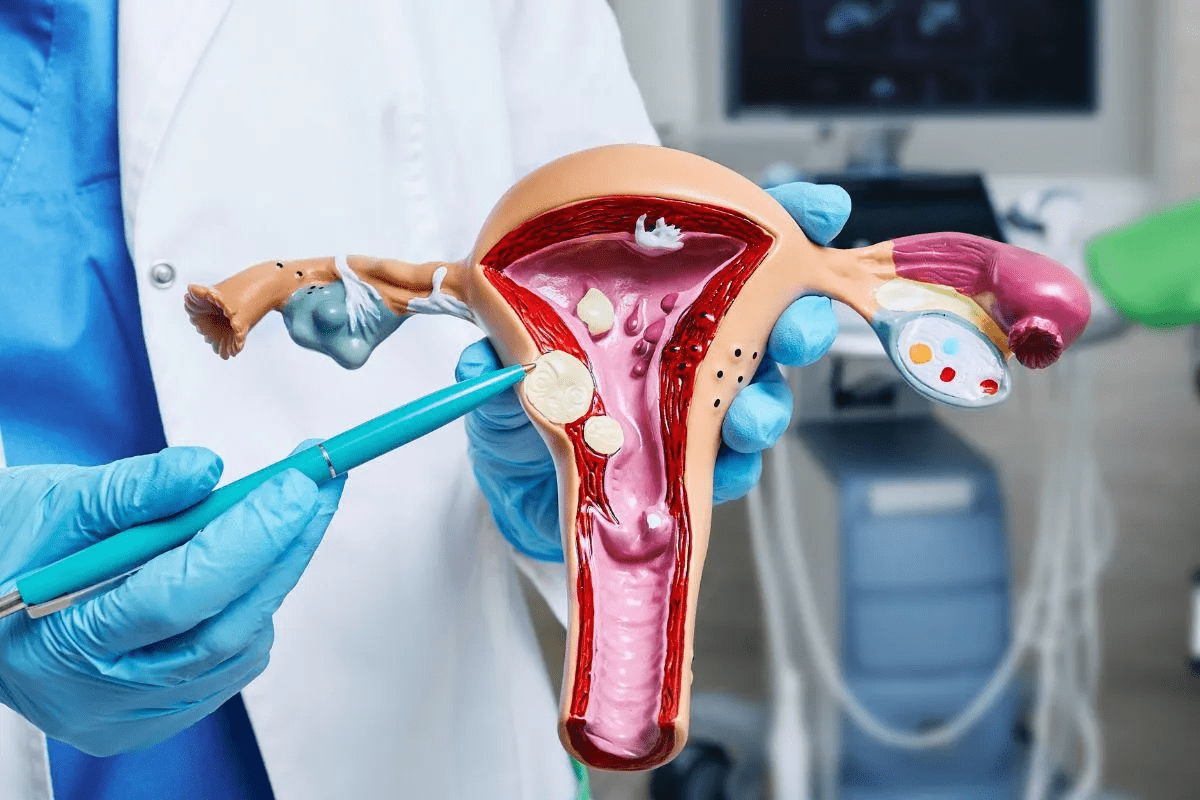
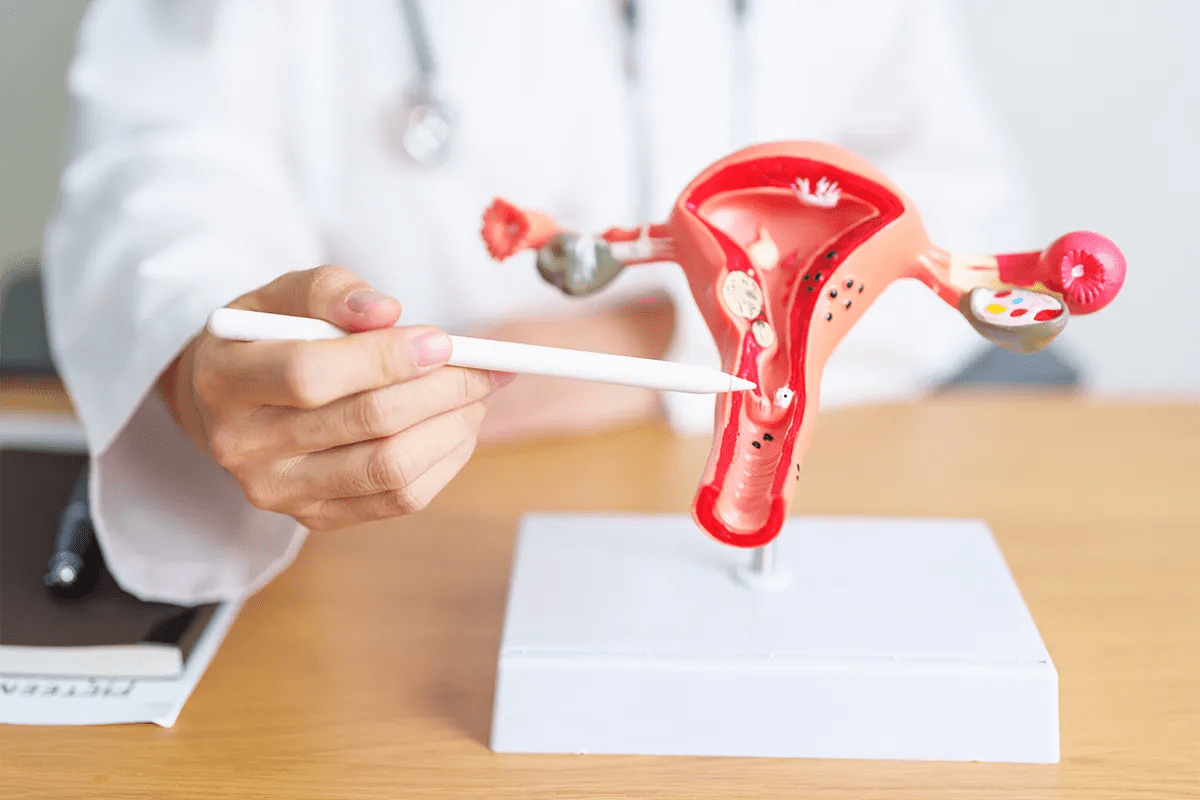
Fibroids are classified by their location in or around the uterus. The main types are:
- Intramural Fibroids: These are inside the muscular wall of the uterus.
- Submucosal Fibroids: These grow into the uterine cavity.
- Subserosal Fibroids: These stick out from the uterus into the pelvis.
Knowing the type and location of fibroids helps understand their symptoms and treatment options.
The Relationship Between Hormones and Fibroids

The connection between hormones and fibroids is complex. It affects how these uterine tumors grow and shrink. We’ll dive into how hormones influence fibroid development and behavior.
Estrogen and Progesterone’s Role in Fibroid Development
Estrogen and progesterone are key hormones in fibroid growth. Research shows they can make fibroid cells grow. Estrogen is a big player, making fibroids bigger during reproductive years when estrogen is higher.
A study found estrogen is vital for fibroid growth. When estrogen levels drop during menopause, fibroids often shrink. This shows how hormone levels affect fibroids.
Hormone Receptors in Fibroid Tissue
Fibroid tissue has hormone receptors for estrogen and progesterone. This makes them react to hormone changes. Studies show fibroids have more of these receptors than normal uterine tissue. This is why fibroids are so sensitive to hormone changes.
Hormone | Receptor Level in Fibroid Tissue | Receptor Level in Normal Uterine Tissue |
Estrogen | High | Low |
Progesterone | High | Low |
The Hormonal Changes During Menopause
During menopause, estrogen and progesterone levels drop a lot. This change affects fibroids, making them shrink. With less hormone, fibroids grow slower and often get smaller, easing symptoms.
“The decline in estrogen and progesterone during menopause can lead to a decrease in fibroid size and symptoms, providing relief for many women.”
A leading gynecologist
As hormone levels fall, fibroids grow slower and may even shrink. This is because they get less hormonal stimulation during menopause.
What Happens to Fibroids After Menopause
Women often wonder about their uterine fibroids during menopause. Menopause brings big changes in hormones that can affect fibroids. Knowing these changes is key to managing symptoms and staying healthy.
The Natural Shrinking Process
Menopause leads to a drop in estrogen and progesterone. This hormone decrease causes many fibroids to shrink or even disappear over time. The shrinking process is not quick and can differ from woman to woman.
Timeline for Fibroid Reduction
Fibroids may start shrinking in the first six months after menopause. Many women see a big change in size and fewer symptoms between six to 12 months. The time it takes for fibroids to reduce can vary, but most women see a big change within the first year after menopause.
Factors Affecting Post-Menopausal Fibroid Changes
Several things can affect how fibroids change after menopause, including:
- The size and location of the fibroids before menopause
- The overall health and hormone levels of the woman
- Any hormonal therapies or treatments being used
Understanding these factors and how they impact fibroid changes helps women and their healthcare providers make better decisions about care.
Symptoms of Fibroids Before and After Menopause
Menopause brings big changes in symptoms for women with uterine fibroids. Many find relief after this time. It’s key to know the symptoms and how they change over time.
Common Pre-Menopausal Fibroid Symptoms
Before menopause, symptoms like heavy bleeding and pelvic pain are common. These can make daily life hard. Heavy bleeding can cause anemia and fatigue, affecting health.
Other symptoms include needing to urinate often and constipation. The severity and type of symptoms vary. They depend on the fibroids’ size, number, and location.
How Symptoms Change After Menopause
After menopause, symptoms often lessen. Lower estrogen levels cause fibroids to shrink. This can reduce bleeding and pain for about half of women.
Heavy bleeding stops, and pelvic pain decreases as fibroids shrink. But some women may keep experiencing symptoms, though less severely.
When to Be Concerned About Persistent Symptoms
Some women may not see symptom relief after menopause. It’s important for them to talk to their doctor. This helps figure out why symptoms persist and how to manage them.
Persistent symptoms could be from other health issues or growing fibroids. Though rare after menopause, it’s possible. Regular check-ups with a healthcare provider are vital to keep symptoms under control.
Can You Get Uterine Fibroids After Menopause?
Menopause changes a woman’s hormones a lot. But it doesn’t mean she can’t get uterine fibroids. Even though new fibroids are less common after menopause, some things can make them grow or appear.
Rarity of Post-Menopausal Fibroid Development
It’s rare to get new uterine fibroids after menopause. This is because estrogen and progesterone levels drop. These hormones help fibroids grow. But, it’s important to know that the risk isn’t zero.
Non-Ovarian Sources of Estrogen
Even after menopause, the body makes a little estrogen. This estrogen comes from fat tissue. It can make fibroids grow a bit, but it’s not much. Women with a higher BMI might face a slightly higher risk because of more fat tissue.
Risk Factors for Post-Menopausal Fibroids
Some things can make it more likely to get or grow fibroids after menopause. Taking hormone replacement therapy (HRT) is a big risk. HRT can make fibroids stay or even grow because of the extra hormones.
Being overweight and possibly having a family history of fibroids are also risks. Knowing these risks helps doctors and women keep an eye on fibroid symptoms.
It’s key for post-menopausal women, and those on HRT or at risk, to get regular check-ups. Catching fibroids early and treating them right can really help women’s quality of life.
Fibroids and Bleeding After Menopause
Fibroids are common but not the only reason for bleeding after menopause. Other conditions might be the cause. If you experience bleeding after menopause, it’s important to see a doctor right away.
Understanding Post-Menopausal Bleeding
Post-menopausal bleeding happens when a woman has not had her period for 12 months. PMB is not normal and can be due to many things like hormonal changes, infections, or growths.
When Fibroids Might Cause Post-Menopausal Bleeding
Fibroids can lead to bleeding after menopause, mainly if they are big or if hormone levels change a lot. But, fibroids usually shrink after menopause because of lower estrogen levels.
Other Possible Causes of Post-Menopausal Bleeding
While fibroids can cause bleeding, other things are more likely to be the reason. These include:
- Endometrial atrophy (thinning of the uterine lining)
- Endometrial polyps
- Hormone replacement therapy (HRT)
- Infections
- Endometrial cancer
Getting a full medical check-up is key to finding out why you’re bleeding.
When to Seek Medical Attention
If you start bleeding after menopause, you should go to the doctor. Seeing a doctor quickly is important to find and treat any problems. Your doctor will ask about your health, do a physical exam, and might do tests like ultrasound or biopsy.
Cause of PMB | Common Symptoms | Diagnostic Approach |
Fibroids | Bleeding, pelvic pressure | Ultrasound, MRI |
Endometrial Atrophy | Bleeding, spotting | Endometrial biopsy |
Endometrial Polyps | Irregular bleeding | Transvaginal ultrasound, hysteroscopy |
Knowing why you might bleed after menopause and getting medical help fast is important. It helps find and treat any health issues you might have.
Diagnosis and Monitoring of Fibroids in Post-Menopausal Women
Women who notice symptoms that might be from fibroids after menopause get checked by doctors. Doctors use different ways to find out what’s causing the symptoms. They look at the patient’s history, do a physical check, and use imaging tests.
Diagnostic Approaches
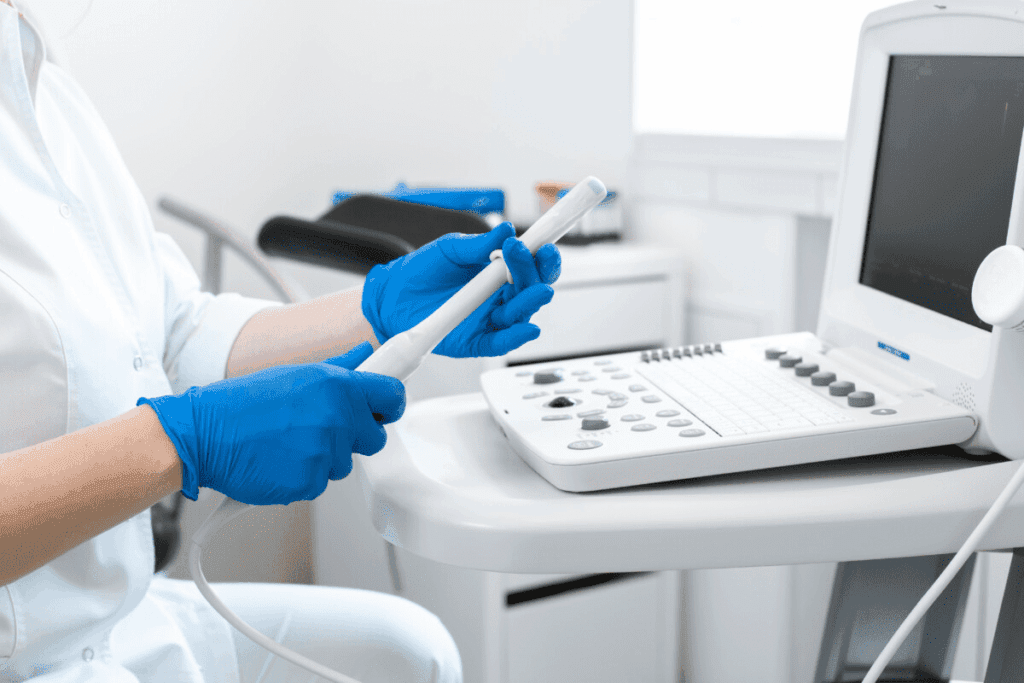
To find fibroids, doctors use ultrasound and sometimes MRI. These tests help see how big and where the fibroids are. Ultrasound is often the first choice because it’s easy to get and safe.
Differentiating Fibroids from Other Conditions
It’s important to tell fibroids apart from other things that might look or feel similar. Doctors look at the patient’s health, symptoms, and test results to make a correct diagnosis.
They might think of uterine polyps, adenomyosis, or malignancies as possible causes. A detailed check helps find the real reason for the symptoms.
Follow-Up Care and Monitoring
Women with fibroids after menopause need to see their doctors regularly. This is to watch for any changes in the fibroids or symptoms. Doctors might do more tests or imaging to keep an eye on things.
Women with fibroid history should keep seeing their doctors even after menopause. This way, any changes can be caught early, and the right treatment can be started.
Women with fibroid symptoms after menopause can get help without big surgery. There are minimally invasive treatment options that can help. These options can make symptoms better and help the woman recover faster.
Treatment Options for Persistent Fibroids After Menopause
Menopause brings big changes, and for those with fibroids, there are ways to feel better. Some women see their symptoms lessen after menopause. But others may need help managing their fibroids. Luckily, there are many effective ways to handle persistent fibroids.
Minimally Invasive Procedures
For treating fibroids after menopause, doctors often choose less invasive methods. These options are safer and help you recover faster. Here are a few:
- Transcervical Radiofrequency Ablation: This uses radiofrequency to shrink fibroids.
- Endometrial Ablation: It’s mainly for heavy bleeding but can also ease fibroid symptoms.
- Fibroid Embolization: It cuts off blood to the fibroids, making them shrink.
Surgical Options
For some, surgery is the best way to deal with fibroids. Here are the surgical choices:
- Myomectomy: This removes fibroids but keeps the uterus.
- Hysterectomy: Removing the uterus might be needed in severe cases or when other treatments fail.
Talking to a doctor about the pros and cons of surgery is key to finding the right treatment.
Medication Approaches
After menopause, hormonal treatments are less common. But, other medicines can help with fibroid symptoms. These include:
- Pain Management Medications: For fibroid-related pain or discomfort.
- Other Symptom-Specific Treatments: Depending on symptoms, other meds might be used to manage bleeding or pressure.
When Treatment Is Necessary vs. Watchful Waiting
Choosing to treat fibroids after menopause depends on several things. These include how bad symptoms are, your health, and what you prefer. Sometimes, just watching and waiting is okay if symptoms are mild. But if fibroids cause a lot of pain, bleeding, or other problems, treatment is needed.
It’s important for women to talk to their doctors. Together, they can figure out the best treatment plan for each person.
Conclusion
Understanding fibroids and menopause is key for women’s health. Fibroids often shrink after menopause because hormone levels drop. This is because the body stops making the hormones they need to grow.
This phase can be tough, and knowing the changes is important. We’ve summarized the main points to give a clear view of fibroid changes during menopause. We also looked at the treatment options available.
If symptoms don’t go away, getting medical help is important. It helps rule out other health issues. We aim to support women through these changes, ensuring they get the care they need. In short, knowing about fibroids after menopause is vital for women’s health during this big life change.
FAQ
What happens to fibroids after menopause?
After menopause, fibroids usually shrink. This is because estrogen and progesterone levels drop. This shrinkage can help reduce symptoms.
Can fibroids develop after menopause?
Yes, though it’s rare, fibroids can grow after menopause. Hormone replacement therapy can make this more likely.
Do fibroids bleed after menopause?
Fibroids might cause bleeding after menopause, but it’s not common. If you bleed, see a doctor right away. They’ll check for other causes.
What are the symptoms of fibroids after menopause?
Symptoms of fibroids often get better or go away after menopause. But, some women may keep feeling symptoms. It’s important to watch these changes and see a doctor if they get worse.
How are fibroids diagnosed in post-menopausal women?
Doctors use tests like ultrasound or MRI to find and measure fibroids in post-menopausal women. They might also do other tests to check for other health issues.
What are the treatment options for persistent fibroids after menopause?
Treatments for fibroids that don’t go away after menopause include small surgeries, bigger surgeries, and medicines. The right treatment depends on how bad the symptoms are, how big and where the fibroids are, and the woman’s overall health.
Can hormone replacement therapy (HRT) affect fibroids after menopause?
Yes, HRT can make fibroids grow after menopause. Women thinking about HRT should talk to their doctor about the risks and benefits.
How common are fibroids among women?
Fibroids are very common, mostly during the years when women can have children. They affect a big number of women worldwide.
What is the relationship between hormones and fibroids?
Hormones like estrogen and progesterone help fibroids grow. When these hormones go down after menopause, fibroids shrink.
When should I seek medical attention for post-menopausal bleeding?
If you bleed after menopause, see a doctor fast. Bleeding can be from fibroids, but it could also be from something serious like cancer. A doctor needs to check to find out why.
References
National Center for Biotechnology Information. Fibroid Changes Post-Menopause: Estrogen’s Role in Fibroid Growth. Retrieved from https://www.ncbi.nlm.nih.gov/pmc/articles/PMC8600189/