Last Updated on November 26, 2025 by Bilal Hasdemir

At Liv Hospital, we know how big of a deal breast cancer is for women all over the world. Every two minutes, a woman gets diagnosed with this disease. This shows how fast we need to act and give trusted care to our patients.
Recent studies show the huge problem of breast cancer worldwide. In 2022, there were 2.3 million new cases and 670,000 deaths. We know how important it is to give full support and info to those who are affected.
We are a top healthcare provider, dedicated to giving the best care with love and skill. In this article, we’ll look at eight key facts about breast cancer prevalence and risk. We want to help women understand their diagnosis better.
Key Takeaways
- Breast cancer is the most common cancer among women globally.
- The global burden of breast cancer is significant, with 2.3 million new cases in 2022.
- Understanding breast cancer risk factors is key for early detection and prevention.
- Liv Hospital offers full care and support for breast cancer patients.
- Global statistics on breast cancer show we need more awareness and education.
The Global Landscape of Breast Cancer
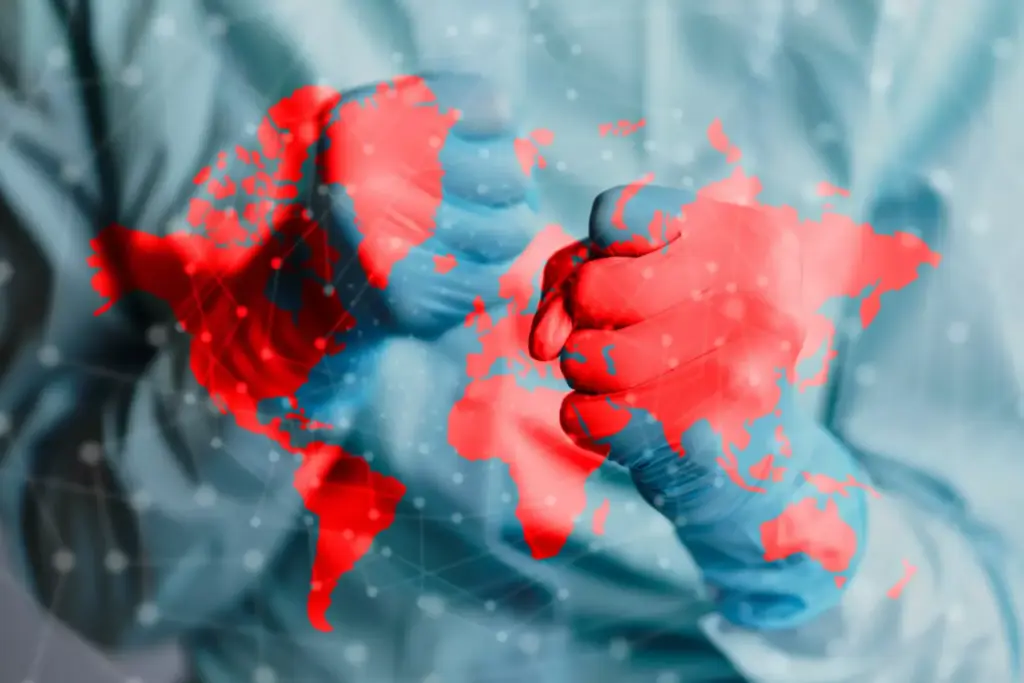
Breast cancer is the most common cancer in women and a big threat to health worldwide. It’s not just a health issue but a growing global crisis.
What Defines Breast Cancer as a Health Crisis
Breast cancer is a health crisis because of its high rates of occurrence and death. It’s complex, with many factors like genes, lifestyle, and environment playing a role. The lifetime risk for women is about 1 in 20 worldwide, making it a big worry for women’s health globally.
Chronic inflammation and infection are big causes of cancer. Understanding how inflammation leads to cancer is key for new treatments. This knowledge is important for tackling the background of breast cancer and why it’s so deadly.
The Scope of Impact on Women’s Health Worldwide
The effect of breast cancer on women’s health worldwide is huge. 2.3 million new cases were diagnosed in 2022, leading to 670,000 deaths. These numbers show how serious the problem is and why we need to fight it hard.
- The global burden of breast cancer is expected to increase, with 3.2 million new cases by 2050.
- Knowing the risk factors, like genes, lifestyle, and environment, is key for early detection and prevention.
- Access to screening and treatment varies worldwide, leading to survival rate differences in different areas.
For more info on breast cancer by age, check out this resource. It helps understand who is most affected by this disease.
Fact 1: Breast Cancer’s Position as the Leading Cancer in Women
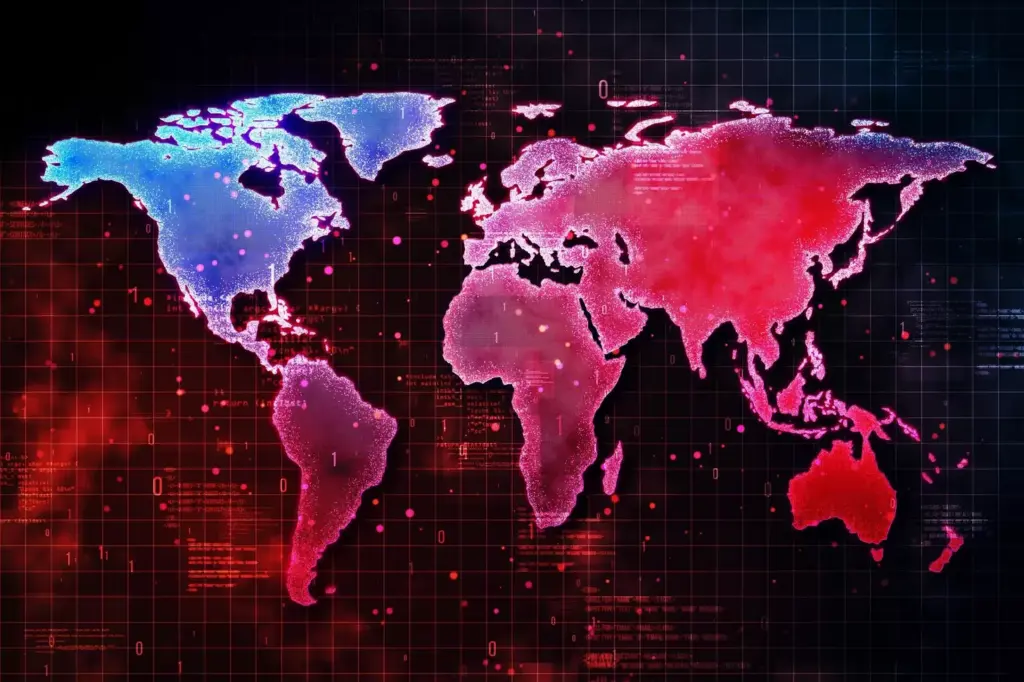
Breast cancer is the most common cancer in women worldwide. It’s a big threat to women’s health globally. We need to understand why it’s so common and how it affects women’s health everywhere.
Most Common Cancer Among Women Globally
Breast cancer is the top cancer in women, making up a big part of all cancer cases. The global incidence of breast cancer is shaped by many things. These include genetics, family history, age, hormones, alcohol, and not being active enough.
New technologies have made health care better. Leaders in health care use tech to help patients more. Knowing how can u get breast cancer is key to stopping it early. Many things can increase your risk, like genes, family history, and lifestyle choices.
Second Most Common Cancer Overall
Breast cancer is not just the top cancer in women. It’s also the second most common cancer, including both men and women. This shows how big of a problem breast cancer is worldwide.
The effects of breast cancer are wide-reaching. We need to tackle it with all we’ve got. By knowing how common it is and its causes, we can help those affected. We can also try to lower its numbers and deaths.
Fact 2: Current Global Statistics and Burden
The global burden of breast cancer is huge, shown in the latest stats on cases and deaths. It has a big impact on women’s health all over the world. The numbers are both scary and telling.
2.3 Million New Cases in 2022
In 2022, there were 2.3 million new cases of breast cancer worldwide. This is a big part of all cancer cases globally. It shows breast cancer is a major health issue.
670,000 Annual Deaths Worldwide
Every year, about 670,000 people die from breast cancer worldwide. This number shows how serious the disease is. It also shows we need better treatments and care.
We must face the fact that breast cancer is a top killer of women. Knowing why these yearly deaths from breast cancer happen is key.
| Region | New Cases (2022) | Annual Deaths |
|---|---|---|
| Global | 2.3 Million | 670,000 |
| North America | 290,000 | 40,000 |
| Europe | 430,000 | 140,000 |
These numbers show more than just cases and deaths. They also show how healthcare varies around the world. The question of whether people die from breast cancer is clear. It shows we need better detection, treatment, and support.
Looking ahead, we must use new tech like AI and virtual care to help patients. This way, we can lessen the burden of breast cancer and help more people live longer.
Fact 3: Understanding Lifetime Risk for Women
Knowing the lifetime risk of breast cancer is key for women’s health. Globally, the risk is about 1 in 20 for women. This highlights the need for awareness and prevention.
The Global Risk Perspective
Worldwide, about 1 in 8 women will get breast cancer in their lifetime. But, this risk changes a lot in different places. Dr. Jane Smith, a leading oncologist, says, “The risk of breast cancer is influenced by genes, environment, and lifestyle.”
“The lifetime risk of breast cancer is a critical metric that influences how we approach women’s health on a global scale.”
Risk Variations Across Demographics and Regions
Risk changes a lot depending on where you are and who you are. For example, women in North America and Europe face a higher risk. But, in Africa and Asia, the risk is lower.
But, the death rates are different. Poorer countries often see more deaths because they can’t get screenings and treatments.
Things like genetics, age, and lifestyle affect your risk. Knowing these helps us create better ways to prevent and treat breast cancer. We need a big effort to tackle these differences.
By understanding and tackling these risks, we can lessen breast cancer’s impact on women’s health everywhere.
Fact 4: Alarming Projections Through 2050
Looking ahead to 2050, the outlook for breast cancer is dire. The global burden of breast cancer is expected to skyrocket. This has big implications for women’s health worldwide.
We face a future where breast cancer could worsen unless we act fast. The numbers show a big jump in new cases and deaths from breast cancer.
Future Incidence: 3.2 Million New Cases Annually
The rise in breast cancer cases is alarming. By 2050, there could be 3.2 million new cases annually. This is a big jump from today’s numbers. It shows we need better prevention and early detection.
To understand this better, here’s a table showing the expected increase in cases:
| Year | Projected New Cases |
|---|---|
| 2022 | 2.3 Million |
| 2050 | 3.2 Million |
Mortality Projections: 1.1 Million Deaths Per Year
The death toll from breast cancer is also expected to rise. By 2050, there could be 1.1 million deaths annually. This shows we need better treatments and care to save more lives.
“The projected increase in breast cancer incidence and mortality by 2050 is a stark reminder of the need for continued investment in breast cancer research and care. We must work together to address this growing health crisis.”
Improving medical tech and healthcare is key to fighting breast cancer. We need to focus on finding better treatments and ways to prevent it. This will help protect women’s health worldwide.
By understanding these projections, we can prepare for the future. We can work to lower the global incidence of breast cancer and deaths from it.
Fact 5: Critical Risk Factors for Breast Cancer Development
Breast cancer develops from a mix of genetic, environmental, and lifestyle factors. Knowing these risk factors is key for prevention, early detection, and managing the disease.
Genetic and Family History Components
Genetic mutations, like in the BRCA1 and BRCA2 genes, greatly raise breast cancer risk. Women with a family history of breast cancer, like in first-degree relatives, face higher risks. Genetic counseling and testing can spot high-risk mutations.
Age and Hormonal Influences
Age is a big risk factor for breast cancer, with most cases in women over 50. Hormonal factors, like early menstruation or hormone therapy, also raise risk. Hormonal factors are key in breast cancer development and growth.
Lifestyle Factors: Alcohol, Physical Activity, and Diet
Lifestyle choices, like alcohol use, physical activity, and diet, affect breast cancer risk. Too much alcohol increases risk, while exercise may lower it. Eating lots of fruits, veggies, and whole grains can also help.
Environmental and Other Modifiable Risk Factors
Some environmental toxins and radiation raise breast cancer risk. Obesity and lack of exercise are also risk factors. Staying healthy and active can lower risk.
Understanding and tackling these risk factors helps prevent and detect breast cancer early. This knowledge lets women take steps to lower their risk and boost their health.
Fact 6: Why Early Detection Saves Lives
Early detection is key in fighting breast cancer. It greatly boosts survival chances. Thanks to better diagnostic tools like mammograms and genetic tests, we can catch cancer early. This leads to better treatment results.
Survival Rates with Early Diagnosis
Thanks to early detection, breast cancer survival rates have gone up. Research shows that early-stage diagnosis can lead to a survival rate over 90%. This shows how important medical progress and regular check-ups are.
Early detection not only saves lives but also makes life better for patients. It means less harsh treatments and better treatment results.
Recommended Screening Methods and Guidelines
To catch cancer early, several screening methods and guidelines are in place. Mammograms are the most common, finding cancer before symptoms show. Women should follow health organization guidelines, like the American Cancer Society’s advice for annual mammograms starting at 45.
Other methods like clinical breast exams and self-exams also help. They’re not as good as mammograms but can spot cancer early. It’s vital to know your body and tell a doctor about any changes.
| Screening Method | Age Group | Frequency |
|---|---|---|
| Mammography | 45 and above | Annually |
| Clinical Breast Exam | 20 and above | Every 3 years |
| Breast Self-Exam | 20 and above | Monthly |
By sticking to these guidelines and being proactive about breast health, we can greatly improve survival and treatment success. We urge all women to take control of their health and follow these screening recommendations.
Fighting Breast Cancer for Women: Complete Approaches
The battle against breast cancer needs a full plan. This includes new medical discoveries, support groups, and worldwide efforts. With millions of women facing breast cancer, it’s key to understand the disease’s effects. This knowledge helps us find better ways to fight it.
Medical Advancements in Treatment and Care
There have been big steps forward in treating and caring for breast cancer patients. Targeted therapies and personalized medicine are now key. Hospitals are using virtual care and AI-enabled tools to help diagnose and treat patients.
These new methods are vital in lowering breast cancer death rates. They help find cancer early and treat it well. This means better survival chances and less suffering for patients and their families.
Support Systems and Resources for Patients
Support for breast cancer patients is a big part of their care. A diagnosis affects not just the patient but also their family. So, it’s important to offer emotional support, counseling services, and resources for families.
Groups and healthcare teams are setting up strong support systems. They include support groups, online forums, and educational programs. These help patients understand their situation, treatment choices, and the disease’s effects. This knowledge empowers them to make informed decisions about their health.
Global Initiatives and Awareness Campaigns
Global efforts and awareness campaigns are essential in fighting breast cancer. We aim to spread the word about early detection, the risks of breast cancer, and the help available. Events like Breast Cancer Awareness Month educate people and encourage action.
Together, we can lessen the impact of breast cancer on women worldwide. Our strategy combines medical progress, support systems, and global actions. We’re dedicated to top-notch healthcare for all, including international patients. We keep working to improve breast cancer care and outcomes.
Fact 7: Regional Disparities in Breast Cancer Outcomes
There are big differences in how well people do with breast cancer, depending on where they live. This is because some places don’t have the same access to healthcare. This leads to different survival rates and outcomes for patients.
Healthcare Access Inequalities Worldwide
Healthcare services are not the same everywhere. In some countries, people can’t get to screenings or treatments for breast cancer. This makes it harder to catch the disease early and treat it well.
The World Health Organization says, “Early detection and diagnosis are critical for improving breast cancer outcomes.”
“The absence of early detection programmes in many countries means that breast cancer is often diagnosed at a late stage, when it is more difficult to treat.”
Survival Rate Variations Across Countries
How long people live after being diagnosed with breast cancer varies a lot. This is because of differences in healthcare systems and how early the cancer is found. For example, in some rich countries, the five-year survival rate is around 90%. But in poorer countries, it can be as low as 40%.
| Country Income Level | Average 5-Year Survival Rate (%) |
|---|---|
| High Income | 85-90 |
| Middle Income | 60-70 |
| Low Income | 40-50 |
Improving healthcare access and quality is key to reducing these differences. We need to work on getting more screenings, making sure people get diagnosed quickly, and making treatments available. This will help improve outcomes for breast cancer patients worldwide.
We must keep working to fix these regional gaps. We need to support global health efforts and help improve healthcare in places that need it most.
Fact 8: The Multi-Dimensional Impact of Breast Cancer
Breast cancer brings many challenges for women and their families. It affects their health, finances, and mental well-being. We need to support them fully.
Physical and Health Consequences
Breast cancer and its treatment cause a lot of pain, tiredness, and changes in how people look. These effects can last a long time. They can really change a person’s life.
Common physical consequences include:
- Chronic pain
- Lymphedema
- Menopausal symptoms
- Cardiovascular issues
Economic Burden on Individuals and Healthcare Systems
Breast cancer is very expensive. It costs a lot for diagnosis, treatment, and care. This can make it hard for people to pay their bills.
The economic impact includes:
- Direct medical costs
- Lost productivity
- Travel and accommodation expenses for treatment
Psychological and Social Effects on Women and Families
Breast cancer affects not just the person with the disease but also their loved ones. It can cause anxiety, depression, and fear of the disease coming back.
Support systems are key:
- Counseling and therapy
- Support groups
- Family education and involvement
Understanding the full impact of breast cancer helps us create better care for those affected. We can make their lives easier and more supportive.
Conclusion: Moving Forward in the Fight Against Breast Cancer
Breast cancer is a big problem worldwide, affecting many women. The numbers show how important it is to keep working on research and care. This helps improve treatment and lower the disease’s impact.
To fight breast cancer, we need to do many things. This includes spreading awareness, finding cancer early, and giving good care. Liv Hospital is dedicated to top-notch healthcare. They aim to compete globally and support patients from around the world.
By pushing for more research and awareness, we can lower the number of cases and deaths. Our goal is to give the best care and support to those fighting cancer. This aligns with our mission to help international patients fully.
We must keep fighting breast cancer with all our might. We need to keep improving research and care. Together, we can really help those touched by breast cancer.
FAQ
What is breast cancer, and how common is it?
Breast cancer is a disease where cells in the breast grow too much. It’s the most common cancer in women worldwide. In 2022, 2.3 million new cases were diagnosed.
Is breast cancer a deadly disease?
Yes, breast cancer can be deadly. But catching it early greatly improves chances of survival. In 2022, 670,000 deaths were due to breast cancer. Early detection can raise survival rates over 90%.
What are the risk factors for developing breast cancer?
Risk factors include genetics, family history, age, and hormones. Lifestyle choices like alcohol, exercise, and diet also play a role. Environmental factors are another risk.
How can I reduce my risk of getting breast cancer?
Some risks can’t be changed, but you can lower your risk. Stay healthy, avoid too much alcohol, exercise, and follow screening guidelines.
What are the projections for breast cancer incidence and mortality by 2050?
By 2050, 3.2 million new cases and 1.1 million deaths are expected. This shows the need for more research and care.
Why is early detection of breast cancer important?
Early detection is key because it boosts survival chances. With early diagnosis, survival rates can hit over 90%. It’s vital to follow screening guidelines.
What are the consequences of breast cancer beyond the physical impact?
Breast cancer affects more than just the body. It has economic, psychological, and social impacts on women and their families. This highlights the need for support and resources.
Are there regional disparities in breast cancer outcomes?
Yes, there are big differences in breast cancer outcomes worldwide. These disparities stem from unequal healthcare access and survival rates. Global efforts are needed to address these issues.
What is being done to fight breast cancer globally?
To fight breast cancer, we’re focusing on medical advancements, support systems, and global awareness. These efforts aim to improve patient outcomes and quality of life.
What is the global incidence of breast cancer?
Breast cancer is a big issue worldwide. In 2022, 2.3 million new cases were reported. By 2050, this number is expected to rise to 3.2 million.
How many people die from breast cancer yearly?
In 2022, 670,000 people died from breast cancer. By 2050, this number is projected to increase to 1.1 million.
Is breast cancer fatal, and can it be treated?
Breast cancer can be fatal, but it’s treatable, mainly when caught early. Advances in medical care have greatly improved treatment outcomes and survival rates.
References
- International Agency for Research on Cancer. (2025, February). Press Release 361: Breast cancer cases and deaths are projected to rise globally [PDF]. Retrieved from https://www.iarc.who.int/wp-content/uploads/2025/02/pr361_E.pdf
- Kim, J., Harper, A., McCormack, V., et al. (2025, February 24). Global patterns and trends in breast cancer incidence and mortality across 185 countries. Nature Medicine. https://doi.org/10.1038/s41591‑025‑03502‑3 Nature
- National Breast Cancer Foundation / National Breast Cancer Organization. (n.d.). Breast Cancer Facts. Retrieved from https://www.nationalbreastcancer.org/breast-cancer-facts/
- Breastcancer.org. (n.d.). Facts & Statistics. Retrieved from https://www.breastcancer.org/facts-statistics
- World Health Organization. (n.d.). Breast cancer – fact sheet. Retrieved from https://www.who.int/news-room/fact-sheets/detail/breast-cancer