Last Updated on November 4, 2025 by mcelik

When someone gets hurt badly, time is very important. If a bone breaks due to serious injury, call 911 or your local emergency number right away.
Before help gets there, make sure to check if the patient is breathing and awake. Keeping their airway open is a critical step in their care.
Key Takeaways
- Call emergency services immediately in case of a severe fracture.
- Check the patient’s breathing and responsiveness.
- Ensure the patient’s airway is clear.
- Do not move the patient unless they are in immediate danger.
- Provide as much information as possible to the emergency operator.
Understanding Fractures: Types and Severity
Fractures, or broken bones, vary in type and severity. They can happen from trauma, falls, or sports injuries. Knowing the different types is key to giving the right first aid.
Common Types of Fractures
Fractures are classified by their characteristics and injury extent. Here are some common ones:
- Closed Fracture: The bone is broken, but the skin is not.
- Open Fracture: The bone breaks through the skin, raising infection risks.
- Comminuted Fracture: The bone breaks into many pieces.
- Stress Fracture: Small cracks in the bone from repeated stress.
Signs and Symptoms of a Fracture
It’s important to know the signs of a fracture for quick and right care. Look out for:
- Severe pain that gets worse with movement
- Swelling, bruising, or deformity
- Difficulty moving the affected limb
- A grating sensation when moving the affected area
Differentiating Between Fractures and Sprains
Telling a fracture from a sprain can be hard. But, look for intense pain, deformity, or a popping sound at injury. If unsure, treat it as a fracture and get medical help.
Understanding fractures and their signs is vital for good first aid. Knowing how to tell a fracture from a sprain helps ensure the right care for the injured person.
Assessing the Situation: First Steps
Getting the situation right is key in fracture first aid. The actions you take first can greatly affect the patient’s outcome. It’s important to make sure the scene is safe and the patient is okay before you do more.
Ensuring Scene Safety
The first thing to do is make sure the area is safe for everyone. Look for dangers like cars, falling things, or unstable buildings. Keeping the scene safe is very important to avoid more harm.
Checking Patient Responsiveness
Once the area is safe, check if the patient can respond. You can do this by gently shaking them and asking if they’re alright. If they can’t answer, it’s very important to call for help right away.
When to Call Emergency Services Immediately
If the patient can’t wake up, is bleeding a lot, or looks like they’re in shock, call for help fast. Also, call if they’re having trouble breathing, are in a lot of pain, or if something looks broken.
| Situation | Action |
| Unresponsive patient | Call emergency services |
| Severe bleeding | Apply pressure and call emergency services |
| Signs of shock | Call emergency services and provide care |
In short, assessing the situation means making sure the area is safe, checking if the patient is okay, and knowing when to call for emergency help. These steps are very important for good fracture first aid.
The ABCs of First Aid for Fractures
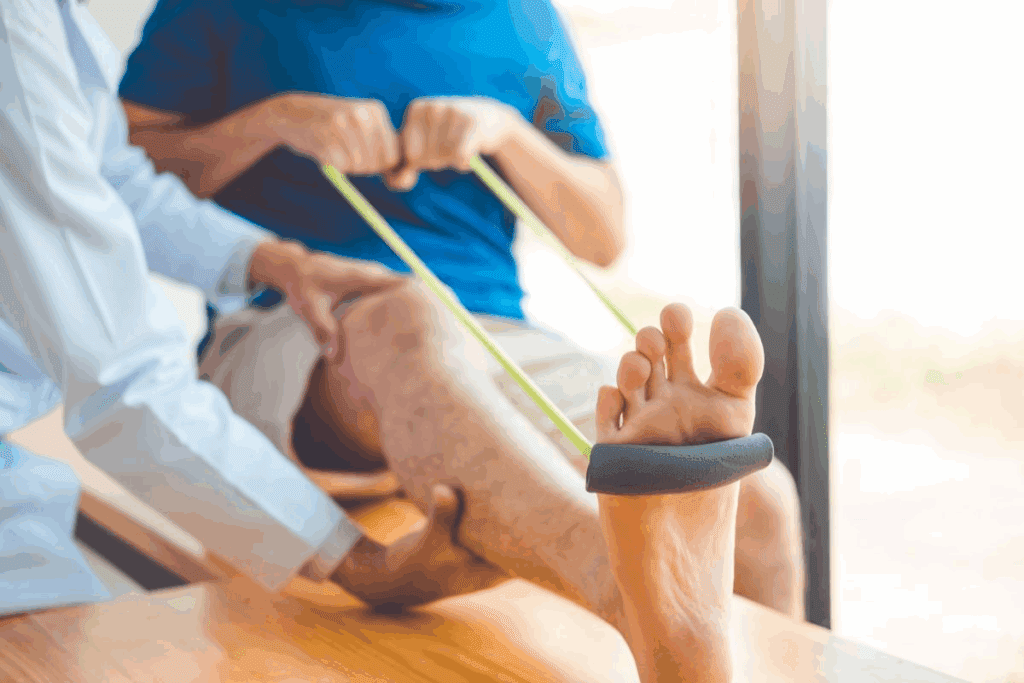
First aid for fractures starts with checking the patient’s airway, breathing, and circulation. The American College of Emergency Physicians stresses the ABCs in first aid. This method makes sure the most important parts of the patient’s condition are fixed quickly.
Airway Assessment
Checking the airway means seeing if it’s clear and open. You can do this by tilting the patient’s head back and listening for breath sounds. It’s vital to make sure the airway is clear to avoid problems.
Breathing Evaluation
Looking at breathing means checking how fast and deep the breaths are. Watch for signs of hard breathing or trouble. Good breathing is key for oxygen to vital organs.
Circulation and Bleeding Control
Checking circulation means looking for pulse and stopping any bleeding. Stopping bleeding is key to avoid shock. You can use direct pressure and elevate the injured limb to help.
Here are steps to control bleeding and circulation:
- Apply direct pressure to the wound
- Elevate the injured area above heart level
- Use pressure points if needed
By following the ABCs, first aid providers can tackle the most critical parts of fracture care. This method helps keep the patient stable until medical help arrives.
Stopping Heavy Bleeding: A Priority Action
When dealing with fractures, controlling severe bleeding is key. Heavy bleeding can cause shock and other serious problems. It’s vital to act fast and right.
Direct Pressure Techniques
Applying direct pressure to the wound is a top way to stop heavy bleeding. It helps stop blood flow. Use a clean cloth or gauze and press firmly on the wound.
Steps to Apply Direct Pressure:
- Use a clean cloth or gauze to cover the wound.
- Apply firm pressure with your hand or fingers.
- Maintain pressure until the bleeding stops or medical help arrives.
Elevation to Reduce Blood Flow
Elevating the injured limb above the heart also helps. It reduces blood flow and bleeding. This is good for fractures in arms or legs.
Important Considerations:
- Ensure the injured limb is elevated gently to avoid causing further injury.
- Continue to apply direct pressure while elevating the limb.
When to Use Pressure Points or Tourniquets
In severe cases, you might need to use pressure points or tourniquets. Pressure points are areas where arteries are close to the bone. They can be compressed to stop blood flow.
“The use of tourniquets should be a last resort and done correctly to avoid further injury,” advises medical professionals.
It’s important to know when and how to use these methods. This helps avoid more harm.
Immobilizing the Injured Area: Critical First Response
The first step in treating a fracture is to immobilize the injured area. This step is key to prevent further damage. It reduces pain, protects surrounding tissues, and lowers the risk of complications like bleeding or nerve damage.
Why Immobilization is Essential
Immobilizing the injured area is vital. It stabilizes the fracture and reduces movement that could make the injury worse. Medical experts say it’s essential for managing fractures effectively and promoting healing.
“Immobilization of the injured limb or area is a critical first aid measure that can significantly impact the outcome of the injury.”
American Red Cross
Proper Positioning Techniques
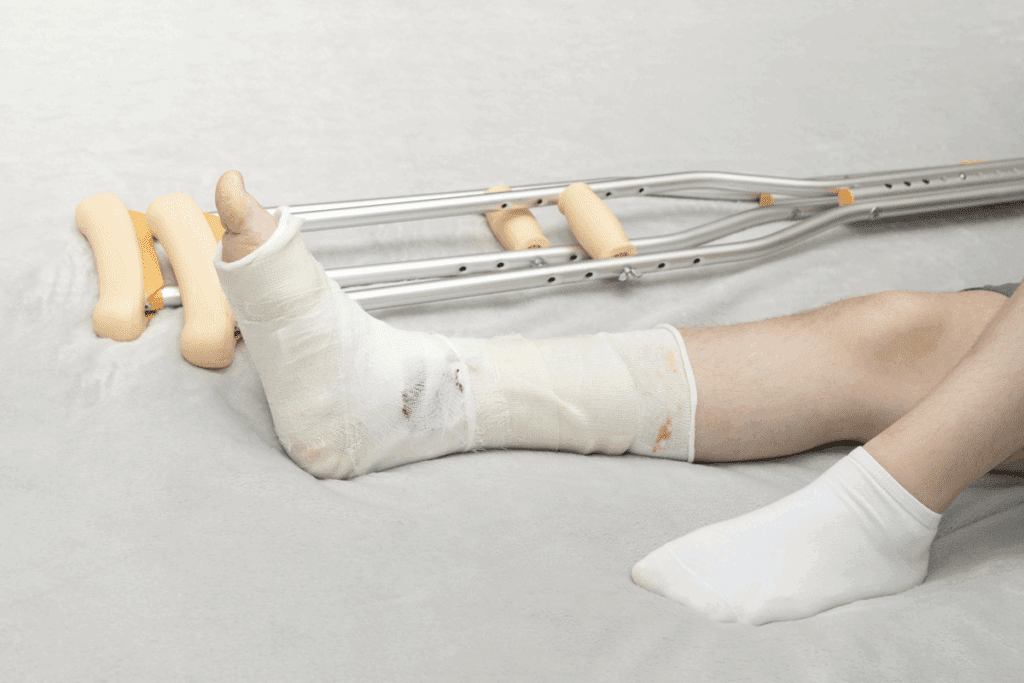
Proper positioning means aligning the injured area in a neutral position. This avoids any movement that could cause further injury. For example, when a limb is fractured, it’s important to support it above and below the fracture site.
- Support the injured area with a splint or sling if available.
- Carefully position the injured limb in a comfortable position, avoiding any pressure on the fracture site.
- Monitor the patient’s circulation and sensation to ensure that the immobilization is not too tight.
Avoiding Further Damage
Avoiding further damage means handling the patient with care. It’s important to limit movement of the injured area during transport to medical care.
| Action | Benefit |
| Immobilize the injured area | Reduces pain and further injury |
| Proper positioning | Prevents complications and promotes healing |
| Careful handling | Minimizes risk during transport |
By following these guidelines, individuals can provide effective first aid for fractures. This significantly improves patient outcomes.
Essential First Aid Fracture Management Techniques
When dealing with fractures, the right first aid can make a big difference. It’s key to manage fractures well in the first stages after injury.
The RICE Method Explained
The RICE method is a well-known way to handle fractures and soft tissue injuries. It stands for Rest, Ice, Compression, and Elevation. Rest means avoiding activities that might have caused the injury. Ice helps lower pain and swelling.
Compression with bandages also reduces swelling. And Elevation of the injured limb above heart level helps by reducing blood flow and swelling.
Using the RICE method right can really help with healing. For example, ice packs wrapped in cloth are safer for the skin and prevent damage.
Adapting Techniques for Different Body Parts
It’s important to adjust first aid for the specific injury. For example, splints work well for arm or leg fractures. But, handling rib or spine fractures needs extra care to avoid more harm.
- For limb fractures, use splints to immobilize the area.
- For spinal injuries, keep the patient as motionless as possible.
- For rib fractures, help the patient sit up and lean towards the injured side to reduce pain.
Common Mistakes to Avoid
It’s just as important to know what not to do as it is to know what to do. Don’t try to fix the bone or clean the wound yourself. This can cause infection or more harm.
Other mistakes include not keeping the injured area stable, applying too much pressure, or not getting medical help when needed.
Applying Cold Packs: Reducing Pain and Swelling
Using cold packs is a simple way to ease pain and swelling after a fracture. The Mayo Clinic Staff suggests this method for managing these issues.
Proper Cold Pack Application
To use a cold pack right, wrap it in a cloth or towel first. This prevents cold burns on your skin. Place the wrapped cold pack on the affected area for a while.
Duration and Frequency
Apply a cold pack for 15-20 minutes at a time. Wait at least 30 minutes before using it again. You can repeat this as often as you need.
Alternatives When Ice Isn’t Available
If you don’t have ice or a cold pack, use a bag of frozen peas or a cold compress. These can help reduce pain and swelling just like ice.
Temporary Fracture Stabilization Methods
Temporary fracture stabilization is key to keeping the area stable. It helps reduce pain and stops further injury. The method used depends on the fracture’s location and severity.
Makeshift Splinting Materials
When you don’t have medical tools, you can use makeshift splints. Items likesturdy boards, rolled-up newspapers, and even branches work well. They need to be stiff enough to support the area.
Pad these materials with cloth or clothing. This prevents discomfort and injury.
Splinting Different Body Parts
Each body part needs its own splinting method. A broken arm might need a sling, while a leg fracture might require a longer, stiffer splint. It’s important to know thatimproper splinting can cause more harm than good.
So, be careful and follow the right techniques.
When Not to Attempt Splinting
Don’t try to splint in certain situations. If the fracture is compound or there’s swelling and deformity, don’t splint. Instead, seekimmediate medical attention.
If the person is in a lot of pain or there’s a risk of more injury, get them help right away.
Knowing how to stabilize fractures can help a lot. It can improve the outcome for those with fractures.
Open Fractures: Special Considerations
Open fractures need special care to prevent infection and help them heal. These fractures happen when a bone breaks through the skin, making a wound.
Identifying an Open Fracture
Spotting an open fracture is the first step in right care. Look for visible bone, an open wound, and lots of bleeding.
Wound Care for Exposed Bone
Right wound care is key for open fractures. Use a sterile dressing to cover the wound. Don’t clean the wound or push the bone back to avoid more harm and infection risk.
Infection Prevention Measures
Stopping infection is vital for open fractures. Start antibiotics early to lower infection risk. The Merck Manual Professional Version stresses early antibiotic use.
| Infection Prevention Measure | Description |
| Antibiotic Administration | Early use of antibiotics to prevent infection |
| Sterile Dressing | Covering the wound with a sterile dressing to prevent contamination |
| Wound Monitoring | Regularly checking the wound for signs of infection |
Knowing and using these special steps helps in treating open fractures. It also lowers the chance of serious problems.
What NOT to Do in First Aid Fracture Situations
When you first see a fracture, how you react can really matter. There are things you should not do to avoid making the injury worse. Knowing these can help keep the injury from getting worse.
Avoiding Bone Realignment Attempts
One big mistake is trying to fix the bone yourself. This can actually hurt more and lead to problems. Instead, keep the area steady and get help from a doctor.
Why it’s dangerous: Without the right tools and training, moving a bone can push pieces into nerves or blood vessels. This can cause more harm.
Dangerous Folk Remedies
Some old remedies might not be safe. For example, using heat or herbal treatments can make swelling worse. This can lead to more problems.
- Don’t put heat on the injured area right away.
- Stay away from herbal treatments that promise to fix fractures.
Movement Mistakes That Cause Further Injury
Moving the injured person or limb the wrong way can make things worse. It’s important to be gentle and avoid moving it too much.
| Action to Avoid | Potential Consequence |
| Moving the injured person without proper support | Further injury to the fractured bone or surrounding tissues |
| Attempting to realign the bone | Damage to surrounding nerves, blood vessels, or tissues |
| Using folk remedies that increase blood flow | Increased swelling or other complications |
Knowing these common mistakes can help you give better first aid. It can also prevent more harm until a doctor can see the person.
Pain Management for Fracture Victims
Managing pain is key for those with fractures. It’s not just about comfort; it’s also about recovery. If pain isn’t managed, it can make things worse, like causing more stress and harm.
Non-Pharmaceutical Pain Relief Methods
There are many ways to ease pain without medicine. Cold therapy helps by reducing swelling and pain. Proper positioning of the injured limb also helps. Techniques like deep breathing and relaxation can also help manage pain.
Positioning for Comfort
Putting the injured area in a comfy position is important. This might mean elevating the limb to lessen swelling or using pillows for support. Being in a comfortable position can really help lower pain levels.
When Pain Indicates a Medical Emergency
It’s important to know when pain might mean something serious.
“Severe pain that doesn’t get better with rest or medicine, or pain with numbness, tingling, or trouble moving, needs quick medical help.”
Knowing these signs can help get the right care fast.
Preventing and Managing Shock
Shock is a serious problem that can happen after a fracture. It’s important to know how to spot and handle it. Managing shock is key for patients with fractures. Shock happens when the body doesn’t get enough blood flow, often due to severe injuries.
Recognizing Signs of Shock
To control shock symptoms, spotting its signs early is key. Look for pale or cool skin, a fast or weak pulse, and rapid breathing. Dizziness, fainting, and less urine output are also signs. If you see these, you must act fast.
Positioning the Patient
How you place the patient can help with shock. They should lie on their back with their legs up about 12 inches. This helps blood flow to the brain. But, if they have a head or spinal injury, or trouble breathing, don’t move them unless it’s really needed.
Maintaining Body Temperature
Maintaining body temperature is also important. Keep the patient warm with blankets or clothes, but not too warm. Watch their temperature and adjust their surroundings to avoid more problems.
By spotting shock signs, placing the patient right, and keeping them warm, you can stop shock from getting worse. Handling shock well is a big part of first aid for fractures.
Special Considerations for Different Age Groups
When dealing with fractures, it’s important to think about the needs of different ages. Each age group has its own challenges that need special care in fracture first aid.
Fracture First Aid for Children
Children’s bones are softer and are growing. This means their fractures are different from adults. Immobilization is key to stop further harm. It’s vital to keep the child calm and comfy.
A medical expert once said:
“Children require careful handling to avoid causing additional distress or injury.”
Elderly Patients and Osteoporotic Fractures
Elderly people are more likely to get osteoporotic fractures because their bones are weaker. Gentle handling and careful movement are key to not making the injury worse. Also, watch for signs of shock.
| Age Group | Fracture Considerations | First Aid Tips |
| Elderly | Osteoporotic fractures | Gentle handling, check for shock |
| Children | Flexible bones, developmental stage | Keep calm, immobilize |
| Athletes | Sports-related injuries | Immediate immobilization, assess for other injuries |
Athletes and Sports-Related Fractures
Athletes often get fractures from sports. These need quick attention to avoid more harm. Proper immobilization and checking for other injuries are very important.
Knowing these age-specific needs can really help in fracture first aid.
When Professional Medical Care is Absolutely Necessary
Knowing when to get professional medical help is key in emergencies. The American College of Emergency Physicians stresses the need to know when to rush to the hospital. For fractures and some conditions, quick transport to a medical facility is vital.
Red Flags That Require Immediate Attention
Some signs and symptoms mean you need to get medical help right away. These include:
- Severe pain that doesn’t subside
- Deformity or abnormal positioning of the limb
- Open fractures where the bone is exposed
- Significant swelling or bruising
- Decreased sensation or inability to move the affected limb
Spotting these red flags helps you decide quickly to get medical care.
Communicating Effectively with Medical Professionals
When taking a patient to the hospital, talking clearly with doctors is key. Share all the details about the injury, like how it happened and any first aid given. This helps doctors diagnose and treat faster.
What to Expect at the Hospital
At the hospital, doctors will do a full check-up. This might include X-rays or CT scans. Knowing what to expect and being ready to share information makes the care process smoother.
Conclusion: Key Takeaways for Fracture First Aid
First aid for fractures is key to prevent more harm and help healing. It’s important to reassure the injured person. This can lessen their anxiety and stress.
Keeping an eye on vital signs is also critical. It helps spot any serious issues early. Look for signs of shock like pale skin, fast heartbeat, and shallow breathing.
For open fractures, use a clean dressing to cover the wound. This helps avoid infection. Proper wound care and keeping the area stable are also important.
Knowing and using these steps can help care for fracture victims. It leads to better recovery and outcomes.
FAQ
What is the first thing to do when someone suffers a fracture?
First, call emergency services if the injury is serious. Make sure the area is safe. Check if the person can respond and if they are breathing and have a pulse.
How do I know if someone has a fracture or a sprain?
Fractures hurt more, swell more, and might look different than sprains. If it looks bad or you’re not sure, treat it like a fracture and get medical help.
What are the ABCs of first aid for fractures?
The ABCs are Airway, Breathing, and Circulation. Check the airway, see if they’re breathing right, and stop any bleeding to keep blood flowing.
How do I stop heavy bleeding from a fracture?
Press directly on the wound, lift the injured limb up, and use pressure points or tourniquets if needed to stop bleeding.
Why is immobilizing the injured area important?
It stops further damage, lessens pain, and helps healing by keeping the area steady and preventing bone movement.
What is the RICE method for managing fractures?
RICE means Rest, Ice, Compression, and Elevation. It helps reduce pain, swelling, and aids in healing by keeping the injured area calm.
How do I apply cold packs to reduce pain and swelling?
Wrap an ice pack in cloth and apply it for 15-20 minutes. Take a 30-minute break before applying again. Do this as needed.
What are some makeshift splinting materials I can use?
Use stiff things like cardboard, plastic, or metal for splints. Wrap it around the injury and secure with bandages or tape.
How do I care for an open fracture?
Cover the wound with a clean cloth, apply gentle pressure to stop bleeding, and keep the area steady. Don’t touch the bone or try to fix it.
What are some common mistakes to avoid in first aid for fractures?
Don’t try to fix the bones, use home remedies, or move the person too much. Keep them calm and steady to avoid more harm.
How can I manage pain for a fracture victim?
Use non-medical ways like comfortable positions, cold packs, and support. If the pain is too much, get medical help.
What are the signs of shock, and how do I manage it?
Shock signs are pale skin, fast heartbeat, and shallow breathing. Lay the person on their back, raise their legs, and keep them warm.
When should I seek professional medical care for a fracture?
Get medical help right away if the injury is bad, if there’s numbness or tingling, or if you see signs of shock or infection.
How do I transport someone with a fracture to medical care?
Keep the injured area steady, and transport them safely. Use a stretcher or vehicle, depending on how serious the injury is.
References
- Han, Y. (2022). Multidisciplinary cooperative first aid model for the treatment of patients with pelvic and multiple fractures. Chinese Journal of Traumatology, 25(4), 194-201. https://www.ncbi.nlm.nih.gov/pmc/articles/PMC9002415/