Last Updated on December 1, 2025 by Bilal Hasdemir
Hodgkin’s lymphoma is a rare cancer in kids, but catching it early is key. About 15% of Hodgkin’s lymphoma cases happen in kids and teens under 20. Knowing the first signs is important for parents to get help fast.Discover first signs Hodgkin’s lymphoma kids show and how to identify them early.
We’ll show you the common early signs. This will help you spot symptoms and see why quick doctor visits are important.
Key Takeaways
- Early detection of Hodgkin’s lymphoma is critical for effective treatment in children.
- Common symptoms include swollen lymph nodes, fever, and fatigue.
- Understanding these signs can help parents seek medical attention promptly.
- Hodgkin’s lymphoma is relatively rare in children but can be treated successfully with timely intervention.
- Recognizing the initial signs is the key to improving outcomes for children with Hodgkin’s lymphoma.
Understanding Hodgkin’s Lymphoma in Children

Hodgkin’s lymphoma is a rare cancer in kids. It’s important to know about it to diagnose and treat it well. We’ll look at what it is, how common it is in kids, and which ages are most affected.
What is Hodgkin’s Lymphoma?
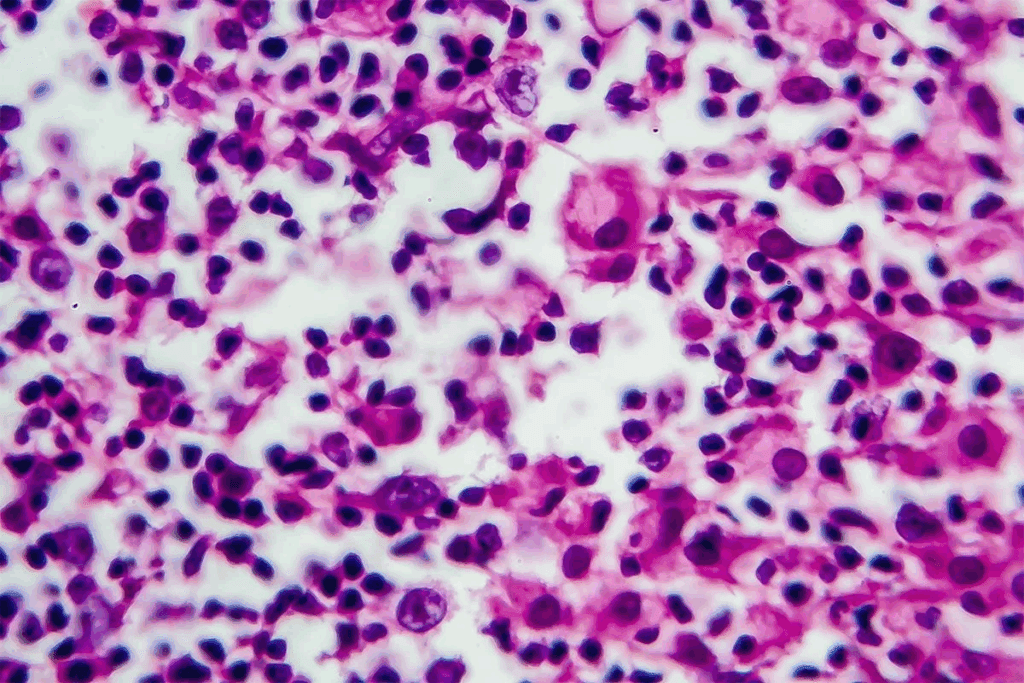
Hodgkin’s lymphoma starts in the lymphatic system, which helps fight off infections. It has abnormal cells called Reed-Sternberg cells in the lymph nodes. This cancer makes lymph nodes swell, causing symptoms. Knowing about Hodgkin’s lymphoma helps catch it early.
How Common is Hodggin’s Lymphoma in Children?
Hodgkin’s lymphoma is rare in kids but common in teens. It’s a small part of all childhood cancers. Spotting its symptoms early is key.
- Hodgkin’s lymphoma hits teens more than younger kids.
- It’s rare in kids under 5.
- Early detection is very important.
Age Groups Most Affected
Hodgkin’s lymphoma affects different ages in different ways. It’s common in adolescents and young adults. Kids under 5 are less likely to get it. Knowing this helps parents and doctors watch out more.
By understanding Hodgkin’s lymphoma and who gets it, we can find it and treat it sooner in kids.
The First Signs of Hodgkin’s Lymphoma in Kids

The first signs of Hodgkin’s lymphoma in kids can be hard to spot. Swollen lymph nodes, fever, night sweats, and fatigue are common symptoms. Parents should watch for these signs.
Common Initial Symptoms
The symptoms of Hodgkin’s lymphoma can differ from child to child. Some common symptoms include:
- Swollen lymph nodes, often in the neck, armpits, or groin
- Unexplained fever that keeps coming back
- Night sweats that are very severe
- Fatigue or feeling very tired
- Weight loss without a clear reason
How Symptoms Differ from Other Childhood Illnesses
These symptoms can look like other common childhood illnesses. But there are key differences:
- Persistent or recurring symptoms are more worrying than short-term ones.
- Having symptoms like swollen lymph nodes, fever, and night sweats together points to Hodgkin’s lymphoma.
- Severe symptoms, like a lot of weight loss or extreme tiredness, need to be checked out.
When to Be Concerned
Parents should worry if they see any of these:
- Symptoms that keep getting worse or don’t go away
- A mix of symptoms that could mean Hodgkin’s lymphoma
- Big changes in behavior or physical health, like not wanting to eat or having trouble breathing
If you’re worried about your child’s health, talk to a doctor. Catching Hodgkin’s lymphoma early is key for good treatment and better results.
Swollen Lymph Nodes: The Primary Warning Sign
Swollen lymph nodes can be a key early warning sign of Hodgkin’s lymphoma in pediatric patients. As a parent, it’s important to know the signs of lymphoma-related swelling. This helps spot problems early.
Characteristics of Lymphoma-Related Lymph Node Swelling
Lymphoma-related lymph node swelling is usually painless, firm, and rubbery. These nodes often appear in the neck, armpits, or groin. Unlike swollen nodes from infections, lymphoma nodes are not tender.
Key characteristics include:
- Painless swelling
- Firm or rubbery texture
- Persistence or growth over time
Common Locations for Swollen Lymph Nodes
In children with Hodgkin’s lymphoma, swollen lymph nodes are most commonly found in the:
- Neck (cervical region)
- Armpits (axillary region)
- Groin (inguinal region)
These areas are key because they are common sites for lymphoma. Watching these areas for unusual swelling is important.
Differentiating from Normal Childhood Lymph Node Swelling
Children often get swollen lymph nodes from common infections. But, there are big differences between normal swelling and swelling from lymphoma. Normal swelling usually comes with signs of infection like fever or sore throat. It goes away once the infection is treated.
It’s essential to consult a healthcare professional if you notice:
- Swollen nodes that persist or grow over time
- Nodes that are unusually firm or rubbery
- Swelling without other signs of infection
Early detection and diagnosis are key to managing Hodgkin’s lymphoma well. Knowing the signs of lymphoma-related swelling helps parents be proactive in their child’s health.
Systemic Symptoms: B Symptoms Explained
B symptoms like unexplained fever, night sweats, and weight loss are key in spotting Hodgkin’s lymphoma in kids. These signs aren’t just for Hodgkin’s but show a need for more checks.
Unexplained Fever Patterns
Unexplained fever is a B symptom. It’s when fever keeps coming back or lasts a long time without a clear reason. For kids with Hodgkin’s, this fever is often one of the first signs.
Night Sweats in Children with Hodgkin’s
Night sweats are another B symptom that worries kids. It’s not just sweating from being hot. It’s deep, wet sweats at night that can mess up sleep. Spotting night sweats as a sign of Hodgkin’s is key for early treatment.
Significant Weight Loss and Loss of Appetite
Significant weight loss and loss of appetite are also B symptoms. Kids with Hodgkin’s might eat less and lose weight quickly. Watching for these changes is important, as they can mean a serious illness like Hodgkin’s.
Spotting B symptoms early can really help in treating Hodgkin’s lymphoma in kids. If your child shows any of these signs, see a doctor right away for a full check-up.
Fatigue and Energy Changes in Pediatric Hodgkin’s Lymphoma
Hodgkin’s lymphoma can make children very tired. This tiredness affects their daily life. It’s important for parents to know how it impacts their child.
Distinguishing Normal Tiredness from Lymphoma-Related Fatigue
It’s hard to tell if a child is just tired or if it’s from lymphoma. Normal tiredness goes away with rest. But lymphoma-related fatigue keeps coming back, even after rest.
Key differences include:
- Persistence of fatigue despite rest
- Impact on daily activities and school performance
- Presence of other symptoms like fever or weight loss
Activity Level Changes Parents Should Monitor
Parents need to watch for changes in their child’s activity. If a child doesn’t want to do things they used to love, it might be a sign of fatigue.
| Normal Activity Level | Activity Level with Lymphoma-Related Fatigue |
| Engages in usual activities without complaint | Shows reluctance to participate in activities |
| Has normal energy levels for age | Exhibits persistent tiredness |
| Recovers well from physical activities | Has prolonged recovery times |
Impact on School Performance and Daily Activities
Fatigue from Hodgkin’s lymphoma can hurt a child’s schoolwork and daily activities. They might find it hard to keep up with school or enjoy playtime.
It’s key to understand how fatigue affects daily life. Recognizing the signs of lymphoma-related fatigue helps parents get help early. This can lead to better outcomes for their child.
Respiratory and Chest Symptoms
It’s important to know the respiratory and chest symptoms of Hodgkin’s lymphoma in kids. These signs can show if the disease is present.
Persistent Cough Without Infection
A cough that lasts and doesn’t get better with usual treatments might be a sign of Hodgkin’s lymphoma. This cough could mean the lymphoma is affecting the chest area.
Chest Pain and Breathing Difficulties
Chest pain and trouble breathing need quick medical help. In kids with Hodgkin’s lymphoma, these symptoms happen when the lymphoma grows in the chest. Chest pain can feel like a dull ache or a sharp, stabbing sensation. It’s key to watch for any changes in breathing or pain.
Swollen Tonsils and Adenoids
Swollen tonsils and adenoids can also be a sign of Hodgkin’s lymphoma. When lymphoma affects these areas, they can get bigger. This can make swallowing or breathing hard. It’s important to watch for changes in the size of tonsils and adenoids, as they can show the disease is there.
Spotting these symptoms early can help with diagnosing and treating Hodgkin’s lymphoma in kids. If you see any of these signs getting worse or lasting, getting medical help is essential.
Skin Manifestations of Hodgkin’s Lymphoma
Skin changes can be a key sign of Hodgkin’s lymphoma in kids. Not all skin symptoms are linked to lymphoma. But, some signs can be very important.
Itchy Skin Without Rash
Children with Hodgkin’s lymphoma might have itchy skin without a rash. This is called pruritus. It can be very uncomfortable for kids.
The itching can happen all over or just in certain spots. Parents should monitor persistent itching, even without visible rash.
Pale Skin and Other Color Changes
Kids with Hodgkin’s lymphoma might have skin color changes. Pale skin can mean anemia, which is sometimes linked to lymphoma. Other color changes, like yellowish skin (jaundice), can happen if lymphoma affects the liver.
These changes can be small, so it’s key to watch your child’s skin color and overall look.
Specific Rashes Associated with Lymphoma
In some cases, kids with Hodgkin’s lymphoma might get specific rashes. These rashes can look different and might be linked to the lymphoma or the body’s immune response. While many things can cause rashes, a rash that lasts or comes with other worrying symptoms should be checked by a doctor.
Seeing a doctor early can help figure out the cause and find the right treatment.
Knowing about these skin signs can help parents and caregivers watch their child’s health more closely. If you see any unusual or lasting skin changes, always talk to a healthcare professional.
Abdominal Signs and Digestive Changes
Abdominal signs and digestive changes are key when diagnosing Hodgkin’s lymphoma in kids. These symptoms can really affect a child’s health and happiness.
Enlarged Spleen and Liver
One big sign of Hodgkin’s lymphoma is an enlarged spleen and liver. This is called splenomegaly and hepatomegaly. It happens when cancer cells build up in these organs.
An enlarged spleen can cause pain in the upper left belly. An enlarged liver can make the upper right belly feel sore or full.
Abdominal Pain and Discomfort
Children with Hodgkin’s lymphoma often feel abdominal pain. This pain can come from swollen lymph nodes or organs like the spleen and liver. The pain can be mild or very bad and might spread across the belly.
Parents should watch how the pain feels. Is it always there, or does it come and go? Does it go with other symptoms like fever or not wanting to eat?
Changes in Bowel Habits
Children with Hodgkin’s lymphoma might also have bowel habit changes. These can be constipation, diarrhea, or changes in stool consistency. These changes can be from the disease itself or from treatment.
It’s important for parents to watch their child’s bowel health closely. If they notice big changes, they should tell their doctor right away.
Bone and Joint Pain in Pediatric Hodgkin’s
Bone and joint pain are common in kids. If these pains last a long time, they might mean something serious like Hodgkin’s lymphoma. It’s key for parents and caregivers to know the signs of Hodgkin’s lymphoma pain to tell it apart from usual childhood aches.
Characteristics of Lymphoma-Related Pain
Lymphoma pain in bones and joints is different from usual growing pains. This pain is often constant and can be very bad, getting worse over time. Unlike growing pains, which usually happen in the late afternoon or evening and go away by morning, lymphoma pain can last all day and night.
Differentiating from Growing Pains
Growing pains are common in kids, mainly in the legs. But, pain that lasts or comes with other signs like fever, weight loss, or swelling needs a closer look. We’ll look at how to tell growing pains from lymphoma pain to know when to get medical help.
When Pain Warrants Medical Attention
If your child has bone or joint pain that doesn’t go away, is very bad, or comes with other worrying signs, get medical help right away. Spotting Hodgkin’s lymphoma early can really help with treatment. If your child has unusual or lasting pain, see a doctor.
Immune System Changes and Recurrent Infections
Children with pediatric Hodgkin’s lymphoma often face immune system problems. This can cause them to get sick more often. We will look at why this happens, the kinds of infections they get, and how long it takes to get better.
Why Infections Occur More Frequently
Children with Hodgkin’s lymphoma get infections more easily. The lymphoma weakens their immune system. Also, treatments like chemotherapy and radiation make it even harder for their bodies to fight off germs.
Key factors contributing to increased infection risk include:
- The lymphoma’s impact on the immune system
- Immunosuppressive treatments
- Potential bone marrow involvement affecting blood cell production
Types of Infections Common in Children with Hodgkin’s
Children with Hodgkin’s lymphoma can get many kinds of infections. These include bacterial, viral, and fungal infections. They often get respiratory tract infections like pneumonia and skin infections.
Viral infections can be very challenging. For example, the varicella-zoster virus can cause shingles, a painful condition that needs quick medical care.
Healing Time Differences
Children with Hodgkin’s lymphoma take longer to heal because their immune systems are weak. This slow recovery worries parents and doctors. It might mean they need more help or treatment.
Factors influencing healing times include:
- The effectiveness of the immune system
- The presence of any underlying health conditions
- The type and intensity of treatments being used
It’s very important to watch for signs of infection and get medical help right away. Quick action and proper care can greatly help children with Hodgkin’s lymphoma.
How Hodgkin’s Lymphoma Progresses If Undetected
If Hodgkin’s lymphoma is not caught early, it can get worse. This affects treatment choices and how well a patient does. We’ll look at how it progresses and what it means for kids with this disease.
Progression from Early to Advanced Stage
Hodgkin’s lymphoma usually starts in one lymph node or a few. If not treated, it can spread to more lymph nodes and other parts like the spleen, liver, or bone marrow. This makes treatment harder and can change the patient’s outlook.
In the early stages, Hodgkin’s lymphoma might not show many symptoms. These symptoms can be like other common childhood illnesses. As it gets worse, symptoms get stronger. They can include fever, night sweats, and losing a lot of weight.
Timeframe for Symptom Development
How fast symptoms show up in Hodgkin’s lymphoma varies in kids. Some might see symptoms quickly, in just a few weeks. Others might see them slowly, over months. The type of Hodgkin’s lymphoma and the child’s health can affect how fast it spreads.
Impact on Treatment Options and Outcomes
The stage of Hodgkin’s lymphoma when it’s found is key for treatment and how well a patient does. Early-stage disease is easier to treat and has a better chance of success. Treatment often includes chemotherapy, radiation, or both, aiming for remission.
Advanced-stage Hodgkin’s lymphoma needs more intense treatment. This might include stronger chemotherapy or even stem cell transplantation. Kids with advanced disease usually have a tougher time than those found early.
Knowing how Hodgkin’s lymphoma progresses and its impact on treatment shows why early detection is so important. Parents and caregivers should watch for signs and symptoms. If they’re worried, they should get their child checked by a doctor.
When and How to Seek Medical Attention
It’s important for parents to know the signs of Hodgkin’s lymphoma in children. If you think your child might be showing symptoms, it’s key to know when and how to get medical help.
Red Flags That Warrant Immediate Medical Evaluation
Some symptoms in kids mean they need to see a doctor right away. These include:
- Unexplained fever that keeps coming back.
- Night sweats that soak through clothes.
- Significant weight loss or not wanting to eat.
- Swollen lymph nodes that don’t go away, are big, or hurt.
- Fatigue that makes it hard to do daily things or go to school.
What Information to Share with Your Doctor
When you go to the doctor, it’s good to have some information ready. This includes:
- How long and how bad the symptoms are.
- Any changes in how your child acts, eats, or feels energetic.
- A list of any medicines or supplements your child takes.
- Any family history of cancer or other health issues.
Sharing this info helps your doctor understand what’s going on.
Initial Tests and Evaluations
When you see a doctor, your child might get some tests to find out what’s wrong. These can be:
- Blood tests to see if there’s an infection or abnormal cells.
- Imaging tests like X-rays, CT scans, or PET scans to look at inside organs and lymph nodes.
- A biopsy of a swollen lymph node to check for cancer cells.
These tests help doctors figure out if it’s Hodgkin’s lymphoma and what treatment is best.
Conclusion: Early Detection and Outlook
Early detection and timely treatment of Hodgkin’s lymphoma in children greatly improve their chances. This article has covered the key signs and symptoms parents and caregivers should watch for. These signs help identify Hodgkin’s lymphoma early.
Spotting early signs like swollen lymph nodes and symptoms like fever is key. It’s important to know these signs from other common childhood illnesses. This ensures children get the right treatment quickly.
Thanks to new treatments, the outlook for kids with Hodgkin’s lymphoma is much better. Many children now have successful outcomes. This shows how vital early detection and treatment are in managing Hodgkin’s lymphoma.
FAQ
What are the common initial symptoms of Hodgkin’s lymphoma in children?
Symptoms include swollen lymph nodes, fever, night sweats, and fatigue. Weight loss is also common. These signs can look like other illnesses, so watch them closely.
How can I differentiate swollen lymph nodes caused by Hodgkin’s lymphoma from normal childhood lymph node swelling?
Lymphoma swelling is usually painless and doesn’t go away. It often shows up in the neck, armpits, or groin. If you see unusual swelling, see a doctor right away.
What are B symptoms in the context of Hodgkin’s lymphoma?
B symptoms are unexplained fever, night sweats, and weight loss. These signs can affect your child’s health and mean they might have Hodgkin’s lymphoma.
How can I distinguish normal tiredness from lymphoma-related fatigue?
Fatigue from lymphoma is very tiredness that lasts a long time. It makes it hard to do daily things. If your child is always tired, talk to a doctor.
What respiratory and chest symptoms may occur in children with Hodgkin’s lymphoma?
Symptoms include coughing without infection, chest pain, and trouble breathing. Swollen tonsils and adenoids can also happen.
What skin manifestations may occur in children with Hodgkin’s lymphoma?
Skin symptoms include itchy skin without rash, pale skin, and color changes. Some lymphoma rashes can also appear.
What abdominal signs and digestive changes may occur in children with Hodgkin’s lymphoma?
Signs include an enlarged spleen and liver, abdominal pain, and bowel habit changes. These can mean Hodgkin’s lymphoma and need medical help.
How can I differentiate bone and joint pain caused by Hodgkin’s lymphoma from growing pains?
Pain from lymphoma is long-lasting and severe. It happens in specific places. If your child has unusual pain, see a doctor.
Why do children with Hodgkin’s lymphoma experience recurrent infections?
Their immune system changes make them more likely to get infections. These infections can be worse or last longer.
What happens if Hodgkin’s lymphoma is left undetected?
If not caught early, Hodgkin’s lymphoma can get worse. This can make treatment harder and affect the outcome. Early detection is key.
When should I seek medical attention if I suspect my child has Hodgkin’s lymphoma?
If you see symptoms like swollen lymph nodes, fever, or fatigue, get medical help fast. A doctor can check your child and guide you.
What information should I share with my doctor if I suspect my child has Hodgkin’s lymphoma?
Tell your doctor about your child’s health, symptoms, and any worries. This helps the doctor understand your child’s situation and decide what to do next.
Reference
SEER Cancer Statistics – Childhood Leukemia (ages 0-19):https://seer.cancer.gov/statfacts/html/childleuk.html