Last Updated on December 1, 2025 by Bilal Hasdemir
Nearly 1 in 5 cancer patients see their cancer come back, often because the cancer has spread without being caught early. This makes it crucial to recognize the first signs metastatic cancer.
PET scans are great at finding cancer spread symptoms and metastatic cancer warning signs that CT scans can’t see. Knowing this is key for finding cancer early and planning treatment.
Key Takeaways
- PET scans detect early signs of metastatic cancer more effectively than CT scans.
- Cancer spread symptoms can be identified through PET scans.
- Understanding the limitations of CT scans is important for cancer diagnosis.
- PET scans offer a more detailed view of cancer growth.
- Spotting metastatic cancer early can lead to better treatment results.
Understanding the Basics: PET Scans vs. CT Scans
PET scans and CT scans are both important for diagnosing health issues. They work differently and offer unique insights into the body. Knowing their differences is key for accurate diagnosis and treatment planning, like spotting cancer metastasis symptoms and advanced cancer symptoms.
What is a PET Scan?
A PET (Positron Emission Tomography) scan uses a radioactive tracer to see how the body’s cells work. A small amount of radioactive material is injected, which cells absorb. The PET scanner then detects this radiation, showing detailed images of the body’s inner workings.
This helps doctors see how well cells are functioning and find abnormal areas, like those seen in stage4 cancer symptoms.
What is a CT Scan?
A CT (Computed Tomography) scan uses X-rays to create detailed images of the body’s internal structures. It shows the size, shape, and location of tumors and organs. CT scans are great for seeing the body’s anatomy but don’t show cellular function like PET scans do.
Fundamental Differences in Technology
The main difference between PET and CT scans is their technology and what they show. PET scans look at cell activity, while CT scans focus on body structure. By using both, doctors get a full picture of a patient’s health, including cancer metastasis symptoms and treatment success.
How PET Scans Detect Metabolic Activity
PET scans show where chemicals are most active. This helps doctors find cancer spread signs and metastatic disease symptoms. It’s key for early diagnosis and treatment.
PET scans use radioactive tracers to find active areas. The most common tracer is fluorodeoxyglucose (FDG). It’s a glucose molecule with a radioactive tag.
The Role of Radioactive Tracers
Radioactive tracers are vital in PET scans. They show where cells are most active. When injected, they go to cells based on their activity level.
Cancer cells, with their high activity, take up more tracer. This makes them visible during the scan.
Glucose Metabolism and Cancer Cells
Cancer cells use more glucose than normal cells. This is known as the Warburg effect. The FDG tracer builds up in cancer cells because of this.
Visualizing Cellular Function vs. Anatomical Structure
PET scans show how cells work, not just their structure. This is different from CT scans. It’s great for spotting cancer progression symptoms early.
By mixing PET scan data with CT scan images, doctors get a full picture. This helps in making accurate diagnoses and treatment plans.
First Signs of Metastatic Cancer: What PET Scans Reveal
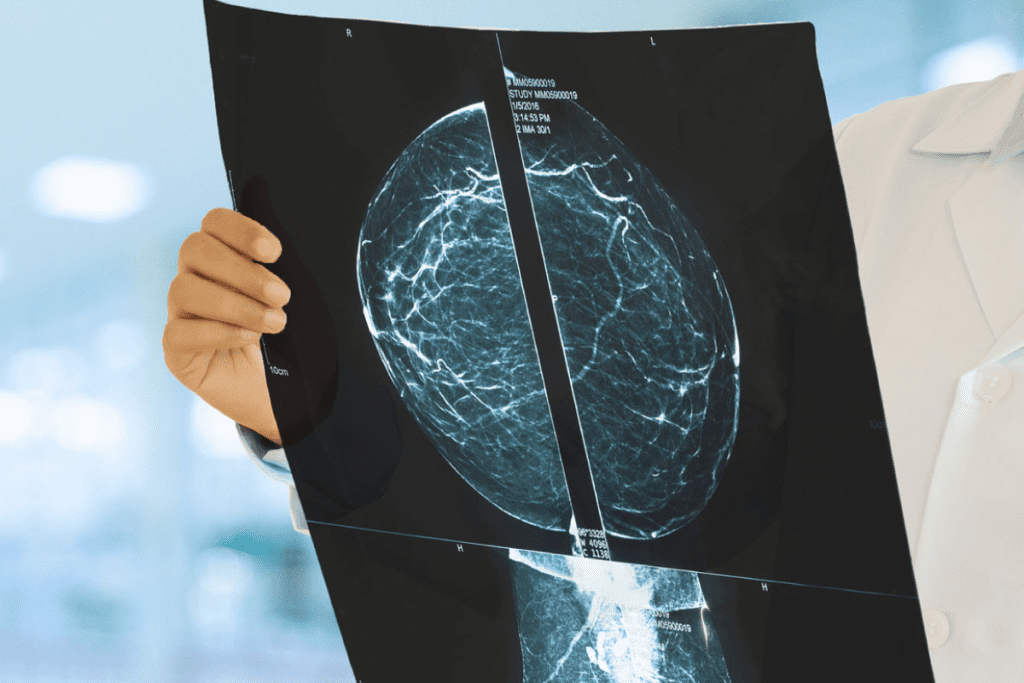
PET scans help find metastatic cancer early. They spot cancer spread before it shows up on other scans. This is key for starting treatment quickly.
Detecting Cancer Spread Before Structural Changes
PET scans use radioactive tracers to find cancer cells. They show where cancer has spread, even before other scans can. This is important for catching cancer early.
Key benefits of PET scans in detecting metastatic cancer early include:
- Identifying cancer spread to lymph nodes or distant organs
- Detecting changes in metabolic activity before structural damage occurs
- Enabling early intervention and treatment planning
Identifying Metabolically Active Tumors
Metabolically active tumors use a lot of glucose, a sign of aggressive cancer. PET scans are great at finding these tumors. They show how active the cancer is.
| Tumor Characteristic | PET Scan Capability |
| Metabolic Activity | Highly sensitive to detecting metabolically active tumors |
| Cancer Spread | Can identify spread to lymph nodes or distant organs |
| Treatment Response | Helps in assessing how well the tumor responds to treatment |
Early Detection Advantages for Treatment Planning
PET scans help plan treatment early. They find cancer spread and active tumors quickly. This lets doctors create better treatment plans.
The ability to detect cancer early is very important. It helps improve treatment results.
Limitations of CT Scans in Cancer Detection
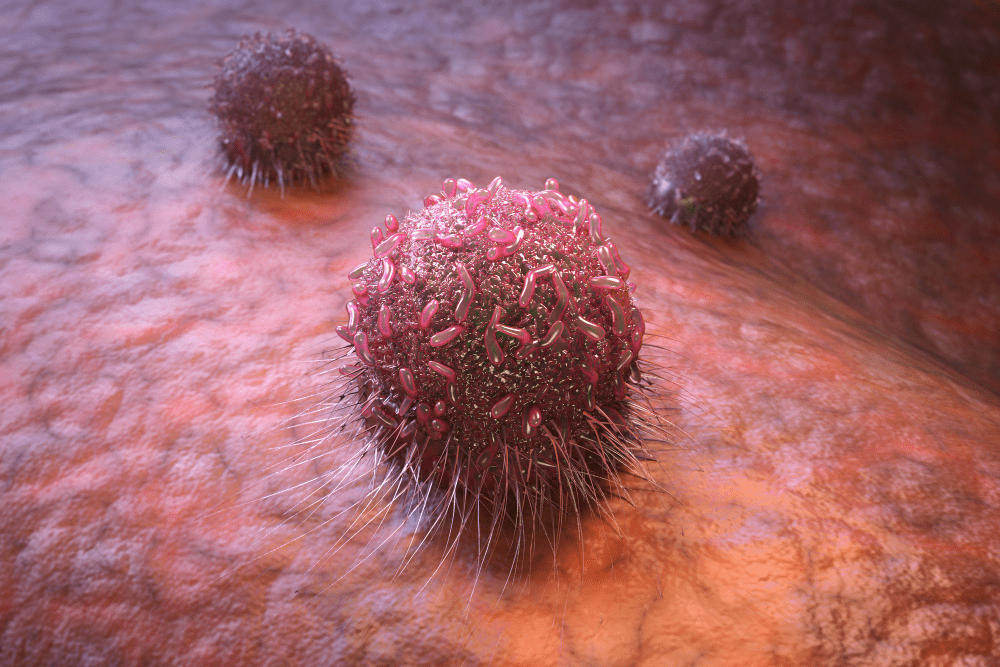
CT scans are useful for finding tumors, but they have some big limits. These limits can make it harder to know if a cancer is there and how to treat it.
Size Threshold for Tumor Visibility
One big problem with CT scans is they can’t see small tumors. Tumors need to get big enough to show up on a scan. This means some cancers might not be caught early, which can delay treatment.
Early detection is key for treating cancer well. But, CT scans’ size limit makes it hard to find cancers early. This shows we need other ways to find tumors too.
Challenges in Differentiating Benign vs. Malignant Lesions
CT scans have trouble telling if a tumor is bad or not. This is because both kinds of tumors can look the same on scans. It’s hard to know what a tumor is without more tests.
This problem can cause unnecessary worry and more tests for people with harmless tumors. It can also make people think they’re okay when they’re not, if their bad tumor looks like a harmless one.
Difficulty Assessing Treatment Response
It’s also hard to see if a cancer treatment is working with CT scans. Just because a tumor doesn’t grow, it doesn’t mean the treatment is working. Some treatments can change how a tumor looks or works without making it smaller right away.
This shows we need functional imaging like PET scans. They can show how active a tumor is, giving a clearer picture of how well treatment is working.
It’s important for doctors and patients to know about these limits. This helps us use many tools together to find and treat cancer better. By knowing what CT scans can’t do, we can do more to help patients.
PET-CT Fusion: Combining the Best of Both Worlds
PET and CT imaging together create a powerful tool for cancer detection and management. They combine CT’s detailed anatomy with PET’s metabolic insights. This gives healthcare providers a full view of a patient’s health.
How Combined Scans Work
PET-CT scans combine CT’s detailed anatomy with PET’s metabolic activity. This mix helps spot cancer metastasis signs and distant metastasis symptoms more accurately.
First, the CT and PET scans are done one after the other. The patient stays in the same position. Then, special software merges the images. This creates a single image that shows both the body’s structure and its metabolic activity.
Benefits of Anatomical and Functional Imaging Together
Combining anatomy and function in imaging has many benefits. It makes cancer staging more accurate and treatment planning more precise. It also helps in assessing how well treatments are working.
Healthcare providers can see both the body’s structure and its metabolic activity. This helps them spot cancer spread indicators better and track treatment success.
“The combination of PET and CT scans has revolutionized the field of oncology, enabling more accurate diagnosis and treatment of cancer.”
Clinical Applications of Hybrid Imaging
PET-CT scans have many uses, mainly in oncology. They help stage cancer, track treatment progress, and find cancer recurrence. They also help see how far the disease has spread and where to focus treatments.
- Improved accuracy in cancer staging
- Enhanced detection of metastasis
- Better assessment of treatment response
- More precise planning for radiation therapy
PET-CT scans give a complete view of a patient’s health. They are key in managing cancer and improving patient care.
Specific Cancers Where PET Scans Outperform CT Scans
PET scans are better than CT scans in many cancers. This is because they show metabolic activity, which is key. They give info that CT scans can’t, helping doctors make better plans.
Lung Cancer and Mediastinal Involvement
PET scans are key in lung cancer, checking the mediastinum. This area is important for staging and treatment. Unlike CT scans, PET scans spot active tumors in the mediastinum, showing how far cancer has spread.
This info is vital for deciding if surgery or other treatments are right for a patient.
Lymphoma Staging and Treatment Response
PET scans are also great for lymphoma, helping with staging and checking treatment success. They find cancerous lymph nodes that CT scans miss. This gives a clearer picture of the disease.
They also check if lymphoma is responding to treatment. This helps doctors adjust plans as needed.
Colorectal Cancer Recurrence
PET scans are used to find colorectal cancer recurrence. They look for increased metabolic activity, even when other tests don’t show anything. This helps doctors decide on the next steps.
Brain Tumors and Neurological Assessment
PET scans give insights into brain tumor metabolism and viability. This is key for planning treatment and predicting outcomes. They can tell the difference between tumor growth and radiation damage, which CT scans can’t.
This is very important for managing brain tumor patients.
PET scans give detailed metabolic info, helping understand cancer progression signs and metastatic cancer manifestations. They show systemic cancer symptoms clearly. This leads to better treatment plans, making care more personalized and effective.
Beyond Cancer: Other Conditions Better Visualized by PET Scans
PET scans are not just for cancer. They help diagnose and manage many other health issues. Their use goes beyond cancer, providing insights into important health areas.
Neurological Disorders: Alzheimer’s and Dementia
PET scans are key in neurology, helping with Alzheimer’s and dementia. They show brain activity, spotting areas that don’t work well. This is key for early treatment.
Early detection of neurological disorders is a big plus of PET scans. For example, F-florbetapir PET scans find amyloid plaques in Alzheimer’s disease early. This is before symptoms show up.
Cardiac Viability Assessment
In cardiology, PET scans check if heart muscle is alive but not working. This is due to poor blood flow. Knowing this helps decide on treatments like revascularization.
PET scans look at the heart’s activity, telling the difference between scar tissue and working muscle. This is important for planning treatments and predicting results.
Inflammatory and Infectious Diseases
PET scans are also useful for inflammatory and infectious diseases. They spot areas of inflammation or infection by showing increased activity.
In diseases like sarcoidosis or vasculitis, PET scans show how far the disease has spread. They also check if treatments are working. For infections, like in prosthetic joints, PET scans are key in finding and measuring the infection.
Using PET scans for these conditions helps doctors make better care plans. They tailor treatments to each patient’s needs.
Practical Considerations: When to Choose PET Over CT
PET scans have unique benefits over CT scans. Yet, several factors can sway your choice. When it comes to spotting cancer spread or diagnosing metastatic cancer, the decision between PET and CT scans hinges on various aspects.
Cost and Insurance Coverage
PET scans are pricier than CT scans. Insurance plans differ, with some covering PET scans for cancer staging. It’s key to verify your insurance coverage.
| Scan Type | Average Cost | Typical Insurance Coverage |
| PET Scan | $1,000 – $3,000 | Partial to full coverage for cancer staging |
| CT Scan | $300 – $1,500 | Generally covered for diagnostic purposes |
Radiation Exposure Comparison
Both PET and CT scans use radiation, but PET scans use less. CT scans expose patients to more radiation. Talking to your healthcare provider about radiation risks is important.
Preparation and Procedure Differences
PET scans need specific prep, like fasting and avoiding exercise. They use a radioactive tracer that highlights active areas. CT scans require less prep and might use contrast agents.
Availability and Accessibility Factors
PET scans are less common than CT scans. This can make them harder to access, mainly in rural areas. Patients might have to travel to big medical centers for PET scans.
Grasping these practical points is essential for patients and healthcare providers. It helps in choosing between PET and CT scans for cancer diagnosis and treatment planning.
Future Developments in PET Imaging Technology
PET imaging is changing fast. New tech and methods are coming to help doctors better diagnose and care for patients.
New radioactive tracers are being made. These are key for spotting and tracking diseases like cancers. This includes cancers that spread to bone metastasis symptoms, liver metastasis symptoms, and lung metastasis symptoms.
New Radioactive Tracers and Applications
New tracers are being made to find specific cancer cells or metabolic processes. This makes PET scans more accurate. For example, tracers that stick to proteins in cancer cells help find tumors early and see how well treatments work.
Improved Resolution and Sensitivity
PET scanner tech is getting better. This means doctors can spot smaller tumors and tiny changes in how cells work. This is great for catching early signs of metastasis in cancer patients.
Artificial Intelligence in PET Image Interpretation
Artificial intelligence (AI) is changing how we look at PET images. AI can spot patterns and give detailed info to help doctors make better decisions.
Personalized Medicine Applications
PET imaging is also key for personalized medicine. It gives detailed info on tumors. This helps doctors tailor treatments to each patient, which could lead to better results and fewer side effects.
PET imaging is getting better and better. It promises to make diagnosing, treating, and managing diseases like cancer better. As it keeps improving, it will likely have a big impact on how we care for patients.
- Improved detection of metastasis symptoms through advanced tracers
- Enhanced image resolution and sensitivity
- Integration of AI for more accurate image interpretation
- Personalized treatment planning based on PET imaging data
Conclusion: Making Informed Decisions About Medical Imaging
It’s key to know the difference between PET and CT scans. This helps both patients and doctors make smart choices about medical tests. This is very important when dealing with metastatic cancer.
PET scans are great at showing how active cells are. This is vital for spotting lymph node metastasis and checking how well treatments work. For those with metastatic cancer pain or cancer spread pain, finding the right diagnosis is a big step towards better pain control and treatment plans.
When it comes to brain metastasis symptoms, PET scans can reveal things CT scans can’t. By using both scans, doctors get a clearer picture of the disease. This leads to better care for patients.
Knowing what PET and CT scans can do helps patients make better choices about their health. It ensures they get the right treatment for their needs.
FAQ
What is the main difference between a PET scan and a CT scan in detecting metastatic cancer?
PET scans look at how cells work, while CT scans show the body’s structure. PET scans are great for spotting cancer spread signs.
How do PET scans detect cancer metastasis symptoms?
PET scans use special tracers that find active cancer cells. This helps spot cancer spread and advanced symptoms.
What are the limitations of CT scans in cancer detection?
CT scans can miss small tumors and struggle to tell if a growth is cancerous. They also have trouble seeing how well treatments work. This can make it hard to catch the signs of cancer spreading.
What is the benefit of using PET-CT fusion scans?
PET-CT scans combine detailed images with metabolic data. This helps find cancer spread signs and distant symptoms, giving essential clues.
For which types of cancer do PET scans outperform CT scans?
PET scans are better for lung, lymphoma, colorectal, and brain cancers. They help spot metastasis and track cancer growth.
Are PET scans used for conditions other than cancer?
Yes, PET scans help with Alzheimer’s, heart health, and infections. They’re used for many conditions, not just cancer.
What are the practical considerations when choosing between PET and CT scans?
Think about cost, insurance, radiation, prep, and where to get them. These factors can influence the choice of PET scans for cancer detection.
How will future developments in PET imaging technology impact cancer diagnosis and management?
New PET tech will improve cancer diagnosis and treatment. It will help spot bone, liver, and lung metastasis symptoms better.
Can PET scans detect brain metastasis symptoms?
Yes, PET scans can find brain metastasis symptoms. They’re often used with other scans to diagnose and manage brain tumors.
How do PET scans help in assessing metastatic cancer pain?
PET scans can pinpoint where metastatic cancer pain comes from. This helps target treatments and manage pain.
Reference
- Lother, D., et al. (2023). Imaging in metastatic breast cancer: CT, PET/CT, MRI, and whole-body approaches. Breast Cancer Research and Treatment, 198(1), 1-10. https://pmc.ncbi.nlm.nih.gov/articles/PMC10230813/
- National Cancer Institute. (2020). PSMA PET-CT accurately detects prostate cancer spread. Cancer Currents. https://www.cancer.gov/news-events/cancer-currents-blog/2020/prostate-cancer-psma-pet-ct-metastasis
- Niikura, N., et al. (2011). FDG-PET/CT compared with conventional imaging in the staging and restaging of primary breast cancer. Journal of Clinical Oncology, 29(35), 4371-4377. https://pmc.ncbi.nlm.nih.gov/articles/PMC3228159/