Last Updated on December 1, 2025 by Bilal Hasdemir
Vascular dementia affects memory, thinking, and behavior. It happens when blood flow to the brain is reduced. Early diagnosis is key to managing it well.
The Two Finger Test is a simple tool that may help detect vascular dementia early by checking how well the brain functions. Understanding the first symptom of vascular dementia is crucial for timely diagnosis. Often, the earliest signs include difficulties with problem-solving, slowed thinking, or trouble concentrating rather than just memory loss. Recognizing these symptoms early can lead to faster intervention and better management of the condition.
Knowing about vascular dementia and its signs is important. The Two Finger Test could be a big help in checking for dementia.
Key Takeaways
- Vascular dementia is caused by reduced blood flow to the brain.
- Early diagnosis is key for effective management.
- The Two Finger Test is a possible tool for early diagnosis.
- It checks brain function and finds symptoms early.
- Quick action is important for managing vascular dementia.
Understanding Vascular Dementia: An Overview
Vascular dementia happens when blood flow to the brain drops, often due to a stroke or small vessel disease. It leads to a decline in brain function. This includes memory loss, trouble with communication, and solving problems.
Definition and Pathophysiology of Vascular Dementia
Vascular dementia is caused by poor blood flow to the brain, leading to cognitive decline. The process involves a mix of vascular and neurodegenerative factors. Key factors include atherosclerosis, hypertension, and diabetes, which reduce blood flow.
This condition can come from a single stroke or many small ones, as well as small vessel disease. Knowing the vascular causes is key for diagnosis and treatment.
Prevalence and Impact in the United States
Vascular dementia is the second leading cause of dementia, after Alzheimer’s disease. It affects a big part of the U.S. population. About 10% to 20% of dementia cases are vascular dementia. It gets more common with age, hitting those with heart disease risk factors hard.
How Vascular Dementia Differs from Alzheimer’s Disease
Vascular dementia and Alzheimer’s disease have different causes and progressions. Alzheimer’s is a neurodegenerative disorder, while vascular dementia is mainly due to blood flow issues. Symptoms and how they progress also differ. Vascular dementia often shows a step-wise decline, while Alzheimer’s progresses more slowly.
- Vascular dementia is linked to risks like high blood pressure and diabetes.
- Alzheimer’s disease is marked by amyloid plaques and neurofibrillary tangles.
- Diagnosing vascular dementia often involves brain scans to spot vascular damage.
The First Signs: Early Symptoms of Vascular Dementia
Vascular dementia starts with small but important changes in thinking and behavior. Spotting these signs early is key for quick diagnosis and help.
Cognitive Slowing and Executive Dysfunction
Cognitive slowing is a big sign of vascular dementia. People find it harder to think fast. This makes everyday tasks and making decisions tough.
Executive dysfunction also shows up, making planning and doing tasks hard. At first, these changes might seem small. But they get worse over time.
Subtle Memory Changes vs. Prominent Memory Loss
Vascular dementia doesn’t always show up with big memory problems like Alzheimer’s. Instead, it starts with subtle memory changes. People might forget small things or have trouble learning new stuff. But these problems grow slowly.
Memory issues are often mixed with other thinking and planning problems. This makes it harder to notice just memory loss.
Mood and Behavioral Changes as Early Indicators
Mood and behavior changes are also early signs of vascular dementia. People might get more irritable, anxious, or depressed. These feelings can come from frustration with thinking problems or from the brain changes of vascular dementia.
Seeing these mood and behavior changes early is important. It helps and family members help sooner. This can make life better for those with vascular dementia.
The Progression Pattern of Vascular Dementia Symptoms
Vascular dementia symptoms progress in a step-wise manner. This means patients see sudden drops in their abilities, followed by stable periods. It’s a unique pattern compared to other dementias.
Step-wise Progression: The Hallmark Pattern
The step-wise progression is a key feature of vascular dementia. It’s different from Alzheimer’s disease. This pattern comes from small strokes or changes in blood flow harming brain tissue.
Each step down in ability is linked to a specific vascular event. Knowing this pattern is vital for diagnosis and care.
Sudden vs. Gradual Symptom Onset
Vascular dementia can start suddenly or gradually. Sudden onset often follows a major vascular event, like a stroke. It immediately affects thinking and physical skills.
Gradual onset happens due to small, cumulative vascular changes over time. Knowing how symptoms start helps in choosing the right treatment.
Timeline of Cognitive and Physical Decline
The rate of decline in vascular dementia varies. It depends on the extent of vascular damage, other health issues, and how well risk factors are managed.
Keeping track of how a patient is doing and adjusting their care is key to improving their life.
Risk Factors Contributing to Vascular Dementia
Knowing the risk factors for vascular dementia is key to catching it early and preventing it. Many things can lead to this condition. These include heart health, who you are, your genes, and your lifestyle.
Cardiovascular Conditions as Primary Risk Factors
Heart problems are big risks for vascular dementia. Hypertension, diabetes, and atherosclerosis raise your risk a lot. These issues mess with blood flow to the brain, causing brain decline.
Demographic and Genetic Predispositions
Being older and male can up your risk for vascular dementia. Your genes can also play a part. Knowing these can help figure out your risk.
Modifiable Lifestyle Factors and Their Impact
Things like smoking, not being active, and what you eat can really affect your risk. Changing these can lower your risk.
| Risk Factor | Description | Impact on Vascular Dementia Risk |
| Hypertension | High blood pressure | Increases risk |
| Diabetes | High blood sugar | Increases risk |
| Smoking | Tobacco use | Increases risk |
| Physical Inactivity | Lack of regular exercise | Increases risk |
By tackling these risk factors, you can lower your chance of getting vascular dementia.
Diagnostic Approaches for Vascular Dementia
Healthcare professionals use many methods to diagnose vascular dementia. They look at a person’s medical history, do a physical exam, and use advanced imaging and lab tests. These steps help check the health of blood vessels.
Comprehensive Medical History and Physical Examination
Getting a detailed medical history is key. It helps find out if someone has risks like high blood pressure or diabetes. A physical exam can show signs of brain damage or other issues that might affect thinking.
Neuroimaging: MRI, CT, and Other Visualization Techniques
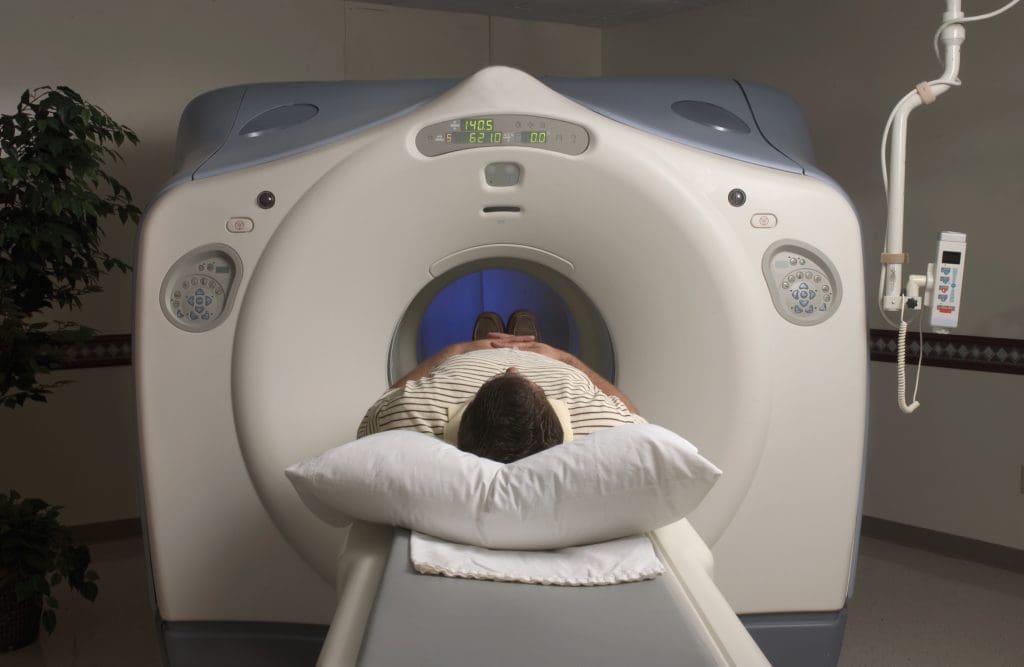
Neuroimaging is very important for diagnosing vascular dementia. MRI and CT scans show brain damage from poor blood flow. They can spot infarctions and other signs of vascular dementia.
Laboratory Tests for Vascular Health Assessment
Labs help check blood vessel health and find risk factors. Tests might include blood sugar and cholesterol levels. This helps understand why someone’s thinking might be getting worse.
By using all these methods, can make a more accurate diagnosis. This helps them create better treatment plans for vascular dementia.
Cognitive Assessment Tools for Dementia Detection
Finding dementia early is key, and cognitive tests play a big role. These tests check how well our brains work. They help spot dementia, like vascular dementia, more accurately.
Standard Cognitive Screening Instruments
Standard tests are used to check if someone might have dementia. Some top tests are:
- Mini-Mental State Examination (MMSE): This test checks things like math, memory, and knowing where you are.
- Montreal Cognitive Assessment (MoCA): It looks at more areas, like how well you can plan and speak.
These tests give a quick look at how someone’s brain is doing. They help figure out who needs a closer check.
Specialized Assessments for Vascular Cognitive Impairment
Vascular cognitive impairment needs special tests. These tests find the brain problems caused by blood flow issues. Some tests are:
- Vascular Cognitive Impairment Test (VCIT): It checks how blood disease affects the brain.
- Trail Making Test: This test looks at planning and decision-making skills, often hurt by vascular dementia.
These tests help tell vascular dementia apart from other types of dementia.
The Importance of Early Cognitive Screening
Screening early is vital for catching dementia on time. Early detection lets start treatments sooner. This can slow the disease and help patients more.
Using both standard and special tests is key for finding dementia. These tools help give better diagnoses and make treatment plans that really work.
The Two Finger Test for Dementia Assessment and Evaluation
The Two Finger Test is a simple way to check if someone with dementia is okay. It looks at how well they can think and move. This test might help find early signs of vascular dementia.
Origins and Development of the Two Finger Test
The Two Finger Test comes from tests that check how well people move their fingers. It’s a task that shows if someone’s brain and body are working right.
Key aspects of the test’s development include:
- Initial use in neurological examinations
- Adaptation for dementia assessment
- Validation through studies
Neurological Basis for the Assessment
The Two Finger Test looks at how our brain and body work together. It checks if someone can move their fingers well. This tells us about their brain health.
The test evaluates:
- Fine motor skills
- Cognitive processing related to motor tasks
- Coordination and dexterity
How the Test Evaluates Cognitive and Motor Function
The Two Finger Test checks both thinking and moving skills. It asks someone to do a task after understanding instructions. This helps see how well their brain and body are working.
Scoring Methods and Interpretation Guidelines
Scoring the Two Finger Test looks at how well someone moves their fingers. It also checks if they can follow instructions and do the task right. Any big differences from what’s expected are noted.
Interpretation considerations include:
- Comparison with normative data
- Assessment of cognitive and motor components
- Integration with other diagnostic findings
Administering the Two Finger Test: A Step-by-Step Guide
Learning how to do the Two Finger Test is key for spotting dementia. It helps check how well someone thinks and moves their fingers.
Preparation and Required Materials
Make sure you have what you need before starting the test. You’ll need a flat surface, a pen or pencil, and paper. Keep the area quiet and make sure the person is relaxed and focused.
Proper Testing Procedure and Instructions
First, tell the person to put their index and middle fingers on the pen or pencil. Show them how it’s done if they don’t get it. Then, ask them to do it themselves. Watch how well they do it and notice any problems.
Scoring Methods and Interpretation Guidelines
Scoring the test is about how fast, accurate, and skilled the person is. You can use a simple score from 1 to 5. A score of 1 means big problems, and 5 means they’re doing great.
| Score | Description | Interpretation |
| 1 | Significant impairment | Severe dementia symptoms |
| 2-3 | Moderate impairment | Mild to moderate dementia |
| 4-5 | Normal or near-normal function | No significant dementia symptoms |
Common Errors in Test Administration
Some common mistakes include not explaining things clearly, not showing the task, and ignoring distractions. Make sure the place is right and follow the guide closely to avoid these mistakes.
Benefits and Limitations of the Two Finger Test
The Two Finger Test has both good and bad sides. It’s easy to use, which is great for and at home. But, it’s not perfect.
Advantages in Home Settings
The Two Finger Test is simple and doesn’t need much to do it. This makes it good for checking for dementia in many places. “It’s easy to do and understand, even for those not trained in medicine.” Studies show it helps find dementia early.
Sensitivity for Detecting Vascular Dementia Symptoms
The Two Finger Test might help find signs of vascular dementia. But, how well it works is something researchers are looking into. It can spot early signs of brain problems, but it’s not the only test needed.
“Finding vascular dementia early is key. The Two Finger Test can help with this.”
Potential Drawbacks and Considerations
Even with its good points, the Two Finger Test has downsides. It might not catch small changes in thinking as well as other tests. Also, how well the test works can depend on the patient and the person doing the test.
When to Use Alternative Assessment Methods
If the Two Finger Test doesn’t give clear answers or if the patient’s thinking is complex, other tests might be needed. These could include more detailed brain tests or special screening tools.
Knowing the good and bad of the Two Finger Test helps make better choices. This improves care for patients with dementia.
Comparing the Two Finger Test with Other Dementia Screening Methods
There are many ways to diagnose vascular dementia. The Two Finger Test is a new method that’s simple yet effective.
Effectiveness vs. Traditional Cognitive Assessments
Tests like the Mini-Mental State Examination (MMSE) are common for diagnosing dementia. But they might not catch vascular dementia well. The Two Finger Test looks at finger coordination, which can show signs of vascular dementia.
Research shows the Two Finger Test is good at spotting cognitive decline in vascular dementia. It’s easy to use, making it great for first checks in doctor’s offices.
Complementary Use with Other Screening Tools
The Two Finger Test is meant to work with other tests, not replace them. It helps understand a patient’s brain and motor skills better.
Using the Two Finger Test with other tools helps find patients who need more help. It also helps track how the disease is changing and how treatments are working.
Integration into Comprehensive Dementia Evaluation Protocols
Adding the Two Finger Test to dementia checks makes them more accurate. It combines with other tests to give a clearer picture of a patient’s health.
This way of testing helps find and treat dementia sooner. As more research supports the Two Finger Test, it will likely play a bigger role in screening for dementia.
Treatment Options Following Positive Dementia Screening
Getting a vascular dementia diagnosis is just the start. There are many ways to manage the condition. A detailed treatment plan can be made to meet the patient’s needs.
Medical Interventions for Vascular Dementia
Medical treatments are key in managing vascular dementia. They include medicines for high blood pressure, cholesterol, and diabetes. These are risk factors for the condition. Cholinesterase inhibitors and memantine can help with thinking problems.
Managing Underlying Vascular Conditions
It’s important to manage conditions like high blood pressure and diabetes. This helps slow down the disease. Lifestyle changes like better diet and exercise are part of this.
Cognitive Rehabilitation Approaches
Cognitive rehab helps improve thinking and daily skills. It’s customized for each person. It includes cognitive training, physical exercise, and social support. This helps people with vascular dementia stay independent.
Support Systems and Care Planning
Support and care planning are key parts of treatment. They help both the patient and their caregivers. Care planning looks at the patient’s needs and sets up a plan. Support groups and counseling help caregivers too.
In summary, a positive dementia screening leads to a detailed treatment plan. This includes medical care, managing conditions, rehab, and support. These steps help improve the patient’s life and slow the disease.
Preventive Measures for Vascular Dementia
By controlling cardiovascular risk factors and living a healthy lifestyle, you can lower your chance of getting vascular dementia. This not only makes you healthier but also improves your life quality.
Controlling Cardiovascular Risk Factors
It’s key to manage heart disease risks to avoid vascular dementia. This means keeping blood pressure, diabetes, and cholesterol levels in check. You can do this with medicine, diet, and lifestyle changes.
| Risk Factor | Management Strategy | Benefit |
| Hypertension | Medication, low-sodium diet, exercise | Reduces stroke risk |
| Diabetes | Medication, diet, regular monitoring | Prevents vascular damage |
| Hyperlipidemia | Diet, exercise, statins if necessary | Lowers risk of atherosclerosis |
Dietary Approaches for Brain and Vascular Health
Eating a diet full of fruits, veggies, whole grains, and lean proteins is good for your brain and heart. The Mediterranean diet is known to be very beneficial.
Nutritional Components: Omega-3 fatty acids, antioxidants, and fiber are important for heart health.
Physical and Cognitive Exercise Recommendations
Exercising regularly boosts heart health and lowers dementia risk. Doing puzzles and learning new things also keeps your mind sharp.
Regular Screening for At-Risk Individuals
People with heart disease or other risk factors should get checked for dementia often. Catching it early can help slow down the disease.
Conclusion: The Importance of Early Detection and Intervention
Early detection and intervention are key in managing vascular dementia. The Two Finger Test is a valuable tool for assessing cognitive and motor function. It helps identify symptoms of vascular dementia early on.
Effective dementia assessment requires a thorough approach. Tools like the Two Finger Test are used to check finger function and overall cognitive status. Early identification of vascular dementia allows for timely interventions to slow disease progression.
Intervention strategies include managing vascular conditions, cognitive rehabilitation, and lifestyle changes. Early detection and intervention improve the quality of life for those with vascular dementia.
Using simple yet effective tools like the Two Finger Test in practice enhances vascular dementia diagnosis and management. This highlights the need for a proactive approach to address vascular dementia.
FAQ
What is the two finger neurological test used for?
It checks how well someone can move their fingers and hands. This is key for fine motor skills and coordination.
How does the finger tap test dementia relate to cognitive decline?
It tests motor skills, showing how well someone can do simple tasks. This can show if thinking skills are getting worse.
What is the finger dexterity test dementia used for?
It checks how well someone can use their hands. This is important for people with dementia.
How can vascular dementia be prevented?
Prevent it by controlling heart risks, eating right, and staying active and sharp.
What are the treatment options for vascular dementia?
Treatments include medicines, managing heart issues, and helping with thinking skills.
How does the Two Finger Test compare to other dementia screening methods?
It works well with other tests to fully check someone’s thinking skills.
What are the limitations of the Two Finger Test?
It might not work the same for everyone. It needs a skilled person to interpret. There’s a chance of getting wrong results.
What are the benefits of using the Two Finger Test for dementia screening?
It’s simple and easy to use anywhere. It’s good at spotting vascular dementia signs.
How is the Two Finger Test administered?
The test asks the person to do a finger task, like tapping or sequencing. It checks their thinking and moving skills.
What is the step-wise progression pattern in vascular dementia?
Symptoms get worse suddenly, then stay the same for a while. This is typical of vascular dementia.
What are the early symptoms of vascular dementia?
Early signs include slow thinking, trouble with planning, small memory issues, and mood swings.
How does vascular dementia differ from Alzheimer’s disease?
Vascular dementia happens when blood flow to the brain drops, often because of heart issues. Alzheimer’s is a brain disease caused by amyloid plaques and tangles.
What is the Two Finger Test used for in dementia assessment?
The Two Finger Test checks how well someone thinks and moves. It’s mainly used to spot signs of vascular dementia.