Last Updated on November 26, 2025 by Bilal Hasdemir
Getting ready for fistula surgery is very important for a good recovery. At Liv Hospital, we focus on you, guiding you from the start to the end of your healing. We help with every step, from planning before surgery to when you’re fully healed.
After anal fistula surgery, you need to follow your doctor’s advice closely. This includes managing pain and keeping clean. Knowing what to do during recovery can really help you get better faster.
Count on Liv Hospital for all the care you need on your healing path. This guide will show you how to get ready for and recover from fistula operation. We want to make sure you know everything you need to, every step of the way.
Key Takeaways
- Proper preparation is key to a successful fistula surgery.
- Following doctor’s instructions is very important during recovery.
- Pain management and keeping clean are essential for healing.
- Liv Hospital offers complete care throughout your journey.
- Understanding the recovery process can greatly improve your results.
Understanding Fistulas and When Surgery Is Necessary

It’s important for patients to understand when they need surgery for fistulas. A fistula is an abnormal connection between two surfaces, like the anus and the skin around it.
What Is a Fistula and How Does It Form?
An anal fistula is a tunnel from the anus to the skin. It usually starts with an infection or abscess in the anal gland. This infection then drains into the skin, creating a tract.
The formation of a fistula involves infection, inflammation, and sometimes surgery. Knowing this helps patients see why they need medical help quickly.
Common Types of Anal and Perianal Fistulas
Fistulas are classified by their location and complexity. The main types are:
- Simple or Low Fistulas: These have a simple tract and are near the surface.
- Complex or High Fistulas: These have a complex tract and are harder to treat.
Knowing the type of fistula helps doctors choose the best treatment.
Signs That Indicate Surgical Intervention
Some fistulas start with mild symptoms, but others can cause serious problems if not treated. Signs that mean you need fistula surgery include:
- Persistent pain or discomfort around the anus.
- Recurring abscesses or infections.
- Discharge or bleeding from the fistula opening.
- Failure of the fistula to heal with treatments.
Seeing these signs early can help you get medical help quickly. This can prevent worse problems.
Types of Fistula Surgery Procedures

Surgeons use different techniques to treat fistulas. Each method has its own benefits and things to consider. The choice depends on the fistula’s complexity, location, and the patient’s health.
Fistulectomy vs. Fistulotomy: Understanding the Difference
Fistulectomy and fistulotomy are two main ways to treat fistulas. Fistulectomy removes the fistula tract completely. On the other hand, fistulotomy cuts open the fistula tract to heal from the inside.
“Fistulotomy is associated with a higher success rate and fewer recurrences compared to fistulectomy.”
Choosing between these methods depends on the fistula’s complexity and the surgeon’s expertise. Fistulectomy might be better for complex cases. Fistulotomy is often chosen for simpler fistulas.
Fistula in Ano Surgery Procedure Options
Fistula in ano needs careful thought when choosing a treatment. Surgeons might choose fistulotomy or Ligation of the Intersphincteric Fistula Tract (LIFT). LIFT is a minimally invasive method that heals the fistula while keeping the sphincter intact.
- Fistulotomy: Suitable for many cases, involving cutting open the fistula.
- LIFT Procedure: A minimally invasive option that preserves sphincter integrity.
- Seton Placement: Involves placing a seton (a rubber or silk thread) to keep the fistula tract open, promoting drainage and healing.
Minimally Invasive Techniques for Fistula Removal
Minimally invasive methods have changed how we treat fistulas. They offer quicker recovery and less pain. Procedures like LIFT and Video-Assisted Anal Fistula Treatment (VAAFT) are becoming more popular.
VAAFT lets surgeons see and treat the fistula directly with less damage to nearby tissues. As technology improves, these options are becoming more common. They offer a less invasive choice compared to traditional surgery.
Choosing the Right Medical Facility for Fistula Surgery
Choosing the right medical facility for fistula surgery is key. It affects how well the surgery goes and the patient’s experience. A reputable and well-equipped center is essential for success.
Essential Qualifications to Look For in Surgeons
When picking a facility, the surgeon’s qualifications matter a lot. Look for surgeons who are board-certified and have training in colorectal surgery. Their experience with fistula surgeries is also important.
Ask about their treatment approach and use of new techniques. This shows if they can meet your specific needs.
Questions to Ask During Your Consultation
Ask the right questions during your first meeting. Inquire about the diagnostic processes they use. Also, ask about pre and postoperative care.
- What experience do you have with fistula surgeries?
- What are the possible risks and complications?
- How will pain be managed during recovery?
- What is the typical recovery time, and what follow-up care is provided?
Evaluating Success Rates and Patient Outcomes
Look at the facility’s success rates and patient outcomes. Ask about their track record with fistula surgeries. This includes complication rates and patient satisfaction.
Also, ask about their follow-up care and how they handle complications. This is important for your recovery.
Medical Evaluation Before Fistula Surgery
Before fistula surgery, a detailed medical evaluation is key. It includes various tests and a look at the patient’s health history. This step is vital to prepare the patient and reduce risks.
Required Diagnostic Tests and Examinations
Several tests are done to check the fistula’s type and the patient’s health. These include:
- Physical examination to assess the fistula’s location and severity
- Imaging tests such as MRI or CT scans to visualize the fistula tract
- Endoscopic examinations to evaluate the rectal mucosa and fistula opening
Discussing Your Medical History and Medications
Talking about your medical history and medications is important. This includes:
- Listing all medications, including anticoagulants and antibiotics
- Disclosing any allergies or sensitivities to medications
- Sharing information about previous surgeries or medical conditions
Understanding Surgical Risks and Benefits
It’s important for patients to know the risks and benefits of fistula surgery. The surgeon will discuss:
- The likelihood of successful closure of the fistula
- Potential complications such as infection or incontinence
- The impact of surgery on quality of life
| Aspect | Details | Importance |
| Diagnostic Tests | MRI, CT scans, Endoscopy | High |
| Medical History | Medications, Allergies, Previous Surgeries | High |
| Surgical Risks | Infection, Incontinence, Recurrence | High |
| Surgical Benefits | Successful Closure, Improved Quality of Life | High |
Understanding these aspects helps patients make informed choices. A detailed medical evaluation before fistula surgery is crucial for optimizing outcomes. It ensures patients are ready for the surgery and recovery.
Step-by-Step Preparation for Fistula Surgery
To get ready for fistula surgery, you need to prepare well in advance. This preparation includes several steps. These steps help make sure the surgery goes smoothly and is successful.
Two Weeks Before: Medication and Lifestyle Adjustments
Two weeks before surgery, you’ll need to make some changes. Tell your doctor about all the medicines you’re taking. This includes blood thinners, supplements, and herbal remedies.
Medication Adjustments: Your doctor might tell you to stop or change some medicines. This is to avoid any risks during surgery or while you’re healing.
- List your medications and discuss them with your doctor.
- Follow your doctor’s instructions about changing your medicines.
One Week Before: Dietary Modifications
One week before surgery, start making changes to your diet. Eating a balanced diet full of nutrients helps your body heal better.
Dietary Recommendations: Eat foods high in fiber, vitamins, and minerals. Drink lots of water. Try to avoid foods that can cause stomach problems.
| Dietary Component | Recommended Foods | Foods to Avoid |
| Fiber | Fruits, Vegetables, Whole Grains | Processed Foods |
| Hydration | Water, Clear Broths | Caffeine, Alcohol |
24-48 Hours Before: Final Preparations
In the last 24-48 hours before surgery, there are a few things to do. Make sure you have all the documents and information you need.
Final Checks: Check your ride to and from the hospital, pack a bag with essentials, and have someone to support you if needed.
By following these steps and working with your healthcare provider, you can be well-prepared for a successful fistula surgery.
What to Expect During Your Fistula Surgery
Knowing what to expect during fistula surgery is key for patient preparation. Fistula surgery treats an abnormal connection between body parts, like the intestine and skin. It’s important to understand the steps involved.
Duration of Fistula Surgery
The time it takes for fistula surgery varies. It depends on the fistula’s complexity, the surgical method, and the patient’s health. Surgery can last from 30 minutes to several hours.
| Surgery Complexity | Average Duration |
| Simple Fistula | 30 minutes – 1 hour |
| Complex Fistula | 1 – 3 hours |
Anesthesia Options for Fistula Operation
Anesthesia is vital for comfort during fistula surgery. The choice of anesthesia depends on the surgery’s complexity and the patient’s health.
- Local Anesthesia: Used for less complex fistulas, it numbs the area around the fistula.
- Regional Anesthesia: Blocks pain in a larger area of the body, such as below the waist.
- General Anesthesia: Used for more complex surgeries or if the patient’s condition requires it, rendering the patient unconscious.
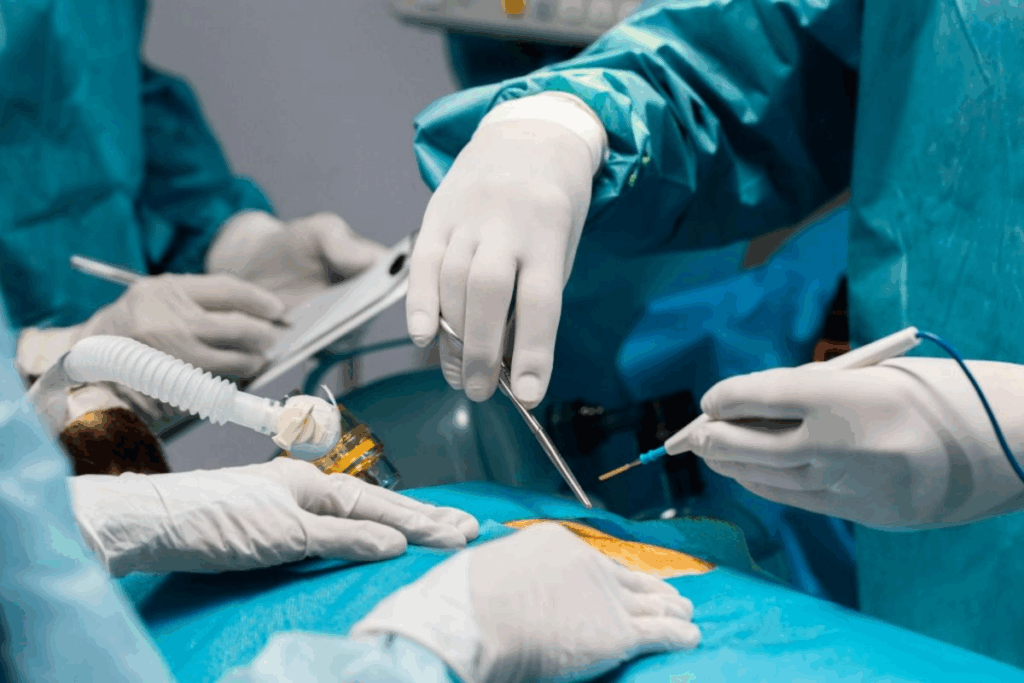
Step-by-Step Breakdown of the Procedure
Fistula surgery involves several key steps:
- Preparation: The patient is prepared for surgery, which includes administering anesthesia.
- Identification of the Fistula: The surgeon identifies the fistula tract.
- Surgical Repair: The fistula is either drained, cut, or closed using a specific surgical technique.
- Wound Closure: The wound is closed, often with stitches or left open to heal on its own.
Immediate Post-Operative Experience
After surgery, patients are watched in a recovery area. They may feel discomfort, pain, or swelling. These are managed with medication and care instructions.
Understanding fistula surgery can help patients prepare. It reduces anxiety and improves their experience.
Comprehensive Recovery Plan After Fistula Surgery
Creating a detailed recovery plan is key to avoiding problems and helping wounds heal after fistula surgery. A good plan helps patients get through the recovery smoothly. It ensures they get the right care and support in the hospital and at home.
Hospital Stay and Initial Recovery (Days 1-3)
The first few days after surgery are very important. Patients usually stay in the hospital for a few days. Medical staff watch over them, manage pain, and take care of the wound.
Patients must follow the hospital’s instructions closely. They should also tell their doctor about any issues or worries.
First Week at Home: Essential Wound Care
After leaving the hospital, patients need to keep up with wound care. This helps the wound heal and prevents infection. They should clean the wound, change dressings as told, and watch for any signs of trouble.
Key wound care tips:
- Keep the wound clean with mild soap and water
- Change dressings as directed by your healthcare provider
- Monitor for signs of infection or complications
Weeks 2-4: Progressive Healing Milestones
In the second to fourth weeks, patients will start to see big improvements. The wound should start to close, and pain should lessen. They can start to do more, but should avoid heavy activities.
Weeks 4-6: Returning to Normal Activities
By weeks 4-6, most patients can go back to their usual routines. This includes work and exercise. But, they must keep following their doctor’s advice and go to all follow-up visits.
It’s important to be patient and not rush the recovery. Rushing can cause problems or make healing take longer.
Post-Surgery Diet and Lifestyle Adjustments
A good diet and lifestyle after surgery can help you heal faster. It’s important to choose what you eat and how you live carefully. This ensures a smooth recovery.
Dietary Guidelines to Promote Healing
Eating foods rich in fiber is key after surgery. Foods like fruits, vegetables, and whole grains can make bowel movements easier. This reduces pain and constipation risk.
Drinking lots of water is also important. It helps prevent constipation and supports healing.
Physical Activity Restrictions and Gradual Return
Rest is important, but gentle exercise can help you recover. Avoid heavy lifting and strenuous activities at first. As you get better, you can do more.
Start with gentle walks. Then, slowly increase the intensity and time of your activities. Always listen to your doctor’s advice.
Pain Management and Medication Compliance
Managing pain is a big part of recovery. Take your pain medication as your doctor tells you to. This helps control pain well.
Be aware of any side effects from your medication. Tell your doctor if you notice any. Taking your medication as directed is key to a comfortable recovery.
Hygiene Practices to Prevent Infection
Good hygiene is vital to avoid infection after surgery. Clean the anal area gently with warm water after using the bathroom. Avoid harsh soaps or wipes.
Try to keep the area dry. Using a sitz bath can help with healing and comfort.
Conclusion: Ensuring Successful Long-Term Outcomes
After fistula surgery, it’s key to get better in the long run. Your healthcare provider will give you important instructions to follow. These steps help avoid problems and make recovery smoother.
Recovering well from fistula surgery means more than just following care advice. It also means making changes in your daily life. These changes help lower the chance of the fistula coming back and improve your health overall.
When skilled surgeons do fistula surgery, it can greatly improve life for those with this condition. Understanding and following the right care after surgery is vital. This way, patients can have a better, more comfortable life in the long term.
FAQ
What is fistula surgery and how long does it take?
Fistula surgery is a procedure to fix an abnormal connection between body parts. This could be between the intestine and the skin. The time needed for surgery varies but usually ranges from 30 minutes to several hours.
What are the different types of fistula surgery procedures?
There are several types of fistula surgery. These include fistulectomy, fistulotomy, and minimally invasive techniques. The choice depends on the fistula’s location, size, and complexity, as well as the patient’s health.
How do I prepare for fistula surgery?
To prepare, follow your surgeon’s instructions. This might mean stopping certain medications, eating a specific diet, and getting diagnostic tests. Also, arrange for someone to drive you home after the surgery.
What can I expect during my hospital stay after fistula surgery?
After surgery, you’ll likely stay in the hospital for a few hours to days. Medical staff will watch over you, manage pain, and care for your wound.
How do I care for my wound after fistula surgery?
Proper wound care is key for healing and avoiding complications. Follow your surgeon’s advice, which might include keeping the wound clean, using creams or ointments, and changing dressings as needed.
What dietary changes should I make after fistula surgery?
You might need to change your diet to help with healing and prevent constipation. This could mean eating more fiber, drinking lots of water, and avoiding spicy or heavy foods.
How long does it take to recover from fistula surgery?
Recovery time varies based on the surgery’s complexity and your health. Generally, it takes several weeks to fully recover. During this time, follow your surgeon’s instructions and attend all follow-up appointments.
Can I remove a fistula without surgery?
Small or simple fistulas might be treated without surgery, using antibiotics or drainage. But, more complex or persistent fistulas usually need surgery to remove or repair the abnormal connection.
What are the risks and benefits of fistula surgery?
Fistula surgery carries risks like infection, bleeding, and anesthesia complications. But, the benefits, such as symptom relief and improved quality of life, often outweigh these risks.
How do I choose the right surgeon for my fistula surgery?
Look for a qualified and experienced colorectal surgeon or proctologist. Research their credentials, read reviews, and ask questions during your consultation. This will help you feel confident in your surgeon’s abilities.