Feeling foamy and frothy after gastric bypass can be really tough. But, it’s a common problem many bariatric patients face. It’s usually not too hard to deal with.
Knowing why it happens and making the right changes can help. You can stop feeling this way and reach your weight loss goals. Management strategies for foamies after gastric bypass surgery (Eating habits).
We’ll show you why foamies happen and how to fix it. This way, you can have a smooth recovery and lose weight well.
Key Takeaways
- Foamies are a common issue after bariatric surgery.
- Mindful eating and avoiding certain foods can help.
- Staying hydrated is key in managing foamies.
- Dietary changes can ease symptoms.
- Getting the right advice is important for weight loss.
Understanding Foamies After Gastric Bypass Surgery

For those who have had gastric bypass surgery, knowing about foamies is key. Foamies are when you see foamy or frothy stuff. It can make bariatric patients feel uncomfortable and worried.
What Are Foamies?
Foamies are the foamy or frothy stuff some see after gastric bypass surgery. It’s linked to how the digestive system changes after surgery.
Common Symptoms and Manifestations
Patients with foamies might feel different things. Here are some common signs:
- Foamy or frothy discharge
- Discomfort or pain in the abdominal area
- Difficulty swallowing or feeling of food being stuck
These symptoms can be tough to deal with. But knowing what causes them is a big step towards feeling better.
Prevalence Among Bariatric Patients
Foamies are common among those who’ve had gastric bypass surgery. It’s because of the changes made in the body during surgery.
Type of Bariatric Surgery | Prevalence of Foamies |
Roux-en-Y Gastric Bypass | High |
Sleeve Gastrectomy | Moderate |
Adjustable Gastric Banding | Low |
The table shows how common foamies are with different surgeries. Knowing this can help patients understand what they might go through after surgery.
The Science Behind Post-Surgical Digestive Changes

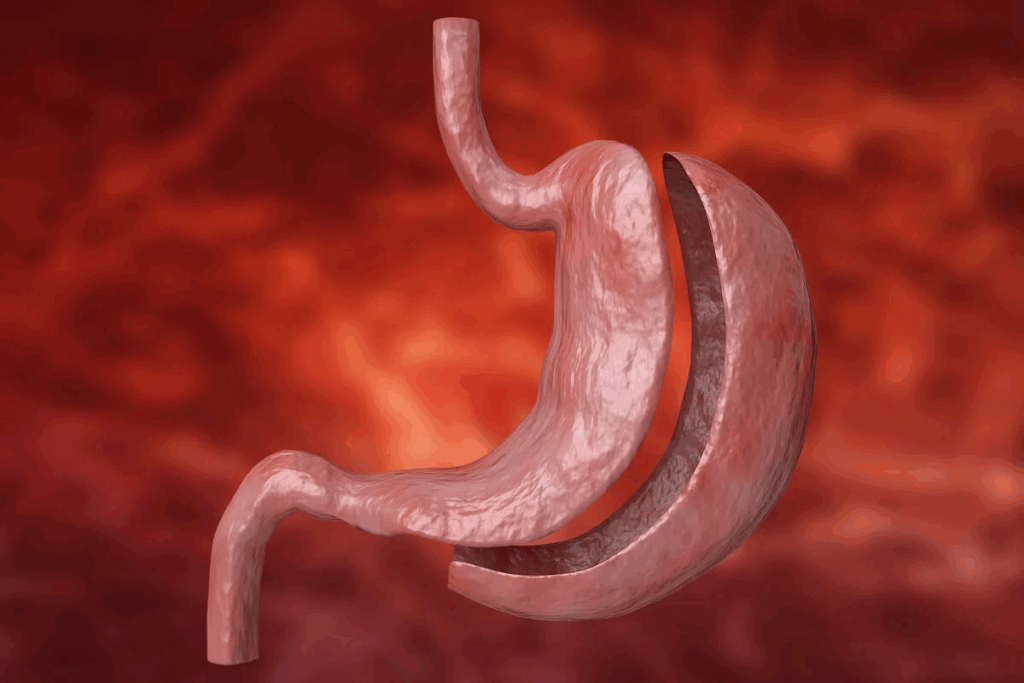
It’s important to know how gastric bypass surgery changes the body. This surgery makes a small pouch from the stomach and connects it to the small intestine. This big change affects how food is digested and absorbed.
Anatomical Alterations After Gastric Bypass
The surgery changes the stomach’s size and function. The small stomach pouch limits how much food you can eat. Food also bypasses part of the small intestine, affecting nutrient absorption. These changes can cause digestive problems, like foamies.
How These Changes Affect Digestion
The surgery slows down food movement through the stomach and intestines. This can make you feel full or uncomfortable. The small stomach pouch also means food isn’t mixed as well with digestive enzymes, leading to digestive issues.
Here’s a summary of how anatomical changes affect digestion:
Anatomical Change | Effect on Digestion |
Creation of a small stomach pouch | Reduces food intake, potentially leading to less thorough mixing with digestive enzymes |
Re-routing of food | Affects nutrient absorption due to bypassing a portion of the small intestine |
Slowing of food movement | Can cause feelings of fullness or discomfort |
The Body’s Adjustment Process
After gastric bypass surgery, the body adjusts to the new anatomy. This adjustment affects how the body digests and absorbs nutrients. It’s a period of significant physiological adaptation, where patients may face digestive symptoms, like foamies.
The adjustment time varies for everyone. But knowing these changes helps manage symptoms. By changing diet and lifestyle, patients can lessen digestive challenges from gastric bypass surgery.
Common Triggers of Foamies After Bariatric Surgery
Foamies are a common issue after bariatric surgery. They can be caused by different diet and eating habits. Knowing what triggers them is key to managing and preventing foamies.
Eating Habits That Cause Foamies
Certain eating habits can lead to foamies. These include:
- Eating too quickly: Swallowing air while eating can cause foamies.
- Taking large bites: Big bites are hard to swallow, leading to foamies.
- Not chewing enough: Poorly chewed food can cause foamies.
Changing these habits can help avoid foamies. We suggest eating more slowly and mindfully.
Problematic Foods and Beverages
Some foods and drinks are more likely to cause foamies. These include:
- Dense or hard-to-digest foods: Hard-to-digest foods can cause foamies.
- Carbonated beverages: Drinks like soda can introduce gas, leading to foamies.
Knowing which foods and drinks cause foamies helps patients make better choices. This can lower their risk of foamies.
By changing eating habits and food choices, patients can lower their risk of foamies after bariatric surgery.
Immediate Relief Strategies for Foamies
Foamies can be uncomfortable, but there are quick ways to feel better. These methods help ease symptoms and make patients more comfortable after surgery.
Physical Positioning Techniques
Changing how you sit or stand can help with foamies. Staying upright after meals can cut down on foamies. It’s good to sit or stand for at least 30 minutes after eating to stop foam in the stomach.
Also, elevating the head of the bed by 30 to 40 degrees can help at night. This keeps stomach contents from going up into the esophagus.
Hydration Methods That Help
Drinking water is key for foamies. Drinking plenty of water makes stomach contents thinner, easier to digest, and less likely to foam. We suggest drinking water all day, not just with meals.
Oral Hygiene Approaches
Good oral hygiene is also important for foamies. Regular brushing and flossing lowers mouth bacteria, which means less foam. Brush teeth at least twice a day, and after meals if you can.
Over-the-Counter Remedies
Over-the-counter remedies can also help with foamies. Products with simethicone can break up gas bubbles in the stomach, reducing foam. But, always talk to a healthcare provider before trying new medicines, even if they’re available without a prescription.
By using these quick relief strategies every day, bariatric patients can manage foamies better. This makes their recovery period more comfortable.
Dietary Modifications to Prevent Foamies
To avoid foamies after gastric bypass, it’s key to follow a special diet. Choosing the right foods and adjusting how you eat can help a lot.
Proper Food Preparation Techniques
After gastric bypass surgery, cooking food right is very important. We recommend using methods like steaming or boiling to make food easier to digest. Also, puree or finely chop foods that are hard to chew or digest.
Tips for Food Preparation:
- Cook food until it’s soft and easily mashed with a fork.
- Avoid frying foods, as they can be hard to digest.
- Use a blender or food processor to puree foods when necessary.
Meal Planning for Bariatric Patients
Good meal planning is essential for bariatric patients. It helps ensure they get the nutrients they need and lowers the risk of foamies. Plan meals ahead and choose foods that are full of nutrients.
Meal | Food Suggestions | Nutritional Benefits |
Breakfast | Oatmeal with fruit, scrambled eggs | High in fiber and protein |
Lunch | Grilled chicken, steamed vegetables | Rich in protein and vitamins |
Dinner | Baked fish, mashed sweet potatoes | Good source of omega-3 fatty acids and complex carbohydrates |
Safe Food Choices During Recovery
During recovery, picking the right foods is very important. Stick to soft, easy-to-digest foods and avoid those that can cause discomfort or problems.
Safe food options include:
- Yogurt
- Mashed bananas
- Applesauce
- Lean proteins like chicken or fish
Foods to Avoid Completely
Some foods can make foamies worse and should be avoided. These include:
- Carbonated beverages
- High-sugar foods and drinks
- Fatty or greasy foods
- Spicy foods that can irritate the stomach
By making smart food choices and eating habits, patients can greatly reduce foamies after gastric bypass surgery.
Developing Healthy Eating Habits Post-Surgery
After bariatric surgery, eating mindfully is key to feeling better. It’s important to eat in a way that supports your digestive health. This helps manage symptoms like foamies.
Mindful Eating Practices
Mindful eating means paying attention to how you eat and drink. It helps you know when you’re hungry or full. Eating slowly and enjoying your food can also help.
Try to eat without distractions, like turning off the TV or putting your phone away. Notice the tastes, textures, and smells of your food. Chew slowly and enjoy each bite. These habits can make eating a positive experience.
Proper Chewing Techniques
Good chewing is essential for digestion, more so after surgery. Your stomach is smaller, and food needs more chewing. This ensures food is broken down well.
Take small bites and chew each one 20-30 times before swallowing. This makes digestion easier and helps your body get the nutrients it needs.
Meal Timing and Portion Control
Controlling when and how much you eat is important after surgery. Eating smaller meals more often can help manage symptoms and support digestion.
Divide your daily calories into 3-5 main meals and 2-3 snacks, as your doctor suggests. Pay attention to how much you eat. Avoid eating too much, which can cause stomach discomfort.
Separating Food and Liquid Consumption
Drinking liquids with meals can cause discomfort and lead to foamies. It’s better to drink between meals to avoid these issues.
Drink liquids between meals, not with them. Wait at least 30 minutes after eating to drink. Avoid carbonated drinks, as they can make symptoms worse.
By following these healthy eating tips, you can manage foamies and support your recovery after bariatric surgery.
How Long Do the Foamies Last After Gastric Bypass?
Patients after gastric bypass often ask how long foamies will last. The time foamies last can differ a lot from person to person. It’s key to know what affects how long they stick around.
Typical Timeline for Recovery
Most people see foamies lessen over time, thanks to the right diet. It’s hard to say exactly when for everyone. But, most start feeling better in a few weeks to months after surgery.
Factors Affecting Duration
Several things can change how long foamies last after gastric bypass. These include:
- Dietary habits and food choices
- Hydration levels
- Overall health and presence of any underlying conditions
- Adherence to post-surgical dietary recommendations
Knowing and managing these factors can help shorten the time foamies last.
When to Expect Improvement
As the body gets used to the changes from gastric bypass, foamies should lessen. Most people see a drop in foamies in 6 to 12 weeks. But, this can vary.
Individual Variation in Recovery
Recovery and how long foamies last can differ a lot between people. Things like age, health, and surgery type can affect this.
To show the possible recovery timeline, here’s a table:
Timeframe | Expected Changes |
0-6 weeks | Initial adjustment period; foamies may be more frequent |
6-12 weeks | Noticeable reduction in foamies as dietary habits improve |
3-6 months | Significant decrease in foamies for most patients |
By knowing what affects foamies and following diet and lifestyle advice, patients can manage their recovery better.
When to Seek Medical Attention
Knowing when to get medical help for foamies after gastric bypass surgery is key. Foamies are usually managed with diet changes. But, some signs might mean you need urgent medical care.
Warning Signs of Complications
It’s important to know the warning signs of foamie complications. These include:
- Severe or persistent foamy vomit that doesn’t get better with diet changes
- Difficulty breathing or shortness of breath with foamies
- Chest pain or tightness when you have foamies
- Fever or chills with foamies
- Blood in the vomit or black, tarry stools
Distinguishing Between Normal Recovery and Problems
Telling normal recovery symptoms from problems can be hard. If foamies are bad, last a long time, or come with other scary signs, see a doctor.
Communication With Your Bariatric Team
Talking well with your bariatric team is key. We suggest:
- Keeping a symptom journal to track foamies and any triggers
- Telling your team about any scary symptoms or changes fast
- Asking about your recovery and any worries you have
Potential Medical Interventions
At times, you might need medical help for foamie problems. This could include:
- Medication changes to help with symptoms or find the cause
- Endoscopic procedures to check or fix any issues
- Dietary counseling to make your eating plan better and cut down foamies
If you’re worried about symptoms or have questions, talk to your bariatric team. We’re here to help you on your recovery path.
Lifestyle Adjustments Beyond Diet
There are many lifestyle changes that can help with foamies after gastric bypass surgery. These changes can work alongside diet changes to aid in recovery.
Physical Activity Considerations
Regular exercise is key for health and can help with foamies. Start with easy activities like walking or yoga. Then, slowly add more intense exercises as you get stronger. Always talk to your doctor before starting any new exercise.
Benefits of Physical Activity:
- Improves digestion
- Enhances overall well-being
- Supports weight management
Stress Management Techniques
Managing stress is important for those recovering from gastric bypass surgery. Try meditation, deep breathing, or mindfulness to lower stress. Find what works best for you.
Stress management techniques can significantly impact your recovery by reducing the physical and emotional strain on your body.
Technique | Description | Benefits |
Meditation | Practice mindfulness and focus on the present moment | Reduces stress, improves mental clarity |
Deep Breathing | Focus on slow, deliberate breaths to calm the mind | Lowers stress levels, promotes relaxation |
Sleep Positioning and Quality
Good sleep positioning and quality can help with foamies. Elevate your bed head and avoid lying flat on your back. A consistent sleep schedule and a calm sleep environment can also improve sleep.
Hydration Schedules
Staying hydrated is important for digestion and health. Drink water throughout the day, not all at once. Avoid drinking liquids with meals to prevent discomfort.
By making these lifestyle changes, patients can better manage foamies and support their recovery from gastric bypass surgery.
Patient Experiences and Success Stories
Every patient’s journey with foamies after gastric bypass surgery is unique. Yet, shared experiences offer valuable insights. Many have found success through dietary changes, lifestyle adjustments, and support from healthcare providers and groups.
Common Challenges and Solutions
Patients often struggle with identifying trigger foods and managing meal timing. They also face emotional challenges. Solutions include keeping a food diary, practicing mindful eating, and seeking professional help.
Some foods, like carbonated drinks or high-fat items, can worsen symptoms. Avoiding these can help reduce foamies.
Effective Coping Strategies
Effective strategies include dietary changes, stress management, and staying hydrated. Patients find success in eating smaller meals and avoiding liquids with meals.
Key Coping Strategies:
- Eating smaller, more frequent meals
- Avoiding trigger foods and beverages
- Staying hydrated between meals
- Practicing stress management techniques
Long-term Management Approaches
Managing foamies long-term requires lifestyle changes and ongoing support. Regular check-ups and support group participation are key.
Management Approach | Benefits |
Dietary Modifications | Reduces symptoms, improves overall health |
Regular Follow-ups | Provides ongoing support, monitors progress |
Support Groups | Offers community, shares experiences and advice |
Support Group Benefits
Support groups are vital for recovery, providing a community for sharing and learning. They offer emotional support, practical advice, and camaraderie.
“Joining a support group was one of the best decisions I made after my surgery. It helped me feel less alone and gave me practical tips for managing foamies.”
By sharing and learning from others, patients can better understand how to manage foamies. This improves their quality of life after surgery.
Conclusion
Managing foamies after gastric bypass surgery needs a mix of diet changes, healthy habits, and support. Knowing what causes and shows foamies helps patients take action. This can ease discomfort and aid in recovery.
Important steps include eating mindfully, choosing the right foods, and drinking plenty of water. Stress relief, exercise, and good sleep also help. These actions can lower foamies and improve health after surgery.
A detailed plan is key for a good recovery. We suggest patients team up with their healthcare team. Together, they can create a plan for managing foamies and reaching health goals.
FAQ
What are foamies after gastric bypass surgery?
Foamies are foamy saliva or spit some people get after gastric bypass surgery. It can be uncomfortable but knowing why it happens and how to manage it can help.
How long do foamies typically last after gastric bypass surgery?
How long foamies last varies from person to person. Symptoms often get better as the body adjusts to surgery. Diet, health, and how well the body adapts play a big role.
What triggers foamies after bariatric surgery?
Eating habits, certain foods, and drinks can trigger foamies. Foods hard to digest and carbonated drinks are common culprits. Knowing what to avoid is key.
How can I get immediate relief from foamies?
To get quick relief, try changing how you sit, brush your teeth, drink water, and use over-the-counter remedies. These steps can ease discomfort and reduce foamies.
What dietary modifications can help prevent foamies?
Eating mindfully, chewing well, and controlling portions can help. Also, eat solid foods first and drink liquids separately. Choose foods that are easy to digest.
When should I seek medical attention for foamies?
See a doctor if foamies are severe, cause swallowing trouble, or if you’re dehydrated. Your bariatric team can help tell if it’s normal or a problem.
Can lifestyle adjustments beyond diet help manage foamies?
Yes, being active, managing stress, getting enough sleep, and staying hydrated can help. These lifestyle changes work with diet to manage foamies.
Are there any long-term management approaches for foamies?
Long-term, stick to healthy eating, lifestyle changes, and talk to your bariatric team. Joining support groups can also offer helpful advice and strategies.
Why can’t I throw up after gastric bypass surgery?
Gastric bypass surgery changes your stomach and digestive tract. This makes vomiting harder. It’s a key part of helping you lose weight and stay healthy.
What are the symptoms of overeating after gastric bypass?
Overeating can cause discomfort, nausea, and foamies. To avoid these, eat in moderation and be mindful of your food.
Is foamy spit normal after gastric bypass?
Foamy spit is not normal after gastric bypass. But it’s common and can be managed with the right strategies.
How can I manage foamy saliva after gastric bypass?
To manage foamy saliva, make dietary and lifestyle changes. Stay hydrated, brush your teeth well, and avoid triggers. Medical help might also be needed.