Last Updated on November 17, 2025 by Ugurkan Demir

At Liv Hospital, we know how vital it is to tackle folate deficiency to avoid serious health issues. This deficiency can cause megaloblastic anemia and neurological problems. It’s also key for pregnant women to prevent neural tube defects through folic acid replacement.
Our folate deficiency treatment strategy is detailed. It includes folic acid supplements and tackling the root causes, like a bad diet or poor absorption. We aim to offer top-notch healthcare with full support for international patients.
Key Takeaways
- Folic acid supplements are key to stopping neural tube defects in pregnant women.
- Good treatment means fixing the reasons for folate deficiency.
- Most treatments use 1-5 mg of folic acid daily.
- A folate shortage can cause megaloblastic anemia and brain issues.
- Liv Hospital gives full care to patients from around the world.
Understanding Folate Deficiency and Its Impact
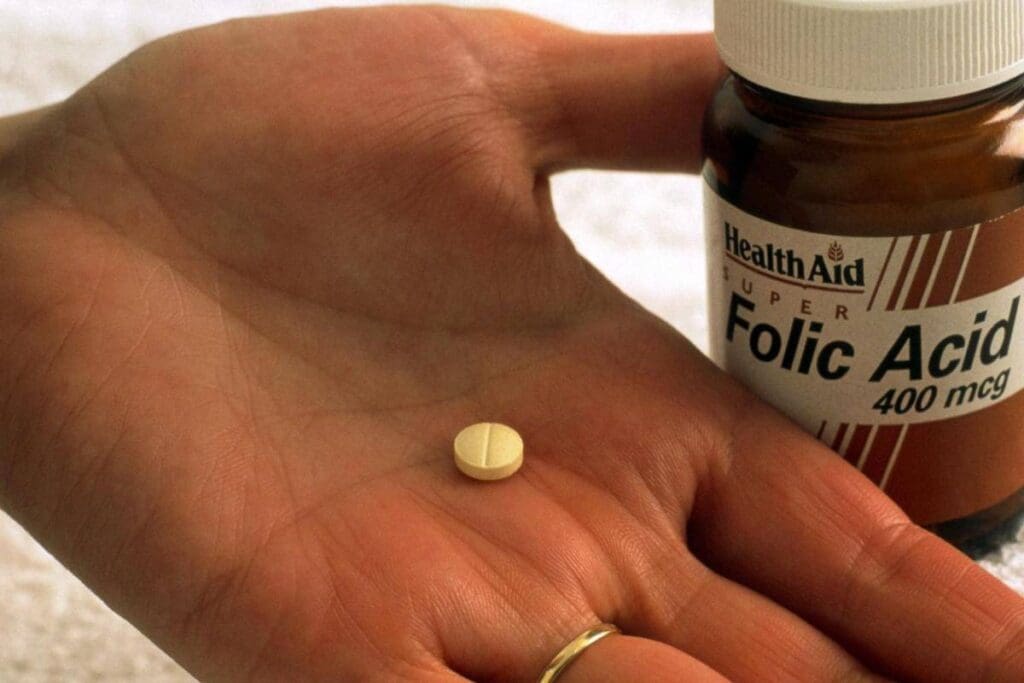
Folate, or vitamin B9, is key to many body functions. Its lack is a big health worry. Knowing about folate deficiency helps tackle its health effects.
What Is Folate and Why Is It Essential?
Folate is a water-soluble vitamin vital for DNA synthesis, repair, and methylation. It helps make red blood cells and keeps the nervous system healthy. Without enough folate, making healthy red blood cells is hard, causing health problems.
Prevalence and Risk Factors
Folate deficiency is a worldwide health problem. It affects many due to various risk factors. Pregnant women, people with gut issues, and those eating few folate-rich foods are at higher risk.
| Population Group | Risk Factors | Prevalence |
| Pregnant Women | Increased demand for folate | High |
| Individuals with Gastrointestinal Disorders | Malabsorption of folate | Moderate to High |
| Vegetarians/Vegans | Dietary lack of folate-rich animal products | Moderate |
Understanding folate deficiency is key to managing it. Knowing who’s at risk and why helps healthcare tackle it. This way, they can create better treatments.
Recognizing the Signs and Symptoms of Folate Deficiency

It’s important for doctors to know how folate deficiency shows up. This condition can cause a lot of health problems, from mild to serious. Spotting it early is key to treating it right.
Clinical Manifestations
Folate deficiency can show in many ways, making it hard to diagnose. Common signs are fatigue, weakness, and shortness of breath. These often mean someone has anemia.
People might also feel tingling or numbness in their hands and feet. They could have trouble walking or remembering things.
In serious cases, it can cause megaloblastic anemia. This is when red blood cells are too big and don’t work properly. It’s a big problem if not treated fast.
Laboratory Findings
Tests are key to finding out if someone has folate deficiency. Here are some important findings:
- Megaloblastic anemia: This is when red blood cells are too big.
- Hypersegmented neutrophils: This shows a problem with DNA making.
- Low serum folate levels: This directly shows folate deficiency.
- Elevated homocysteine levels: This can mean folate or vitamin B12 deficiency.
| Laboratory Test | Result Indicating Folate Deficiency |
| Serum Folate | Low levels ( |
| Red Blood Cell Folate | Low levels ( |
| Complete Blood Count (CBC) | Macrocytic anemia (MCV > 100 fL) |
| Neutrophil Segmentation | Hypersegmented neutrophils |
By knowing the signs and lab results of folate deficiency, doctors can start the right treatment. This helps avoid serious problems later on.
The Consequences of Untreated Folate Deficiency
Untreated folate deficiency can cause serious health problems. We will look at the risks, like megaloblastic anemia, heart disease, and pregnancy issues.
Megaloblastic Anemia Development
Megaloblastic anemia is a big problem from not having enough folate. It happens when the bone marrow makes big, bad red blood cells. These cells can’t carry oxygen well, causing tiredness and weakness.
Doctors can spot megaloblastic anemia with blood tests. If found, taking folic acid can help fix the problem and make red blood cells right again.
Elevated Homocysteine and Cardiovascular Risk
Not having enough folate can raise homocysteine levels in the blood. High homocysteine is linked to heart disease, like heart attacks and strokes.
- High homocysteine can harm blood vessel walls, making them more likely to block.
- It can also make blood clot more, raising the chance of heart problems.
- Folate can lower homocysteine levels and cut down heart disease risk.
Neural Tube Defects and Pregnancy Concerns
Folate is key to a baby’s growth in the womb. Not enough folate can lead to serious birth defects, like spina bifida.
Pregnant women or those trying to get pregnant should take folic acid. It’s most important early on when the baby’s neural tube is forming.
In short, untreated folate deficiency can cause serious problems. It’s important to know the signs and get help if needed. By understanding these risks, we can prevent and treat folate deficiency, improving our health.
Comprehensive Folate Deficiency Treatment Approach
Treating folate deficiency works best when you tackle it from all angles. At Liv Hospital, we use a strategy that fixes the deficiency and tackles its causes. This way, we ensure a complete recovery.
Overview of Treatment Strategies
Our treatment plan has several key parts. First, we suggest taking oral folic acid supplements. The dose varies from 1 to 5 mg daily, based on how severe the deficiency is and what each patient needs. This helps quickly fill up folate stores and ease symptoms.
Key elements of our treatment strategy include:
- Personalized folic acid dosing based on individual patient needs
- Identification and management of the underlying causes of folate deficiency
- Dietary counseling to promote folate-rich food consumption
- Monitoring for possible interactions with other medicines
Importance of Addressing Root Causes
It’s vital to find and fix the reasons behind folate deficiency for lasting results. We look at things like not getting enough folate, not being able to absorb it, and certain health issues or medicines. By dealing with these issues, we can stop the deficiency from coming back and make sure treatment works.
“The key to successful folate deficiency treatment lies not just in supplementing with folic acid, but in understanding and addressing the underlying causes of the deficiency.”
Liv Hospital Clinical Team
Expected Timeline for Recovery
How long it takes to get better from folate deficiency varies. It depends on how bad the deficiency is, how well the treatment works, and on the patient. Usually, people start feeling better in a few weeks. But it can take months to fully recover and fix any related health problems.
It’s important for patients to stick to their treatment plan and keep up with follow-up appointments. This helps us see how they’re doing and make any needed changes to their treatment.
Step 1: Comprehensive Medical Evaluation
To treat folate deficiency, we start with a detailed medical check-up. This first step is key to understanding the patient’s health and finding the right treatment.
Initial Assessment and History Taking
The first step is a thorough medical history and physical check-up. We learn about the patient’s diet, health history, and any symptoms they have.
This info helps us spot the reasons for folate deficiency. It also guides us in what tests to do next.
Diagnostic Testing Protocol
Our tests for folate deficiency include a complete blood count (CBC) and serum folate levels. Sometimes, we do more tests to check for other health issues.
| Test | Purpose | Expected Outcome |
| CBC | Identify anemia and other blood disorders | Normal or abnormal blood cell counts |
| Serum Folate | Measure folate levels in the blood | Normal or low folate levels |
| Additional Tests | Rule out other deficiencies or conditions | Varies based on individual patient needs |
Identifying Underlying Causes
Finding the real reasons for folate deficiency is vital for good treatment.
We look at things like diet, how well the body absorbs nutrients, certain medicines, and health conditions. Knowing the cause helps us tailor the treatment.
Step 2: Determining the Appropriate Folic Acid Dosage
Finding the right amount of folic acid is key to treating folate deficiency. It’s important to think about each patient’s needs. The aim is to fill up folate stores and fix the cause of the deficiency.
Standard Dosing Guidelines
The usual dose of folic acid for treating deficiency is 1-5 mg daily. This range helps in treating different levels of folate deficiency. A dose of 1 mg daily is often enough for simple cases of folate deficiency (Source). But the exact dose can change based on how severe the deficiency is and the patient’s health.
Special Populations and Adjusted Dosing
Some groups need different amounts of folic acid. For example, pregnant women might need more to help the baby grow and prevent birth defects. They might need up to 5 mg daily. Other groups, like those with malabsorption or taking certain drugs, might also need different doses. Doctors must look at each patient’s situation to find the best dose.
By picking the right dose of folic acid, doctors can treat folate deficiency well. They also reduce the chance of side effects. Keeping an eye on how the treatment is going and making changes as needed is very important for the best results.
Step 3: Implementing Oral Folic Acid Replacement Therapy
The third step in our treatment approach is starting oral folic acid replacement therapy. This is key to managing folate deficiency well.
Available Supplement Forms and Options
Oral folic acid supplements are available in different forms. They cater to various patient needs and preferences. You can find tablets, capsules, and liquid formulations.
Supplement Forms:
- Tablets: Convenient and widely available, tablets are the most common form of folic acid supplements.
- Capsules: Often preferred for their ease of swallowing, capsules are another popular option.
- Liquid Formulations: Ideal for patients who have difficulty swallowing pills, liquid formulations provide an alternative.
Administration Guidelines and Best Practices
To get the most out of oral folic acid replacement therapy, it’s important to follow the right administration guidelines.
| Administration Factor | Guideline |
| Dosage | Follow the recommended dosage as determined by your healthcare provider. |
| Timing | Take folic acid supplements at the same time daily, preferably with a meal to enhance absorption. |
| Duration | Continue supplementation for the duration recommended by your healthcare provider. |
Monitoring for Treatment Response
Regular monitoring is key to seeing how well oral folic acid replacement therapy is working. This helps make any needed changes.
Key Indicators:
- Improvement in symptoms such as fatigue and weakness.
- Normalization of red blood cell count and other relevant laboratory parameters.
- Adjustment of dosage based on treatment response and side effects.
By watching how the treatment is working, we can adjust it to fit each patient’s needs. This ensures the best results in managing folate deficiency.
Step 4: Addressing Underlying Causes of Deficiency
It’s important to tackle the root causes of folate deficiency to treat it well and stop it from coming back. This deficiency can come from diet, health issues, or some medicines.
Dietary Factors and Nutritional Counseling
What we eat greatly affects our folate levels. We suggest getting nutritional advice to learn about folate-rich foods. Foods like spinach, kale, chickpeas, black beans, and fortified cereals are good sources.
We help patients create a diet plan that fits their nutritional needs. This ensures they get enough folate.
Medical Conditions Associated with Folate Deficiency
Some health issues can make folate deficiency more likely. These include celiac disease, Crohn’s disease, and other gut problems that mess with nutrient absorption. Also, hemolytic anemia can raise folate needs.
| Medical Condition | Effect on Folate Levels |
| Celiac Disease | Impaired nutrient absorption |
| Crohn’s Disease | Malabsorption of folate |
| Hemolytic Anemia | Increased folate requirements |
Medication-Induced Folate Deficiency
Some medicines can mess with how our body uses folate. This includes certain drugs for seizures, antibiotics, and anti-inflammatory medicines. We check what medicines patients are taking to find out if they might be causing folate deficiency.
By fixing these underlying issues, we can make treatment more effective and lower the chance of folate deficiency coming back.
Step 5: Concurrent Vitamin B12 Assessment and Treatment
Managing folate deficiency requires checking and treating vitamin B12 levels at the same time. Vitamin B12 and folate work together in our bodies. A lack in one can affect the other.
The B12-Folate Relationship
Vitamin B12 and folate are key to making DNA and keeping our nerves healthy. If we don’t have enough vitamin B12, our bodies make more methylmalonic acid. This can cause serious health problems.
Using folate supplements without checking vitamin B12 levels can hide a B12 deficiency. This might lead to nerve damage. So, it’s important to check vitamin B12 levels when treating folate deficiency.
Preventing Neurological Complications
Checking and treating vitamin B12 levels is key to avoiding nerve problems. Vitamin B12 helps make myelin, which protects our nerves. Without enough B12, our nerves can get damaged.
This damage can cause numbness, weakness, and trouble walking. Treating B12 deficiency early helps keep our nerves healthy.
Combined Supplementation Approaches
In some cases, taking both folate and vitamin B12 together is needed. This is true for people who are lacking in both nutrients.
| Nutrient | Recommended Daily Dose | Clinical Benefit |
| Folic Acid | 1-5 mg | Corrects megaloblastic anemia, supports fetal development during pregnancy |
| Vitamin B12 | 2.4-2.6 mcg (dietary reference intake for adults) | Essential for neurological function, red blood cell formation |
Understanding how folate and vitamin B12 work together helps us find the best treatments. This approach improves health for both deficiencies.
Step 6: Dietary Modifications to Support Folate Levels
To support folate levels, making dietary changes is key. A balanced diet helps manage folate deficiency and prevents it from coming back.
Folate-Rich Foods to Incorporate
Eating foods high in folate is a simple way to increase your folate intake. Some folate-rich foods to add to your meals are:
- Leafy greens such as spinach and kale
- Legumes like chickpeas, black beans, and lentils
- Nuts and seeds, like peanuts and sunflower seeds
- Fresh fruits, like oranges, bananas, and melons
- Whole grains and fortified cereals
These foods are not just full of folate. They also have other important nutrients, making them great for a balanced diet.
Meal Planning for Optimal Folate Intake
Good meal planning is key to keeping folate levels right. Here are some tips for meal planning:
- Begin your day with a folate-rich breakfast, like oatmeal with fruit and nuts.
- Add legumes to your meals, such as beans in salads or lentil soup.
- Choose whole grains over refined ones to boost folate.
- Snack on folate-rich foods, like raw spinach with hummus or a banana.
By planning meals around these folate-rich foods, you can keep folate levels steady.
The Role of Fortified Foods
Fortified foods are important in preventing folate deficiency. They are great for people who don’t get enough fresh folate-rich foods. Many cereals, bread, and pasta are fortified with folic acid.
When you’re shopping, look for products labeled as “fortified with folic acid.” Adding these foods to your diet can fill nutritional gaps and support your health.
Step 7: Long-term Monitoring and Maintenance Therapy
After starting treatment for folate deficiency, the next step is important. We need to keep an eye on how well the treatment is working. This helps us catch any problems early and fix them fast.
Follow-up Testing Schedule
Regular tests are key to managing folate deficiency well over time. Here’s a suggested testing plan:
- First check-up: 1-2 months after starting treatment to see how it’s going
- Next tests: Every 6-12 months to keep an eye on folate levels
- Annual full health checks: To check overall health and adjust treatment if needed
Regular monitoring helps us adjust the treatment plan as needed. This ensures the person gets the right support for their health.
Indicators of Successful Treatment
Signs that treatment for folate deficiency is working include:
- Folate levels are returning to normal
- Symptoms of deficiency are getting better
- Preventing serious problems like megaloblastic anemia
A leading health expert says,
“Long-term monitoring is not just about preventing folate deficiency from coming back. It’s about keeping overall health and well-being in check.”
Prevention of Recurrence
To stop folate deficiency from coming back, we focus on:
- Sticking to the maintenance therapy
- Eating foods that help keep folate levels up
- Managing any health issues that might lead to a deficiency
By paying attention to these areas, we can lower the chance of folate deficiency coming back. This helps keep health strong over time.
Long-term monitoring and maintenance therapy are more than just managing a condition. They’re about improving life quality for those recovering from folate deficiency.
Conclusion: Achieving Optimal Outcomes in Folate Deficiency Management
Managing folate deficiency well needs a full plan. This includes giving folic acid, fixing the root cause, and keeping an eye on it over time. At Liv Hospital, we aim to give top-notch care for those with this issue. By taking the 7 main steps from this article, doctors can help their patients get better and stay healthy.
Adults need 400 mcg of folic acid every day. Pregnant women should take extra folic acid to avoid birth defects. For more details on folate deficiency and how to handle it,
FAQ
What is folate deficiency, and how is it treated?
Folate deficiency means your body doesn’t have enough folate. This vitamin is key to many body functions. To treat it, you need folic acid supplements and to fix the reasons why you’re lacking it.
What are the signs and symptoms of folate deficiency?
Signs include feeling tired, weak, and having pale skin. You might also breathe short. Blood tests can show if you have megaloblastic anemia or high homocysteine levels.
What are the consequences of untreated folate deficiency?
If not treated, folate deficiency can cause serious problems. These include megaloblastic anemia, heart disease, and issues during pregnancy like neural tube defects.
How is folate deficiency diagnosed?
Doctors diagnose it by checking your medical history and doing a physical exam. They also do blood tests like a complete blood count (CBC) and serum folate levels.
What is the appropriate folic acid dosage for treating folate deficiency?
The usual dose is 1-5 mg of folic acid each day. But some people might need more or less based on their health.
How is oral folic acid replacement therapy implemented?
You take folic acid supplements by mouth. Choose the right type and follow the instructions. Your doctor will check how well it’s working.
What dietary modifications can help support folate levels?
Eating foods high in folate is key. Plan your meals to get enough folate. Also, choose fortified foods to help keep folate levels up.
Why is concurrent vitamin B12 assessment and treatment important?
It’s important to check and treat vitamin B12 at the same time. This is because B12 and folate work together. It helps avoid nerve problems.
What is the expected timeline for recovery from folate deficiency?
Recovery time varies. It depends on how bad the deficiency is and how well treatment works. But most people start to feel better in a few weeks to months.
How is long-term monitoring and maintenance therapy performed?
Long-term care means regular blood tests. Your doctor will check if the treatment is working. They’ll also help you avoid getting folate deficiency again.
What is the role of addressing underlying causes in treating folate deficiency?
Fixing the reasons for folate deficiency is key. This includes diet, health conditions, and medicines. It helps treat the problem well and prevents it from coming back.
How can folate deficiency be prevented?
To prevent it, eat a balanced diet with plenty of folate. Know the risks and manage health issues that can lead to folate deficiency.
References
- Pietrzik, K., Bailey, L., & Shane, B. (2013). Folate deficiency and folic acid supplementation. Food and Nutrition Bulletin, 34(1), S33-S41. https://www.ncbi.nlm.nih.gov/pmc/articles/PMC3847759/
- Centers for Disease Control and Prevention. (2025). Folic acid: Facts for clinicians.https://www.cdc.gov/folic-acid/hcp/clinical-overview/index.html