Last Updated on November 26, 2025 by Bilal Hasdemir

Keeping your colon healthy is key for good digestion and avoiding diseases. Eating foods high in fiber is very important for a healthy bowel. Foods good for colon health.
Adding colon-friendly foods like fruits, veggies, legumes, and whole grains can really help your digestion. Also, eating foods with probiotics and prebiotics can boost your colon health even more.
Choosing the right foods can greatly improve your colon health and stop digestive problems. Liv Hospital offers advice based on science to help you live a healthier life.
Key Takeaways
- Including fiber-rich fruits and vegetables in your diet supports colon health.
- Probiotic-rich foods can aid in maintaining a healthy bowel.
- Whole grains are essential for a colon-friendly diet.
- A balanced diet can help prevent digestive disorders.
- Liv Hospital offers expert guidance on maintaining colon health.
The Critical Connection Between Diet and Colon Health
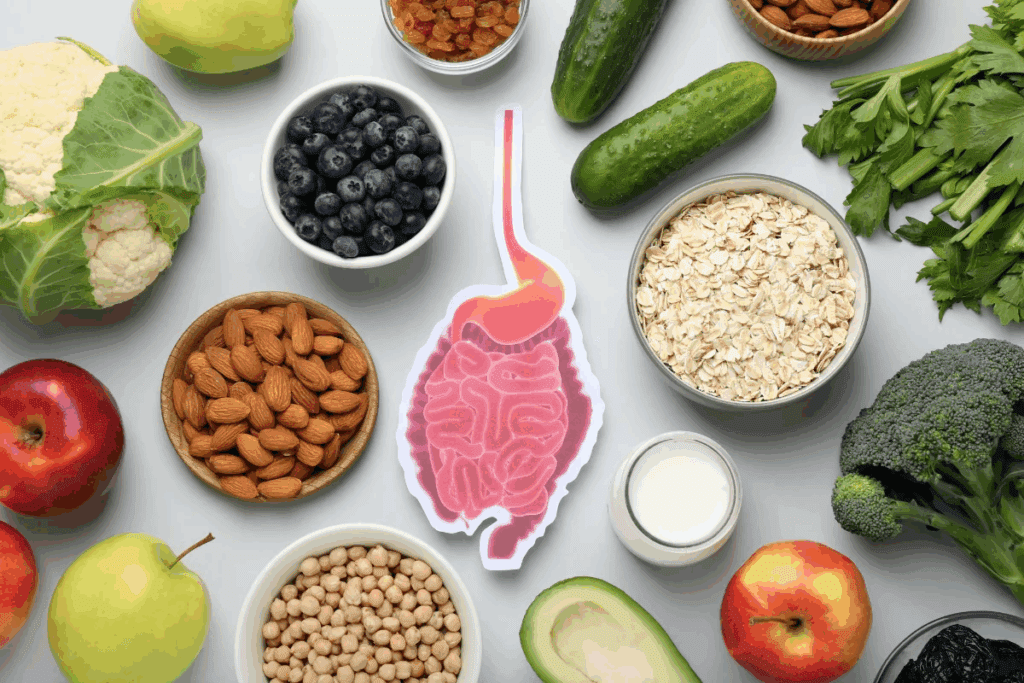
Diet is key to keeping the colon healthy. It affects how well we digest food and our risk of diseases. The colon helps us absorb water and salts and get rid of waste. Without the right nutrients, it can lead to health problems.
Understanding Colon Function and Disease Risk
The colon’s main job is to process waste and absorb nutrients. But, eating too much processed food and not enough fiber can cause problems. A diet full of fiber and probiotics can help by keeping bowel movements regular and supporting good gut bacteria.
Studies show that what we eat affects our colon health a lot. Eating red and processed meats can increase the risk of colon cancer. But, eating more fruits, veggies, and whole grains can lower this risk. Fiber is very important for regular bowel movements and preventing constipation.
How Dietary Choices Impact Digestive Wellness
What we eat is very important for our digestive health. Foods high in sugar and unhealthy fats can upset our gut bacteria, causing problems. But, foods full of fiber and antioxidants can help keep our gut healthy.
- Fruits and veggies are full of nutrients and fiber, which is good for the colon.
- Whole grains like brown rice and quinoa have complex carbs and fiber, helping digestion.
- Probiotic foods like yogurt and fermented veggies help our gut bacteria.
Making smart food choices can lower the risk of colon problems and improve digestion. A balanced diet and a healthy lifestyle are essential for a healthy colon and good digestion.
Foods Good for Colon Health: The Fiber Connection
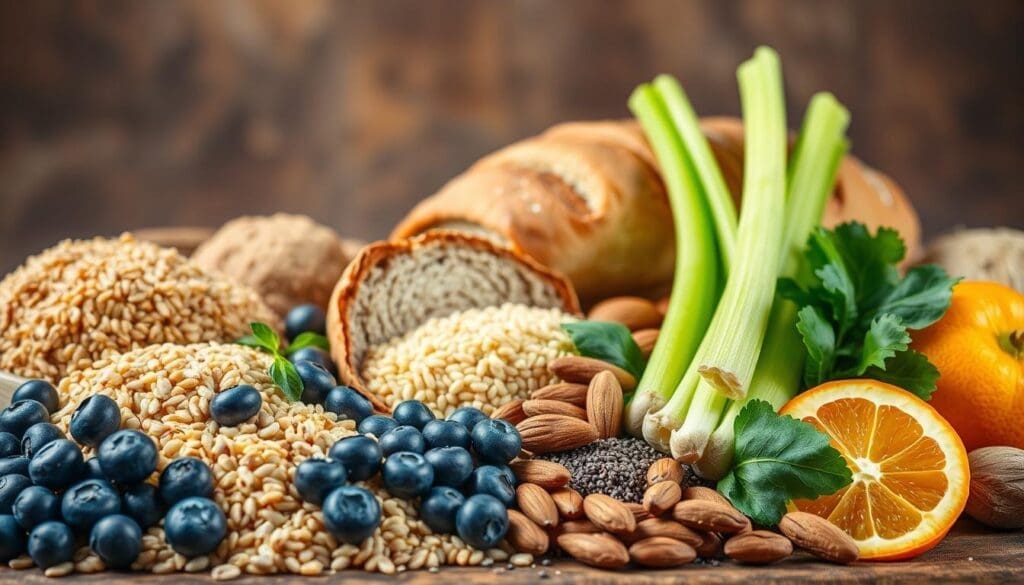
Fiber is key to a healthy colon, as studies show. Eating foods high in fiber helps keep your colon in top shape. It also helps prevent many digestive problems.
Why Dietary Fiber Is Essential for Bowel Function
Fiber is vital for your bowel health. It makes your stool bulkier and helps you go regularly. This can stop constipation and lower the chance of diverticulitis, a colon inflammation.
Fiber also helps good bacteria grow in your gut. This is important for a healthy gut microbiome.
Many foods are high in fiber and good for your colon. Fruits, vegetables, and whole grains are some examples. Apples have both kinds of fiber, and broccoli is full of insoluble fiber.
Soluble vs. Insoluble Fiber: Different Benefits for Colon Health
Fiber is split into two types: soluble and insoluble. Each type has its own benefits for your colon. Soluble fiber turns into a gel that softens your stool and helps you go regularly. Insoluble fiber adds bulk to your stool, making it easier to pass through your digestive system.
| Fiber Type | Benefits | Food Sources |
| Soluble Fiber | Softens stool, promotes regular bowel movements | Oats, barley, nuts, seeds, apples, berries |
| Insoluble Fiber | Adds bulk to stool, aids in preventing constipation | Broccoli, carrots, whole wheat, bran, potatoes |
Both soluble and insoluble fiber are important for a healthy colon. Eating a variety of fiber-rich foods supports your digestive health. It also lowers the risk of colon-related diseases.
Berries and Fruits That Protect Your Digestive System
Eating fruits like berries and apples is key for a healthy gut. They taste great and are full of nutrients that help your colon health. Adding them to your meals can greatly improve your digestive health.
Berries: Antioxidant-Rich Defenders Against Colon Inflammation
Berries like blueberries, strawberries, and raspberries are rich in antioxidants. These antioxidants protect your colon from inflammation and damage. They fight off free radicals that can harm colon cells.
Berries also have a lot of fiber. Fiber helps keep your bowel movements regular. It prevents constipation and reduces the chance of diverticulitis. Plus, their antioxidants and phytochemicals have anti-inflammatory effects, which is good for your colon.
Apples: How Pectin Supports Regular Bowel Movements
Apples are great for your colon, thanks to their pectin content. Pectin is a soluble fiber that feeds the good bacteria in your gut. This promotes a healthy gut microbiome, leading to better digestion and regular bowel movements.
The pectin in apples also makes stool softer and easier to pass. This reduces the risk of constipation. Apples also have antioxidants and polyphenols that fight inflammation in the colon. This supports your overall digestive health.
Adding berries and apples to your diet is easy. You can mix them into cereal, blend them into smoothies, or enjoy them as a snack. By making them a regular part of your meals, you can help keep your colon healthy and support your digestive wellness.
Cruciferous Vegetables: Powerful Allies for Colon Protection
Adding cruciferous vegetables to your meals is key for colon health. These veggies are packed with nutrients that help keep your colon healthy. They also lower the risk of colon diseases.
Sulforaphane and Its Anti-Cancer Properties
Broccoli stands out for its sulforaphane, a compound with strong anti-cancer effects. Sulforaphane helps fight colon cancer by stopping cancer cells from growing and causing cell death. This makes broccoli a great choice for a healthy colon.
Additional Cruciferous Benefits
Cauliflower and Brussels sprouts also boost colon health. They’re full of fiber and phytochemicals that fight inflammation. These veggies keep your gut microbiome healthy, which is vital for digestion and colon health.
To get the most from these veggies, try different cooking methods. Steam, roast, or sauté them to add variety to your meals.
| Cruciferous Vegetable | Nutritional Benefits | Colon Health Benefits |
| Broccoli | High in sulforaphane, fiber, and vitamins | Anti-cancer properties, supports healthy gut microbiome |
| Cauliflower | Rich in fiber, vitamins, and phytochemicals | Anti-inflammatory effects, supports digestive health |
| Brussels Sprouts | High in fiber, vitamins, and antioxidants | Supports healthy gut microbiome, anti-cancer properties |
Eating a variety of cruciferous veggies can greatly improve your colon health. They are among the best foods for a healthy colon. Make sure to include them in your diet for better digestive health.
Leafy Greens That Support Digestive Wellness
Eating leafy greens can help keep your digestive system healthy. These foods are full of fiber, vitamins, and minerals. They support your colon and overall health.
Spinach: Nutrient Density and Anti-Inflammatory Effects
Spinach is a top choice for leafy greens. It’s loaded with fiber, vitamins, and minerals. These help with regular bowel movements and prevent constipation.
Spinach also has anti-inflammatory compounds. These can reduce inflammation in your digestive tract.
Key nutrients in spinach:
- Fiber: Supports healthy bowel movements
- Antioxidants: Protects against cell damage
- Vitamin K: Essential for blood clotting and bone health
Kale and Collard Greens: Chlorophyll and Detoxification Benefits
Kale and collard greens are great for your colon. They’re full of chlorophyll, which helps detoxify your body. They also support the growth of good gut bacteria.
| Leafy Green | Nutrient Content | Benefit |
| Spinach | High in Fiber and Antioxidants | Promotes Regular Bowel Movements and Reduces Inflammation |
| Kale | Rich in Vitamins A, C, and K | Supports Immune Function and Bone Health |
| Collard Greens | High in Fiber and Chlorophyll | Supports Detoxification and Healthy Gut Bacteria |
It’s easy to add these greens to your meals. Blend spinach into smoothies, sauté kale with garlic, or add collard greens to soups and stews. This way, you’ll boost your digestive health and support a healthy colon.
Legumes and Beans for Optimal Bowel Function
Legumes and beans are packed with nutrients that help your bowel function. They are full of dietary fiber, protein, and essential nutrients. Eating these foods can boost your digestive health.
Lentils: Protein-Fiber Combination for Digestive Health
Lentils are great because they have both protein and fiber. This makes them perfect for your colon health. The fiber in lentils helps keep your bowel movements regular, preventing constipation and colon disorders.
The protein in lentils also helps your digestive health. It gives your body the building blocks it needs to fix and keep your digestive tract healthy.
Black Beans and Chickpeas: Prebiotic Effects on Gut Microbiome
Black beans and chickpeas are full of fiber and prebiotics. These prebiotics feed the good bacteria in your gut. This is key for a healthy digestive system and overall health.
Eating black beans and chickpeas can help your healthy gut microbiome. This makes it easier for your body to digest food and absorb nutrients.
Adding legumes and beans to your diet is a smart move for your colon health diet. They are easy to add to many dishes, like soups, stews, salads, and main courses. By making them a regular part of your meals, you can help keep your bowel healthy and support your digestive wellness.
Whole Grains That Enhance Colon Health
Whole grains are key for a healthy colon. They give us fiber and nutrients. Eating a variety of whole grains boosts digestive health and overall well-being.
Beta-Glucans in Oats: A Key to Cholesterol Reduction
Oats are full of beta-glucans, a soluble fiber that lowers cholesterol. This helps the heart stay healthy, which is good for the colon. Oats also control blood sugar and make you feel full, aiding digestion.
Nutritional Benefits of Brown Rice and Quinoa
Brown rice and quinoa are great for the colon. Brown rice has lots of fiber, helping with bowel movements and avoiding constipation. Quinoa is a complete protein, with all nine amino acids the body needs. This makes quinoa a top choice for better nutrition and colon health.
| Whole Grain | Fiber Content | Nutritional Benefits |
| Oats | High in soluble fiber (beta-glucans) | Lowers cholesterol, regulates blood sugar |
| Brown Rice | High in insoluble fiber | Promotes regular bowel movements, prevents constipation |
| Quinoa | Good source of dietary fiber | Complete protein, supports overall nutrition |
Adding whole grains to your diet is easy. Try swapping refined grains for whole grains. Choose brown rice over white rice and oatmeal or quinoa for breakfast. Try new recipes with whole grains to make your diet more fun and varied.
Probiotic Powerhouses for Gut Microbiome Balance
Keeping your gut microbiome healthy is key for good digestion. Foods rich in probiotics help a lot. They keep your gut balanced, which is good for digestion, your immune system, and even your mind.
Yogurt: Live Cultures That Strengthen Intestinal Flora
Yogurt is famous for its probiotics. It has live cultures that boost your gut’s health. The probiotics in yogurt, like Lactobacillus acidophilus and Bifidobacterium bifidum, make your gut stronger and help your immune system.
Fermented Foods: Kimchi, Sauerkraut, and Kefir Benefits
Foods like kimchi, sauerkraut, and kefir are full of probiotics. They’re great for your gut. Kimchi, a Korean dish, has lots of good bacteria. Sauerkraut is full of vitamins and helps with digestion. Kefir, a fermented milk, has many probiotics and yeasts that are good for your gut.
Comparison of Probiotic-Rich Foods
| Food | Probiotic Content | Benefits |
| Yogurt | Lactobacillus acidophilus, Bifidobacterium bifidum | Supports gut barrier function, modulates immune system |
| Kimchi | Lactic acid bacteria | Supports gut microbiome balance, rich in vitamins and minerals |
| Sauerkraut | Lactic acid bacteria | Aids in digestion, rich in vitamins and minerals |
| Kefir | Diverse range of probiotic bacteria and yeasts | Supports gut health, enhances immune function |
Eating these probiotic foods can really help your gut. It’s good for your digestion and overall health. It’s part of the best diet for colon health.
Anti-Inflammatory Foods That Soothe the Digestive Tract
Certain foods have strong anti-inflammatory effects. They can calm the digestive tract and boost colon health. Adding these foods to your diet can lessen inflammation and improve digestion.
Sweet Potatoes: Fiber, Antioxidants, and Gut Health
Sweet potatoes are full of fiber and antioxidants. They are great for colon health. The fiber helps with regular bowel movements and prevents constipation. The antioxidants fight oxidative stress and inflammation in the digestive system.
Nutritional Benefits of Sweet Potatoes
| Nutrient | Amount per 100g | Benefit |
| Dietary Fiber | 2.4g | Supports regular bowel movements |
| Vitamin A | 120% DV | Antioxidant properties |
| Antioxidants | Varies | Reduces oxidative stress |
Fatty Fish: Omega-3s and Their Protective Effects on the Colon
Fatty fish like salmon and sardines are packed with omega-3s. These healthy fats have strong anti-inflammatory effects. They can lessen inflammation in the digestive tract and support colon health.
Benefits of Omega-3s for Colon Health
- Reduces inflammation in the digestive tract
- Supports the health of the colon lining
- May reduce the risk of colon cancer
Eating anti-inflammatory foods like sweet potatoes and fatty fish can greatly improve colon health. By choosing the right foods, you support your body’s defenses and help keep your digestive system healthy.
Nutrient-Dense Superfoods for Enhanced Colon Protection
Adding nutrient-dense superfoods to your meals can boost colon health. These foods are packed with nutrients, fiber, and healthy fats. They help keep your digestive system running smoothly and support a healthy gut.
Avocados: Healthy Fats and Fiber Working Together
Avocados are full of healthy fats and fiber, making them great for your colon. The fiber helps you go to the bathroom regularly and avoid constipation. The healthy fats also help your body absorb important nutrients.
A study in the Journal of Nutrition found that eating avocados can improve gut health. It also lowers the risk of colon cancer.
“Avocado intake was found to modify the gut microbiota and improve metabolic health in a randomized controlled trial.”
Flax Seeds and Chia Seeds: Omega-3s and Lignans for Digestive Health
Flax seeds and chia seeds are loaded with omega-3s and lignans. These nutrients are good for your colon. The omega-3s reduce inflammation in your digestive system. The lignans act as antioxidants, protecting your colon from damage.
| Nutrient | Flax Seeds | Chia Seeds |
| Omega-3 Content | High | High |
| Lignan Content | High | Moderate |
| Fiber Content | High | Very High |
Eating these superfoods can greatly improve your colon health. They support your digestive system and overall health.
Conclusion: Creating a Comprehensive Colon Health Diet Plan
A well-balanced colon health diet is key for a healthy bowel and good digestion. Eating the right foods can greatly improve your colon health and lower the chance of digestive problems.
To make a good healthy bowel diet, eat lots of whole foods. This includes fruits, veggies, whole grains, legumes, and lean proteins. Foods like berries, cruciferous veggies, leafy greens, and probiotics like yogurt and kefir are great for your colon.
A diet for good colon health should also have foods high in fiber. Think oats, brown rice, and avocados. These help with regular bowel movements and support good gut bacteria.
Choosing the right foods and adding them to a balanced diet is a smart way to keep your colon healthy. It’s a step towards better overall health and well-being.
FAQ
What are colon friendly foods?
Colon friendly foods help keep the colon healthy. They include fiber-rich fruits and veggies, probiotics, and whole grains. These foods support a healthy bowel and digestive system.
How does diet impact colon health?
What you eat greatly affects your colon health. Eating lots of fiber, fruits, and veggies can prevent diseases. But, eating too much processed food can raise your risk.
What is the role of dietary fiber in colon health?
Fiber is key for a healthy bowel. It helps move waste, prevents constipation, and supports good gut bacteria. Soluble and insoluble fiber each offer unique benefits.
Which fruits are beneficial for colon health?
Berries, apples, and pears are great for the colon. They’re full of fiber and antioxidants. Berries, in particular, fight inflammation.
What are the benefits of cruciferous vegetables for colon health?
Vegetables like broccoli and cauliflower have sulforaphane. This compound fights cancer and boosts colon health.
How do leafy greens support colon health?
Leafy greens like spinach are packed with nutrients. They also have antioxidants and chlorophyll, which detoxifies.
What is the role of legumes and beans in colon health?
Legumes and beans are high in protein and fiber. They’re great for the colon and support gut health.
How do whole grains support colon health?
Whole grains like oats are full of fiber. This helps with bowel movements and digestive health.
What are probiotic-rich foods, and how do they support colon health?
Foods like yogurt have live cultures. These cultures strengthen gut bacteria and balance the microbiome.
How can I create a complementary colon health diet plan?
A good diet plan includes fiber-rich foods, probiotics, and whole grains. Avoid processed foods and drink plenty of water.
What are some nutrient-dense superfoods that support colon health?
Superfoods like avocados are rich in healthy fats and fiber. They’re great for a colon health diet.
How do anti-inflammatory foods support colon health?
Foods like sweet potatoes have antioxidants. They soothe the digestive tract and support colon health.
References
- Vallis, J. (2022). The role of diet and lifestyle in colorectal cancer prevention. Nutrition and Cancer, 74(5), 1197–1205. https://www.ncbi.nlm.nih.gov/books/NBK585999/