Last Updated on October 21, 2025 by mcelik
Melatonin is called the “sleep hormone” because it’s produced by the pineal gland and helps us sleep and wake up. Studies show that eating foods high in melatonin can help us sleep better. At LivHospital, we know how important good food is for health, including sleep.
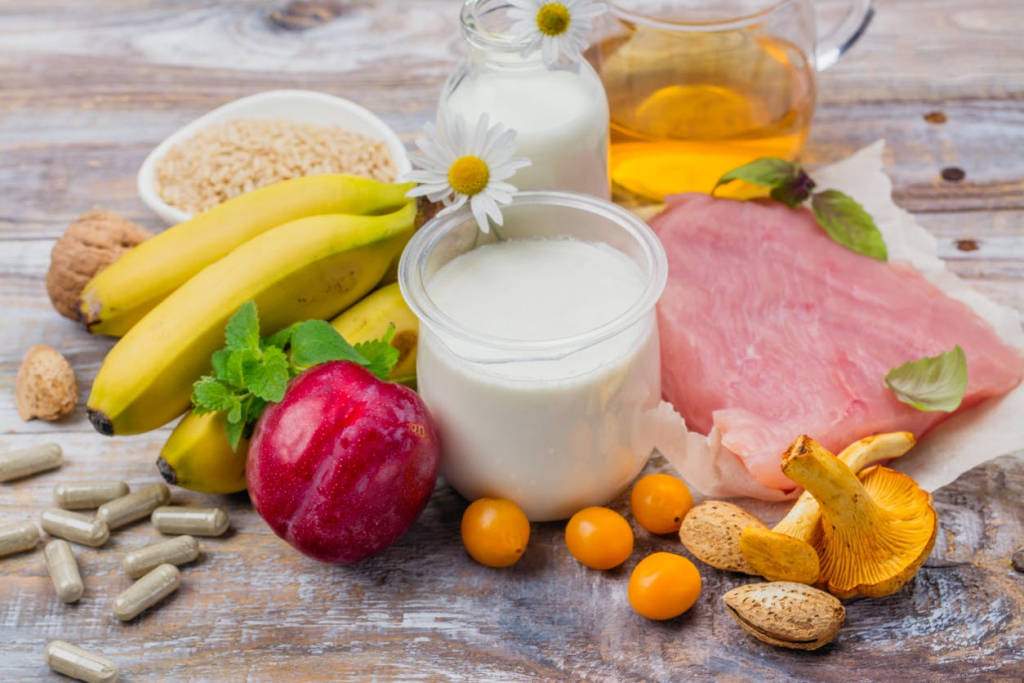
Eating melatonin-rich foods can make your sleep better. These foods help you sleep well and feel good overall. We aim to give top-notch care by focusing on how food helps us stay healthy.
Key Takeaways
- Melatonin is a hormone that regulates sleep-wake cycles.
- Consuming melatonin-rich foods can support healthy sleep patterns.
- Nutrition plays a critical role in achieving overall wellness.
- Incorporating melatonin-rich foods into your diet can improve sleep quality.
- LivHospital emphasizes nutrition-based solutions for overall well-being.
The Science of Melatonin and Sleep
Melatonin is key to our health. It’s a hormone made by the pineal gland in our brain. It helps control when we sleep and wake up.
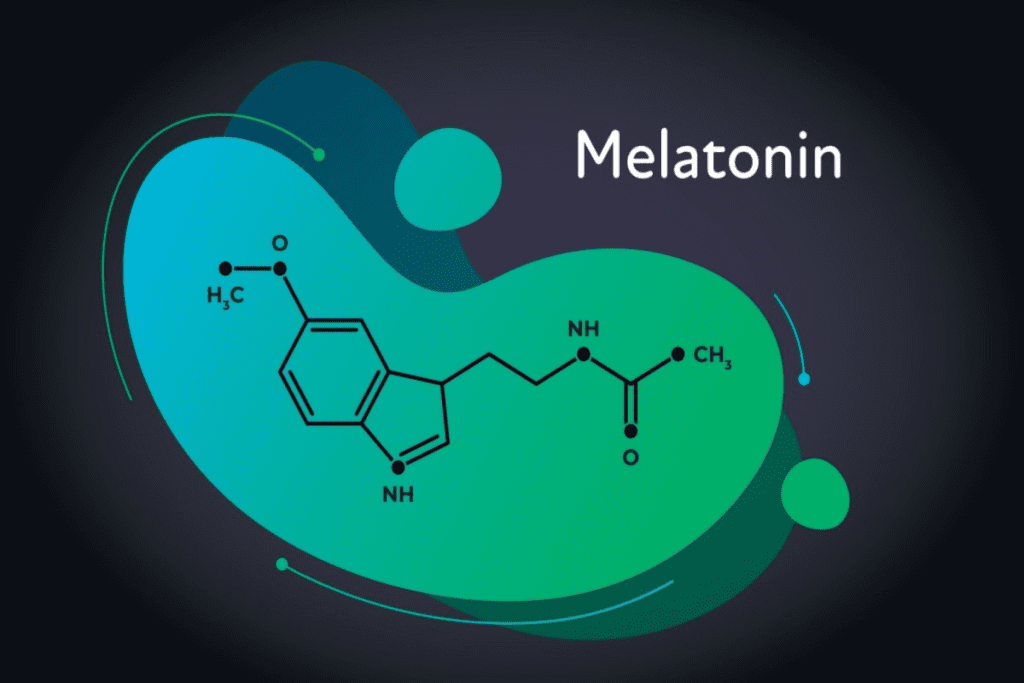
What Melatonin Does in Your Body
Melatonin regulates our sleep patterns. It responds to light and dark. When it’s dark, our body makes more melatonin. When it’s light, it stops.
This helps our body know when to sleep and when to be awake. Melatonin also has antioxidant properties and can boost our immune system. Knowing what melatonin does helps us see why sleep is so important.
Dietary vs. Supplemental Melatonin
We can get melatonin from food or supplements. Melatonin supplements, like gummies, are popular for sleep issues. But, it’s important to know the difference between food and supplements.
Foods with melatonin can naturally boost our levels. Supplements give a stronger dose. Always talk to a doctor before taking melatonin, including dog melatonin.
Studies show melatonin supplements are usually safe. But, they can affect some medicines. So, knowing how melatonin works is key for safe use.
How the Pineal Gland Produces Melatonin
The pineal gland is key to our sleep-wake cycle, making melatonin. It’s a small gland in the brain that controls our sleep patterns.
Melatonin production starts when it’s dark. The pineal gland releases this hormone into our blood, making us feel sleepy. This is important for a healthy sleep cycle.
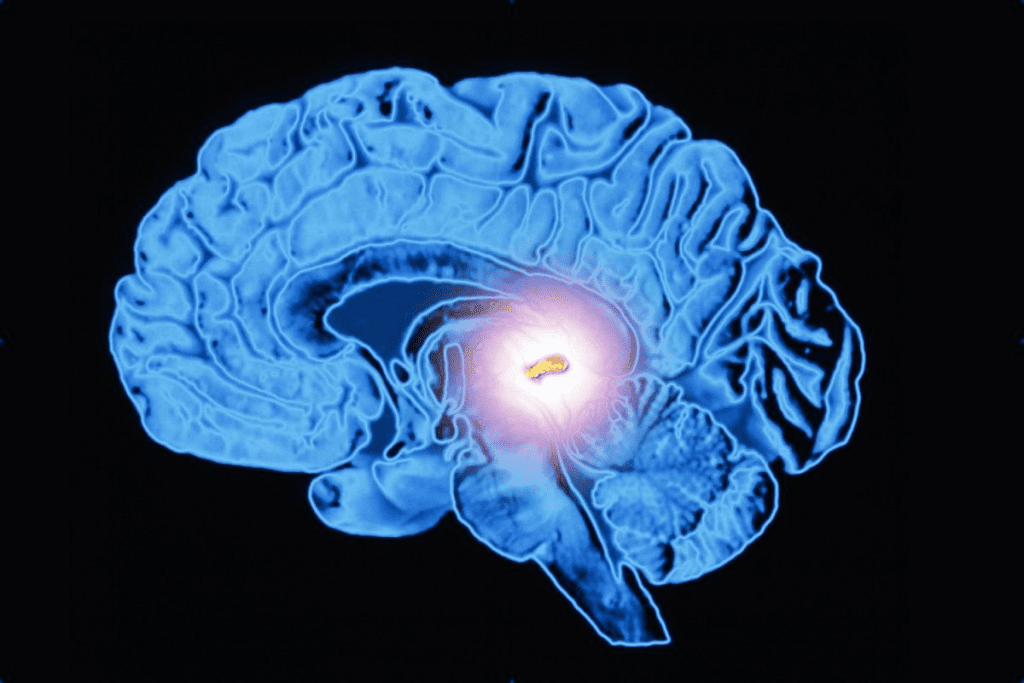
The Pineal Gland’s Role in Sleep-Wake Cycles
The pineal gland is like our internal clock. It controls our sleep-wake cycle with melatonin. When daylight goes away, it starts making melatonin, helping us sleep.
This natural process is essential for our health and well-being. Problems with this cycle can cause sleep disorders and other health issues.
Key factors that influence the pineal gland’s function include:
- Light exposure: Darkness triggers melatonin production.
- Age: Melatonin production decreases with age.
- Sleep patterns: Irregular sleep patterns can affect melatonin production.
Factors That Affect Your Natural Melatonin Production
Many things can change how much melatonin we make. Knowing these can help us sleep better.
For example, too much artificial light, like from screens, can lower melatonin. Keeping a regular sleep schedule and a good sleep environment also helps.
“Melatonin production is a complex process influenced by various factors, including light exposure and age. Understanding these factors can help individuals take steps to improve their sleep quality.”
Nuts and Seeds: Top Melatonin Sources
Eating nuts and seeds can help you sleep better. They are easy to snack on and full of melatonin. This makes them great for a diet that helps you sleep well.
Pistachios: The Highest Plant Source
Pistachios have the most melatonin among nuts. A handful of pistachios before bed can help you sleep better. Studies show pistachios are a key plant source of melatonin.
Almonds and Walnuts for Better Sleep
Almonds and walnuts are also good for sleep. Adding these nuts to your evening snack can help your sleep cycle. They are also full of healthy fats and antioxidants.
Flaxseeds and Sunflower Seeds
Seeds like flaxseeds and sunflower seeds are also melatonin-rich. Flaxseeds are known for omega-3 fatty acids and fiber, along with melatonin. Sunflower seeds offer a crunchy snack with vitamins and minerals, plus melatonin.
Adding different melatonin-rich nuts and seeds to your diet can improve sleep. It’s important to eat them as part of a balanced diet for the best sleep benefits.
Fruits That Naturally Boost Melatonin
Many people use supplements for melatonin, but fruits can be a natural alternative. Adding these fruits to your diet can help support your sleep. It’s a tasty way to improve your sleep health.
Tart Cherries and Cherry Juice: Clinical Evidence
Tart cherries and their juice may help improve sleep by boosting melatonin. Studies show that tart cherry juice increases melatonin, leading to better sleep. This makes tart cherry juice a great natural remedy for sleep issues.
Research supports tart cherry juice for better sleep. It helps regulate sleep patterns. This makes it easier to fall and stay asleep at night.
Goji Berries: Ancient Sleep Aid
Goji berries have been used for centuries to aid sleep and improve well-being. They are full of antioxidants and help increase melatonin. Eating goji berries may improve your sleep quality.
Other Fruits With Melatonin Content
Other fruits also have melatonin or support its production. While the amounts vary, they can help promote better sleep. Fruits like bananas, pineapples, and oranges are good examples. Eating a variety of fruits can support sleep health.
In conclusion, many fruits can naturally boost melatonin and improve sleep. Adding these fruits to your diet can help you sleep better and feel better overall.
Animal-Based Melatonin Sources
Many people look to plant-based sources for melatonin. But animal-based foods also have a lot of this hormone. We’ll look at the animal foods that can help you sleep better.
Fatty Fish: Salmon and Tuna
Fatty fish are tasty and full of melatonin. Salmon and tuna are great for getting more melatonin. They’re also packed with omega-3s, which are good for your heart and sleep.
People often wonder “how do fish sleep” because they don’t have eyelids. But, fish do rest and eat less during certain times. Eating them can help us sleep better too.
Milk and Dairy Products
Milk and dairy products also have melatonin. Studies show that milk before bed helps older adults sleep better. Milk’s melatonin and tryptophan make it a good drink before bed.
Other dairy like yogurt and cheese have melatonin too. But, how much depends on how they’re made.
Adding these animal foods to your diet can help you sleep better. Enjoying grilled salmon or a warm glass of milk before bed can be a natural way to rest better.
Grains, Mushrooms, and Other Plant Sources
Many know about melatonin in fruits and nuts. But grains and mushrooms also have it. Adding these to your diet can help you sleep better.
Oats and Rice: Staple Foods With Melatonin
Oats and rice are more than just carbs. They also have melatonin. Oats are great for breakfast, helping set a good sleep cycle. Eating oats can boost melatonin, leading to better sleep.
Rice, too, has melatonin, making it good for sleep. Some types are better than others.
Mushroom Varieties High in Melatonin
Some mushrooms are not only tasty but also full of melatonin. Reishi, Shiitake, and Chaga mushrooms are good examples. Adding them to meals can boost melatonin.
For example, Reishi in soups or Shiitake in stir-fries is both tasty and sleep-friendly.
How Food Processing Affects Melatonin Content
Food processing changes melatonin levels. Techniques like milling and cooking can either keep or lose melatonin. Milling grains can remove some melatonin, while cooking can keep or increase it.
Knowing how processing affects melatonin can help you choose better sleep foods.
By eating a variety of melatonin-rich foods and understanding processing, we can improve our sleep.
Conclusion: Creating a Melatonin-Rich Diet for Better Sleep
Eating foods rich in melatonin can help you sleep better. Nuts, seeds, fruits, fatty fish, and some grains and mushrooms are good choices. They help your body make more melatonin.
Adding these foods to your diet can help you sleep well without needing supplements. Try different options to see what works best for you.
Choosing the right foods can improve your sleep quality. A diet rich in melatonin, along with a healthy lifestyle, leads to better sleep and more energy.
FAQ
What is melatonin, and how does it affect sleep?
Melatonin is a hormone that helps control when we sleep and wake. It’s made by the pineal gland. It makes us feel sleepy and keeps our sleep good.
Can dietary sources of melatonin improve sleep quality?
Yes, eating foods rich in melatonin can help you sleep better. Nuts, seeds, fruits, and some animal products are good sources.
What are some examples of melatonin-rich foods?
Foods high in melatonin include pistachios, almonds, walnuts, and tart cherries. Goji berries, salmon, tuna, oats, and rice are also good.
How does melatonin supplementation compare to dietary sources?
Supplements can help some people sleep better. But, eating foods with melatonin is more natural. Always talk to a doctor before taking supplements.
Can dogs benefit from melatonin supplements?
Yes, melatonin can help dogs with sleep or anxiety issues. But always check with a vet to make sure it’s safe and right for your dog.
How does the pineal gland produce melatonin, and what factors influence this process?
The pineal gland makes melatonin when it’s dark and stops when it’s light. Things like light, sleep, and health can change how much melatonin is made.
What is the difference between melatonin and melanin?
Melatonin helps us sleep, while melanin gives color to our skin and hair. They are two different things with different jobs in our bodies.
Can boosting high-protein diets impact melatonin levels?
There’s not much research on high protein diets and melatonin. But, eating a balanced diet with melatonin-rich foods can help sleep.
How do fish sleep, and can they be a source of melatonin?
Fish sleep differently from humans. They can rest while staying alert. Fatty fish like salmon and tuna have melatonin and can help you sleep.
Are there any melatonin-rich grains or mushrooms that can support sleep?
Yes, grains like oats and rice, and some mushrooms, have melatonin. Adding these to your diet can help sleep better.
How does food processing affect melatonin content in foods?
Processing can change how much melatonin is in food. Eating whole, unprocessed foods can help you get more melatonin.
References
- Meng, X., et al. (2017). Dietary sources and bioactivities of melatonin. Nutrients, 9(4), Article 367.