Last Updated on November 17, 2025 by Ugurkan Demir
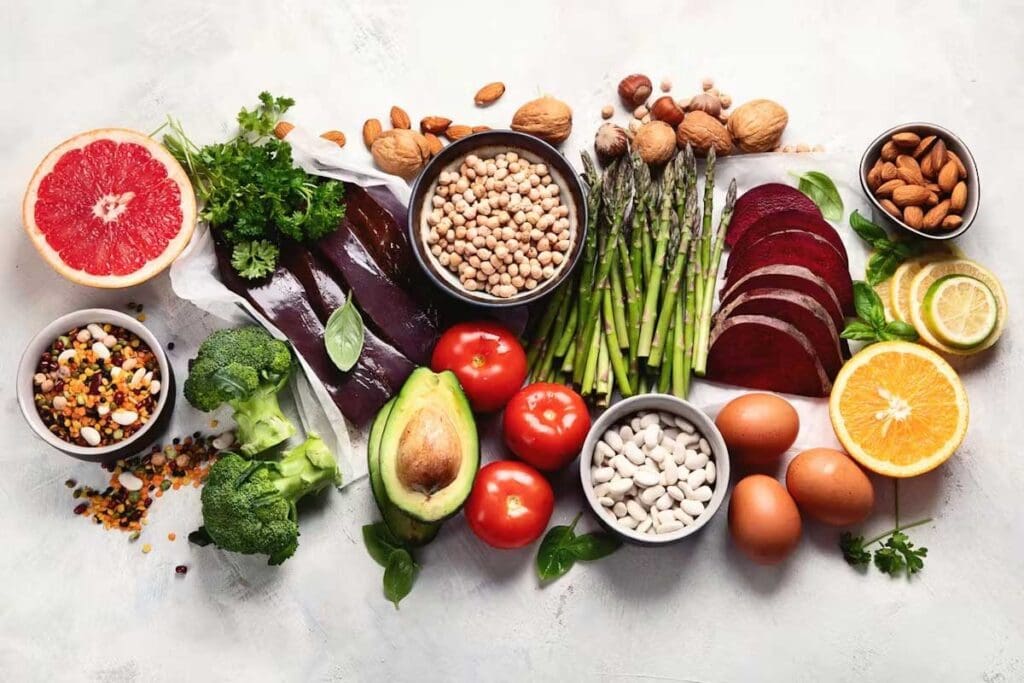
Vitamin B is a group of eight essential nutrients that play a vital role in keeping the body healthy. They support energy production, nerve function, and heart health. At Liv Hospital, we understand how important a balanced diet is for maintaining healthy Vitamin B levels.
Including foods that have Vitamin B in your diet can help prevent deficiencies that cause fatigue, weakness, and nerve issues. Key vitamins like B6, B12, and folic acid are especially important for red blood cell production and brain health.
At Liv Hospital, we guide our patients toward making better dietary choices for long-term wellness. Learning about foods that have Vitamin B is a simple yet powerful step toward a healthier and more energetic life.
Key Takeaways
- Vitamin B is essential for energy production and nerve function.
- A balanced diet can help prevent Vitamin B deficiencies.
- Foods rich in Vitamin B include meat, fish, leafy greens, eggs, dairy, legumes, and fortified cereals.
- Maintaining healthy levels of B6, B12, and folic acid is important for health.
- LivHospital offers detailed advice on food choices for Vitamin B levels.
Understanding the Vitamin B Complex
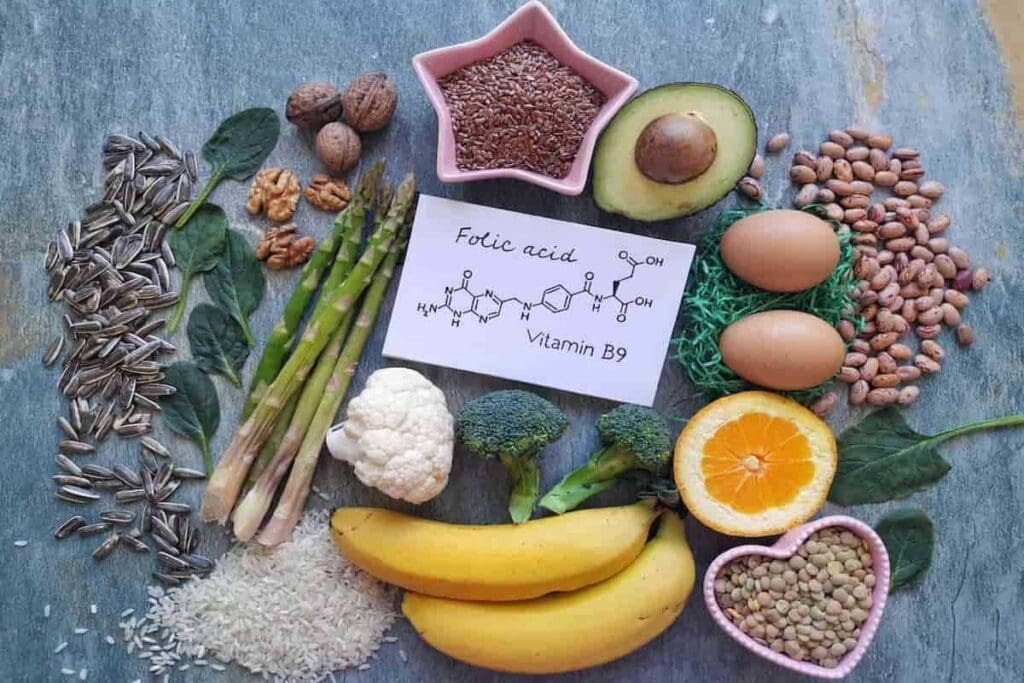
It’s important to know about the Vitamin B complex for its role in energy, nerve health, and heart well-being. The Vitamin B complex isn’t just one vitamin. It’s a group of eight vitamins that work together to help our bodies function well.
The Eight B Vitamins and Their Functions
The eight B vitamins are thiamine (B1), riboflavin (B2), niacin (B3), pantothenic acid (B5), pyridoxine (B6), biotin, folate (B9), and cobalamin (B12). Each vitamin has its own job. But they often team up to help with energy, nerve health, and heart health.
Thiamine (B1) is key for energy and nerve health. Riboflavin (B2) and Niacin (B3) help with energy and keep skin, hair, and nails healthy. Pantothenic acid (B5) helps make coenzyme-A (CoA), an important enzyme for fatty acid synthesis.
| B Vitamin | Primary Function | Food Sources |
| Thiamine (B1) | Energy production, nerve function | Whole grains, legumes, nuts |
| Riboflavin (B2) | Energy production, eye health | Dairy products, leafy greens, almonds |
| Niacin (B3) | Energy production, skin health | Meat, fish, whole grains |
Why B Vitamins Are Essential for Health
B vitamins are key for turning food into energy, keeping nerves healthy, and supporting heart health. Pyridoxine (B6) helps with many body functions and supports brain health and red blood cell formation. Folate (B9) is important for DNA and Cobalamin (B12) is needed for red blood cells and nerve health.
The importance of B vitamins is huge. They help keep energy up, support nerve health, and keep the heart working right.
The Benefits of B6, B12, and Folic Acid

Keeping B6, B12, and folic acid levels right is key for good brain function, heart health, and metabolism. These vitamins help with many body functions. Their benefits are wide-ranging.
Neurological Health and Brain Function
Vitamins B6, B12, and folic acid are vital for brain health. B6 helps make neurotransmitters like serotonin and dopamine, which control mood. B12 is important for making myelin, which helps nerves send signals.
Folic acid lowers homocysteine in the blood. High homocysteine levels can lead to brain problems.
Cardiovascular System Support
B6, B12, and folic acid are great for the heart. Folic acid lowers homocysteine levels, which cuts down heart disease risk. B6 and B12 help with this by breaking down homocysteine.
These vitamins also keep blood vessels healthy and support the heart.
Energy Production and Metabolism
B vitamins, like B6, B12, and folic acid, are key for making energy. B6 helps break down carbs, fats, and proteins into energy. B12 is important for making ATP, which gives cells energy.
Folic acid is needed for making DNA and RNA, which are vital for cell growth and energy.
Cell Growth and DNA Synthesis
Folic acid is essential for cell growth and DNA making. It’s needed for nucleic acids, DNA’s building blocks. B12 also helps with DNA making, so cells can grow and divide right.
B6 supports these processes by helping make nucleic acids and proteins.
Foods That Have Vitamin B: Animal Sources
Animal foods are packed with Vitamin B, key for health. They help our bodies make energy, keep nerves working, and support the heart.
1. Salmon: Rich in B6 and B12
Salmon is a top choice for Vitamins B6 and B12. B6 is important for brain health, and B12 helps make red blood cells and supports nerves. Eating salmon can help your heart and lower inflammation.
2. Eggs: Complete B Vitamin Profile
Eggs are great for a full B vitamin mix. They’re loaded with B12, riboflavin, and folate. Eggs boost energy, nerve health, and heart well-being, making them perfect for a healthy diet.
3. Pork: Excellent Source of Multiple B Vitamins
Pork is full of B vitamins like thiamine (B1), riboflavin (B2), and B6. Thiamine is key for energy, and riboflavin helps break down fats, drugs, and steroids.
4. Milk and Dairy: B12 and Riboflavin Powerhouse
Milk and dairy are full of B12 and riboflavin. They’re great for boosting these vitamins. B12 is essential for nerves and making red blood cells, and riboflavin aids in energy production and may prevent migraines.
Adding these animal foods to your meals ensures you get all the Vitamin B you need for good health.
Plant-Based Foods Containing B Vitamins
Eating plant-based foods rich in Vitamin B is key for good health. Vitamin B complex helps with energy, nerve function, and heart health. While animal products are known for Vitamin B, plants offer great options for vegetarians and vegans.
5. Spinach: Folate-Rich Leafy Green
Spinach is a great source of folate, a B vitamin important for cell growth and DNA. Folate helps prevent birth defects and keeps the heart healthy. You can easily add spinach to salads, smoothies, or sauté it as a side.
6. Legumes: B Vitamin Variety for Plant-Based Diets
Legumes like beans, lentils, and peas are full of protein and B vitamins. They’re packed with folate, thiamine, and riboflavin. You can add them to soups, stews, or make veggie burgers.
- Lentils are rich in folate and iron.
- Black beans are a good source of thiamine and riboflavin.
- Chickpeas provide a good amount of folate and B6.
7. Fortified Cereals: Accessible B Vitamin Sources
Many breakfast cereals are fortified with B vitamins. They’re easy to find and help boost your B vitamin intake. Look for cereals labeled as “fortified” and check the nutrition label for B vitamins.
By eating these plant-based foods, you get a wide range of Vitamin B complex. This supports your health and helps you eat a balanced diet.
Top Food Sources of B12 and B6 Vitamins
Eating the right foods can greatly improve your health, focusing on vitamins B12 and B6. These vitamins are key for healthy nerves, a strong heart, and energy.
Liver: Nature’s B Vitamin Supplement
Liver is packed with B vitamins, including B12 and B6. Beef liver, in particular, is a top choice for boosting B vitamins. Eating liver a few times a week can be very beneficial.
Liver’s B12 helps make red blood cells and keeps nerves healthy. Its B6 aids in energy and immune function.
Clams: Exceptional Source of B12
Clams are a great source of B12. They are among the highest in this vitamin, making them perfect for nerve and blood cell health. Clams are also low in fat and high in protein, making them nutritious.
Adding clams to your diet ensures you get enough B12. This vitamin is essential for nerve health and blood cell production.
How These Foods Support Nerve Function and Blood Health
Liver and clams are full of nutrients for nerve and blood health. Vitamin B12 is vital for nerve function. A lack of B12 can cause numbness and tingling.
B vitamins in these foods also help the heart by controlling homocysteine levels. High homocysteine levels increase heart disease risk. Eating foods rich in B vitamins is key for heart health.
By adding liver and clams to your diet, you support your health. This ensures your nerves and heart stay healthy.
Foods with Folic Acid for Optimal Health
Folic acid is key to our health. Eating foods high in this vitamin is essential. It helps prevent birth defects and keeps us well.
Broccoli and Brussels Sprouts: Cruciferous Folate Sources
Broccoli and Brussels sprouts are tasty and full of folic acid. They are top folate sources. Adding them to your meals is easy, whether steamed, roasted, or sautéed.
- Broccoli has a lot of folate, with one cup giving over 100 mcg.
- Brussels sprouts also have a lot, with a similar serving size giving about 175 mcg of folate.
Asparagus: A Delicious Source of Folic Acid
Asparagus is rich in folic acid, making it great for a healthy diet. It’s versatile and can be cooked in many ways. Asparagus is not only full of folate but also has vitamin C and fiber.
Beans: Combining Protein and Folate
Beans are a key food worldwide and are full of folic acid. They offer protein and folate, making them good for vegetarians and vegans. Beans can be used in many dishes, from soups to salads, adding nutrition and taste.
- Kidney beans are very high in folate, with a cup giving over 250 mcg.
- Black beans are also a good choice, with about 256 mcg per cup.
Eating these foods helps you get enough folic acid for good health. A diet with a variety of these foods keeps you healthy and prevents deficiencies.
Recommended Daily Intake Guidelines
Knowing how much Vitamin B you should take each day is key to staying healthy. Vitamin B is not just one vitamin but eight different ones. Each one is important for energy, nerve health, and the heart.
How Much Vitamin B12 Should You Take a Day
The amount of Vitamin B12 you need changes with age and other factors. Adults should get 2.4 micrograms (mcg) daily. Pregnant women need 2.6 mcg, and breastfeeding women need 2.8 mcg. It’s important to get enough B12 for making red blood cells and nerve function.
A nutrition expert, says, “Vitamin B12 deficiency is common, mainly in older adults and vegetarians. It’s important to get enough through diet or supplements.”
“Vitamin B12 is unique among vitamins because it’s found mainly in animal products. For vegans, supplements or fortified foods are key.”
Recommended Intake for B6 and Folic Acid
Adults need 1.3 milligrams (mg) of Vitamin B6 daily. It’s vital for brain health and making mood and stress hormones. Folic acid, or Vitamin B9, is needed at 400 micrograms (mcg) daily for adults. Pregnant women need more to prevent birth defects.
| Vitamin | Adult Recommended Daily Intake | Pregnant Women Recommended Daily Intake | Breastfeeding Women Recommended Daily Intake |
| B12 | 2.4 mcg | 2.6 mcg | 2.8 mcg |
| B6 | 1.3 mg | 1.9 mg | 2.0 mg |
| Folic Acid (B9) | 400 mcg | 600 mcg | 500 mcg |
Special Considerations for Different Age Groups
Each age group has different Vitamin B needs. Infants, children, and teens need different amounts based on their age and growth. For example, infants up to 6 months need 0.4 mcg of B12, and those 7-12 months need 0.5 mcg. As we get older, our bodies absorb Vitamin B12 less well, so older adults often need supplements.
Key Considerations:
- Infants and children have different B vitamin needs based on age and development.
- Pregnant and breastfeeding women have higher requirements for certain B vitamins.
- Older adults may need supplements due to decreased absorption efficiency.
Potential Concerns: Can You Have Too Much Vitamin B?
Vitamin B is vital for our health, but too much can be risky. Many people take supplements to boost energy and health. Yet, too much Vitamin B can cause problems.
Understanding B Vitamin Absorption and Excretion
Vitamin B is water-soluble, so excess is usually lost in urine. But, high doses of certain B vitamins, like B6, can be harmful over time.
Key Facts About B Vitamin Absorption:
- Water-soluble vitamins are generally excreted in urine.
- Excessive intake of certain B vitamins can lead to toxicity.
- The body’s ability to absorb B vitamins can be influenced by various factors, including age and health status.
| B Vitamin | Primary Function | Risk of Excessive Intake |
| B6 | Neurological function and immune system support | Numbness, nerve damage |
| B12 | Red blood cell production and nerve function | Generally considered safe, but high doses may interact with certain medications |
| Folic Acid | DNA synthesis and repair, fetal development during pregnancy | Masking of B12 deficiency symptoms, possible interaction with medications |
Risks of Excessive Supplement Use
Too many Vitamin B supplements can harm you. High doses of Vitamin B6 can cause numbness and nerve damage. Always talk to a doctor before starting supplements.
“The most common adverse effects of excessive Vitamin B intake are related to the nervous system, including numbness, tingling, and nerve damage.”
Signs of B Vitamin Deficiency vs. Toxicity
It’s important to know the difference between B vitamin deficiency and toxicity. Deficiency can cause fatigue and weakness. Toxicity can lead to numbness and nerve damage. Knowing the difference helps keep your health balanced.
Being aware of Vitamin B risks helps us make better health choices. Always talk to a doctor before starting supplements. They can help find the right balance for you.
Conclusion: Incorporating B Vitamins Into Your Daily Diet
Adding Vitamin B-rich foods to our daily meals is key for staying healthy. We’ve looked at foods like salmon, eggs, and dairy for animal sources. Plant-based options include spinach, legumes, and fortified cereals.
To get all B vitamins, we need to eat a variety of these foods. For example, eating clams and liver for B12 and broccoli and asparagus for folate is important. This helps us meet our daily needs.
Choosing the right foods for vitamin B supports our brain, heart, energy, and cell growth. It’s good to mix these foods in our meals for the best benefits.
In the end, a diet rich in B vitamins is great for our health. Being careful about what we eat helps us stay healthy and avoid deficiencies.
FAQ
What are the main functions of Vitamin B in the body?
Vitamin B is key for energy, nerve health, and the heart. It helps break down nutrients and keeps skin and hair healthy. It’s also vital for brain function and growth.
What are the different types of Vitamin B and their roles?
There are eight B vitamins, each with its own job. They include B1 (Thiamin), B2 (Riboflavin), B3 (Niacin), B5 (Pantothenic acid), B6 (Pyridoxine), B7 (Biotin), B9 (Folic acid), and B12 (Cobalamin). Together, they help with energy, nerve health, and heart function.
Can you have too much Vitamin B?
Yes, too much Vitamin B, mainly from supplements, can harm you. Always follow the daily intake guidelines. Talk to a doctor before taking any supplements.
What are the best food sources of Vitamin B12?
Animal products like salmon, eggs, pork, and dairy are high in Vitamin B12. For vegans, fortified cereals and nutritional yeast are good options.
How much Vitamin B12 should you take daily?
Adults need about 2.4 micrograms of Vitamin B12 daily. Pregnant and breastfeeding women need a bit more.
What foods are rich in folic acid?
Foods high in folic acid include spinach, broccoli, and Brussels sprouts. Asparagus, beans, and fortified cereals are also good sources.
Are there any plant-based sources of Vitamin B?
Yes, plant-based sources include legumes, spinach, fortified cereals, and nutritional yeast. These provide folate, thiamin, and riboflavin.
What are the benefits of B6, B12, and folic acid?
B6, B12, and folic acid are vital for brain and nerve health. They support heart health, energy, and cell growth.
Can Vitamin B deficiency occur, and what are its signs?
Yes, Vitamin B deficiency can happen, mainly in those with restrictive diets or certain health issues. Signs include fatigue, weakness, nerve problems, and anemia, depending on the vitamin lacking.
Is it safe to take B vitamin supplements?
B vitamin supplements can help those with deficiencies or health issues. But, always talk to a doctor first. They can guide you on the right dosage to avoid harm.
Reference
- MedlinePlus – Vitamins: Overview including Vitamin B6, B12, and folate