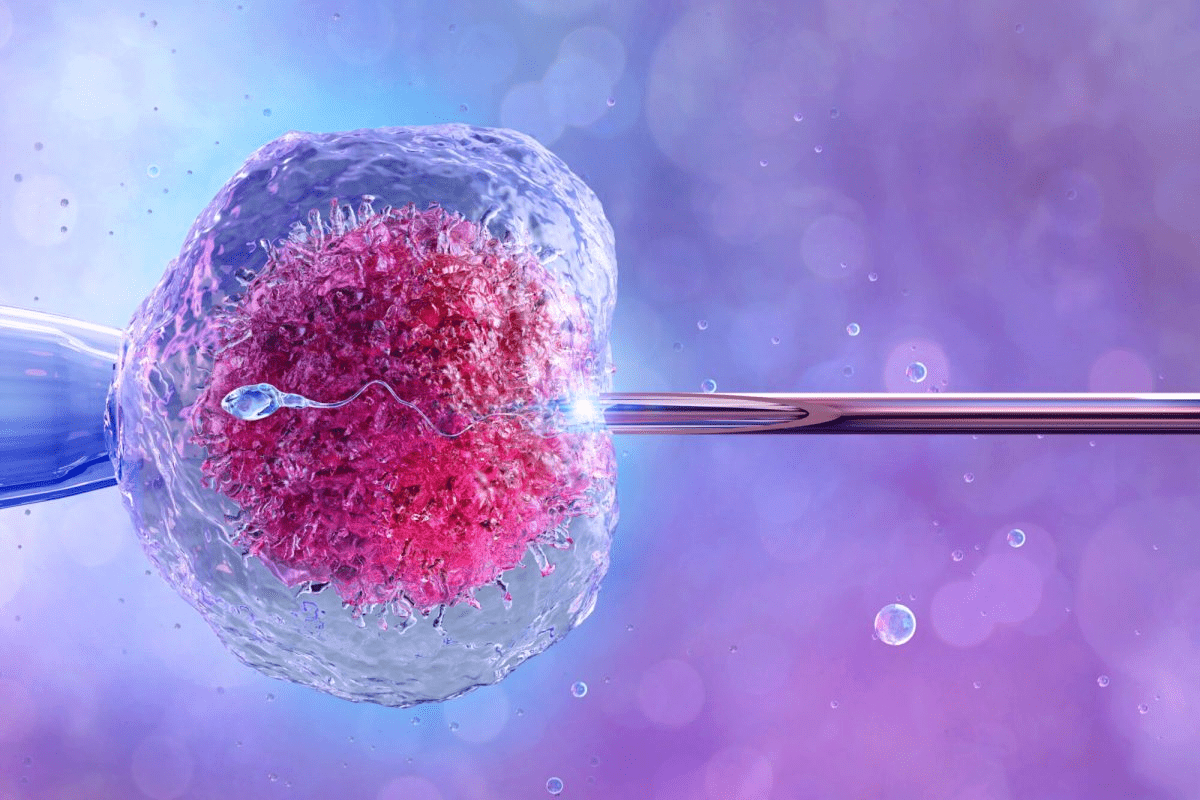

Did you know your diet affects your fertility and sperm health? Studies show that oxidative stress causes 30-80 percent of male infertility. This makes foods rich in antioxidants key for reproductive health. Dietary recommendations for the best foods that improve sperm quality and male fertility.
At Liv Hospital, we stress the role of nutrition in male fertility. Certain foods can greatly improve sperm count and how well they move. Adding specific nutrients and foods to your diet can boost your reproductive chances.
Key Takeaways
- A diet full of antioxidants can reduce oxidative stress and improve sperm quality.
- Nutritional interventions are vital in tackling male infertility.
- Specific foods can positively affect sperm count and motility.
- A balanced diet is key for reproductive health.
- Liv Hospital’s nutrition plans support patient care based on evidence.
The Science Behind Diet and Male Fertility

Diet is key to male fertility. Some foods boost sperm health, while others can harm it. Nutrition affects male reproductive health in many ways, impacting fertility.
How Nutrition Directly Impacts Sperm Quality
Nutrition directly affects sperm quality. It provides essential nutrients, antioxidants, and energy for sperm production. A study from Harvard T.H. Chan School of Public Health found that healthy diets improve sperm counts.
Healthy foods like fruits, vegetables, fish, and chicken are good for sperm. On the other hand, red meat, fried foods, and sugary drinks are bad. Key nutrients like zinc, folate, and omega-3 fatty acids are vital for sperm production.
Oxidative Stress: The Enemy of Healthy Sperm
Oxidative stress happens when the body can’t fight off harmful free radicals. These free radicals damage sperm DNA, proteins, and cell membranes. This damage reduces sperm motility and viability.
Research shows oxidative stress causes 30-80 percent of male infertility. Eating foods high in antioxidants can help. Antioxidants like vitamins C and E, selenium, and polyphenols in fruits, vegetables, and nuts protect sperm.
- Antioxidant-rich foods like berries, leafy greens, and nuts can help reduce oxidative stress.
- Vitamin C found in citrus fruits, helps protect sperm DNA from oxidative damage.
- Omega-3 fatty acids in fatty fish support sperm membrane integrity.
Foods That Improve Sperm Quality: An Evidence-Based Overview

Eating a balanced diet is key to better sperm quality and male fertility. Studies show that certain foods and nutrients can greatly improve fertility. This makes a healthy diet very important for men wanting to conceive.
Key Nutrients for Optimal Sperm Production
Some nutrients are super important for sperm health. Zinc is found in seminal plasma and is vital for sperm development. Without enough zinc, sperm count and quality can drop.
Omega-3 fatty acids also help by making sperm move better and look healthier. Foods like oysters, salmon, and walnuts are great for fertility because they’re full of these nutrients.
| Nutrient | Food Sources | Benefit to Sperm Health |
|---|---|---|
| Zinc | Oysters, Red Meat, Poultry | Essential for spermatogenesis and sperm function |
| Omega-3 Fatty Acids | Salmon, Sardines, Walnuts | Enhances sperm motility and morphology |
| Antioxidants (Vitamin C, E) | Citrus Fruits, Berries, Nuts | Protects sperm DNA from oxidative stress |
A study in the Journal of Reproductive Medicine found that eating more fruits, veggies, and whole grains boosts semen quality. This shows how important a balanced diet is for men’s reproductive health.
How Dietary Changes Can Improve Fertility Outcomes
Choosing the right foods can really help with fertility. Eating foods rich in key nutrients can improve sperm count and motility. It’s not just about adding certain foods, but also about eating a balanced diet for overall health.
Eating a variety of fruits, veggies, whole grains, and lean proteins is good for sperm health. Avoiding processed foods and saturated fats can also help by reducing oxidative stress.
Understanding how diet affects sperm quality can help men improve their fertility. It’s not just about food, but also about living a healthier lifestyle.
Oysters and Shellfish: Nature’s Zinc Powerhouses
Oysters are known for their high zinc content. Zinc is key for male fertility. It helps in sperm production and health, making it vital for men wanting to boost their fertility.
Why Zinc is Essential for Spermatogenesis
Zinc is vital in spermatogenesis, the making of mature sperm cells. It helps in many stages, from the start to keeping sperm healthy. Zinc deficiency can lead to lower sperm count and quality, showing how important it is for men’s reproductive health.
Zinc also helps fight oxidative stress, which can harm sperm DNA and lower fertility. Eating zinc-rich foods like oysters can help men support their reproductive health and possibly boost their fertility.
Recommended Shellfish Intake for Fertility Benefits
Oysters are not the only zinc-rich food; mussels and clams are too. Men should eat a mix of zinc-rich shellfish to get the fertility benefits of zinc.
- Eat oysters and other zinc-rich shellfish 2-3 times a week.
- Pair shellfish with zinc-rich foods like nuts and seeds for a balanced diet.
- Choose fresh, sustainably sourced shellfish for the best benefits.
Adding oysters and other shellfish to their diet can help men naturally improve their fertility. A diet full of essential nutrients like zinc is key for reproductive health.
Fatty Fish: Omega-3 Champions for Sperm Motility
Eating fatty fish can help boost sperm motility because of their omega-3 content. Omega-3 fatty acids, like EPA and DHA, are key for better sperm quality and reproductive health.
Benefits of Salmon, Sardines, and Mackerel
Fatty fish like salmon, sardines, and mackerel are packed with omega-3s. These nutrients improve sperm motility and shape, which is vital for male fertility. Eating these fish regularly can greatly enhance sperm quality.
Key Benefits of Fatty Fish:
- Improved sperm motility
- Enhanced sperm morphology
- Overall reproductive health support
Optimal Fish Consumption for Reproductive Health
To get the most from fatty fish for sperm motility, eat them often. Aim to have fatty fish at least twice a week. Here’s a simple guide:
| Fish Type | Serving Size | Frequency |
|---|---|---|
| Salmon | 6 oz | 2 times a week |
| Sardines | 3 oz | 2-3 times a week |
| Mackerel | 6 oz | 1-2 times a week |
Adding these fatty fish to your diet can greatly boost sperm motility and fertility. Make sure to mix up your protein sources and keep your diet balanced for the best reproductive health.
Walnuts and Tree Nuts: Plant-Based Fertility Boosters
Walnuts and other tree nuts are great for improving sperm quality. Walnuts are packed with omega-3 fatty acids and antioxidants. These nutrients are key for better sperm health. Let’s see how these nuts can help boost fertility.
The Unique Nutrient Profile of Walnuts for Sperm Health
Walnuts stand out because of their omega-3 fatty acids and antioxidants. These are vital for healthy sperm and protecting DNA from damage. The antioxidants in walnuts, like vitamin E and polyphenols, fight oxidative stress. This is a big problem in male infertility.
Omega-3 fatty acids in walnuts also help sperm cells stay strong. This means better motility and survival rates. Eating walnuts can improve sperm quality and fertility for men.
Daily Intake Recommendations for Maximum Benefits
To get the most from walnuts and tree nuts, eat the right amount. Aim for 1 ounce (28 grams) daily. This gives enough omega-3s and antioxidants without too many calories.
Adding walnuts to your diet is easy. Try them in cereal, salads, or as a snack. A small handful of walnuts (about 14 halves) is a tasty way to support your fertility.
Citrus Fruits: Vitamin C for Sperm Quality and Count
Citrus fruits are full of vitamin C, which is key for better male fertility. Vitamin C fights oxidative stress, a big cause of sperm damage. Eating citrus fruits can boost sperm quality and count, helping your reproductive health.
Protecting Sperm DNA with Vitamin C
Vitamin C is vital for keeping sperm DNA safe from damage. Oxidative stress happens when free radicals outdo antioxidants, harming cells. This stress can break down sperm DNA, lowering fertility. Eating foods rich in vitamin C, like citrus fruits, balances this by fighting free radicals, protecting sperm DNA and improving quality.
Studies have found that vitamin C can also up sperm count and motility. While supplements help, eating foods with vitamin C is just as good and adds more nutrients. Adding different citrus fruits to your meals is a tasty way to boost your reproductive health.
Best Citrus Options for Male Reproductive Health
Many citrus fruits are great for vitamin C and easy to add to your diet. Here are some top picks:
- Oranges: A favorite citrus, oranges are full of vitamin C and simple to eat.
- Grapefruits: With their unique taste, grapefruits are another vitamin C powerhouse.
- Lemons and Limes: Though often used in small amounts, lemons and limes are rich in vitamin C.
Try to eat a mix of these fruits to get a wide range of nutrients. A diet rich in citrus fruits and other fertility foods can greatly support male reproductive health.
Colorful Berries: Antioxidant Defenders of Sperm DNA
Colorful berries are key for better male fertility. They are full of antioxidants and polyphenols. These help protect sperm DNA from damage.
Berries like blueberries, strawberries, and raspberries are tasty and good for sperm health. Their antioxidants fight off free radicals. This helps prevent DNA damage and keeps sperm working well.
Blueberries, Strawberries, and Other Berry Benefits
Each berry type has its own benefits for sperm health. Blueberries are full of anthocyanins, which boost sperm quality. Strawberries have lots of vitamin C, protecting sperm from damage. Raspberries and blackberries add more polyphenols for reproductive health.
How Polyphenols Support Sperm Function
Polyphenols in berries help sperm in many ways. They make sperm move better, protect DNA, and keep the reproductive system healthy. Eating foods rich in these compounds can improve fertility.
| Berry Type | Key Antioxidants | Benefits for Sperm Health |
|---|---|---|
| Blueberries | Anthocyanins | Improved sperm quality, enhanced motility |
| Strawberries | Vitamin C | Protection against oxidative stress |
| Raspberries | Ellagic acid | Reduced DNA damage, improved fertility |
Eating a variety of colorful berries can help sperm health. Try to eat different berries every day. This way, you get the most benefits from their antioxidants.
Leafy Greens: Folate-Rich Foods for Healthy Sperm Production
Folate-rich leafy greens are key for healthy sperm. They are important for a diet that helps with fertility. These greens have folate, which is vital for sperm DNA and reproductive health.
The Role of Folate in Sperm DNA Synthesis
Folate is essential for sperm DNA synthesis. It’s critical for making healthy sperm. It helps avoid DNA breaks, which can cause low sperm count and poor quality.
Adequate folate intake means sperm DNA is made right. This lowers the chance of genetic problems. For men trying to conceive, healthy sperm DNA is key for a successful pregnancy.
Top Greens to Include in Your Fertility Diet
Adding these leafy greens to your diet boosts folate:
- Spinach
- Kale
- Collard greens
- Arugula
- Broccoli
These greens are full of folate and other nutrients for health. For example, spinach has antioxidants that protect sperm from damage.
In summary, leafy greens are essential for a diet that boosts fertility. They are rich in folate. By knowing how folate helps sperm and eating these greens, men can improve their sperm health and fertility.
Pomegranate: The Ancient Fertility Fruit
The pomegranate is packed with antioxidants and nutrients. It’s getting attention for its benefits on male reproductive health. We’ll look into the research on pomegranate’s effect on fertility. We’ll also see how it can boost sperm quality in your diet.
Research on Pomegranate and Sperm Parameters
Studies suggest pomegranate extracts and juice can improve sperm health. They focus on motility and morphology. The antioxidants in pomegranate may lower oxidative stress, which harms sperm DNA.
Research shows eating pomegranate products can enhance sperm quality. This could improve fertility.
Ways to Incorporate Pomegranate into Your Diet
Adding pomegranate to your diet is tasty and good for fertility. You can eat it as fresh fruit, juice, or supplements. Pomegranate seeds in salads or molasses in dressings are great ways to enjoy it.
We suggest trying different pomegranate products. Find a way to include it in your meals that fits your lifestyle.
Pumpkin Seeds: Small Seeds with Big Fertility Benefits
Pumpkin seeds are a nutritional powerhouse that can significantly boost male fertility. These small seeds are packed with essential minerals that play a big role in sperm production and reproductive health.
The Zinc and Magnesium Connection to Sperm Production
Pumpkin seeds are a great source of zinc and magnesium. These minerals are vital for healthy sperm production. Zinc is essential for spermatogenesis, the process by which sperm cells are produced. Magnesium helps regulate sperm motility. Together, they ensure sperm are healthy and can fertilize an egg.
Research shows zinc deficiency can lead to lower sperm count and fertility issues. Eating zinc-rich foods like pumpkin seeds can help. This supports reproductive health.
Creative Ways to Add Pumpkin Seeds to Your Diet
It’s easy to add pumpkin seeds to your daily diet. Here are some creative ways to enjoy them:
- Add pumpkin seeds to your morning oatmeal or yogurt for a nutritious breakfast boost.
- Sprinkle pumpkin seeds on salads or soups for added crunch and nutrition.
- Use pumpkin seeds as a topping for your favorite smoothie bowl.
- Incorporate pumpkin seeds into your homemade granola or energy bars.
- Enjoy pumpkin seeds as a healthy snack on their own, seasoned with your favorite herbs and spices.
By making pumpkin seeds a regular part of your diet, you can harness their fertility-enhancing benefits. This supports your overall reproductive health.
Conclusion: Building a Complete Fertility-Enhancing Diet
We’ve looked at foods that boost sperm count and fertility. These include oysters, fatty fish, walnuts, and leafy greens. A diet full of antioxidants, omega-3s, zinc, and more is key for reproductive health.
A diet for better fertility should have a mix of foods rich in important nutrients. Adding these foods to your meals can help improve sperm health and fertility.
Nutrition is very important for fertility. Making smart food choices can greatly help reproductive health. Eating whole, nutrient-rich foods supports fertility and overall health.
To create a diet that boosts fertility, focus on a mix of foods. This approach helps support sperm health. With a well-thought-out diet, you can actively support your reproductive health and reach your fertility goals.
FAQ
What foods can help increase sperm count?
Foods high in antioxidants, zinc, and omega-3 fatty acids are good. Oysters, fatty fish, walnuts, and citrus fruits can boost sperm count and quality.
How does diet affect male fertility?
A diet lacking essential nutrients can harm sperm quality. But, a balanced diet rich in antioxidants and nutrients supports reproductive health and improves fertility.
Are there specific nutrients that are critical for sperm production?
Yes, zinc, vitamin C, folate, and omega-3 fatty acids are key. Foods like shellfish, citrus fruits, leafy greens, and fatty fish support sperm health.
Can certain foods help improve sperm motility?
Yes, omega-3 fatty acids in foods like salmon and sardines can boost sperm motility. Berries and other fruits also support sperm function with their antioxidants.
How can I incorporate fertility-boosting foods into my diet?
Add foods like oysters, walnuts, citrus fruits, and leafy greens to your meals. Snacking on berries, pumpkin seeds, and nuts also supports reproductive health.
Does milk improve sperm count?
Milk has some good nutrients, but its effect on sperm count is unclear. A balanced diet with whole foods is better for sperm health.
What are some foods that can lower sperm count?
Foods high in processed meats, sugar, and saturated fats can harm sperm count. Eating whole, nutrient-dense foods helps mitigate these effects.
How quickly can dietary changes improve sperm count?
Dietary changes’ impact on sperm count varies. Generally, consistent habits over several months can improve sperm quality noticeably.
Are there any specific diets recommended for improving fertility?
A balanced diet with whole foods like fruits, vegetables, whole grains, lean proteins, and healthy fats supports reproductive health. Getting personalized advice from a healthcare provider or registered dietitian is helpful.
Can pomegranate and pumpkin seeds really improve fertility?
Yes, pomegranate and pumpkin seeds have antioxidants and nutrients that support sperm health. Adding them to a balanced diet can benefit reproductive health.
References
Government Health Resource. Evidence-Based Medical Guidance. Retrieved from
https://www.cdc.gov/art/ivf-success-estimator/index.html