Last Updated on November 26, 2025 by Bilal Hasdemir
Having a thyroidectomy is a big deal. It’s a surgery to remove part or all of the thyroid gland. This is often needed for thyroid cancer, goiter, or hyperthyroidism. After surgery, your body changes a lot. Eating the right foods is key for healing and handling side effects.
It’s important to pick the right nutrients for recovery and health. Foods to avoid after thyroid removal. A good diet can help avoid side effects and keep you feeling well. We’ll look at what foods to skip after thyroid surgery to help you recover better.
Key Takeaways
- Understanding the importance of diet after thyroidectomy
- Identifying foods that can hinder recovery
- Learning how to manage side effects through dietary choices
- Discovering the role of nutrition in long-term health management
- Exploring the benefits of a well-planned diet after thyroid removal
Why Diet Matters After Thyroid Surgery
The right food after thyroid surgery helps your body heal and adjust. After removing the thyroid, patients face many challenges. They need to manage their metabolism, ensure healing, and keep their health up with what they eat.
How Thyroid Removal Affects Your Metabolism
Thyroid surgery changes how your body uses energy. The thyroid gland controls your metabolism with hormones. After surgery, you might need medication to keep your metabolism right.
Key metabolic changes post-thyroidectomy include:
- Potential weight gain or loss due to changes in metabolic rate
- Fatigue and energy level fluctuations
- Changes in appetite and digestion
The Role of Nutrition in Post-Surgery Healing
Nutrition is key to healing after thyroid surgery. A balanced diet gives your body the nutrients it needs. Good nutrition helps with discomfort, boosts your immune system, and keeps you well.
Some important nutritional tips include:
- Eat enough protein to help tissues heal
- Make sure you get enough calcium and vitamin D for strong bones
- Drink plenty of water to help your body absorb medication
Medication Absorption Considerations
After thyroid surgery, you’ll likely need to take thyroid hormone medication forever. Some foods and supplements can stop this medication from working right. Knowing which ones can help your medication work better.
Foods and substances that may affect medication absorption include:
- High-fiber foods and supplements
- Calcium and iron supplements
- Coffee and certain teas
Knowing how diet affects recovery after thyroid surgery is important. By choosing the right foods, patients can help their health and deal with the challenges of thyroid removal.
Foods to Avoid After Thyroid Removal: The Complete List
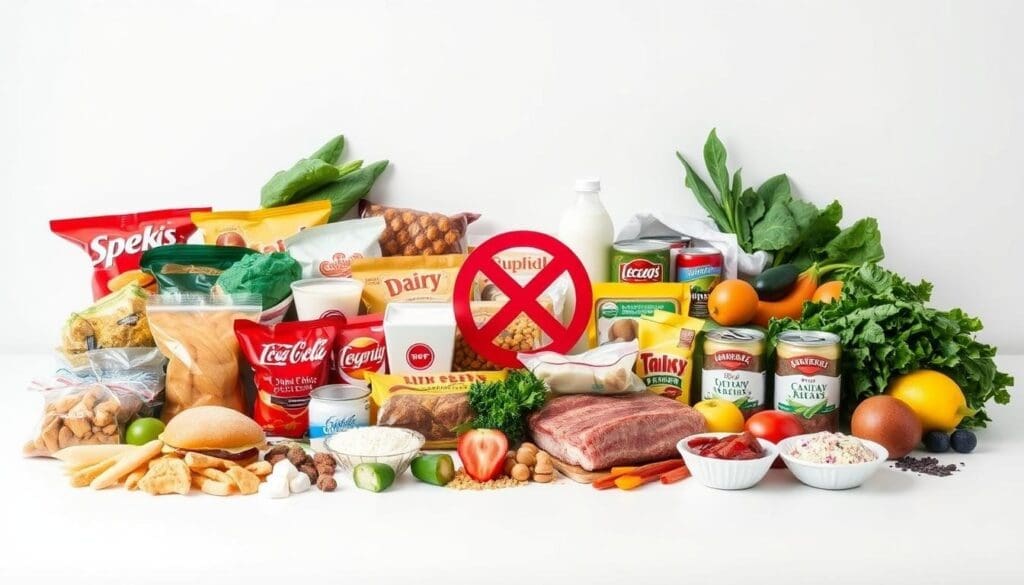
Choosing the right foods after thyroid surgery is key to your recovery and health. Knowing which foods to avoid is important. It helps prevent complications and supports your health.
Immediate Post-Surgery Dietary Restrictions
In the weeks after thyroidectomy, focus on easy-to-swallow, nutrient-rich foods. Avoid foods high in iodine to prevent issues. Some foods can make recovery harder.
- Spicy or acidic foods that can irritate the throat
- Hard or crunchy foods that are difficult to swallow
- High-iodine foods, such as seaweed or iodized salt
Long-Term Dietary Modifications
Even after recovery, some diet changes may be needed. Be careful with foods that can affect your medication or thyroid health.
- Processed foods that contain additives and high sodium levels
- Foods high in soy, which can affect thyroid hormone absorption
- Excessive consumption of goitrogenic vegetables like broccoli and cabbage, which can impact thyroid function
When to Consult Your Doctor About Diet
Talking to your doctor or a dietitian is vital for a personalized diet plan after thyroid removal. They can guide you on the best foods for your health.
By paying attention to your diet, you can aid in your recovery and long-term health after thyroid surgery.
Goitrogenic Vegetables: Broccoli, Cabbage, and Kale
Knowing about goitrogenic foods is key for those who’ve had their thyroid removed. Broccoli, cabbage, and kale are full of nutrients but can affect the thyroid.
Impact on Thyroid Function
Goitrogens can mess with thyroid hormone making. Eating a lot of goitrogenic foods can harm thyroid function, more so for those who’ve had thyroid surgery. It’s vital to know how these foods mix with your thyroid meds and health.
- Broccoli: Full of vitamins and fiber, but has goitrogens that might affect thyroid hormone making.
- Cabbage: Rich in antioxidants and vitamins, but its goitrogenic traits can mess with thyroid function if eaten too much.
- Kale: Nutrient-rich, but its high goitrogen content means eating it in moderation after thyroid surgery.
Raw vs. Cooked Goitrogenic Foods
How you prepare these veggies changes their goitrogen levels. Cooking can lower the goitrogen content, making cooked veggies safer for thyroid health.
| Vegetable | Raw Goitrogen Content | Cooked Goitrogen Content |
| Broccoli | High | Moderate |
| Cabbage | High | Moderate |
| Kale | High | Moderate |
Safely Reintroducing Goitrogenic Vegetables
While you don’t have to avoid goitrogenic veggies, eat them in moderation. Talk to your doctor about when and how to add them back. Start with cooked goitrogenic veggies to lessen thyroid impact.
Watch how your body reacts to these foods and adjust your diet. Being careful with goitrogenic veggies and cooking them right can help you eat well and support your health and thyroid meds.
Soy Products: Tofu, Tempeh, and Soy Milk
Soy isoflavones can affect thyroid function. It’s important for those who have had thyroid surgery to watch their soy intake. Tofu, tempeh, and soy milk are good for you but might not be best for thyroid health after surgery.
Impact on Thyroid Hormone Absorption
Isoflavones in soy can change how the body takes in thyroid hormone. Research shows that too much soy can make thyroid hormone therapy less effective. So, people taking thyroid medication should be careful about how much soy they eat.
To avoid problems, you can try these tips:
- Eat soy products in small amounts.
- Take your thyroid medicine on an empty stomach. Wait at least 4 hours before eating soy.
- Check your thyroid hormone levels often. This helps adjust your medicine as needed.
Hidden Soy in Processed Foods
Soy is in many foods, not just tofu or soy milk. Read food labels for soy lecithin, soy protein isolate, or other soy ingredients. Knowing where soy is hidden helps you control your intake better.
| Processed Food Category | Common Soy-Derived Ingredients |
| Baked Goods | Soy lecithin, soy flour |
| Energy Bars | Soy protein isolate, soy nuts |
| Processed Meats | Soy protein, textured soy protein |
Soy Alternatives for Protein Sources
If you want to eat less soy, there are other protein sources. Legumes, nuts and seeds, and lean meats are great choices. Adding these to your diet can keep your nutrition balanced and soy intake low.
Here are some good alternatives:
- Lentil or chickpea salads for a protein-rich meal.
- Almonds or pumpkin seeds as a snack.
- Grilled chicken or fish for lean protein.
Iodine-Rich Foods: Seaweed, Shellfish, and Iodized Salt
It’s key to know about iodine-rich foods for those recovering from thyroidectomy. Iodine is vital for making thyroid hormones. After thyroid surgery, managing iodine intake is important.
Why Iodine Intake Matters After Thyroidectomy
Iodine is important because it affects thyroid hormone levels. Even though the thyroid gland is removed, hormone replacement meds are given. But too much iodine can mess with how well these meds work.
It’s essential to strike a balance in iodine consumption. This balance helps support health without hurting the effectiveness of hormone replacement therapy.
Identifying High-Iodine Foods
Many foods are high in iodine, like seaweed, shellfish, and iodized salt. These can be healthy additions to your diet if eaten in moderation.
- Seaweed: Kombu, wakame, and nori are examples of iodine-rich seaweed.
- Shellfish: Shrimp, cod, and haddock are good sources of iodine.
- Iodized Salt: Using iodized salt instead of plain salt can help maintain iodine levels.
Balancing Iodine in Your Diet
To balance iodine intake, knowing the iodine in your food and supplements is important. The table below shows common iodine-rich foods and their iodine content.
| Food | Iodine Content (mcg per serving) |
| Kombu seaweed (1 cup) | 2000-4000 |
| Cod (3 oz serving) | 100-150 |
| Iodized Salt (1 tsp) | 400 |
By being mindful of iodine intake and balancing it right, those who have had thyroidectomy can support their health. This also helps the thyroid hormone replacement therapy work better.
Processed Foods: Frozen Meals, Deli Meats, and Packaged Snacks
After thyroid removal, it’s key to watch what you eat, avoiding processed foods. These foods, like frozen meals and deli meats, are easy but can harm your health and how your medication works.
Additives That Interfere With Medication
Processed foods often have additives that can mess with your thyroid medication. Artificial flavors, colors, and preservatives can change how your body takes in medication. This might make your medication less effective or cause more side effects. For example, nitrates and nitrites in deli meats can interact with your thyroid medication.
To avoid these risks, always check food labels. Choose organic or naturally processed foods to cut down on harmful additives.
Sodium Content Concerns
Processed foods are usually high in sodium, which is a problem for people with health issues, like those who’ve had thyroid surgery. High sodium intake can cause blood pressure problems and fluid buildup. This can make recovery harder and affect your health.
To keep sodium levels low, cut back on processed foods like canned soups and frozen meals. Use herbs and spices to add flavor instead of salt.
Healthier Alternatives to Processed Foods
It might be tough to avoid processed foods completely, but there are better options. Preparing meals from scratch with fresh ingredients helps control sodium and additives in your diet.
- Choose whole foods over processed ones whenever possible.
- Opt for low-sodium versions of canned goods.
- Prepare snacks at home using natural ingredients.
By making these changes, people who’ve had thyroid surgery can get healthier. They can also make sure their medication works right.
Dietary Supplements: Calcium, Iron, and Fiber Supplements
It’s important to know how dietary supplements affect thyroid medication after thyroid removal. Some supplements can change how well thyroid medication works. Managing these supplements is key to staying healthy and ensuring the medication works right.
Interactions with Thyroid Medication
Calcium and iron supplements can block thyroid hormone replacement medication. For example, calcium can bind to the medication, making it less effective. “It’s vital to take these supplements at the right time to avoid problems,” a doctor advises.
Proper Timing is Key
To avoid issues, take thyroid medication on an empty stomach, like in the morning. Take calcium and iron supplements later in the day, at least 4 hours after the medication. This way, the medication is absorbed better, and interactions are less likely.
Working With Your Doctor on Supplement Needs
Always talk to your doctor before starting any supplements. They can figure out if you really need them based on your health and diet. Regular check-ups and blood tests can spot any nutritional gaps that need supplements.
Personalized Advice is Essential
Doctors can give you tailored advice on supplements. They make sure they work well with your thyroid medication without causing problems. This teamwork is important for keeping your health in balance after thyroid surgery.
“Managing dietary supplements is a critical aspect of post-thyroidectomy care. It requires careful planning and monitoring to ensure that these supplements support, not hinder, the effectiveness of thyroid hormone replacement therapy.”
Problematic Beverages: Coffee, Alcohol, and Some Teas
After thyroidectomy, patients must be careful with their drinks. This is to help their medication work right and aid in recovery. Some drinks can mess with how well the medication works or slow down healing.
Effects on Medication Absorption
Coffee and certain teas can mess with how well thyroid medication is absorbed. Caffeine can make it harder for the body to take in the medication. This might cause ups and downs in thyroid hormone levels. It’s best to wait at least 60 minutes after taking thyroid medication before drinking caffeinated drinks.
Drinking alcohol can also harm patients after thyroid surgery. It can mess with how the liver handles medication. This might cause problems with thyroid hormone balance.
Impact on Recovery and Energy Levels
Drinking too much alcohol or caffeine can hurt energy levels and recovery. Caffeine might give a quick energy boost but can lead to crashes later. This can make patients feel worse overall.
Some teas, like green tea, have a lot of catechins. These can also affect thyroid medication. It’s important to drink these teas in moderation.
Better Beverage Choices
After thyroid surgery, it’s smart to choose drinks that help with recovery and health. Water is great for staying hydrated. Herbal teas, which don’t have caffeine and don’t have goitrogens, are good alternatives.
Talking to a healthcare provider is key to finding the right drinks after thyroid surgery. They can give advice based on your specific needs and health.
Creating a Long-Term Diet After Total Thyroidectomy
After a total thyroidectomy, a well-planned diet is key for recovery and health. A good diet helps manage side effects and boosts well-being.
Nutrient-Rich Foods to Include
It’s important to eat nutrient-rich foods after a total thyroidectomy. These foods give you the vitamins and minerals you need for healing and health. Make sure to eat:
- Lean proteins like chicken, fish, and eggs
- Colorful vegetables and fruits rich in antioxidants
- Whole grains such as brown rice, quinoa, and whole-wheat bread
- Healthy fats found in nuts, seeds, avocados, and olive oil
Meal Planning Strategies
Good meal planning after thyroidectomy means getting the right nutrients and following dietary rules. Think about:
- Preparing meals ahead to save time and choose healthy options
- Eating a variety of foods to avoid missing out on nutrients
- Staying away from foods that can mess with your thyroid medication
Importance of Hydration
Drinking enough water is key for health, even more so after a total thyroidectomy. Water helps your body absorb medication and work right. Try to drink 8-10 glasses of water a day, depending on your needs.
Regular Follow-Up Appointments and Dietary Adjustments
Seeing your healthcare provider regularly is important for checking on your recovery and making dietary adjustments. These visits help make sure your diet is right for your health and catch any problems early.
By eating a balanced diet, planning meals well, and drinking plenty of water, you can make a long-term diet after total thyroidectomy that helps your health and well-being.
Conclusion: Balancing Restrictions With Nutritional Needs
After a thyroidectomy, finding the right balance is key. A good diet should be full of nutrients and easy to digest. This helps with recovery and keeps complications at bay.
It’s important to avoid foods that might mess with your medication or make your condition worse. This includes goitrogenic veggies, soy, and processed foods. But, don’t forget to eat a variety of whole foods to get all the nutrients you need.
Drinking plenty of water and keeping up with doctor’s appointments are also important. By managing your diet and staying healthy, you can improve your overall well-being after surgery.
FAQ
What foods should be avoided after thyroid removal?
After thyroid removal, avoid goitrogenic veggies like broccoli and kale. Also, steer clear of soy products and processed foods. High-iodine foods should be limited too. Foods that can block medication absorption, like those high in fiber or iron, should also be avoided.
Can I eat soy products after thyroidectomy?
Soy can affect thyroid hormone absorption. It’s best to limit soy, but small amounts might be okay for some. Always check with your doctor.
Are there any specific dietary restrictions immediately after thyroid surgery?
Right after surgery, eat soft or liquid foods to make swallowing easier. Avoid spicy or sharp foods to reduce discomfort.
How do goitrogenic vegetables affect thyroid function?
Goitrogenic veggies can block iodine uptake, affecting thyroid function. Cooking them can reduce these effects, making them safer.
What are some healthier alternatives to processed foods?
Choose whole foods like fruits, veggies, lean proteins, and grains. Planning meals can help avoid processed foods.
Can I take dietary supplements after thyroidectomy?
Some supplements, like calcium and iron, can interact with thyroid meds. Always check with your doctor about supplements and timing.
How can I balance iodine in my diet after thyroidectomy?
Be mindful of iodine-rich foods like seaweed and shellfish. Your doctor will guide you on iodine intake.
Are there any beverages that can interfere with thyroid medication?
Yes, coffee, alcohol, and some teas can affect medication absorption. Opt for water or low-caffeine drinks instead.
What are the key considerations for creating a long-term diet after total thyroidectomy?
Focus on nutrient-rich foods and meal planning. Regular doctor visits can help tailor your diet.
How can I ensure I’m getting the necessary nutrients after thyroidectomy?
Eat a balanced diet with whole foods. Be aware of foods to avoid and discuss supplements with your doctor.
References
- Li, Q., Zhu, G., & Jiang, J. (2022). Analysis of the rehabilitation efficacy and nutritional status of patients after endoscopic radical thyroidectomy by fast track surgery based on nutritional support. Frontiers in Surgery, 9, Article 897616. https://pmc.ncbi.nlm.nih.gov/articles/PMC9108205/