
Recovering from colon resection surgery needs a special diet. This diet helps the body heal, avoids problems, and gets the digestive system working right.
At Liv Hospital, we follow a diet plan backed by science. Our experts help patients move from clear liquids to solid foods. We focus on nutrient-rich foods that are easy to digest and don’t irritate the healing tissues. Let’s look at the best foods for your recovery.Get 15 of the best foods to eat after colon resection surgery. Our guide helps you choose safe options for a smoother recovery.
Eating the right foods after colon surgery is key to healing well and avoiding problems. A good diet helps your body recover smoothly and gets your digestive system back to normal.
Eating right after colon surgery is important for many reasons. It helps reduce risks like infections or blockages. It also aids in healing by giving your body the nutrients it needs. Plus, it helps your digestive system work like it should again.
After colon surgery, your body goes through changes that need special nutrients. You need protein for fixing tissues, vitamins and minerals for your immune system, and hydration to keep everything working right.
Knowing what your body needs is crucial for a diet that helps you heal and recover.

By focusing on the right nutrients, patients can improve their recovery and lower the chance of complications. It’s about making a diet that meets your body’s needs during this important time.
After colon resection surgery, a well-structured diet is key for healing. The diet plan is a gradual process. It helps the digestive system heal without too much stress. “A gradual and monitored dietary progression is crucial for minimizing complications and ensuring a smooth recovery,” say healthcare professionals.
The first phase is the clear liquid phase, lasting a few days. Patients should drink clear liquids like broth, clear juices, and water. It’s crucial to avoid any liquids that contain pulp or are not clear, as they can irritate the digestive system.
After the clear liquid phase, patients move to the full liquid phase. This includes all previous liquids plus thicker ones like milk, strained soups, and pureed foods. The goal is to increase calorie and protein intake without straining the digestive system.
The soft food phase is next, where patients can eat soft, easily digestible foods. Foods like scrambled eggs, mashed potatoes, and cooked pasta are good choices. The key is to introduce foods that are gentle on the digestive system while providing necessary nutrients. It’s recommended to eat small, frequent meals to manage digestion better.
Finally, patients gradually transition to a normal diet, incorporating a variety of foods. This phase is crucial as it marks the return to a more regular eating pattern. However, it’s essential to monitor the body’s response to new foods and adjust the diet accordingly to avoid discomfort or complications.
As patients progress through these dietary phases, staying hydrated and listening to their body’s needs is vital. A balanced diet, rich in nutrients, supports the healing process and overall well-being.
Healing well after colon surgery needs good nutrition. The right mix of nutrients helps the body get better, lowers the chance of problems, and keeps you healthy.
Protein is key for healing. It gives the body what it needs to make new tissue.
“Protein is essential for healing as it provides the building blocks for new tissue,”
In the early days of recovery, focus on easy-to-digest proteins. Good choices include lean meats, fish, eggs, and dairy.
Vitamins and minerals are vital for healing. They help fight off infections and aid in recovery. Vitamin C is important for making collagen and boosting the immune system. Zinc is also key for healing wounds and fighting off infections.
Getting enough of these nutrients through food or supplements is important for healing.
Drinking enough water is crucial for digestive health. It helps avoid constipation and keeps the body’s systems working right. Drinking water and eating hydrating foods helps with recovery.
After colon resection surgery, eating the right foods is key. They help your body heal, avoid complications, and feel better. We’ll look at the top foods for this time, including proteins, carbs, fruits, veggies, and soothing foods.
Protein is vital for healing after surgery. Foods that are easy to digest help avoid discomfort and meet your body’s needs.
Carbs give you energy, which is important when you’re recovering. Choosing gentle carbs helps avoid stomach upset.
Fruits and veggies are full of vitamins and minerals. Opting for soft, cooked ones makes them easier to digest.
Some foods are especially soothing after colon resection surgery. They calm your digestive system and make you feel more comfortable.
Here is a summary table of the 15 best foods to eat after colon resection surgery:
| Food Category | Recommended Foods |
| Easily Digestible Proteins | Lean meats, fish, eggs, tofu |
| Gentle Carbohydrates | White rice, white bread, crackers |
| Soft Fruits and Vegetables | Bananas, applesauce, cooked vegetables |
| Soothing Foods | Broth, plain yogurt, herbal teas |
Knowing which foods to skip is key for those recovering from colon surgery. Some foods help healing, while others can irritate and cause problems. Stay away from fatty, greasy, spicy, or high-fiber foods to avoid digestive issues.
High-fiber foods, especially insoluble fiber, are hard for the digestive system to handle during recovery. Raw veggies, whole grains, and some fruits can be uncomfortable and cause problems.
Fatty and greasy foods slow digestion and cause discomfort. It’s wise to limit or avoid them early on in recovery.
Spicy foods irritate the digestive tract and cause discomfort. It’s best to avoid them until you’re fully recovered.
Gas-producing foods lead to bloating and discomfort. Cutting down on these foods can help with digestion during recovery.
Avoiding these foods can lower the risk of complications and aid in healing. Always talk to a healthcare provider or nutritionist for a personalized diet plan.
Planning meals well is key for a smooth recovery after colon surgery. A good meal plan helps manage digestion, ensures you get the right nutrients, and reduces discomfort.
It’s important to control how much you eat during recovery. Eating smaller meals puts less strain on your digestive system. This lets it heal better. Try to eat 4-6 smaller meals a day instead of three big ones.
Eating more often but in smaller amounts can help with nausea and tiredness. Frequent, small meals keep your energy up and support healing.
It’s important to make meals easy to digest during recovery. Steaming, boiling, or pureeing foods makes them softer. Start with low-fiber foods and whole grains and add them back as you can.
As you get better, you can add more variety to your meals. Always listen to your body and adjust your diet as needed.
Digestive problems are common after colon surgery. But, with the right steps, patients can handle these issues well. Issues like diarrhea, constipation, and gas and bloating can be managed with diet and staying hydrated.
Diarrhea is a big problem after colon surgery. To tackle it, we advise:
Drinking enough water is key for digestive health.
Constipation is another common issue after colon surgery. To tackle it, we recommend:
It’s important to listen to your body and adjust your diet and activities to manage constipation well.
Gas and bloating can be uncomfortable. To reduce these, we suggest:
By following these tips, patients can manage common digestive problems after colon surgery. This can improve their recovery experience.
After colon resection surgery, a good diet is key for a smooth recovery. As patients get better, they need to change their diet to stay healthy and avoid problems later.
At first, patients eat a low-fiber diet to make digestion easier. But as they heal, adding more fiber is important for a healthy gut. Start with small amounts of fiber in foods like cooked veggies, fruits, and whole grains.
| Food Group | Examples | Fiber Content |
| Fruits | Apples, Berries, Bananas | High |
| Vegetables | Broccoli, Carrots, Spinach | High |
| Grains | Whole Wheat Bread, Brown Rice, Oats | Medium to High |
A balanced diet is vital for long-term health. It means eating a variety of foods from different groups. This ensures the body gets all the nutrients it needs.
“A balanced diet is not just about eating the right foods, but also about maintaining a healthy eating habit that is tailored to the individual’s needs,” says
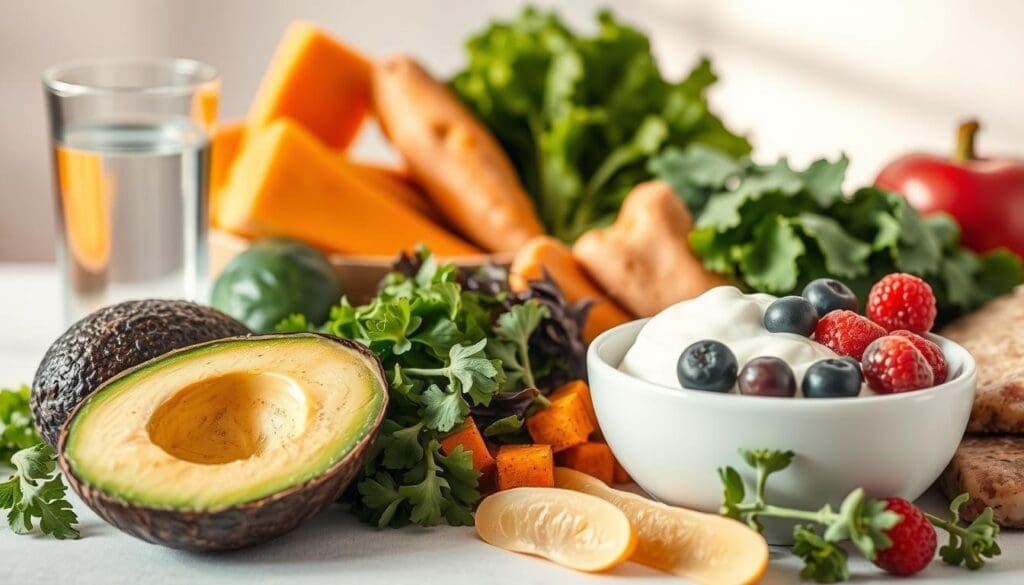
Eat a mix of proteins like lean meats, fish, and eggs. Also, include gentle carbs like white rice, pasta, and cooked veggies. Don’t forget healthy fats from avocados, nuts, and olive oil.
It’s important to watch how your body reacts to food and make changes as needed. Keeping a food diary helps track what you eat and any bad reactions.
Be careful of signs like bloating, gas, or pain in your belly. Change your diet to avoid these symptoms. Regular check-ups with your doctor can also help keep your diet on track.
By slowly adding fiber, eating a balanced diet, and adjusting your diet, patients can have a smoother recovery. This improves their overall health and quality of life.
A good diet is key after colon resection surgery. Doctors like
By following the advice in this article, people can make smart food choices. Eating soft proteins, gentle carbs, and easy-to-digest foods is helpful. Avoiding foods high in fiber, fat, and spice is also important to prevent digestive issues.
As patients move to a healthier diet, they should keep nutrition in mind. This helps them stay healthy and feel good. A balanced diet, along with plenty of water and careful eating, supports a full recovery and a healthier life ahead.
Start with clear liquids after colon resection surgery. Then, move to full liquids, soft foods, and a normal diet. Choose foods that are easy to digest and won’t irritate the healing tissues.
Opt for lean meats and fish as your protein sources. Choose white rice and toast for carbs. Soft fruits and veggies like bananas and cooked carrots are good. Also, include soothing foods like broth and plain yogurt in your diet.
Stay away from high-fiber foods, fatty, greasy, spicy, and irritating foods. Also, avoid foods that can cause gas and bloating. These can irritate and cause complications during recovery.
Manage digestive issues by adjusting your diet. Stay hydrated and control your meal portions. Adjusting meal frequency can also help.
Protein is key for healing after colon resection surgery. It helps repair tissues. So, make sure to eat enough protein-rich foods.
Gradually add fiber to your diet to transition to a healthy diet. Build a balanced diet. Monitor and adjust your diet as needed to support long-term health and prevent complications.
You need enough protein, vitamins, and minerals after surgery. Proper hydration is also important. These support healing and maintain digestive health.
Recovery time varies. But, with a good diet and care, most people recover in a few weeks to months.
After a colectomy, start with clear liquids and progress to a normal diet. Focus on easy-to-digest foods and avoid irritating ones. This helps with healing and prevents complications.
Use portion control and plan meals to support healing. Cook foods until they are soft. Avoid heavy or greasy foods to minimize discomfort.
Jairath, A., & Kaur, M. (2021). Management of Anal Fistula: A Review of Advances and Surgical Techniques. International Journal of Surgery, 87, 105932. https://www.sciencedirect.com/science/article/abs/pii/S1743919121002933
