Getting ready for an embryo transfer is a key part of IVF. Knowing the process and how to get your body ready can really help. It can make a big difference in how well the transfer goes.
Thanks to new tech like vitrification and blastocyst culture, frozen embryo transfer (FET) is more common. At least 12 million babies have been born from IVF embryo transfers and other ART.
We’ll show you how to get ready for FET. This includes the different FET protocols, medical prep, and lifestyle changes that can help.
Key Takeaways
- Understanding the FET protocol is key for a successful transfer.
- Medical prep and lifestyle changes can greatly improve success.
- Some foods can help get your body ready for the transfer.
- A detailed guide can help you prepare for a successful FET.
- FET is more common now, thanks to new tech.
Understanding Frozen Embryo Transfer (FET)
Frozen Embryo Transfer (FET) has changed the game in fertility treatments. It gives hope to those facing infertility. FET is a key part of IVF, letting embryos frozen earlier be used now.
Technology in FET has improved a lot. This makes it a top choice for many. The thawed embryos are then put into the uterus at the right time. This method often works as well as, or even better than, using fresh embryos.
What is a Frozen Embryo Transfer?
A Frozen Embryo Transfer is a type of IVF where frozen embryos are thawed and put into the uterus. This way, embryos can be tested for genetic issues before being implanted. This leads to higher success rates and fewer genetic problems.
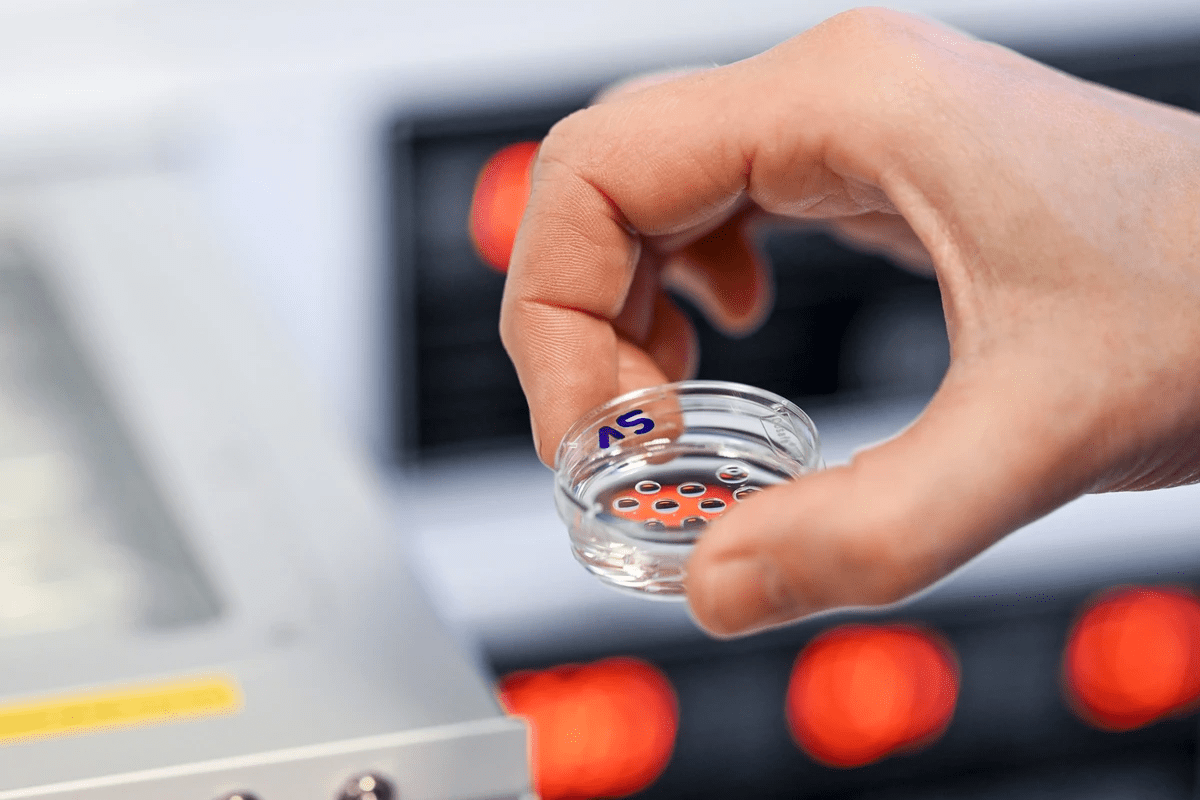
The process starts with thawing the embryos. Then, they are transferred into the uterus at the best time. This timing helps the embryo implant better.
Advancements in Vitrification Technology
Vitrification technology is key to FET’s success. It freezes embryos quickly, boosting their survival chances. This makes FET a reliable and effective option.
Medical Expert, a top fertility expert, says, “Vitrification has changed cryopreservation, making embryo freezing very successful.”
“Vitrification has been a game-changer in IVF, allowing us to freeze embryos with high viability and achieve higher success rates with FET cycles.”
Blastocyst Culture and Its Benefits
Blastocyst culture lets embryos grow for 5-6 days before freezing. This helps pick the best embryos for transfer. It’s a way to choose the most likely to implant and lead to pregnancy.
This method has many benefits. It improves embryo selection, lowers the chance of twins, and boosts pregnancy chances. By growing embryos to the blastocyst stage, we can pick the best ones for transfer.
| Benefits of Blastocyst Culture | Description |
|---|---|
| Improved Embryo Selection | Allows for better identification of viable embryos |
| Reduced Risk of Multiple Pregnancies | Enables single embryo transfer, reducing the risk of multiple pregnancies |
| Enhanced Pregnancy Rates | Improves the chances of successful implantation and pregnancy |
Success Rates Compared to Fresh Transfers
Studies show FET cycles work as well as, or even better than, fresh transfers. This is because of better uterine preparation and genetic testing.
FET often leads to higher pregnancy rates than fresh transfers. This is because it matches the embryo with the uterine lining better. This leads to better implantation rates.
Types of FET Protocols: Natural vs. Programmed Cycles
FET cycles can be tailored to fit individual needs. There are natural and programmed cycles to choose from. The right choice depends on several factors, like menstrual cycle regularity and ovarian reserve.
Natural Cycle FET: Following Your Body’s Rhythm
Natural Cycle FET follows your body’s natural ovulation cycle. It’s great for women with regular cycles. This method avoids hormonal meds, reducing risks and making it feel more natural.
Benefits of Natural Cycle FET:
- Less medication is required
- Lower risk of ovarian hyperstimulation syndrome (OHSS)
- More natural process
Programmed (Hormone-Supported) FET Cycles
Programmed FET cycles use hormones to control the timing of the transfer. This makes scheduling easier. It’s best for women with irregular cycles or those who don’t ovulate regularly.
Key aspects of Programmed FET:
- Estrogen and progesterone medications are used to prepare the uterine lining.
- The transfer date is determined based on the embryo’s developmental stage.
- Close monitoring is required to adjust medication as needed.
Modified Natural Cycles
Modified natural cycles mix natural and programmed cycles. They offer a balance. This protocol adds minimal hormonal support to the natural cycle, ensuring the best timing for the embryo transfer.
Which Protocol Is Right for You?
Choosing between natural, programmed, and modified FET protocols depends on your health and medical history. Studies show natural cycle FET has fewer complications than programmed cycles. Talking to a fertility specialist is key to finding the right protocol for you.
Understanding the differences in FET protocols helps patients make better choices. This can increase their chances of a successful outcome.
The FET Timeline: What to Expect
Starting the FET journey means knowing what’s coming. It’s a detailed process that needs careful planning. The Frozen Embryo Transfer timeline has many steps.
Pre-Cycle Testing and Evaluation
The first step is pre-cycle testing. We check how your ovaries and uterus are doing. This helps us figure out the best way to transfer the embryo.
We do a baseline visit to check hormone levels and the uterine lining. This is done through ultrasound.
Endometrial Preparation Phase (2-4 weeks)
After the first check, we start the endometrial preparation phase. This lasts 2 to 4 weeks. We give you estrogen to make the uterine lining thicker.
This is a key time. A thick lining is needed for the embryo to implant.
Monitoring Appointments
During the FET cycle, we have regular monitoring appointments. These check-ups help us see how the uterine lining is doing. We might adjust the treatment plan if needed.
Usually, you’ll have 3-4 visits. These include the baseline check, monitoring, and the embryo transfer.
Determining Your Transfer Date
The last step is determining the transfer date. We pick the best day for the transfer based on the uterine lining and your readiness.
In short, knowing the FET timeline helps patients feel more confident. It covers everything from the first tests to the final transfer.
Medical Preparation for Frozen Embryo Transfer
Starting the FET journey means knowing the medical steps needed for success. Preparing for FET involves many important parts.
Medications Used in FET Cycles
The medicines in FET cycles are key for getting the uterus ready for the embryo. Estrogen and progesterone are the main drugs. Estrogen grows the lining, and progesterone makes it ready for the embryo.
Studies show natural cycle FET has fewer problems than programmed cycles. This shows the need for a personalized approach to preparation.
Endometrial Thickness Requirements
The thickness of the endometrium is very important for implantation. A thickness of at least 7 mm is best for FET. But, what’s best can vary for each person.
| Endometrial Thickness (mm) | Success Rate (%) |
|---|---|
| < 7 | Lower success rates |
| 7-9 | Moderate success rates |
| > 9 | Higher success rates |
Progesterone Supplementation Options
Progesterone support is key in FET to help implantation. There are many ways to give progesterone, like shots, gels, or pills. The choice depends on the patient and the clinic.
Potential Side Effects and Management
Even though FET medicines are mostly safe, side effects can happen. These include bloating, mood swings, and sore breasts. Managing these side effects is important for comfort and sticking to the treatment plan.
Knowing about FET medical prep helps patients get ready and improve their chances of success.
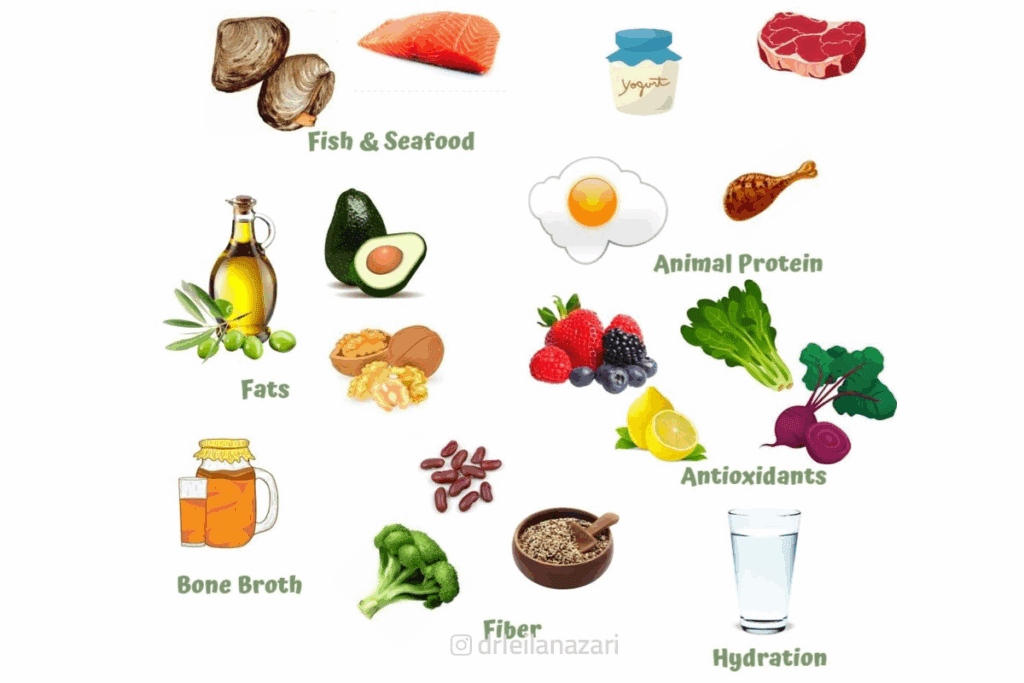
Foods to Eat Before Embryo Transfer for Optimal Success
Eating the right foods before embryo transfer can help with fertility. A balanced diet full of important nutrients supports the process. It might also increase your chances of getting pregnant.
Mediterranean Diet Benefits for Fertility
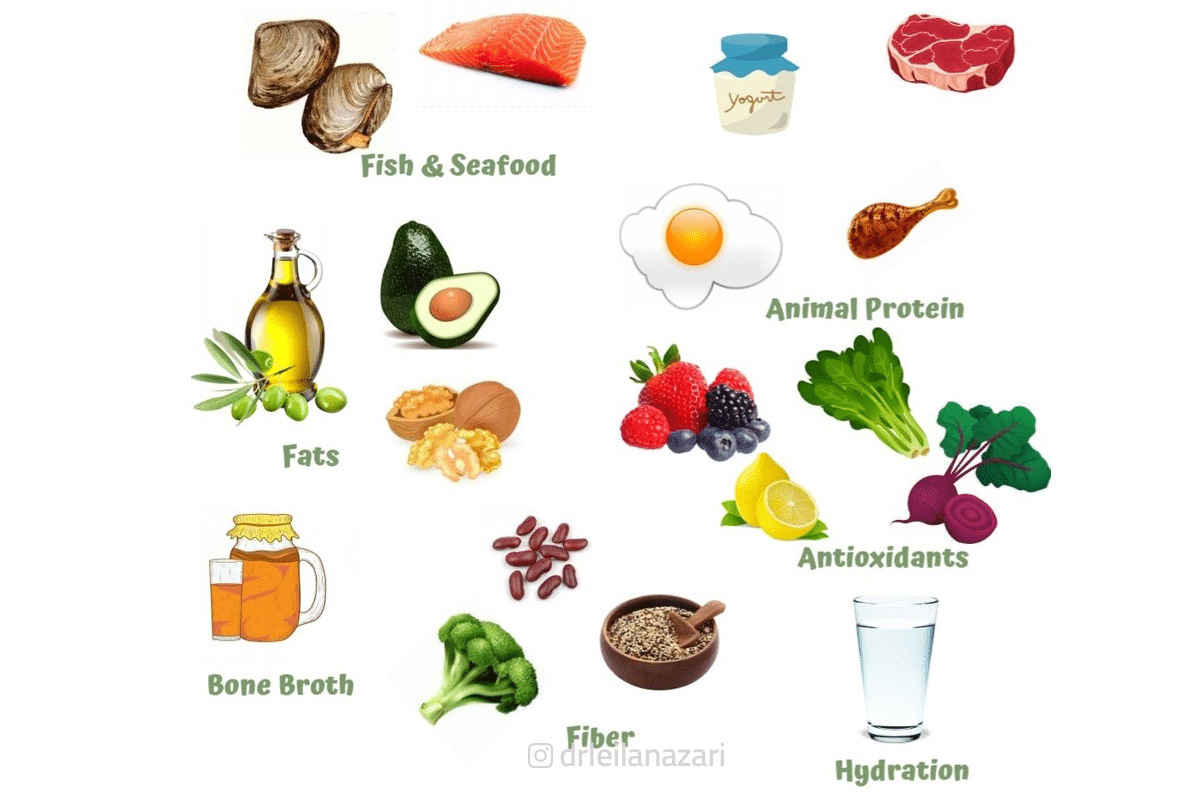
The Mediterranean diet is great for health, including fertility. It’s full of fruits, veggies, whole grains, and healthy fats like olive oil. Studies show it can boost fertility by fighting inflammation and stress.
Nutrients in the Mediterranean Diet that help with fertility include:
- Monounsaturated fats from olive oil
- Omega-3 fatty acids from fish
- Antioxidants from fruits and vegetables
- Fiber from whole grains and legumes
Fertility-Boosting Nutrients and Sources
Some nutrients are key for fertility and embryo growth. Adding these to your diet before the transfer can help.
| Nutrient | Food Sources | Benefit |
|---|---|---|
| Omega-3 fatty acids | Salmon, walnuts, chia seeds | Reduces inflammation, supports hormone production |
| Folate | Leafy greens, legumes, citrus fruits | Essential for fetal development, prevents birth defects |
| Antioxidants (Vitamin C, E) | Berries, nuts, seeds, dark leafy greens | Protects eggs and sperm from oxidative damage |
Anti-inflammatory Foods to Include
Chronic inflammation can hurt fertility. Eating anti-inflammatory foods can help embryo implantation.
- Fatty fish like salmon and sardines
- Turmeric and ginger
- Green tea
- Dark chocolate (in moderation)
Foods and Substances to Avoid
It’s also key to avoid certain foods and substances for fertility. This can help with embryo transfer success.
Limit or Avoid:
- Processed and high-sugar foods
- Trans fats and partially hydrogenated oils
- Excessive caffeine and alcohol
- High-mercury fish like shark and swordfish
Making smart food choices and adding fertility-boosting nutrients can prepare your body for embryo transfer. This might improve your chances of a successful pregnancy.
Lifestyle Modifications to Improve FET Outcomes
Healthy lifestyle changes can boost the success of Frozen Embryo Transfer (FET). They help create a better environment for the embryo to implant. While medical care is key, lifestyle adjustments can also support the process and improve results.
Exercise Guidelines Before and After Transfer
Light exercise is good before and after FET to keep you healthy and calm. But, it’s important to not do too much. High-impact activities might harm the implantation process.
- Try low-impact exercises like walking, yoga, or swimming
- Stay away from intense workouts or activities that strain too much
- Do gentle stretching to stay flexible and calm
A study in the Journal of Clinical Endocrinology and Metabolism found that exercise during IVF can increase pregnancy chances.
Stress Management Techniques
Managing stress is vital during FET. High stress can lower implantation and pregnancy rates. Meditation, deep breathing, and mindfulness can help reduce stress and keep you relaxed.
“Mindfulness is being present without judgment. It lowers stress and anxiety, making FET more positive.”
Medical Expert, Fertility Specialist
| Stress Management Technique | Description | Benefits |
|---|---|---|
| Meditation | Focused attention on the present moment | Reduces stress, improves emotional regulation |
| Deep Breathing Exercises | Conscious control of breathing patterns | Promotes relaxation, reduces anxiety |
| Mindfulness Practices | Non-judgmental awareness of the present moment | Enhances emotional well-being, reduces stress |
Sleep Optimization Strategies
Good sleep is key for health and might help FET success. A regular sleep schedule and a quiet sleep space can improve your sleep.
- Stick to a consistent sleep schedule
- Make your sleep area dark and quiet
- Stay away from screens and exciting activities before bed
Acupuncture and Complementary Therapies
Acupuncture and other therapies might help FET success. They could improve blood flow to the uterus and lower stress. More research is needed, but some studies are promising.
Always talk to your healthcare provider before trying new therapies for FET.
The Day Before Embryo Transfer: Preparation Checklist
The day before your embryo transfer is key to get ready for the big day. We suggest a detailed checklist to make you feel more ready and confident.
Final Medical Instructions
It’s vital to follow your doctor’s last-minute advice. This might include taking certain medicines, like progesterone, to help the embryo implant. Make sure you know how much to take and when.
What to Eat and Drink
Eating well is important before your FET. Eat foods full of nutrients like fruits, veggies, whole grains, and lean meats. Some research says a Mediterranean diet can help with fertility. Also, drink lots of water to stay hydrated.
Mental Preparation Techniques
Getting your mind ready is as important as your body. Try meditation, deep breathing, or yoga to calm your nerves. Take time to relax and do things that make you feel good.
Items to Bring to Your Appointment
Having a list of things to bring to your FET can make things easier. Here’s a table with some must-haves:
| Item | Description |
|---|---|
| Insurance cards and identification | Make sure you have all your documents ready. |
| Comfortable clothing | Wear something loose and comfy for the procedure. |
| Snacks and water | Having some snacks and water can be helpful. |
| Phone and charger | Keep your phone charged in case you need to call someone after. |
By using this checklist, you’ll be well-prepared for your FET, both physically and mentally.
The Frozen Embryo Transfer Procedure: Step by Step
The FET process starts with thawing embryos. It’s a key part of assisted reproduction. It helps individuals and couples who want to conceive.
Embryo Thawing Process
The thawing of embryos is a vital first step. Our embryologists use advanced techniques to make the embryos viable again. They quickly warm the embryos to avoid damage from ice crystals.
What Happens During the Transfer
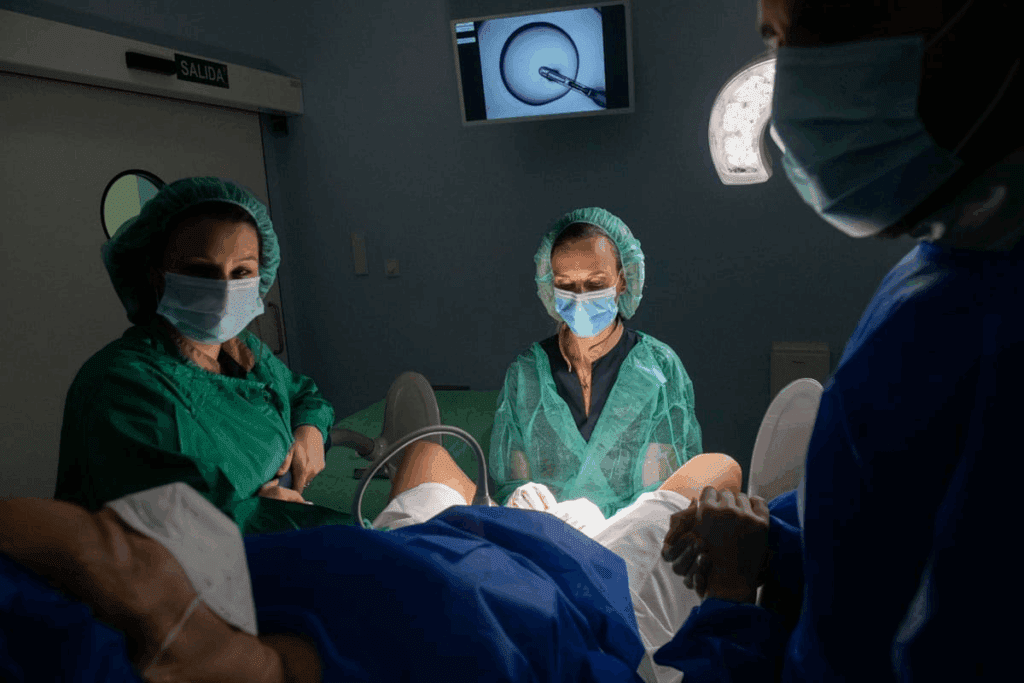
During the transfer, the embryo is inserted into the uterus with a catheter. This is done under ultrasound to place it correctly. The whole process takes just a few minutes.
The Catheter Placement Technique
The way the catheter is placed is very important. A thin, flexible catheter is carefully guided through the cervix into the uterus. Ultrasound helps place the embryo in the best spot for implantation.
Duration and Discomfort Level
The FET procedure is quick and minimally invasive, needing no anesthesia. Most people feel little pain, like a routine pap smear. The whole visit usually lasts about 30 minutes to an hour.
Post-Transfer Care and Recommendations
Post-transfer care is very important for the success of a Frozen Embryo Transfer (FET). After the transfer, we suggest following certain guidelines. These can help increase your chances of getting pregnant.
Activity Restrictions and Guidelines
We tell patients to stay away from hard work, heavy lifting, and bending for a few days. You don’t need to stay in bed all the time, but do it gently. Walking is okay, but always check with your doctor first.
Post-Transfer Medication Protocols
It’s key to stick to your medication plan after FET. This usually means taking progesterone to help the embryo implant. We’ll give you all the details on how and when to take it. Following this closely can really help.
Symptom Monitoring
Keep an eye on how your body feels after the FET. Some discomfort is normal, but severe pain, heavy bleeding, or fever need immediate doctor’s attention. Writing down your symptoms can help your doctor understand better.
When to Contact Your Doctor
If you have severe pain, heavy bleeding, or a fever over 100.4°F (38°C), call your doctor right away. Also, if you have questions about your meds or are unsure about your care, reach out to your healthcare team.
By following these post-transfer care tips, you can greatly improve your FET’s success chances. Our team is here to support you every step of the way, aiming for the best results for your treatment.
Common Concerns About Frozen Embryo Transfer
Understanding the common concerns about Frozen Embryo Transfer can make the process easier for patients. We’ll guide you through the details of FET, addressing the questions and worries that come with it.
Embryo Quality After Thawing
Patients often worry about embryo quality after thawing. Thanks to vitrification technology, embryo survival rates have greatly improved. Vitrification freezes embryos quickly, preventing ice crystal damage.
Studies show that over 90% of embryos survive vitrification. Many clinics report even higher success rates.
The thought of freezing and thawing your embryos can be scary. But, the technology ensures they stay viable and healthy. This gives a good chance of successful implantation and pregnancy.
Multiple Embryo Considerations
Deciding on one or multiple embryo transfers is a big concern. Transferring more embryos can increase pregnancy chances but also risks multiple gestations. We consider age, embryo quality, and medical history to decide the best number.
We aim to increase pregnancy chances while avoiding multiple gestation risks. Often, we recommend a single embryo transfer for those with a good prognosis.
Failed Transfer Management
Handling a failed embryo transfer can be tough emotionally. It’s important to know that failure doesn’t mean a problem with the embryos or uterus. Many factors, like timing and embryo quality, can affect success.
If a transfer fails, we help you understand what might have gone wrong. We might adjust the treatment or look into the uterine environment to improve future chances.
Obstetric Outcomes with FET
Patients wonder about the obstetric outcomes of FET compared to fresh transfers. Research shows FET often has similar or better outcomes. The risk of OHSS is lower, and some studies suggest a reduced ectopic pregnancy risk.
We closely monitor FET pregnancies for the best outcomes for mother and baby. Our team provides detailed care throughout the pregnancy.
Conclusion
Frozen Embryo Transfer (FET) has changed the game in IVF. It gives people and couples a strong chance to have a baby. By learning about FET and getting ready, patients can increase their success rate.
FET success rates are as good as, or even better than, fresh transfers. This is thanks to better freezing technology and the right timing for transfers. With the right FET plan, medical and lifestyle prep, and following care tips, success is more likely.
This guide shows how important preparation is. Eating right, managing stress, and staying healthy all help. Adding fertility-boosting foods and keeping a healthy lifestyle can help your embryo grow well.
In short, FET is a hopeful way to become parents. By understanding it and preparing well, people can look forward to a successful FET.
FAQ
What is a Frozen Embryo Transfer (FET)?
Frozen Embryo Transfer is a type of IVF treatment. It uses previously frozen embryos. These are thawed and then transferred into the uterus.
How does a Frozen Embryo Transfer work?
The process starts with thawing the frozen embryos. Then, the embryo(s) are transferred into the uterus. This is done through a catheter guided by ultrasound.
What are the different FET protocols available?
There are several FET protocols. These include Natural Cycle FET, Programmed (Hormone-Supported) FET Cycles, and Modified Natural Cycles. Each is tailored to the patient’s cycle and ovarian reserve.
What is the FET timeline?
The timeline for FET includes several steps. These are pre-cycle testing, endometrial preparation (2-4 weeks), and monitoring appointments. The optimal transfer date is determined based on the chosen protocol.
How do I prepare medically for a Frozen Embryo Transfer?
Medical preparation involves using estrogen and progesterone. These medications thicken the uterine lining and support embryonic development. Managing side effects is also important.
What dietary choices can enhance FET success?
Eating a Mediterranean-style diet can help. It should include whole foods, healthy fats, antioxidants, and omega-3 fatty acids. These support fertility and implantation.
Are there any lifestyle modifications that can improve FET outcomes?
Yes, gentle exercise and stress management are beneficial. Techniques like meditation or yoga can help. Optimizing sleep and considering acupuncture are also good ideas.
What should I do the day before the embryo transfer?
The day before, finalize medical preparations. Follow dietary recommendations for implantation. Use mental preparation techniques. Make sure you have everything you need for the appointment.
What happens during the FET procedure?
The procedure involves thawing the embryos. Then, the embryo(s) are transferred into the uterus. This is done using a catheter guided by ultrasound.
What are the post-transfer care instructions?
Post-transfer care includes following activity restrictions. Adhere to medication protocols. Monitor for any symptoms that may require medical attention.
How does Frozen Embryo Transfer compare to fresh embryo transfer in terms of success rates?
Studies show FET can have higher success rates. This is due to better uterine preparation and the ability to perform genetic testing on the embryos.
On which day of the cycle is Frozen Embryo Transfer done?
The transfer date is based on the FET protocol and embryo development. It’s typically after the uterine lining has been prepared.
What are the potentially side effects of FET medications?
Medications like estrogen and progesterone can have side effects. Understanding how to manage them is key for a successful cycle.
Can I transfer multiple embryos during FET?
Transferring multiple embryos is an option. But, it’s important to consider the risks of multiple pregnancies. Discuss this with your healthcare provider.
References
National Center for Biotechnology Information. Evidence-Based Medical Guidance. Retrieved from https://pmc.ncbi.nlm.nih.gov/articles/PMC11951573/
National Center for Biotechnology Information. Evidence-Based Medical Guidance. Retrieved from https://pmc.ncbi.nlm.nih.gov/articles/PMC11951573/