Last Updated on November 20, 2025 by Ugurkan Demir
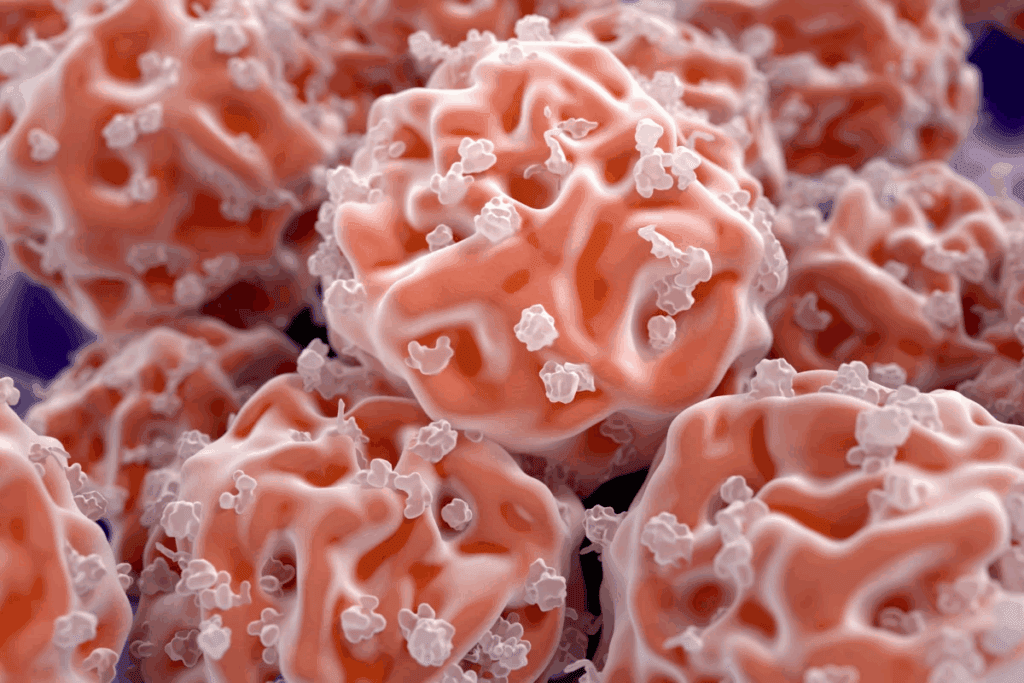
Bone marrow failure is when the bone marrow can’t make enough healthy blood cells. This makes it hard for the body to keep itself alive. At Liv Hospital, we know how important this is for your health.
Bone marrow is the soft tissue inside some bones. It has stem cells that turn into red blood cells, white blood cells, and platelets. If it fails, making these cells is a problem.
Knowing why bone marrow failure happens is key to treating it. We aim to give top-notch care and the latest medicine to those dealing with these tough conditions.
Key Takeaways
- Bone marrow failure affects the production of healthy blood cells.
- Understanding the causes is key to good diagnosis and treatment.
- Liv Hospital offers full care for patients with bone marrow failure.
- We are dedicated to using the latest medicine and international standards.
- Spotting it early can really help with treatment.
What is Bone Marrow Failure?
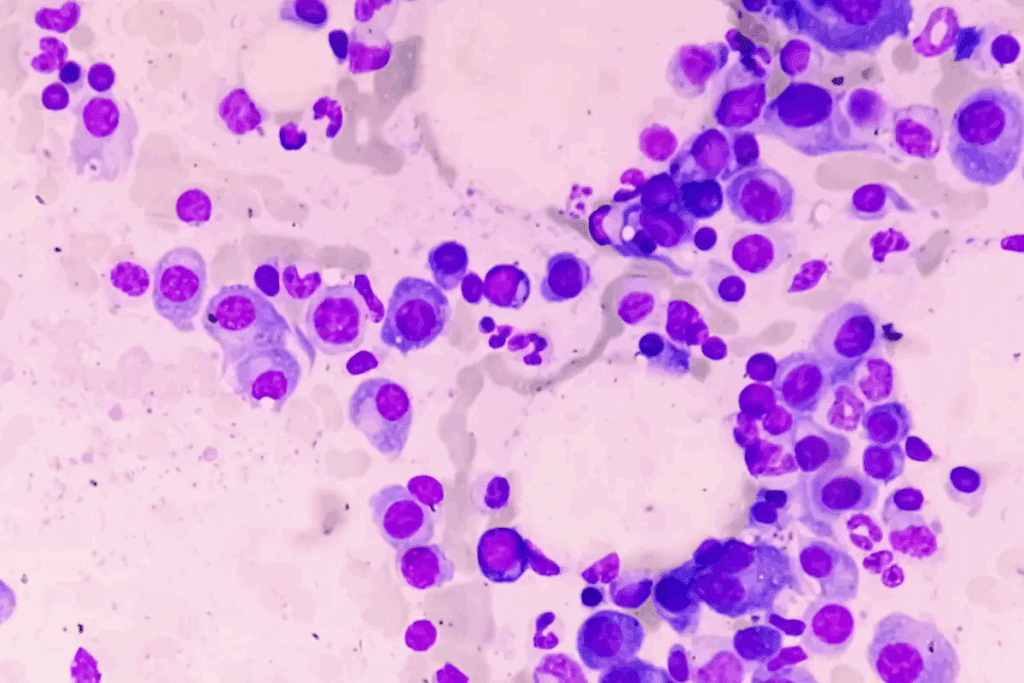
Bone marrow failure happens when our bone marrow can’t make enough blood cells. Bone marrow is the soft tissue inside bones, like the hips and thighbones. It makes red blood cells, white blood cells, and platelets.
These cells are key to carrying oxygen, fighting infections, and stopping bleeding.
The Role of Healthy Bone Marrow
Healthy bone marrow keeps our blood cell balance right. It has stem cells that turn into different blood cells. This process is complex and keeps our body healthy.
When bone marrow works well, it gives us the cells we need for our body’s functions.
How Bone Marrow Insufficiency Develops
Bone marrow insufficiency occurs when the bone marrow can’t make enough blood cells. This can be due to damaged stem cells or a bad bone marrow environment. Without enough cells, we might get anemia, infections, or bleeding problems.
It can be caused by genetic disorders, chemicals, viruses, or some medicines. Knowing why it happens helps find the right treatment.
The Spectrum of Bone Marrow Dysfunction
Bone marrow dysfunction can be mild or severe. It includes aplastic anemia, where the bone marrow can’t make blood cells. Other issues are myelodysplastic syndromes and leukemia, where the bone marrow makes abnormal cells.
| Condition | Description | Impact on Blood Cells |
| Aplastic Anemia | Bone marrow fails to produce blood cells. | Reduces all types of blood cells. |
| Myelodysplastic Syndromes | Bone marrow produces abnormal cells. | It can lead to anemia, infections, and bleeding. |
| Leukemia | Production of malignant white blood cells. | Impairs normal white blood cell function. |
Knowing about bone marrow dysfunction helps us diagnose and treat these issues. We’ll look into the causes and effects of bone marrow failure more in the next sections.
The Impact of Bone Marrow Failure on Blood Cell Production
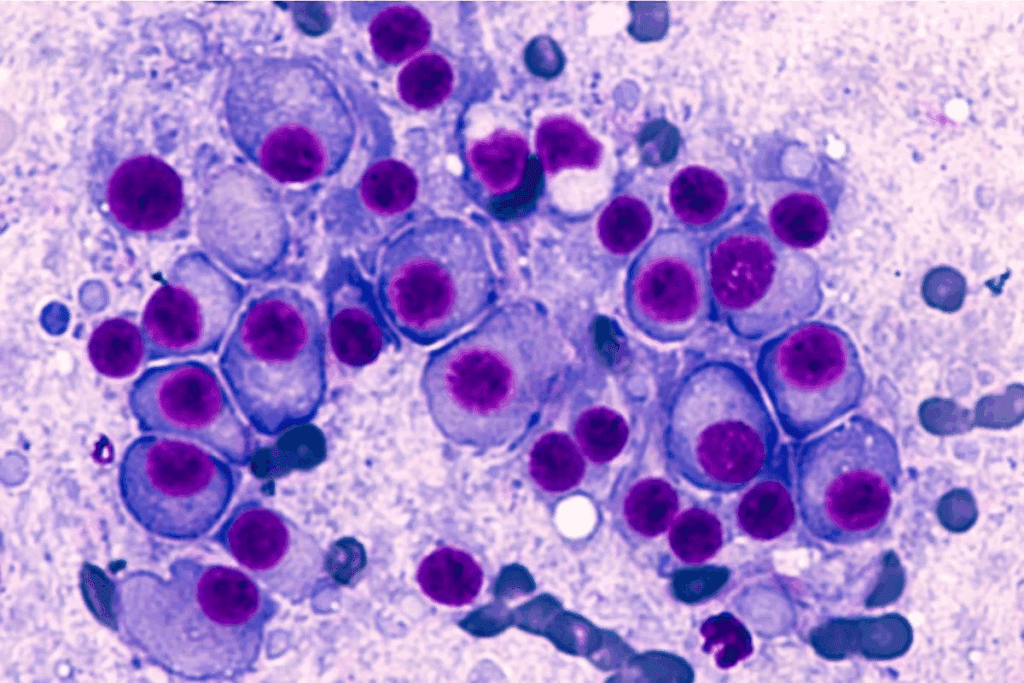
Bone marrow failure stops the body from making vital blood cells. This leads to health problems. The bone marrow can’t make enough blood cells, causing many issues.
Red Blood Cell Deficiency (Anemia)
One big problem is a drop in red blood cell production, causing anemia. Anemia means the body can’t carry enough oxygen. This leads to tiredness, weakness, and shortness of breath. We’ll look at how anemia affects the body.
White Blood Cell Deficiency (Leukopenia)
Bone marrow failure also leads to leukopenia, a low white blood cell count. White blood cells fight infections. Without enough, the body gets sick more easily. We’ll talk about the dangers of leukopenia and its impact on immunity.
Platelet Deficiency (Thrombocytopenia)
Another big issue is thrombocytopenia, when platelet counts are too low. Platelets help blood clot. Without enough, there’s more bruising and bleeding. We’ll look at what causes thrombocytopenia and its effects.
Failure of Blood Cell Production in the Bone Marrow
The bone marrow’s failure to produce blood cells is complex. It affects many types of cells. This leads to anemia, leukopenia, and thrombocytopenia. We’ll explore why this happens and its health impacts.
In summary, bone marrow failure greatly affects blood cell production. This leads to various deficiencies and conditions. Understanding these effects is key to managing and treating bone marrow failure disorders.
Recognizing Bone Marrow Failure Symptoms
It’s important to know the signs of bone marrow failure. This knowledge can help improve patient care and quality of life. Bone marrow failure can show up in many ways. So, it’s key for both patients and doctors to spot these signs early.
Common Physical Symptoms
The symptoms of bone marrow failure vary. They depend on which blood cells are affected. Here are some common signs:
- Fatigue and Weakness: A drop in red blood cells leads to anemia.
- Increased Infections: Without enough white blood cells, fighting infections is harder.
- Bleeding and Bruising: Low platelet counts make it tough for blood to clot.
Systemic Effects of Bone Marrow Depression
Bone marrow depression affects the whole body. It can harm overall health and well-being. Some effects include:
- Shortness of Breath: Anemia reduces oxygen to tissues, causing shortness of breath.
- Pale Skin: Anemia also causes pale skin due to fewer red blood cells.
- Increased Risk of Infections: Leukopenia makes patients more likely to get infections.
When to Seek Medical Attention
Knowing when to see a doctor is key. If you notice any of these symptoms, get help:
| Symptom | Description | Action |
| Severe Fatigue | Feeling extremely weak and tired all the time | Seek medical attention if it persists |
| Frequent Infections | Having more infections than usual, or infections that are severe | Consult a doctor to rule out underlying bone marrow issues |
| Unexplained Bleeding | Bleeding gums, nosebleeds, or easy bruising | Get medical help to check for platelet or clotting issues |
Early treatment of bone marrow failure can greatly improve outcomes. If you’re worried about symptoms, contact a healthcare provider right away.
Four Causes of Bone Marrow Failure: An Overview
It’s important to know why bone marrow fails to work properly. This knowledge helps doctors find the right treatment. There are many reasons why bone marrow can fail, and knowing them is key.
Primary vs. Secondary Bone Marrow Failure
Bone marrow failure can be caused by two main things. Primary failure happens when the bone marrow itself gets sick. This can be seen in aplastic anemia.
Secondary failure is when something outside damages the bone marrow. This can be from harmful chemicals or certain medicines.
Idiopathic Bone Marrow Failure (Unexplained Cases)
At times, bone marrow failure has no clear reason. This is called idiopathic bone marrow failure. It shows how complex this condition can be.
Risk Factors for Developing Bone Marrow Disorders
There are many things that can lead to bone marrow problems. These include genes you’re born with, harmful chemicals, and treatments like chemotherapy. Knowing these risks can help catch problems early.
The main reasons for bone marrow failure are:
- Inherited genetic bone marrow failure syndromes
- Acquired aplastic anemia
- Myelodysplastic syndromes
- Damage from cancer treatments
It’s vital to understand these causes. Knowing the difference between primary and secondary failure is important. Also, being aware of idiopathic cases and risk factors helps in treating bone marrow failure well.
Cause #1: Inherited Genetic Bone Marrow Failure Syndromes
Inherited genetic bone marrow failure syndromes are rare disorders. They make it hard for the bone marrow to make enough blood cells. These conditions often start in childhood but can be found in adults, too.
Fanconi Anemia
Fanconi anemia is a rare genetic disorder. It stops the body from making new blood cells, leading to bone marrow failure. It also causes birth defects, makes people more likely to get cancer, and causes problems with DNA.
Key features of Fanconi anemia include:
- Congenital abnormalities
- Bone marrow failure
- Increased risk of cancer
- Genomic instability
Diamond Blackfan Anemia
Diamond-Blackfan anemia is a rare genetic disorder. It affects the production of red blood cells. It is often found in babies or young children.
Characteristics of Diamond-Blackfan anemia include:
- Red blood cell aplasia
- Congenital abnormalities
- Increased risk of certain cancers
Dyskeratosis Congenita
Dyskeratosis congenita is a rare genetic disorder. It causes early aging of the skin and mucous membranes. It also increases the risk of bone marrow failure and cancer.
| Syndrome | Key Features | Blood Cell Affected |
| Fanconi Anemia | Congenital abnormalities, bone marrow failure, cancer susceptibility | All blood cells |
| Diamond Blackfan Anemia | Red blood cell aplasia, congenital abnormalities | Red blood cells |
| Dyskeratosis Congenita | Premature aging, bone marrow failure, cancer susceptibility | All blood cells |
Other Inherited Bone Marrow Failure Syndromes
Other syndromes that can cause bone marrow failure include Shwachman-Diamond syndrome and severe congenital neutropenia. Each has its own unique features and affects blood cell production differently.
It’s important to understand these inherited genetic bone marrow failure syndromes. This helps with early diagnosis and treatment. Genetic counseling and testing can also identify those at risk.
Cause #2: Acquired Aplastic Anemia
Acquired aplastic anemia is a major cause of bone marrow failure. It’s different from inherited conditions. This happens when the bone marrow can’t make blood cells well. We’ll look at why this happens, like immune problems, toxic chemicals, some medicines, and viruses.
Immune-Mediated Bone Marrow Destruction
In some cases, the immune system attacks the bone marrow stem cells. This is called immune-mediated destruction. It makes the body make fewer blood cells. The details of how this happens are complex and involve many immune cells and substances.
Toxic Chemical Exposure and Bone Marrow Damage
Some chemicals, like pesticides and benzene, can cause acquired aplastic anemia. These chemicals harm the bone marrow, making it hard to make blood cells. The risk depends on the chemical, how long you’re exposed, and how you react to it.
Medication-Induced Bone Marrow Failure
Some medicines, like antibiotics and anti-inflammatory drugs, can harm the bone marrow. This can happen directly or through an immune reaction. It’s important to stop the medicine quickly if this happens.
Viral Infections and Bone Marrow Suppression
Viruses, like hepatitis and HIV, can also harm the bone marrow. They can infect the marrow cells or trigger an immune attack. Knowing the viruses involved helps in finding the right treatment.
Acquired aplastic anemia has many causes, including immune problems, chemicals, medicines, and viruses. Understanding these causes is key to diagnosing and treating the condition.
Cause #3: Myelodysplastic Syndromes (MDS)
Myelodysplastic syndromes (MDS) are a group of blood disorders. They make it hard for the body to make healthy blood cells. This can lead to a higher risk of getting acute myeloid leukemia.
We will look at the different types of MDS. We will also talk about the risk factors and complications.
Types of Myelodysplastic Syndromes
MDS includes several disorders with different characteristics. The World Health Organization (WHO) has a framework for classifying MDS. It looks at the blood cells’ shape, genetic changes, and how the disease presents.
The main types are refractory anemia, refractory anemia with ring sideroblasts, and others. Each type has its own features and how it might progress.
Risk Factors for Developing MDS
Several things can increase the risk of getting MDS. These include being exposed to harmful chemicals, having had chemotherapy or radiation, and having a genetic predisposition. Knowing these risk factors helps in early detection and treatment.
Being exposed to benzene and other chemicals can raise the risk. So can having had chemotherapy or radiation therapy.
Progression to Acute Myeloid Leukemia
MDS can turn into acute myeloid leukemia (AML). The risk depends on the MDS type and genetic mutations.
Those with a high blast count or certain genetic changes are at higher risk. Regular checks and quick action are key to managing this risk.
Bone Marrow Malfunction in MDS
In MDS, the bone marrow doesn’t make healthy blood cells. This leads to anemia, infections, and bleeding. The bone marrow’s failure is due to genetic and environmental factors.
This malfunction can cause a range of problems. These can range from mild anemia to serious infections and bleeding.
Cause #4: Cancer Treatment-Related Bone Marrow Damage
The fourth cause of bone marrow failure is linked to cancer treatments. Chemotherapy and radiation are key in fighting cancer. Yet, they can harm bone marrow health.
Chemotherapy-Induced Bone Marrow Suppression
Chemotherapy targets fast-growing cells, including cancer and bone marrow cells. This can cause chemotherapy-induced bone marrow suppression. It leads to fewer red and white blood cells and platelets.
Doctors closely watch blood cell counts and adjust treatments as needed. They might also use medications to boost bone marrow production.
Radiation Therapy Effects on Bone Marrow
Radiation therapy can harm bone marrow, mainly if the area treated includes marrow-rich bones. The damage’s extent depends on the radiation dose and area. High doses can cause lasting or permanent damage.
New radiation therapy methods aim to protect bone marrow. They focus on precise tumor targeting and use techniques like intensity-modulated radiation therapy (IMRT).
Temporary vs. Permanent Bone Marrow Damage
The effects of cancer treatment on bone marrow vary. They can be temporary or permanent, based on treatment type and intensity, and patient factors. Temporary damage is common and often heals after treatment ends. But some damage can last, causing chronic bone marrow failure.
Managing Cancer Treatment While Protecting Bone Marrow
Protecting bone marrow during cancer treatment is complex. It involves careful planning of treatments and monitoring blood cell counts. Supportive care, like growth factors, also helps stimulate bone marrow.
We look into other treatment options and clinical trials to lessen bone marrow damage. A tailored treatment plan helps manage cancer while keeping bone marrow healthy.
Diagnosis and Treatment Options for Bone Marrow Failure Disorders
It’s important to know how to diagnose and treat bone marrow failure. Doctors use a mix of clinical checks, lab tests, and genetic tests to find the cause.
Blood Tests and Complete Blood Count
Blood tests, like the Complete Blood Count (CBC), are key in diagnosing bone marrow failure. A CBC checks the levels of red, white blood cells, and platelets. If these levels are off, it might mean the bone marrow isn’t working right.
- Red Blood Cell Count: Low counts can make you feel tired and weak.
- White Blood Cell Count: Low counts mean you’re more likely to get sick.
- Platelet Count: Low counts can cause easy bruising and bleeding.
Bone Marrow Biopsy and Aspiration
A bone marrow biopsy and aspiration are vital for a diagnosis. These tests take a sample of bone marrow for study. A biopsy looks at the bone marrow’s structure, while aspiration checks the cells.
Genetic Testing for Inherited Syndromes
Genetic testing is used if an inherited bone marrow failure syndrome is suspected. This test looks for specific genetic mutations linked to conditions like Fanconi anemia or Dyskeratosis congenita.
Treatment Approaches
Treatment for bone marrow failure varies based on the cause and how severe it is. Options include:
- Medications: To help the bone marrow work better or treat the cause.
- Blood Transfusions: To replace missing blood cells.
- Bone Marrow Transplantation: Needed for severe cases.
- Supportive Care: To manage symptoms and prevent problems.
Every patient is different, so treatments are customized. By accurately diagnosing and treating, we can help patients with bone marrow failure disorders.
Conclusion: Prognosis and Living with Bone Marrow Failure
Knowing the causes and symptoms of bone marrow failure is key to managing it well. We’ve talked about different disorders and syndromes linked to it. These include inherited genetic syndromes, acquired aplastic anemia, myelodysplastic syndromes, and damage from cancer treatment.
The outlook for bone marrow failure depends on the cause and how well treatment works. People with this condition may face anemia, infections, and bleeding problems. Managing bone marrow failure day-to-day requires ongoing care and support.
Bone marrow failure symptoms can really change a person’s life. By learning about the condition and its treatments, people can handle its challenges better. Good treatment and support can help patients live more active lives.
As we learn more about treating bone marrow failure, patients can look forward to better care. Working with doctors, people with bone marrow failure can deal with their condition’s complexities. This way, they can improve their quality of life.
FAQ
What is bone marrow failure?
Bone marrow failure happens when the bone marrow can’t make enough blood cells. This includes red blood cells, white blood cells, and platelets. It leads to health problems.
What are the symptoms of bone marrow failure?
Symptoms include feeling very tired, weak, and getting sick easily. You might also bruise or bleed a lot. Other signs are shortness of breath and feeling dizzy.
What are the four main causes of bone marrow failure?
The main causes are genetic syndromes, aplastic anemia, myelodysplastic syndromes, and damage from cancer treatments.
What is inherited genetic bone marrow failure syndrome?
These are conditions caused by genetic mutations. They affect the bone marrow’s ability to make blood cells. Examples are Fanconi anemia and Dyskeratosis Congenita.
How is bone marrow failure diagnosed?
Doctors use blood tests, bone marrow biopsies, and genetic tests. These help find the cause of the condition.
What are the treatment options for bone marrow failure?
Treatments depend on the cause. They might include medicines, blood transfusions, or bone marrow transplants.
Can bone marrow failure be cured?
It depends on the cause. Some cases, like genetic syndromes, need ongoing care. Others, like aplastic anemia, might be treated with medicines.
How long can you live with bone marrow failure?
Life expectancy varies. It depends on the cause, how severe it is, and how well you respond to treatment. With the right care, some people can live active lives.
What is the impact of bone marrow failure on daily life?
It can greatly affect daily life. You might feel very tired, get sick easily, and need to see doctors often. Treatments are needed regularly.
How can bone marrow damage from cancer treatments be managed?
To manage damage, doctors adjust treatment doses. They use protective medicines and keep an eye on blood cell counts.
What are the risk factors for developing bone marrow disorders?
Risk factors include exposure to harmful chemicals, certain medicines, viral infections, and a family history of bone marrow failure.
Can bone marrow failure lead to other health conditions?
Yes, it can increase the risk of infections, anemia, and bleeding disorders. It might also lead to more serious conditions like leukemia.
References:
- United Nations Development Programme. (2022). Access to essential diagnostics and treatments for hematologic disorders. UNDP Health Equity Report. Available at:https://www.undp.org/publications/health-equity-report-2022