Last Updated on November 4, 2025 by mcelik

Effective fracture care is key for a good recovery. An Orthopedic Surgeon Hospital, says knowing the 5 Rs of fracture management is important for doctors.
The 5 Rs – Recognition, Resuscitation, Reduction, Retention, and Rehabilitation/Reconstruction – are the basics of fracture care. Learning these steps helps doctors improve patient results.
Key Takeaways
- Understanding the 5 Rs is vital for good fracture care.
- The 5 Rs include Recognition, Resuscitation, Reduction, Retention, and Rehabilitation/Reconstruction.
- A detailed guide to fracture management steps is key for doctors.
- Good fracture management leads to better patient recovery and results.
The Fundamentals of Bone Fractures
Understanding bone fractures is key to managing them. A bone fracture happens when a bone breaks, either partially or completely. This can be due to injuries or conditions that harm bone health.
Types and Classifications of Fractures
Fractures are grouped based on their severity, where they happen, and how they break. Here are some common types:
- Open vs. Closed Fractures: Open fractures have a skin break, which can lead to infection. Closed fractures don’t.
- Complete vs. Incomplete Fractures: Complete fractures are a full break. Incomplete fractures are only a partial break.
- Comminuted Fractures: These have many bone fragments.
- Stress Fractures: These are small cracks in bones, often from too much stress or overuse.
Common Causes and Risk Factors
Many things can cause bone fractures, including:
- Trauma: Accidents, work injuries, and sports injuries are common causes.
- Osteoporosis: This condition weakens bones in older people, raising fracture risk.
- Repetitive Stress: Doing the same thing over and over can cause stress fractures.
Some groups are more at risk, like the elderly and those with bone density issues.
Initial Signs and Symptoms
Spotting fracture signs early is important. Look out for:
- Pain: Severe pain right away.
- Swelling and Bruising: Swelling and bruising where it hurts.
- Deformity: A limb looks different or is out of place.
- Loss of Function: You can’t move the hurt area.
Knowing these basics helps in managing fractures well, from first check-up to recovery.
Essential Fracture Management Steps: The 5 Rs Framework
The 5 Rs approach is key in orthopedic care. It includes Recognition, Resuscitation, Reduction, Retention, and Rehabilitation. Many orthopedic experts have helped shape this framework over time.
Historical Development of the 5 Rs Approach
Orthopedic professionals have worked hard to improve fracture care. The management of fractures has changed a lot. Now, we use more advanced and proven methods.
The 5 Rs framework was created by many orthopedic specialists. They saw the need for a clear plan for fracture care. This plan has evolved to cover all steps, from first assessment to rehabilitation.
Key milestones in the historical development include:
- Early recognition of the importance of prompt and accurate fracture diagnosis
- Advancements in resuscitation techniques for patients with multiple injuries
- Improvements in reduction methods to achieve better anatomical alignment
- Development of retention strategies to maintain fracture reduction during healing
- Emphasis on rehabilitation to restore function and facilitate return to normal activities
Implementation in Modern Orthopedic Practice
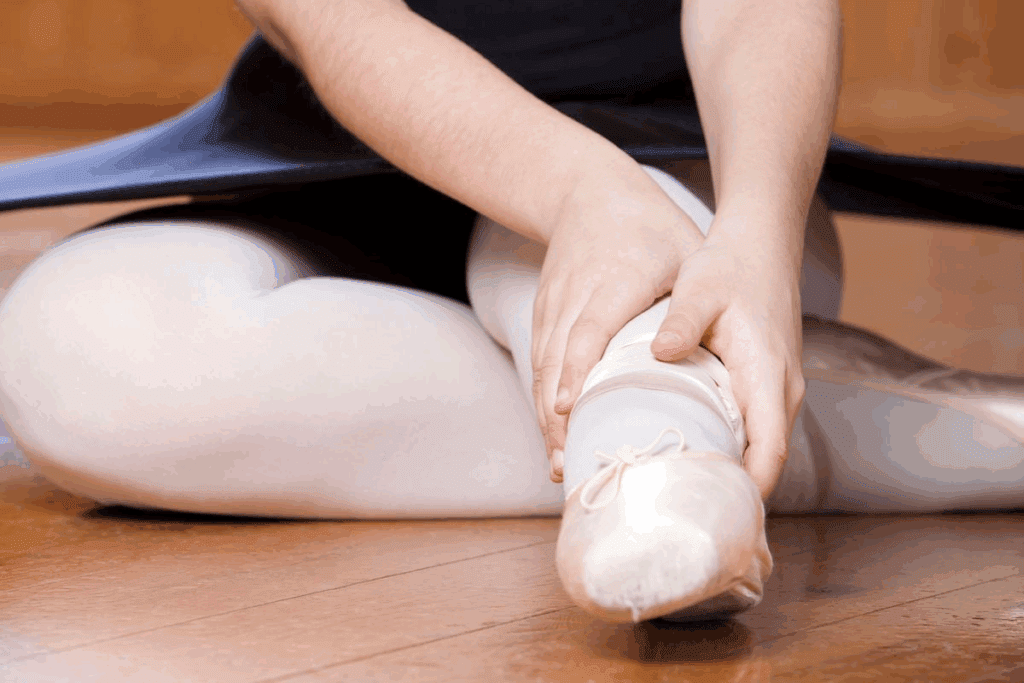
In today’s orthopedic care, the 5 Rs framework is used by a team of experts. This team includes orthopedic surgeons, nurses, and physiotherapists. Their work together ensures that fracture care is thorough.
The 5 Rs framework is put into action in several steps:
- Recognition of the fracture through clinical assessment and imaging
- Resuscitation of the patient, including pain management and addressing associated injuries
- Reduction of the fracture to achieve anatomical alignment
- Retention of the fracture in the reduced position through immobilization or fixation
- Rehabilitation to restore function and promote healing
Evidence-Based Outcomes of Structured Management
The 5 Rs framework has shown to improve patient care. Studies have found better healing rates and fewer complications. Patients also report better pain management and function.
Some key benefits include:
- Reduced morbidity and mortality rates
- Improved fracture union rates
- Enhanced patient satisfaction due to better pain management and functional recovery
- Decreased length of hospital stay and healthcare costs
First R: Recognition of Fracture
Recognizing a fracture is key and involves both clinical checks and imaging. Getting the diagnosis right is vital for managing the fracture well. This ensures the right treatment plan is followed.
Clinical Assessment and Physical Examination
The first step in spotting a fracture is a detailed clinical check and physical exam. Doctors look for signs like deformity, swelling, and pain when moving. They also review the patient’s medical history to understand their health and fracture risks.
Key components of the clinical assessment include:
- Patient history to identify risk factors and previous fractures
- Physical examination to assess pain, deformity, and neurovascular status
- Evaluation of the mechanism of injury to understand the fracture’s severity
Imaging Modalities for Accurate Diagnosis
Imaging is essential for diagnosing fractures. X-rays are often the first choice because they’re easy to get and quick. But for complex cases, CT scans or MRI might be needed.
The right imaging depends on the fracture’s type, location, and the patient’s health.
Fracture Classification Systems
After diagnosing a fracture, doctors use classification systems. These systems help decide the best treatment and predict how well the patient will do. Systems like the AO/OTA for long bones and Denis for spinal fractures are common.
Understanding fracture classification is key for:
- Choosing the right treatment, including surgery
- Anticipating complications and outcomes
- Helping doctors talk about the patient’s care
Second R: Resuscitation Patient Care
The second R in fracture management is all about patient care. It means following Advanced Trauma Life Support (ATLS) rules, managing pain, and fixing other injuries.
Emergency Department Management Protocols
In the emergency room, a clear plan is key for fracture patients. This includes:
- Initial assessment and stabilization
- Rapid evaluation of the patient’s condition
- Activation of trauma protocols when necessary
ATLS principles help in the first steps. They make sure life-threatening issues are found and fixed fast.
Pain Management Strategies
Managing pain well is very important in the resuscitation phase. Ways to do this include:
- Administration of analgesics
- Use of regional anesthesia techniques
- Implementation of non-pharmacological interventions
Good pain management makes patients more comfortable. It also helps with further checks and treatments.
Managing Associated Injuries and Shock

Patients with fractures often have other injuries too. Handling these injuries means:
- Identifying and stabilizing other injuries
- Monitoring for signs of shock
- Implementing appropriate interventions
| Associated Injury | Management Strategy |
| Head Injury | Neurological monitoring, CT scan |
| Internal Bleeding | Surgical intervention, fluid resuscitation |
| Spinal Injury | Spinal immobilization, MRI evaluation |
Resuscitation patient care is complex. It needs careful attention and a team effort to manage the patient’s health.
Third R: Reduction Bone Alignment
The third R in fracture management is Reduction. It’s about putting the bone back in its normal place. This step is key for healing and getting the limb or area to work right again.
Principles of Anatomical Alignment
Getting the bone back to its original spot is vital for healing. It helps the bone heal properly and look and work like before. This is called anatomical alignment.
Key principles of anatomical alignment include:
- Restoring the normal length and rotation of the bone
- Ensuring proper alignment of the articular surfaces
- Achieving stable fixation to allow early mobilization
Closed Reduction Techniques
Closed reduction is when the doctor moves the bone without cutting it. This method is for simple fractures where the bone isn’t moved too much.
Benefits of closed reduction include less damage to tissues and a lower chance of infection compared to open reduction.
| Technique | Description | Indications |
| Manual Reduction | Involves the use of manual force to realign the bone fragments. | Simple fractures with minimal displacement. |
| Traction Reduction | Uses a mechanical device to apply traction and realign the bone. | Fractures requiring sustained traction for alignment. |
Open Reduction Approaches
Open reduction means the doctor makes an incision to see and fix the fracture. This method is for more complicated fractures or when closed reduction won’t work.
“Open reduction allows for direct visualization and manipulation of the fracture fragments, which can be beneficial in complex or comminuted fractures.”
Choosing between closed and open reduction depends on the fracture’s type and severity, the patient’s health, and the surgeon’s experience.
Fourth R: Retention Fracture Position
After fixing a fracture, keeping it in place is key. This is called retention. It can be done with casts, braces, or surgery. We watch it closely to make sure it heals right.
External Immobilization Methods
External immobilization uses casts, splints, or braces to hold the fracture in place. These are good for fractures that are stable after they’re fixed. They don’t need surgery.
Types of External Immobilization:
- Casts: Made of plaster or fiberglass, they wrap around the fracture.
- Splints: Used for swelling, they support without wrapping the limb.
- Braces: Custom or ready-made, they support for a long time and adjust as needed.
Internal Fixation Devices and Techniques
Internal fixation is surgery that uses implants like plates and screws. It’s for complex or unstable fractures. These can’t be fixed with casts alone.
| Device | Description | Use Case |
| Plates and Screws | Attach plates to the bone with screws for stability. | Good for long bone fractures. |
| Intramedullary Rods | Supports long bones from inside. | Best for femur and tibia shaft fractures. |
| Kirschner Wires (K-wires) | Thin wires for small fragments or temporary fix. | Used in kids or for small bones. |
Monitoring Fracture Alignment During Healing
It’s important to check the fracture often. We use X-rays and clinical checks to make sure it’s healing right.
Key aspects of monitoring include:
- Checking pain, swelling, and movement.
- X-rays to see how the fracture is healing.
- Changing treatment if needed.
By keeping the fracture in place and watching it heal, we can get better results. This helps avoid problems.
Fifth R: Rehabilitation After Fracture
The fifth R in fracture management is rehabilitation. It’s key to healing and getting back to normal. Rehabilitation helps patients regain their pre-injury activity level and quality of life.
Early Mobilization Protocols
Early mobilization is a big part of fracture recovery. It includes gentle exercises to keep joints moving and help healing. These protocols start soon after the fracture is fixed, either by surgery or other means.
Benefits of Early Mobilization:
- Reduces the risk of complications such as deep vein thrombosis and joint stiffness
- Promotes bone healing by stimulating blood flow and callus formation
- Enhances muscle strength and endurance
- Improves functional ability and reduces disability
Progressive Rehabilitation Phases
Rehabilitation after a fracture has different phases. Each phase has specific goals and exercises based on the patient’s recovery stage.
| Phase | Goals | Interventions |
| Acute Phase | Pain management, wound healing, initial mobilization | Pain management strategies, gentle mobilization exercises |
| Sub-acute Phase | Strengthening, range of motion improvement | Progressive resistance exercises, mobilization techniques |
| Advanced Phase | Functional training, return to activities | Functional exercises, sports-specific training |
Long-Term Recovery and Return to Activities
Long-term recovery and getting back to activities are key in fracture rehabilitation. This phase aims to restore the patient’s pre-injury function. It includes advanced strengthening, functional training, and sports drills.
Rehabilitation plans are made for each patient. They consider the fracture type, severity, any other injuries, and the patient’s health.
The Role of Orthopedic Specialists in the Fracture Management Process
Orthopedic specialists play a key role in managing fractures. They offer expertise from the start to the end of treatment. Their job goes beyond just treating the fracture; they care for the patient overall.
Initial Consultation and Treatment Planning
The journey starts with an initial consultation. Here, the specialist checks the fracture and decides the best treatment. They might use imaging to see how bad the fracture is.
Next, they plan the treatment. They make a plan that fits the patient’s needs. This includes the fracture type, the patient’s health, and their lifestyle.
Surgical Intervention When Necessary
When surgery is needed, specialists are ready. They use the latest methods and tools for the best care.
They decide on surgery carefully. It’s to help patients with serious or unstable fractures. Surgery can greatly improve their chances of recovery.
Coordinating Multidisciplinary Care
Orthopedic specialists work with a team. This team includes physical therapists, nurses, and others. They all work together for the patient’s care.
Good teamwork is essential for recovery. It makes sure all parts of care are covered. This includes treatment, rehabilitation, and follow-up.
Conservative vs. Surgical Fracture Treatment Approaches
The choice between conservative and surgical fracture treatment depends on several factors. These include the type and severity of the fracture.
It’s important to understand when each approach is best. This helps manage fractures effectively.
Indications for Non-Surgical Management
Non-surgical or conservative management is often chosen for certain fractures. These are usually non-displaced or only slightly displaced.
- Fractures with minimal displacement
- Stable fracture patterns
- Patients with significant comorbidities
Conservative treatment often involves using casts, splints, or braces. This lets the bone heal naturally.
Criteria for Surgical Intervention
Surgical intervention is needed for more serious fractures. These include displaced, unstable, or complex fractures.
| Fracture Characteristic | Surgical Indication |
| Displacement | Significant displacement requiring anatomical reduction |
| Instability | Fractures that are unstable and likely to displace |
| Complexity | Complex fracture patterns requiring stabilization |
Shared Decision-Making with Patients
Shared decision-making is key in fracture management. It involves working together with healthcare providers and patients.
This ensures treatment plans fit the patient’s needs and preferences. It makes treatment more effective.
Considering each patient’s unique situation helps improve outcomes. Healthcare providers can tailor treatments better this way.
Fracture Healing Timeline and Biological Process
Fracture healing is a complex process with several stages. It aims to restore bone function. Many factors, like the fracture type and patient health, affect this process.
Stages of Bone Healing
The healing of bone goes through several stages. These include inflammation, soft callus formation, hard callus formation, and bony union or remodeling. Each stage is vital for proper healing.
- Inflammation: The body’s first response to injury, causing inflammation.
- Soft Callus Formation: A soft callus forms, stabilizing the fracture.
- Hard Callus Formation: The soft callus is replaced by a hard one, further stabilizing the bone.
- Bony Union or Remodeling: The final stage where the bone regains its original strength and shape.
Factors Affecting Healing Rates
Several factors can affect how fast a fracture heals. These include age, nutrition, smoking status, and certain medical conditions. Knowing these factors helps manage patient expectations and improve healing.
| Factor | Effect on Healing |
| Age | Healing is slower in older adults. |
| Nutrition | Good nutrition, including calcium and vitamin D, supports healing. |
| Smoking | Smoking hinders bone healing significantly. |
Monitoring Progress Through Imaging
Regular imaging is key to tracking fracture healing. X-rays, CT scans, and MRI give insights into the healing process. This helps in making necessary treatment adjustments.
Preventing and Managing Fracture Complications
Preventing and managing complications is key in fracture care. Complications can happen early or late in healing. Knowing these issues helps manage them well.
Early Complications
Early complications happen soon after a fracture. They can slow down healing. These include:
- Infection
- Nerve damage
- Vascular injury
- Compartment syndrome
Early detection and action are vital. For example, infections show up through signs and scans. Quick antibiotic treatment can stop them from getting worse.
Delayed Complications
Delayed complications happen later. They can affect treatment success. Examples are:
- Nonunion or malunion
- Osteoarthritis
- Chronic pain
- Reduced mobility
Knowing risk factors helps prevent these. For instance, correct initial treatment can lower nonunion or malunion risks.
Strategies for Complication Prevention
Preventing complications involves many steps. These include assessing patients, choosing the right treatment, and following up closely. Some methods are:
| Strategy | Description | Benefits |
| Proper wound care | Regular cleaning and dressing of wounds to prevent infection | Reduces risk of infection |
| Monitoring for nerve and vascular damage | Regular assessment for signs of nerve or vascular injury | Early detection and intervention |
| Appropriate immobilization | Using casts, splints, or other devices to stabilize the fracture | Promotes proper healing and reduces risk of malunion |
Understanding fracture complications and using prevention strategies can improve patient care. This reduces long-term disability risks.
Special Considerations in Different Patient Populations
Fracture management isn’t a one-size-fits-all solution. Each patient group has its own needs. Care must take into account the unique physical, anatomical, and sometimes pathological aspects of each group.
Pediatric Fracture Management
Children’s bones are growing, and they’re more active than adults. Pediatric fracture management focuses on growth and avoiding future deformities. It uses special techniques.
- Growth plate injuries need careful assessment to avoid growth problems.
- Treatment might include flexible intramedullary nailing or casting, based on the fracture.
- Getting the child moving early helps prevent stiffness and aids healing.
Geriatric Fracture Care
Geriatric patients face unique challenges. They may have health issues, weaker bones, and cognitive problems. Geriatric fracture care aims to get them moving early, manage pain, and tackle osteoporosis.
| Consideration | Importance in Geriatric Care |
| Early Mobilization | Reduces risks like deep vein thrombosis and pneumonia |
| Osteoporosis Management | Key to preventing more fractures |
| Pain Management | Crucial for better quality of life and rehab |
Pathological Fractures
Pathological fractures happen in bones weakened by disease, like cancer or osteoporosis. Treatment aims to fix the fracture and address the underlying disease.
- Diagnosis often needs imaging like MRI or CT scans to find the disease.
- Surgery might be needed to stabilize the fracture or remove the tumor.
- Other treatments like radiation or chemotherapy may be used for diseases like cancer.
In conclusion, managing fractures effectively across different patient groups requires a customized approach. Understanding these differences helps healthcare providers improve outcomes and enhance patients’ quality of life.
Conclusion: Optimizing Outcomes Through Comprehensive Fracture Management
Effective fracture management is key to better patient outcomes. It involves understanding and using the 5 Rs: Recognition, Resuscitation, Reduction, Retention, and Rehabilitation.
Healthcare professionals can give patients the best care by following these steps. This approach helps in quick action, less complications, and better healing.
For the best results, a team effort is needed. Orthopedic specialists, nurses, and therapists must work together. This teamwork improves care quality, patient happiness, and lowers the chance of long-term disability.
In summary, managing fractures well is vital for the best patient results. By using the 5 Rs, healthcare teams can offer effective care and better outcomes.
FAQ
What are the 5 Rs of fracture management?
The 5 Rs are Recognition, Resuscitation, Reduction, Retention, and Rehabilitation. They help manage fractures well and improve patient results.
What is the importance of recognition in fracture management?
Recognition is key in fracture care. It means diagnosing a fracture through checks, images, and systems. Getting it right helps choose the right treatment.
How is pain managed in patients with fractures?
To manage pain, doctors use medicines, keep the limb steady, and other methods. This helps reduce pain and aids in healing.
What is the difference between closed and open reduction?
Closed reduction fixes a fracture without cutting. Open reduction needs surgery to align the bones.
What methods are used for retention of fracture position?
To keep the fracture in place, doctors use casts, braces, or internal devices like plates and screws.
Why is early mobilization important in fracture rehabilitation?
Moving early helps bones heal, prevents stiffness, and gets the limb working again.
What is the role of orthopedic specialists in fracture management?
Orthopedic doctors are vital. They plan treatment, do surgery, and manage care for fractures.
How is fracture healing monitored?
Healing is checked with doctor visits, scans, and tests. This shows how healing is going and spots problems early.
What are some possible complications of fracture healing?
Complications include infection, bone not healing, and nerve damage. It’s important to prevent and manage these issues.
Are there special considerations for different patient populations?
Yes, kids, older adults, and athletes need special care. This includes custom treatment and rehab plans.
What is the significance of shared decision-making in fracture treatment?
It’s key to work together. Doctors and patients decide the best treatment together, based on what’s best for the patient.
How do conservative and surgical treatment approaches differ?
Non-surgical methods use casts and rehab. Surgical methods involve surgery to fix the fracture.
References
- Bica, D., Sprouse, R. A., & Armen, J. (2016). Diagnosis and management of common foot fractures. American Family Physician, 93(3), 183-191. https://www.aafp.org/pubs/afp/issues/2016/0201/p183.html