Last Updated on December 1, 2025 by Bilal Hasdemir
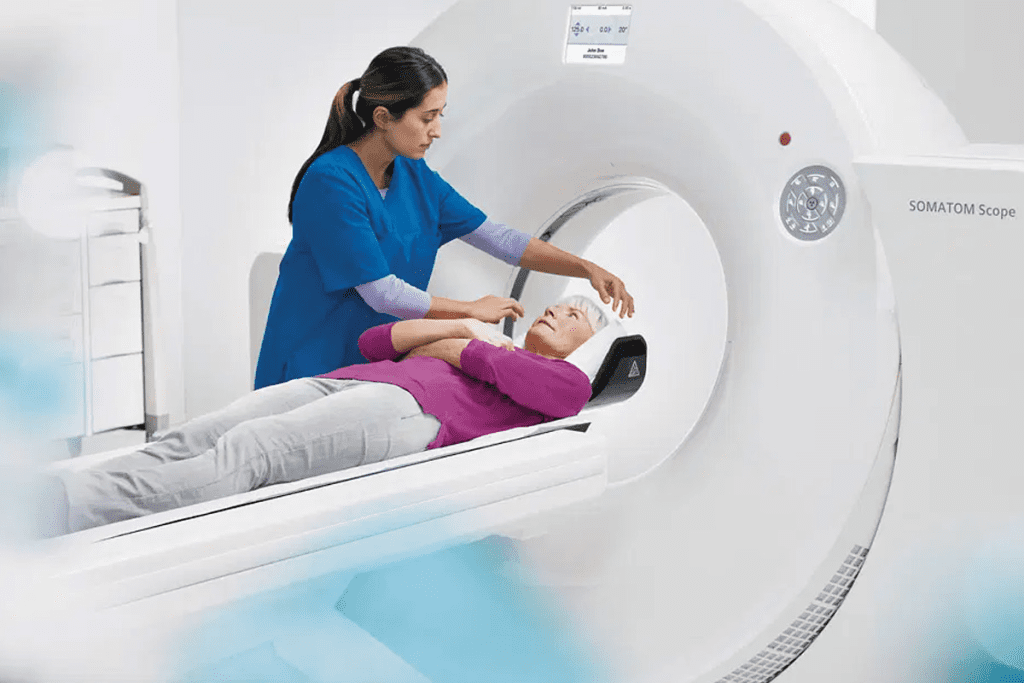
A Positron Emission Tomography (PET) scan is a cutting-edge functional imaging method. It aids doctors in diagnosing and managing different health issues.
It uses a safe, injectable radioactive chemical called a radiotracer. Along with a device called a PET scanner, it creates detailed images of your organs and tissues in action.
This diagnostic tool offers deep insights into your body’s metabolic activity. It helps healthcare professionals spot possible issues early on.
Key Takeaways
- PET scans are used for diagnosing and managing various health conditions.
- The test involves injecting a radiotracer and using a PET scanner.
- PET scans provide detailed images of organs and tissues.
- It’s a valuable tool for understanding metabolic activity.
- Helps in early detection of possible health issues.
The Science and Technology Behind PET Scans
PET scan technology relies on small amounts of radioactive tracers to highlight cellular activity. This advanced diagnostic tool has transformed healthcare by revealing the body’s metabolic processes. It offers insights that were previously inaccessible.
How PET Scans Work
PET scans detect metabolic activity in the body’s cells. The process starts with injecting a radioactive drug, or tracer, into a vein. This tracer accumulates in areas with high chemical activity, like growing cancer cells.
The PET scan then captures the radiation from the tracer. It creates detailed images of the body’s metabolic processes. This makes PET scans essential for diagnosing and monitoring various conditions.
“The ability of PET scans to highlight areas of high metabolic activity makes them invaluable for diagnosing and monitoring a range of conditions, from cancer to neurological disorders,” says a leading expert in nuclear medicine.
The Role of Radioactive Tracers
Radioactive tracers are key to PET scans. These tracers are designed to be taken up by specific cells or tissues. For example, FDG (Fluorodeoxyglucose) is used because it is absorbed by cells like glucose. This makes it great for detecting cancerous tissues with higher glucose uptake rates.
- The choice of tracer depends on the specific application and the type of tissue or disease being investigated.
- Advances in tracer technology continue to expand the capabilities of PET scans, enabling more precise diagnoses and monitoring.
Understanding PET scans and their tracers is vital for their diagnostic value. By comparing PET accuracy to other imaging modalities like CT scans, healthcare professionals can make better decisions. CT scans focus on CT accuracy for anatomical details, while PET scans focus on metabolic activity.
Principles of Functional Imaging in PET Scanning
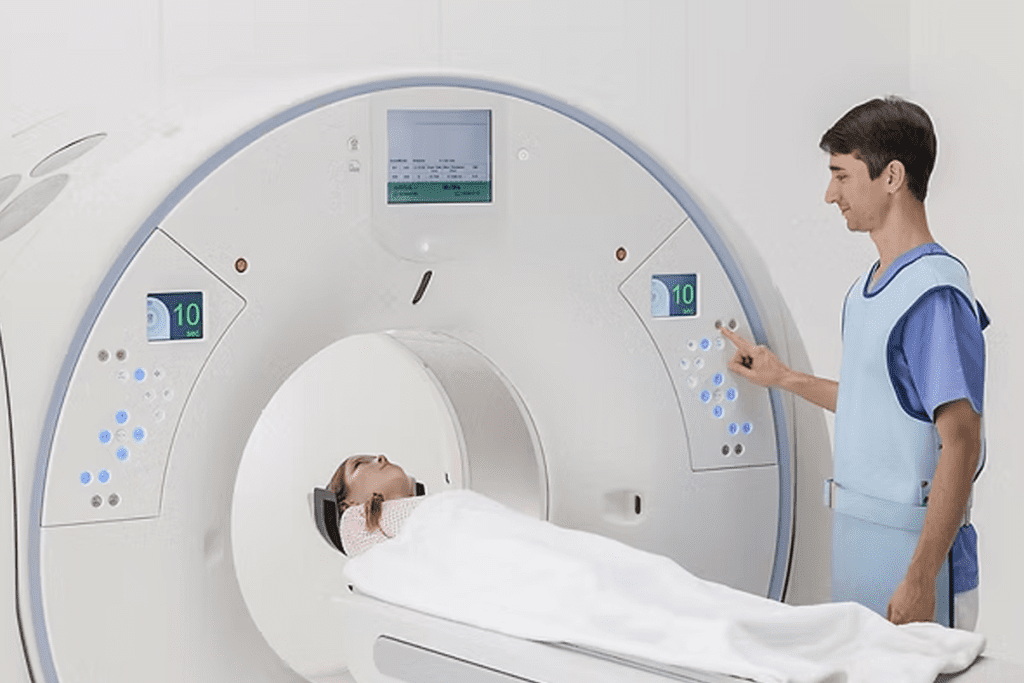
PET scanning detects functional changes at the cellular level, often before anatomical changes are visible. This is key for early diagnosis and treatment planning.
Visualizing Metabolic Activity
PET scans visualize metabolic activity in the body’s tissues and organs. They use a radioactive tracer to detect atypical metabolism in diseases. This provides insights into the underlying pathology, as a leading medical professional notes,
“PET scans can detect diseases at a very early stage, often before they become visible on other imaging tests like CT or MRI.”
The tracer is taken up by cells, emitting positrons. These positrons collide with electrons, producing gamma rays. The PET scanner detects these rays, creating detailed images of metabolic activity.
Difference Between Functional and Anatomical Imaging
PET scans, through functional imaging, differ from anatomical imaging like CT or MRI. Anatomical imaging shows the body’s structures in detail. Functional imaging, on the other hand, focuses on physiological processes within these structures.
This distinction is vital. Diseases often impact organ function before causing significant anatomical changes. PET scans detect these early changes, aiding in early diagnosis and monitoring.
Molecular Processes Detected by PET
PET scans detect various molecular processes, including glucose metabolism, protein synthesis, and cell proliferation. The most used tracer, FDG (Fluorodeoxyglucose), is taken up by cells based on their glucose metabolism. This allows for assessing metabolic activity.
The ability to detect these processes makes PET scans invaluable in oncology, neurology, and cardiology. They provide insights into tissue metabolism, aiding in accurate disease diagnosis and treatment monitoring.
PET Scan vs. Other Imaging Techniques
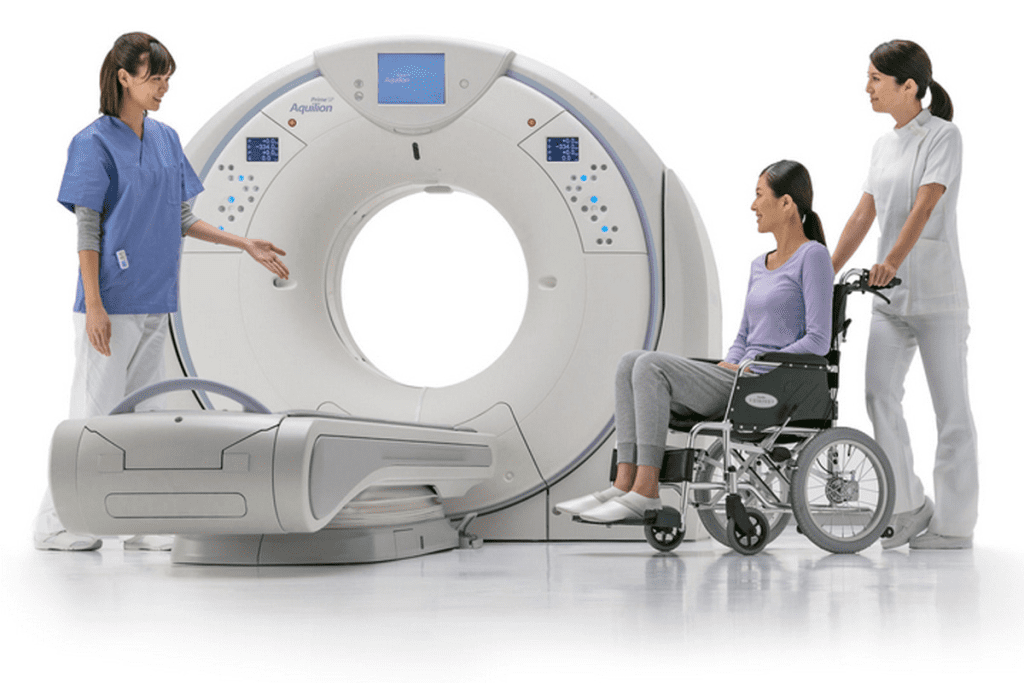
PET scans have become essential in medical diagnostics, but how do they stack up against CT and MRI? It’s vital to grasp the strengths and weaknesses of each to ensure accurate patient care.
CT Accuracy vs. PET Accuracy
CT scans are known for their anatomical resolution, showing detailed body structures. Yet, they might miss metabolic activity in tissues. PET scans, on the other hand, focus on functional information, like metabolic rates, even before anatomical changes show up.
PET scans are top-notch at spotting abnormalities at a molecular level, making them key in oncology for finding cancer. CT scans give precise anatomical details, but PET scans offer insights into physiological processes, enriching the diagnostic picture.
PET vs. MRI Capabilities
MRI scans are great for soft tissue imaging and can show both anatomy and function, depending on the method. Yet, PET scans have a unique edge in spotting metabolic activity. By combining PET with MRI, you get a full view, overlaying PET’s functional data on MRI’s detailed anatomy.
PET and MRI have different strengths. MRI shines in soft tissue contrast and functional info through methods like diffusion-weighted imaging. PET, though, is better at catching early metabolic changes, making it essential for specific diagnostic tasks.
Benefits of Hybrid Imaging: PET-CT and PET-MRI
Hybrid imaging, like PET-CT and PET-MRI, has changed diagnostics by merging different modalities’ strengths. PET-CT, for example, combines PET’s functional insights with CT’s anatomical precision, boosting diagnostic accuracy and precise abnormality location.
PET-MRI does the same, merging PET’s metabolic insights with MRI’s soft tissue contrast. This combo is a game-changer in neurological or oncological assessments, where detailed soft tissue imaging is key.
The perks of hybrid imaging include better diagnostic confidence, enhanced patient care through accurate staging and treatment planning, and the chance for fewer additional tests, streamlining the diagnostic journey.
Cancer Detection and Diagnosis
PET scans are essential for early cancer detection and diagnosis. Cancer cells consume more energy than normal cells, making them visible on PET scans. This is key for spotting malignant cells and distinguishing them from benign ones.
How PET Scans Identify Malignant Cells
PET scans employ radioactive tracers that gather in high-energy areas, like cancer cells. These tracers emit signals captured by the PET scanner, creating images that highlight high metabolic activity. Cancer cells appear as bright spots on PET scans because they use more glucose than normal cells, making them easy to spot.
Differentiating Between Benign and Malignant Lesions
PET scans excel in distinguishing between benign and malignant lesions. They assess metabolic activity to determine if a lesion is cancerous. This skill is invaluable for cancer staging and nodule characterization, leading to more precise diagnoses and treatment plans.
Early Detection Capabilities
Early detection is vital in cancer treatment. PET scans can spot cancer early, even before symptoms arise. This early detection boosts treatment success and survival rates. By catching cancerous cells early, PET scans allow for timely treatment, potentially reducing disease severity.
In conclusion, PET scans are critical in cancer detection and diagnosis. They excel in identifying malignant cells, distinguishing between benign and malignant lesions, and enabling early detection. These capabilities make PET scans indispensable in the battle against cancer.
Cancer Staging and Treatment Planning
The introduction of PET scans has transformed cancer staging and treatment planning. These scans offer unmatched diagnostic precision. They provide vital insights into cancer spread, tumor characteristics, and the most suitable treatment options.
Determining Cancer Spread
PET scans play a critical role in cancer management by identifying metastasis. They highlight areas of high metabolic activity, pinpointing cancerous cells across the body. This helps clinicians accurately determine the cancer stage.
Key benefits of PET scans in determining cancer spread include:
- Early detection of metastasis, allowing for timely intervention
- Accurate assessment of cancer stage, guiding treatment decisions
- Monitoring of treatment response, enabling adjustments to therapy as needed
Nodule Characterization in Different Cancers
PET scans are invaluable for characterizing nodules in various cancers. They assess metabolic activity, distinguishing benign from malignant lesions.
In lung cancer, for example, PET scans can determine if a pulmonary nodule is malignant or benign.
| Cancer Type | Role of PET Scan |
| Lung Cancer | Characterizing pulmonary nodules |
| Breast Cancer | Assessing axillary lymph node involvement |
| Colorectal Cancer | Detecting recurrence and metastasis |
Impact on Treatment Decisions
PET scans significantly influence treatment decisions. They accurately stage cancer and assess disease spread. This enables healthcare providers to create personalized treatment plans.
Treatment decisions influenced by PET scan results may include:
- Choosing between surgical, medical, or radiation therapy
- Determining the need for neoadjuvant or adjuvant therapy
- Planning for targeted therapy or immunotherapy
PET Scans in Specific Cancer Types
PET imaging has become essential in diagnosing and managing cancers. It helps doctors make better decisions for patient care. Solid tumors like brain, breast, cervical, and others can be detected through PET-CT and PET-MRI scans.
Lung Cancer
In lung cancer, PET scans are key for nodule characterization and disease spread assessment. They distinguish between benign and malignant nodules, guiding treatment plans. A Journal of Clinical Oncology study found PET-CT is now standard for lung cancer staging, providing vital information on tumor metabolism and spread.
Colorectal Cancer
PET scans in colorectal cancer detect recurrence and treatment effectiveness. They are vital in identifying metastatic disease, impacting treatment decisions. The American Cancer Society notes PET scans help detect cancer spread to the liver or lungs.
Lymphoma and Blood Cancers
PET scans are critical in cancer staging and monitoring treatment response for lymphoma and blood cancers. They assess disease extent and detect residual disease post-treatment. A Journal of Nuclear Medicine study found PET scans are highly sensitive in detecting lymphoma, aiding in accurate staging and treatment planning.
Breast Cancer
PET scans in breast cancer assess disease extent and treatment response. They are useful in detecting metastatic disease and evaluating chemotherapy effectiveness. The National Cancer Institute states PET scans offer insights into tumor metabolism, helping tailor treatment plans.
PET scans have transformed cancer management, providing a powerful tool for diagnosis, staging, and treatment monitoring. They offer insights into tumor behavior and metabolism, enabling healthcare providers to make informed decisions for patient care.
Neurological Disorders Detected by PET Scans
PET scans have become vital in neurology, helping detect various brain disorders. They assess metabolic activity and provide insights into the brain’s health. This aids in diagnosing and managing neurological diseases.
PET scans offer a unique view into the brain’s metabolic processes. This is key for diagnosing conditions where structural changes are not visible through other imaging methods.
Alzheimer’s Disease and Dementia
PET scans are critical in early detection and differentiation of Alzheimer’s disease and dementia. They analyze brain metabolism to identify patterns specific to Alzheimer’s. This allows for timely intervention.
“PET imaging has become an essential tool in the diagnosis and management of Alzheimer’s disease, allowing for the early detection of metabolic changes associated with the condition.”
Parkinson’s Disease
PET scans help assess dopamine production and identify brain areas affected by Parkinson’s disease. This information is vital for managing symptoms and creating personalized treatment plans.
Epilepsy and Seizure Disorders
PET scans identify brain areas where seizures start, aiding in pre-surgical planning. They highlight abnormal metabolic activity, providing a precise understanding of seizure origins.
The use of PET scans in neurology highlights the importance of functional imaging. As technology improves, PET scans will likely offer more insights into neurological conditions.
Cardiac Applications of PET Imaging
Cardiac PET scans offer a unique window into the metabolic activity of the heart, enabling precise diagnosis. PET imaging has become an indispensable tool in cardiology. It provides valuable insights into heart function, helping clinicians make informed decisions.
Coronary Artery Disease Assessment
PET scans play a key role in assessing coronary artery disease. They evaluate the heart’s blood flow and identify areas of reduced perfusion. This information is vital for determining the extent of disease and guiding treatment decisions.
By using PET imaging, healthcare professionals can non-invasively visualize the heart’s metabolic processes. This allows for early detection and management of coronary artery disease.
Myocardial Viability and Perfusion
PET scans can reveal areas of decreased blood flow in the heart. This helps healthcare professionals decide whether to suggest bypass surgery or angioplasty. Assessing myocardial viability is critical for planning the most effective treatment strategy.
The ability of PET imaging to assess both viability and perfusion makes it a powerful diagnostic tool in cardiology. It enables clinicians to tailor treatments to individual patient needs.
Inflammatory and Infectious Diseases
PET scanning’s ability to visualize metabolic activity makes it a valuable tool for diagnosing and monitoring inflammatory and infectious diseases. These conditions often have non-specific symptoms, making diagnosis difficult.
PET scans can pinpoint the source of infection or inflammation by highlighting areas of increased metabolic activity. This is essential when other imaging methods fail to provide clear results.
Identifying Sources of Infection
Infectious diseases can be hard to diagnose, mainly when the infection’s source is unknown. PET scans can identify the location and extent of infection, guiding healthcare providers towards the right treatment.
For instance, in cases of fever of unknown origin (FUO), PET scans are highly effective. They detect areas of increased glucose uptake, pinpointing the site of infection or inflammation.
| Condition | PET Scan Utility | Clinical Benefit |
| Fever of Unknown Origin (FUO) | Identifying source of infection | Guides targeted treatment |
| Abscesses | Detecting extent of infection | Aids in surgical planning |
| Osteomyelitis | Assessing bone infection | Helps in managing antibiotic therapy |
Monitoring Inflammatory Conditions
Inflammatory conditions, such as vasculitis or sarcoidosis, need careful monitoring. PET scans offer a sensitive means of monitoring inflammation, allowing for adjustments in treatment plans as needed.
By assessing metabolic activity, healthcare providers can determine inflammation’s severity and monitor changes over time. This information is critical for optimizing treatment strategies and improving patient outcomes.
The use of PET scans in managing inflammatory and infectious diseases is a significant advancement in diagnostic care. They provide detailed insights into disease activity, enabling healthcare providers to deliver more targeted and effective treatment.
Treatment Monitoring and Response Assessment
PET scans offer a significant advantage in monitoring treatment response in cancer patients. This capability is essential for evaluating the effectiveness of ongoing treatments and making necessary adjustments.
Evaluating Cancer Treatment Effectiveness
PET scans play a vital role in assessing how well cancer patients respond to treatment. They measure metabolic activity within tumors, helping determine if treatment is effectively reducing cancer cell activity.
Key benefits of using PET scans for treatment evaluation include:
- Early assessment of treatment response
- Ability to modify treatment plans based on response
- Reduced risk of continuing ineffective treatments
| Treatment Response | PET Scan Findings | Clinical Implication |
| Positive Response | Reduced metabolic activity | Continue current treatment |
| Poor Response | Increased or unchanged metabolic activity | Modify treatment plan |
Detecting Recurrence
PET scans are also critical in detecting cancer recurrence. They can identify metabolic changes that indicate the return of cancer, often before anatomical changes are apparent.
Early detection of recurrence allows for timely intervention, which can significantly improve patient outcomes.
Adjusting Treatment Plans Based on PET Results
The information obtained from PET scans is used to adjust treatment plans. If a PET scan indicates that the current treatment is not effective, healthcare providers can switch to alternative therapies.
This adaptive approach to cancer treatment ensures that patients receive the most effective care possible, improving their chances of successful treatment outcomes.
Limitations and Challenges in PET Imaging
Understanding the limitations of PET scans is essential for accurate diagnosis. These scans provide valuable insights into the body’s metabolic activities. Yet, they are not without their challenges.
One major limitation is the occurrence of false positives. Noncancerous conditions can sometimes be mistaken for cancer on PET scans. This leads to unnecessary worry and further testing. For example, inflammation or infection can cause increased metabolic activity, mimicking cancerous tissues.
Understanding False Positives
False positives in PET scans can stem from various sources. Inflammatory processes, such as infections or post-surgical healing, can lead to increased glucose uptake. This makes them appear similar to malignant tissues on PET scans. Certain benign conditions, like granulomatous diseases, can also cause false positives.
Healthcare providers must consider these factors when interpreting PET scan results. A thorough understanding of the patient’s medical history and other diagnostic findings is key. This helps minimize the impact of false positives.
Factors Affecting Scan Accuracy
Several factors can influence the accuracy of PET scans. The type of tracer used, the timing of the scan, and the patient’s metabolic state all play a role. For instance, high blood glucose levels can interfere with tracer uptake, leading to inaccurate results.
Technical aspects of the scan, such as the PET scanner’s resolution and the reconstruction algorithms used, also impact accuracy. Understanding these factors is vital for both healthcare providers and patients. It ensures PET scans are used effectively and their results are interpreted correctly.
Patient Preparation and Procedure
Preparing for a PET scan is essential for getting accurate results. Patients must adhere to specific guidelines to ensure clear and useful images. This preparation is critical for the success of the scan.
Before Your PET Scan
To prepare for a PET scan, patients are advised to avoid strenuous exercise for a couple of days beforehand. This step helps in reducing unnecessary metabolic activity that could impact the scan results.
Fasting Requirements: Patients are usually instructed to stop eating four hours before the scan. It’s vital to follow the specific instructions given by the healthcare provider or the imaging center.
| Preparation Step | Details |
| Avoid Strenuous Exercise | Refrain from vigorous activities for 48 hours before the scan |
| Fasting | Stop eating 4 hours prior to the scan |
| Medication | Inform your doctor about any medications you’re taking |
During and After the Procedure
During the PET scan, the patient lies on a table that slides into a large scanner. The procedure is generally painless and can take about 30 to 60 minutes.
After the scan, patients can usually resume their normal activities unless instructed differently by their healthcare provider. Drinking plenty of water is recommended to help flush out the radioactive tracer.
Post-Scan Care: Patients should follow any specific instructions given by the healthcare team regarding post-scan care and follow-up appointments.
Safety Considerations and Radiation Exposure
Understanding the safety aspects and radiation risks of PET scans is vital for both patients and healthcare providers. PET scans are a valuable diagnostic tool but involve exposure to small amounts of radiation.
The radiation exposure from a PET scan comes from the radioactive tracer used during the procedure. Though the amount is relatively small, it’s a consideration, mainly for certain groups of people.
Radiation Risks
The primary radiation risk of PET scans is the harm they could cause, mainly to vulnerable populations. This includes pregnant women, breastfeeding mothers, and children.
- Radiation Exposure Levels: The effective dose from a PET scan is typically in the range of 4 to 7 millisieverts (mSv). This is comparable to or slightly higher than that from a CT scan of the same body region.
- Cancer Risk: There is a small, theoretical increased risk of developing cancer from radiation exposure. Yet, the benefits of a PET scan in diagnosing and managing serious conditions usually outweigh this risk.
Who Should Avoid PET Scans
Certain individuals should avoid PET scans due to the risks associated with radiation exposure.
- Pregnant Women: PET scans are generally avoided during pregnancy unless absolutely necessary. This is because the radiation could potentially expose the unborn baby to risk.
- Breastfeeding Mothers: Women who are breastfeeding may need to temporarily stop breastfeeding after a PET scan. This is because the radioactive tracer can be passed to the baby through breast milk.
It’s essential for patients to discuss their individual situation and any concerns with their healthcare provider before undergoing a PET scan.
Technological Advancements in PET Imaging
Technological innovations have transformed PET imaging, boosting its diagnostic power and broadening its use in medical research and clinical settings. These advancements have refined PET scans’ accuracy and dependability. This allows for more precise disease detection and management.
The evolution of PET imaging technology has seen major strides in hardware and software, leading to better image quality and quicker scanning times. A significant area of progress is in improving anatomical resolution. This is essential for accurately spotting and characterizing lesions.
Improving Anatomical Resolution
Advances in PET scanner technology have resulted in enhanced anatomical resolution. This enables clinicians to see smaller structures and detect abnormalities more effectively. High-resolution PET scanners, with advanced detector materials and sophisticated image reconstruction algorithms, are key to this improvement.
High-resolution PET imaging allows for more precise tumor size and location assessment. This is critical for cancer staging and treatment planning. It also enhances the detection of small brain lesions, aiding in the diagnosis of neurological disorders.
New Tracer Development
The creation of new tracers has broadened PET imaging’s applications. Novel tracers target specific biological processes, such as glucose metabolism, protein synthesis, and cell proliferation. These tracers help clinicians assess disease pathology and monitor treatment response more effectively.
For example, fluorodeoxyglucose (FDG) is commonly used to assess glucose metabolism in cancer cells. Newer tracers, like those targeting hypoxia or angiogenesis, offer additional insights into tumor biology and behavior.
The ongoing development of new tracers and PET imaging technology advancements will further enhance diagnostic and therapeutic capabilities. This will ultimately lead to improved patient outcomes.
Conclusion
PET scans have become a key tool in diagnosing various medical conditions. These include cancer, neurological disorders, and cardiac disease. The technology behind PET scans, known as functional imaging, allows doctors to see metabolic activity in the body. This provides vital information on disease presence and progression.
PET scans are used in many ways. They help identify cancer cells and track how well treatments are working. They also help diagnose coronary artery disease and neurological disorders like Alzheimer’s. Through functional imaging, PET scans are essential in making treatment decisions and improving patient care.
The role of PET scans in healthcare is expected to expand as medical technology advances. They offer new chances for early detection and targeted treatments. Understanding the strengths and weaknesses of PET scans helps both patients and healthcare professionals make better choices about diagnosis and treatment.
FAQ
What is a PET scan and how does it work?
A PET (Positron Emission Tomography) scan is a diagnostic tool that uses a radioactive tracer to show metabolic activity in the body. It involves injecting a small amount of radioactive material into the body. This material is then absorbed by cells and tissues.
The PET scanner detects the radiation emitted by the tracer. It creates detailed images of the body’s internal structures and functions.
What are the benefits of using PET scans in cancer diagnosis?
PET scans are vital in cancer diagnosis. They help identify malignant cells and differentiate between benign and malignant lesions. This leads to early detection and treatment planning.They also determine cancer spread and characterize nodules in different cancers. This information impacts treatment decisions.
How accurate are PET scans compared to other imaging techniques?
PET scans are highly accurate in detecting metabolic activity. They outperform CT scans, which focus on anatomical resolution. Hybrid imaging techniques like PET-CT and PET-MRI combine both strengths.This combination offers improved diagnostic accuracy.
Can PET scans detect neurological disorders?
Yes, PET scans can detect neurological disorders like Alzheimer’s disease, Parkinson’s disease, and epilepsy. They visualize metabolic activity in the brain. This helps diagnose and monitor these conditions.
Are PET scans safe, and what are the radiation risks?
PET scans involve exposure to small amounts of radiation, which carries some risks. The benefits of PET scans often outweigh the risks, though. This is true in cancer diagnosis and treatment monitoring.Certain individuals, such as pregnant women, should avoid PET scans due to radiation exposure concerns.
How do I prepare for a PET scan, and what can I expect during the procedure?
To prepare for a PET scan, patients typically need to fast for a few hours. They should avoid certain medications and arrive early for registration. During the procedure, a radioactive tracer is injected.The patient lies on a table that slides into the PET scanner. The scan is usually painless and takes about 30-60 minutes.
What are the limitations and challenges of PET imaging?
PET imaging has limitations, including the risk of false positives. These can be caused by inflammation or infection. Scan accuracy can also be affected by factors like patient preparation, tracer quality, and scanner technology.
Can PET scans be used to monitor treatment response and detect recurrence?
Yes, PET scans are valuable in evaluating cancer treatment effectiveness. They detect recurrence and help adjust treatment plans based on PET results. They help clinicians assess treatment response and make informed decisions about future care.
What are the future directions in PET imaging technology?
Advancements in PET imaging technology include improving anatomical resolution and developing new tracers. Enhancing scanner capabilities is also a focus. These developments aim to increase the accuracy and effectiveness of PET scans in diagnosing and managing various medical conditions.
References
- Kameyama, M. (2011). Comparison of [15O] H2O positron emission tomography and blood oxygen level dependent functional MRI: Scope and advantages. Journal of Neurology & Neurophysiology, 2(6), Article 669. https://pmc.ncbi.nlm.nih.gov/articles/PMC4729011/
- Shan, Y., et al. (2022). Integrated positron emission tomography/magnetic resonance imaging: Clinical applications and advantages. Frontiers in Neuroscience, 16, Article 824152. https://www.frontiersin.org/articles/10.3389/fnins.2022.824152/full
- Pichler, B. J., et al. (2008). PET/MRI: The next generation of multimodality imaging. Seminars in Nuclear Medicine, 38(3), 199-208. https://pmc.ncbi.nlm.nih.gov/articles/PMC2762705/
- Tournier, N., et al. (2021). Challenges and perspectives of hybridizing PET with fMRI or functional ultrasound. NeuroImage, 237, 118145. https://www.sciencedirect.com/science/article/abs/pii/S0306452220306667