Last Updated on November 18, 2025 by Ugurkan Demir
At Liv Hospital, we know that chronic spinal pain is a big problem for many people. The American Society of Interventional Pain Physicians (ASIPP) says it’s a complex issue that needs a full approach to care.
Fusion procedures spinal are surgeries that join two or more vertebrae together. They aim to make the spine stable and reduce pain from different spinal problems. We’ll look at the basics of these surgeries, like when they’re needed, how they’re done, and what happens after.
Our team is committed to top-notch healthcare for everyone, including international patients. We’ll share important details about spinal fusion surgery and what you can expect during it.
Key Takeaways
- Understanding the indications for spinal fusion surgery
- Exploring the latest advancements in surgical techniques
- The role of expert imaging in successful outcomes
- What to expect during the post-surgical evaluation
- The benefits of choosing a trusted leader in patient-focused spine care
The Fundamentals of Spinal Vertebrae Connection
Understanding how spinal vertebrae connect is key to knowing about spinal fusion surgery. We’ll look at the basics of this complex procedure. This includes what permanent vertebral fusion is and the biological processes it involves.
Defining Permanent Vertebral Fusion
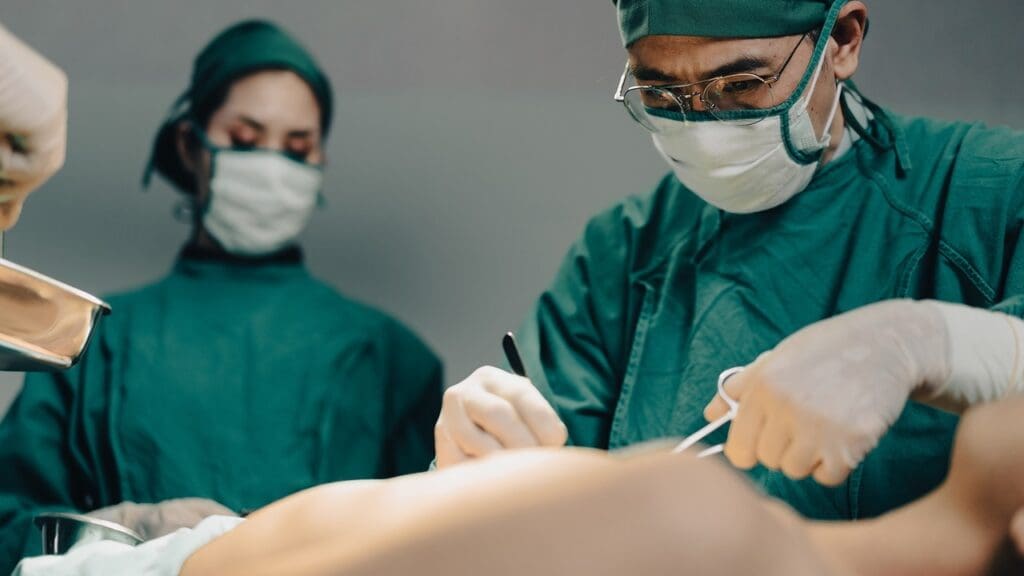
Permanent vertebral fusion, or spinal fusion, is a surgery where vertebrae are joined together. Bone grafts, rods, or other devices are used for this. The aim is to stabilize the spine, ease pain, and improve function. The goal is to create a single, solid bone that stops movement between the fused vertebrae.
Success in spinal fusion depends on several factors. These include the patient’s health, the surgery method, and post-operative care. We use advanced imaging to check the fusion process and aim for the best results.
The Science Behind Bone Growth and Healing
The science of bone growth and healing is vital for understanding spinal fusion. When we do a fusion operation, we count on the body’s natural bone growth. Bone grafts are key in this, providing a base for new bone to grow on. Synthetic bone grafts, in particular, help with bone growth and fusion.
By using bone grafts and advanced surgery, we can usually achieve successful fusion. We keep an eye on patients after surgery to make sure the fusion is going well.
Key Fact #1: Common Indications for Spinal Fusion Surgery
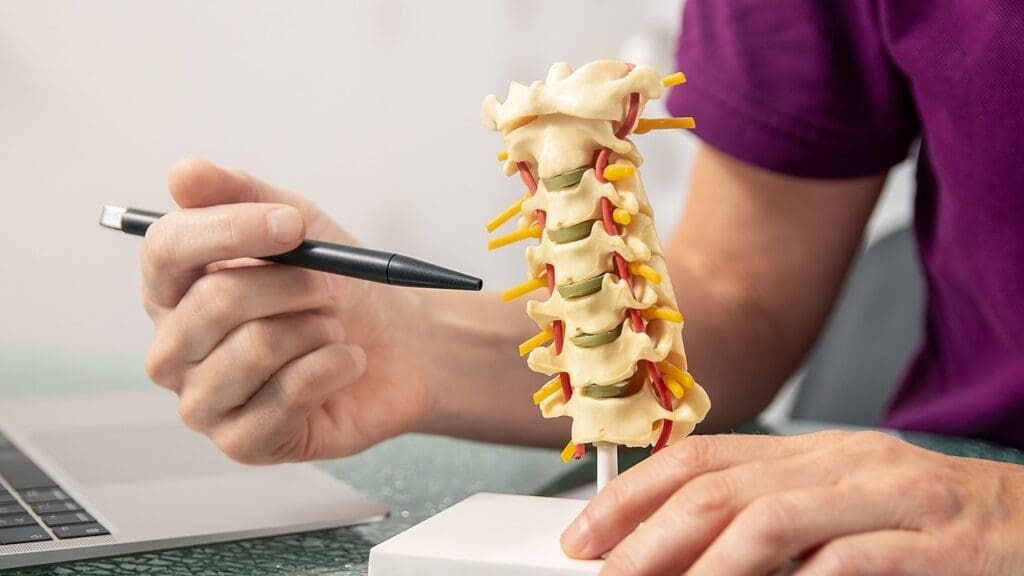
Spinal fusion surgery is a common and effective treatment for many spinal issues. We will look at the common reasons for this surgery. These include degenerative disc disease, spondylolisthesis, spinal fractures, and spinal stenosis. We will see how these conditions affect the spine.
Degenerative Disc Disease and Chronic Pain
Degenerative disc disease happens when spinal discs lose their height and cushioning. This leads to chronic pain. Spinal fusion surgery is often considered when other treatments don’t work.
Spondylolisthesis and Vertebral Stability
Spondylolisthesis is when a vertebra slips out of place. This can cause nerve compression and instability. Spinal fusion surgery helps stabilize the spine and relieve symptoms. The Texas Department of Insurance reports that spondylolisthesis is a big contributor to healthcare costs.
Spinal Fractures Requiring Stabilization
Spinal fractures can happen due to trauma, osteoporosis, or other conditions. They need surgical stabilization. Spinal fusion surgery stabilizes the spine, preventing further injury or deformity. The procedure fuses the affected vertebrae to promote healing and restore stability.
Spinal Stenosis and Nerve Decompression
Spinal stenosis is when the spinal canal narrows, compressing nerves and causing pain. While decompression surgery can relieve nerve pressure, spinal fusion may be needed to stabilize the spine. This is true if there’s significant vertebral instability.
| Condition | Description | Treatment |
|---|---|---|
| Degenerative Disc Disease | Loss of disc height and cushioning ability | Spinal Fusion Surgery |
| Spondylolisthesis | Vertebra slips out of place | Spinal Fusion Surgery |
| Spinal Fractures | Trauma or osteoporosis causing vertebral fractures | Spinal Fusion Surgery |
| Spinal Stenosis | Narrowing of the spinal canal | Decompression Surgery and Spinal Fusion |
Key Fact #2: Types of Fusion Procedures Spinal Techniques
It’s important for surgeons and patients to know about spinal fusion techniques. These procedures help fix different spinal problems and make the spine stable.
Transforaminal Lumbar Interbody Fusion (TLIF)
TLIF is a common method that gets to the spine from the side and back. This way, damaged discs can be taken out and replaced with a fusion cage or bone graft.
Procedure Steps and Approach
To do a TLIF, a back incision is made. Then, muscles are moved aside to see the spine. Next, part of the facet joint is removed to get to the disc space. The disc is then taken out, and the area is ready for the fusion cage or bone graft.
Ideal Candidates for TLIF
People with degenerative disc disease, spondylolisthesis, or spinal stenosis might get TLIF. It’s great for those needing nerve relief and spine support.
Posterior Lumbar Interbody Fusion (PLIF)
PLIF is done from the back. The surgeon takes out the damaged disc and puts in a fusion device or bone graft. This method gives quick stability and helps the spine fuse.
Anterior Lumbar Interbody Fusion (ALIF)
ALIF is done through the belly. This approach is good for lower lumbar fusions. It lets for a big area for fusion and works for some spinal issues.
Lateral Lumbar Interbody Fusion Techniques
Lateral lumbar interbody fusion goes in from the side. This method is less invasive and can make recovery faster. It’s used for many spinal problems, like degenerative disc disease and scoliosis.
We use TLIF, PLIF, ALIF, and lateral lumbar interbody fusion for different spinal issues. Studies on synthetic bone grafts, like Osteoflo Hydrofiber, show they can improve spinal fusion results. Knowing about these techniques helps us create better treatment plans for each patient.
Key Fact #3: Minimally Invasive Advancements in Fusion Surgery
Spinal fusion surgery is changing with new, less invasive methods. These new ways aim to cause less damage, speed up recovery, and improve results for patients.
Benefits of Reduced Tissue Disruption
Minimally invasive spinal fusion cuts down on tissue harm. Smaller cuts mean less damage to natural tissue. This leads to less pain after surgery and fewer complications.
Faster Recovery and Reduced Blood Loss
People having minimally invasive fusion surgery tend to heal faster and lose less blood. This is because smaller cuts cause less damage and bleeding.
Comparing Traditional vs. Minimally Invasive Approaches
Research shows minimally invasive spinal fusion can be as good or better than old methods. It means shorter hospital stays and less pain after surgery. But, the choice depends on the patient’s health and the surgeon’s skill.
As we keep improving fusion surgery, less invasive methods are becoming key. They’re making a big difference in how we care for patients and their outcomes.
Key Fact #4: X-Ray Evaluation in Spinal Fusion Assessment
X-rays are key in checking if spinal fusion surgery worked. They help us see how the fusion is going, where the hardware is, and how well the body is healing. This way, we can keep an eye on the patient’s recovery and decide on the next steps.
Lumbar Fusion X-Ray: Critical Measurements
Lumbar fusion X-rays are important for checking the fusion process. We focus on two main things: making sure the hardware is in the right place and seeing if the bone graft is working.
Hardware Placement Visualization
X-rays help us see if the hardware, like screws and rods, is in the right spot. It’s vital for the stability of the fused area and the success of the surgery. We look at the X-rays to make sure everything is in place and working right.
Bone Graft Integration Assessment
How well the bone graft integrates is key to the success of spinal fusion. X-rays let us check if the bone graft is growing with the vertebrae. We look for signs like increased bone density and connections between the vertebrae.
Fused Spine X-Ray: Monitoring Healing Progress
Regular X-rays are important for tracking how well the spine is healing after surgery. We use these images to see how the fusion is going over time. This helps us make any needed changes to the treatment plan to get the best results.
When Additional Imaging Beyond X-Rays Is Needed
While X-rays are very helpful, sometimes we need more images. For example, if we’re worried about nerve issues or soft tissue damage, we might suggest MRI or CT scans for a closer look at the spine.
Key Fact #5: Recovery and Outcomes After Fusion Surgery
Understanding the recovery after spinal fusion surgery is key for patients. It helps them know what to expect and get the best results. The journey varies based on health, surgery complexity, and following doctor’s orders.
Expected Timeline for Recovery Phases
The recovery has several phases. First, patients need rest and recovery for weeks after surgery. Managing pain is important, and doctors often give medication.
Next, patients start rehabilitation, which can take months. They slowly get back to their usual activities.
Physical Therapy and Rehabilitation Protocols
Physical therapy is essential for recovery. It helps patients regain strength and mobility. A custom rehabilitation plan is made for each patient.
This plan includes exercises for posture, core strength, and flexibility. Our team works with patients to ensure they recover well and can do daily activities again.
Long-term Success Rates and Patient Satisfaction
Research shows spinal fusion surgery improves patient outcomes. It reduces pain and boosts quality of life. Success rates depend on the condition and patient’s health.
Most patients are happy with the results, feeling better and more functional. We track patient outcomes to keep improving care and treatment.
Key Fact #6: International Best Practices in Spinal Fusion Care
The world of spinal fusion care is changing fast. It’s now all about treating each patient as an individual. We must follow international best practices that focus on treatments backed by science and care plans made just for you.
Patient-Specific Care Pathways
Modern spinal fusion care puts the patient first. It means making treatment plans that fit each person’s needs. This includes looking at the patient’s health, past medical history, and lifestyle to create a plan just for them.
Key parts of this approach are:
- Detailed preoperative evaluation
- Customized surgical plans
- Postoperative care tailored to the patient’s needs
Up-to-Date Clinical Protocols
Keeping up with the latest in spinal fusion care is key. Groups like the American Society of Interventional Pain Physicians (ASIPP) set guidelines based on the newest research. This ensures patients get the safest and most effective treatments.
Important parts of these protocols are:
- Evidence-based surgical techniques
- Advanced diagnostic tools
- Innovative rehabilitation strategies
Quality Assurance in Fusion Procedures
Ensuring quality in spinal fusion care is vital. It means checking how well surgeries go, how happy patients are, and if there are any problems. This helps us keep care high and risks low.
Effective quality assurance measures include regular checks, peer review, and ongoing learning for doctors and staff.
Key Fact #7: Global Spinal Fusion Market Growth
The spinal fusion market is growing fast. This growth is thanks to new technologies and more people needing spinal surgeries.
Current Market Size and Projections to 2035
The spinal fusion market is big and getting bigger. Reports say it will keep growing until 2035. The market is expected to grow steadily.
Regional Market Distribution
The market spans many regions. North America and Europe lead because of their advanced healthcare and technology adoption.
| Region | Market Share (%) | Growth Rate (%) |
|---|---|---|
| North America | 40 | 5.5 |
| Europe | 30 | 4.8 |
| Asia-Pacific | 20 | 6.2 |
Key Industry Players
Big names like Medtronic, Stryker Corporation, and Zimmer Biomet are leading the market. They’re pushing innovation with their products.
“The spinal fusion market is poised for significant growth, driven by an aging population and increasing prevalence of spinal disorders.”
Factors Driving the 5% Annual Growth Rate
Several factors are fueling the market’s 5% annual growth. These include:
- More cases of degenerative disc diseases
- New technologies in spinal fusion devices
- More demand for less invasive surgeries
- A growing older population
Market growth is also boosted by better healthcare systems and more spending on healthcare worldwide.
Conclusion: The Future of Spinal Fusion Procedures
The future of spinal fusion looks bright. New surgical techniques and better patient care are leading the way. These changes will make spinal fusion better for patients, improving their quality of life.
The global spinal fusion market is growing fast. We’ll see more in minimally invasive surgery and imaging. These new tools will help meet the complex needs of patients.
Healthcare providers are focusing on quality care for patients. This means better results and happier patients. The future of spinal fusion is full of promise, with more improvements coming.
FAQ
What is spinal fusion surgery?
Spinal fusion surgery connects two or more vertebrae together. This makes the spine stable and relieves pain from different spinal conditions.
What are the common indications for spinal fusion surgery?
You might need spinal fusion surgery for degenerative disc disease, spondylolisthesis, spinal fractures, or spinal stenosis. These conditions can cause chronic pain and spine instability.
What are the different types of spinal fusion techniques?
There are several spinal fusion techniques. These include Transforaminal Lumbar Interbody Fusion (TLIF), Posterior Lumbar Interbody Fusion (PLIF), Anterior Lumbar Interbody Fusion (ALIF), and Lateral Lumbar Interbody Fusion. Each has its own benefits and is suited for different patients.
What is the role of X-ray evaluation in assessing spinal fusion?
X-rays are key in checking how spinal fusion is healing. They help see if the hardware is in place and if the bone graft is integrating. Sometimes, more imaging is needed.
What is the recovery process like after spinal fusion surgery?
After spinal fusion surgery, you’ll slowly get back to normal. Physical therapy is important for your recovery. The process usually follows a set timeline, with varying success rates and patient satisfaction.
What are the benefits of minimally invasive spinal fusion surgery?
Minimally invasive spinal fusion surgery has many advantages. It causes less tissue damage, leads to faster recovery, and results in less blood loss. These benefits make it a popular choice for many patients.
How is spinal fusion surgery evaluated for success?
Success in spinal fusion surgery is measured through clinical assessments, X-rays, and patient feedback. The goal is to achieve the best possible outcomes and ensure the quality of fusion procedures.
What is the current state of the global spinal fusion market?
The global spinal fusion market is growing steadily. This growth is due to an aging population, more spinal disorders, and new surgical techniques. It’s expected to grow at a 5% annual rate.
What is a spinal fusion procedure?
A spinal fusion procedure is a surgery that fuses two or more vertebrae together. This stabilizes the spine and relieves pain from various spinal conditions.
What is the difference between spinal fusion and other spinal surgeries?
Spinal fusion surgery is unique because it permanently connects vertebrae. Other spinal surgeries might focus on decompression or stabilization without fusion.
References
- Future Market Insights : https://www.futuremarketinsights.com/reports/global-spinal-fusion-market
- OrthoSpineNews : https://orthospinenews.com/2025/03/28/2025-research-spinal-fusion-device-market-set-for-steady-growth-surpassing-us-11-billion-by-2033-escalating-incidence-of-spinal-conditions-drives-demand-researchandmarkets-com
- PMC – PubMed Central : https://pmc.ncbi.nlm.nih.gov/articles/PMC12238211
- iData Research : https://idataresearch.com/spinal-implants-are-evolving-whats-next-in-2025
- PubMed : https://pubmed.ncbi.nlm.nih.gov/40797372