Last Updated on November 26, 2025 by Bilal Hasdemir
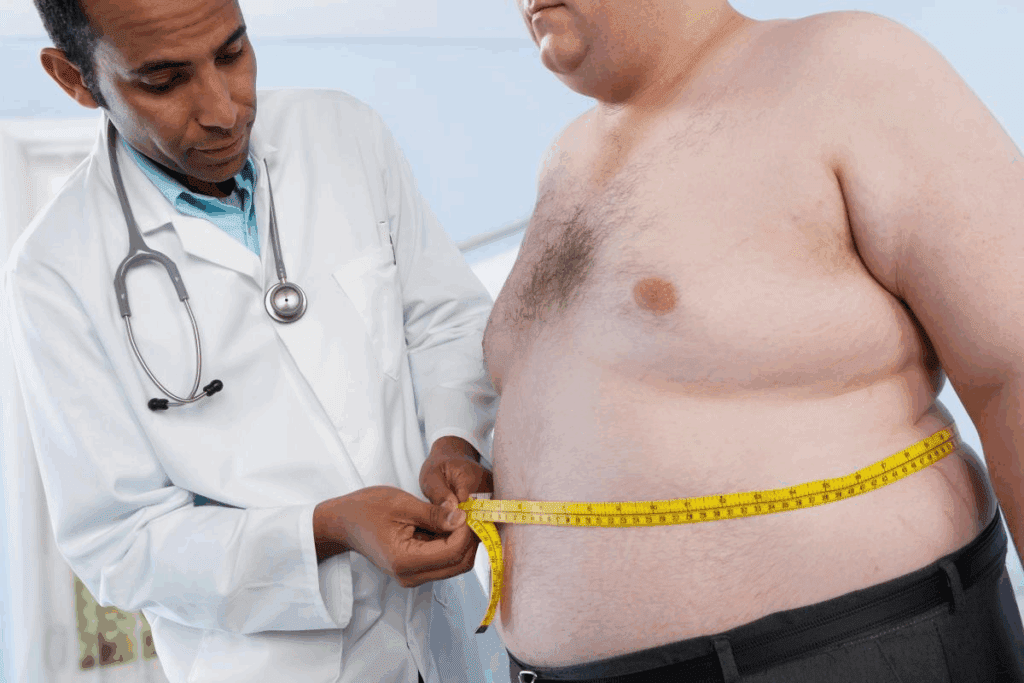
Are you worried about gaining weight after gallbladder removal? Many people face this issue, even with good care. Knowing why can help you manage your weight and health better.
Research shows that some people gain 3 to 5 percent of their pre-surgery weight in six months. Changes in metabolism and fat digestion are key reasons.
Key Takeaways
- Weight gain is a common concern after gallbladder removal.
- Metabolic changes and altered fat digestion contribute to weight gain.
- Understanding the reasons for weight gain can help manage overall health.
- Dietary habits play a significant role in weight gain after surgery.
- Managing weight gain requires a holistic approach.
Understanding the Gallbladder and Its Function

The gallbladder is key to how our body breaks down fats and absorbs nutrients. It’s a small, pear-shaped organ under the liver. It’s important for digestion.
The gallbladder stores and concentrates bile, a yellow-green fluid from the liver. Bile helps digest and absorb fats and vitamins.
The Role of the Gallbladder in Digestion
The gallbladder holds bile until fatty foods are eaten. Then, it releases bile into the small intestine. This helps break down fats into smaller pieces for enzymes to process.
The gallbladder contracts to send bile into the bile ducts. These ducts carry it to the small intestine. This teamwork ensures fats are digested and absorbed well.
How Bile Helps Process Fats
Bile salts emulsify fats, making them easier for enzymes to break down. This is key because it increases the surface area of fats. This lets enzymes work better.
Without enough bile, fat digestion is hard. This can lead to not absorbing essential fatty acids and vitamins A, D, E, and K well.
| Component | Function | Impact on Fat Digestion |
| Bile Salts | Emulsify Fats | Breaks down fats into smaller particles for easier enzymatic action |
| Lipase Enzymes | Break down fats into fatty acids and glycerol | Facilitates the absorption of fatty acids and glycerol by the body |
| Gallbladder | Stores and releases bile | Ensures timely release of bile for fat emulsification |
In summary, the gallbladder is vital for fat digestion by storing and releasing bile. Knowing its role helps us understand how our body processes fats. It also shows why losing it might affect weight and digestion.
The Connection Between Gallbladder Removal and Weight Changes

Removing the gallbladder can change how our body works, which might affect our weight. It’s important to know how gallbladder removal can lead to weight changes to take care of our health after surgery.
Statistical Evidence of Post-Surgery Weight Gain
Some people gain weight after their gallbladder is removed. Studies show that patients might gain 3 to 5 percent of their body weight in six months. This weight gain is due to changes in bile flow and fat metabolism.
A study in a well-known medical journal found that “patients who had their gallbladder removed were more likely to gain weight than those who didn’t.”
“The average weight gain was about 4.2% of the initial body weight in the first year after surgery.”
Timeline of Weight Changes After Surgery
Weight changes after gallbladder removal surgery happen at different times for everyone. Usually, weight gain happens in the first year after surgery. It’s key for patients to watch their weight closely during this time and make lifestyle changes if needed.
In the first six months, patients might gain weight because of changes in diet and metabolism. As the body adjusts, the weight gain might slow down. But, it’s important to keep watching the weight to avoid gaining too much.
By knowing the statistics and timeline of weight changes, patients can prepare for the effects of gallbladder removal. They can take steps to manage their weight.
Reason 1: Altered Bile Flow and Fat Metabolism
Removing the gallbladder changes how the body handles fats. The gallbladder stores bile from the liver and releases it into the small intestine. This helps digest fats. But, after the gallbladder is gone, this process changes.
How Surgery Changes Bile Release Patterns
After surgery, bile flows from the liver into the small intestine continuously. It doesn’t get stored and released as needed. This altered bile flow can make it harder to digest fats well. The body might struggle to break down some fats because of this.
Impact on Fat Digestion and Absorption
The way the body digests and absorbs fats changes a lot. Without the gallbladder, the body has to find new ways to process fats. This can lead to weight gain. Studies show that the constant flow of bile can make it harder to digest fats, which can affect weight.
Even though the gallbladder helps with fat digestion, removing it doesn’t mean digestion will stop. But, the way bile is released can change. This might make it harder for the body to process fats, leading to weight gain if not managed right.
Reason 2: Dietary Changes After Symptom Resolution
After having a gallbladder removed, people often start eating more. This is because they no longer feel pain when they eat. So, they might eat more foods, which can lead to eating more calories.
Return to Pre-Gallbladder Problem Eating Habits
When the pain goes away, people often go back to how they ate before. They might start eating foods that made them uncomfortable before. This is because they no longer feel the pain from their gallbladder.
Common dietary changes include:
- Increased consumption of fatty or fried foods
- Eating larger or more frequent meals
- Returning to pre-surgery snacking habits
Increased Caloric Intake After Pain Subsides
When the pain is gone, people might eat more. This can happen because they feel like they can eat more. They might also eat more because they didn’t eat as much when they were in pain.
The impact of increased caloric intake can be significant. Even a small increase in calories can cause a lot of weight gain over time.
| Daily Caloric Increase | Projected Monthly Weight Gain | Projected Annual Weight Gain |
| 100 calories | 1-2 pounds | 12-24 pounds |
| 250 calories | 2.5-5 pounds | 30-60 pounds |
| 500 calories | 5-10 pounds | 60-120 pounds |
It’s important for people who have had their gallbladder removed to watch what they eat. This can help them avoid gaining too much weight. By knowing how diet changes after symptoms go away, they can manage their weight better.
Reason 3: Metabolic Adaptations Following Surgery
After cholecystectomy, the body changes how it works. This can cause weight gain, mainly due to hormonal changes and how energy is used. These changes help the body adjust to the new anatomy and physiology after surgery.
Hormonal Changes Affecting Metabolism
Removing the gallbladder can change hormone levels, like bile acids. Bile acids are key for fat digestion and absorption. Their changed release can affect hormones like insulin and leptin.
Insulin resistance might develop, making it harder for cells to use insulin. This can lead to weight gain.
Hormonal shifts also change how we feel hungry or full. For example, changes in ghrelin and leptin levels can affect our appetite and metabolism. This might lead to eating more calories. It’s important to understand these hormonal changes to manage weight after surgery.
Altered Energy Expenditure Patterns
After gallbladder removal, how the body uses energy changes. The surgery can make fat storage more efficient. This can cause weight gain if not balanced with the right diet and exercise.
The resting metabolic rate (RMR) might also change. RMR is how many calories the body burns at rest. A decrease in RMR means the body burns fewer calories, which can lead to weight gain if we eat too many calories.
To fight these changes, patients can follow nutritional strategies and exercise recommendations made for post-surgery needs. By understanding and dealing with these metabolic changes, people can manage their weight and health better after gallbladder removal.
Gaining Weight After Gallbladder Removal Due to Insulin Resistance
Weight gain after gallbladder surgery often comes from insulin resistance. This is when the body’s cells don’t respond well to insulin. Insulin is a hormone that helps control blood sugar levels.
The Relationship Between Bile Acids and Insulin Sensitivity
Bile acids are key for digesting fats. After the gallbladder is removed, bile keeps flowing into the intestine. This can change how bile acids work in the body.
Studies show that bile acids can affect how well the body uses insulin. This is important for glucose metabolism. But, the exact way it works is complex and depends on many factors.
How Insulin Resistance Contributes to Weight Gain
Insulin resistance can cause weight gain in several ways. When cells don’t take in glucose well, blood sugar levels rise. The pancreas then makes more insulin, which can make fat storage increase.
Insulin resistance also leads to other metabolic changes. These include more inflammation and changes in lipid profiles. These factors can also contribute to weight gain. It’s important to manage insulin sensitivity to avoid weight gain after gallbladder removal.
Key factors to consider:
- Changes in bile acid circulation after gallbladder removal
- The impact of bile acids on insulin sensitivity
- The role of insulin resistance in weight gain
Reason 5: Post-Surgical Inflammation and Gut Microbiome Changes
Removing the gallbladder can cause post-surgical inflammation and changes in the gut microbiome. This can lead to weight gain. The body’s reaction to surgery and changes in microbes affect weight health.
Inflammatory Responses and Their Effect on Weight
Inflammation after surgery is a natural response. But it can affect the body’s metabolism for a long time. Chronic inflammation can cause insulin resistance, leading to weight gain.
Inflammation also messes with hunger hormones like ghrelin and leptin. These hormones control how hungry or full we feel. When they’re off balance, it’s harder to eat right.
Shifts in Gut Bacteria Following Gallbladder Removal
The gut microbiome is key for digestion and nutrient absorption. Removing the gallbladder can upset this balance. This can change how the body handles fats and nutrients.
A healthy gut microbiome is vital for nutrient absorption and metabolism. When it’s off, nutrient absorption and energy use can change. This can lead to weight gain.
It’s important to understand how gallbladder removal affects the gut microbiome and inflammation. This knowledge helps in managing weight gain after surgery. By tackling these issues, people can deal with post-surgical weight challenges better.
Common Misconceptions About Post-Cholecystectomy Weight Gain
Some people gain weight after their gallbladder is removed. But, it’s not true for everyone. Many things can affect how much weight someone gains.
Debunking Myths About Inevitable Weight Gain
Many think you’ll definitely gain weight after your gallbladder is gone. But, not all patients gain a lot of weight. Studies show that how much weight changes can vary a lot.
Several things can make weight gain more likely, including:
- Dietary habits before and after surgery
- Metabolic changes after the gallbladder is removed
- Physical activity levels after surgery
Knowing these factors can help patients set realistic goals and make smart choices after surgery.
Understanding Individual Variations in Outcomes
How people react to gallbladder removal surgery can vary a lot. Genetic predispositions, overall health, and lifestyle choices all matter. For example, changes in the gut microbiome can affect metabolism and weight.
A study on post-cholecystectomy patients found that:
| Factor | Impact on Weight |
| Dietary Changes | Significant impact, as altered bile flow affects fat digestion |
| Metabolic Adaptations | Variable impact, depending on individual metabolic responses |
| Physical Activity | Regular exercise can mitigate possible weight gain |
It’s key for patients to talk to their healthcare provider about their specific risks. This way, they can create a plan to manage their weight after surgery.
By clearing up common myths and understanding what affects weight changes, patients can handle their post-surgery journey better.
Nutritional Strategies to Prevent Weight Gain After Surgery
Gallbladder removal can cause weight gain. But, there are ways to prevent this. Understanding how digestion and metabolism change after surgery helps. This knowledge leads to dietary choices that support weight management.
Optimal Dietary Approaches Without a Gallbladder
After gallbladder removal, digesting fats is harder. It’s key to eat a diet that:
- Low in unhealthy fats: Avoid foods with lots of saturated and trans fats.
- Rich in fiber: Eat lots of fruits, veggies, and whole grains.
- High in lean proteins: Opt for lean meats, fish, and plant-based proteins.
Also, make these dietary changes:
- Gradually introduce new foods: This helps avoid digestive issues.
- Stay hydrated: Drinking enough water is vital for digestion and health.
Meal Planning and Portion Control Techniques
Good meal planning and portion control are key for weight management after gallbladder removal. Here are some tips:
- Eat smaller, more frequent meals: This makes digestion easier and prevents overeating.
- Plan meals in advance: This ensures a balanced diet and avoids unhealthy choices.
- Use portion control: Measure food to keep calorie intake in check.
By using these nutritional strategies, you can manage your weight after gallbladder surgery. It’s about making smart choices for your health and well-being.
Exercise Recommendations for Post-Gallbladder Surgery Patients
After gallbladder removal surgery, the right exercise routine is key. It helps with recovery and managing weight. Regular physical activity boosts strength, aids in weight control, and improves health.
Safe Physical Activities During Recovery
At first, start with gentle exercises that don’t strain the body too much. Good choices include:
- Short walks
- Light stretching
- Breathing exercises
These activities improve blood flow, lower complication risks, and get your body ready for harder exercises as it heals.
Building an Exercise Routine to Manage Weight
As you get better, you can add more intense exercises to your routine. Try:
- Aerobic exercises like cycling or swimming
- Resistance training to build muscle
- Flexibility exercises like yoga or Pilates
Creating a regular exercise plan is great for weight management and overall health. Always listen to your body and adjust your routine as needed. Getting advice from a healthcare provider or fitness expert can help tailor exercises to your health and needs.
When to Consult a Healthcare Provider About Post-Surgery Weight Changes
Knowing when to see a healthcare provider about weight changes after surgery is key. After having your gallbladder removed, you might notice your weight going up or down. But, some changes could mean you need to see a doctor.
Warning Signs That Require Medical Attention
It’s important to watch for signs that might mean something is wrong with your weight after gallbladder surgery. Look out for:
- Rapid weight gain or loss
- Severe abdominal pain
- Changes in bowel movements, such as diarrhea or constipation
- Signs of malnutrition, like fatigue or hair loss
A healthcare professional says, “Watching for these symptoms and telling a doctor can help catch problems early.”
“It’s vital for patients to keep an eye on their health after surgery and get medical help if they notice anything odd.”
Finding Specialized Support for Post-Gallbladder Issues
Finding the right doctor is key for dealing with weight changes after gallbladder surgery. Look for doctors who focus on post-surgery care or gastroenterology.
| Specialist | Role |
| Gastroenterologist | Specializes in the diagnosis and treatment of digestive system disorders |
| Registered Dietitian | Provides guidance on nutrition and meal planning tailored to post-gallbladder surgery needs |
Talking to these specialists can give you personalized advice and treatment plans that fit your needs.
In short, knowing the warning signs and where to find specialized help can greatly help in managing weight changes after surgery.
Conclusion: Managing Your Health After Gallbladder Removal
After having your gallbladder removed, it’s key to manage your health well. This helps avoid weight gain and other problems. Knowing how your body changes after surgery is the first step to a healthier life.
Removing your gallbladder can change how your body handles fats and bile. This might lead to weight gain. Being mindful of these changes helps you make better food choices and stay active. This way, you can lower your risk of gaining weight.
Choosing the right foods and planning your meals are important steps. Regular exercise is also critical for keeping a healthy weight and feeling good after surgery.
If you notice any strange symptoms or concerns after surgery, talk to your doctor. Working with your healthcare team is important. They can help you manage your health and deal with issues like weight gain after gallbladder removal.
FAQ
Does removal of the gallbladder cause weight gain?
Yes, some people gain weight after their gallbladder is removed. This is because of changes in how bile is released, what we eat, and how our body processes food after surgery.
How does not having a gallbladder affect weight?
Without a gallbladder, our body’s bile flow changes. This can affect how we digest fats and absorb nutrients. It might lead to weight changes.
Can gallbladder issues cause weight gain before surgery?
Yes, problems with the gallbladder can lead to weight changes. But, it’s a complex issue. It depends on what we eat and how bad the symptoms are.
What are the nutritional strategies to prevent weight gain after gallbladder removal?
To avoid weight gain, eat well and plan your meals. Use portion control. A diet low in fat and high in fiber is good.
Are there any exercise recommendations for post-gallbladder surgery patients?
Yes, start with gentle exercises like stretching and short walks. Later, add aerobic exercises and strength training to your routine.
When should I consult a healthcare provider about post-surgery weight changes?
If you gain a lot of weight, have ongoing digestive problems, or other symptoms, see a doctor. They can offer advice and support.
Will I gain weight after gallbladder surgery?
Weight gain is possible after gallbladder surgery. But, it depends on many things like what you eat, how active you are, and your overall health.
Can gallbladder removal cause long-term weight gain?
Some people gain weight after surgery, but it’s not a must. Eating right and staying active can help you keep a healthy weight.
How can I manage my weight after gallbladder removal?
Eat a balanced diet, control your portions, and stay active. These steps can help you manage your weight after surgery.
References
- Stokes, C. S., & Lammert, F. (2021). Excess body weight and gallstone disease: Impact of diet and physical activity. Nutrients, 13(6), 1928. https://www.ncbi.nlm.nih.gov/pmc/articles/PMC8406364/