Last Updated on November 26, 2025 by Bilal Hasdemir
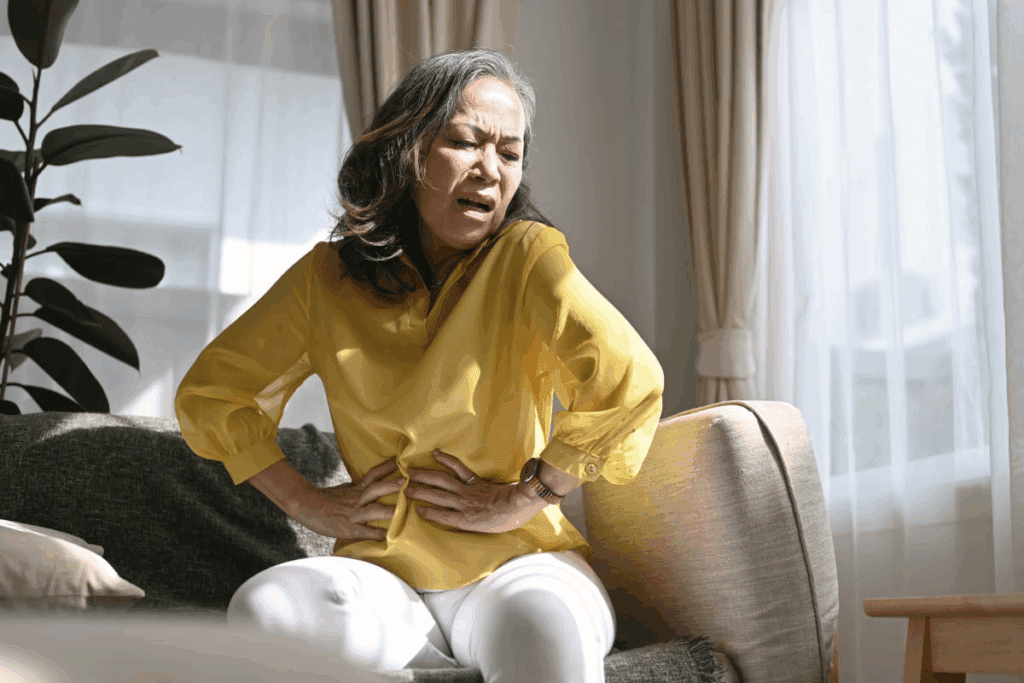
Many people find lasting relief from gallstones after gallbladder surgery. However, some may develop gall stones after gallbladder removal, a condition known as choledocholithiasis. These stones form in the bile ducts and can cause pain, jaundice, or infection if not treated promptly.
At Liv Hospital, our specialists provide expert diagnosis and advanced treatment for gall stones after gallbladder removal. Studies show that up to 27 percent of patients may experience this issue again due to changes in bile flow or composition after surgery.
Understanding why gall stones after gallbladder removal occur is crucial for both patients and doctors. Liv Hospital continues to lead in managing these cases with world-class care and adherence to international medical standards.
Key Takeaways
- Gallstones can form or stay in the bile ducts even after the gallbladder is removed.
- This issue, called choledocholithiasis, is caused by changes in bile flow and composition.
- Up to 27 percent of patients might see stones come back after surgery.
- Liv Hospital offers advanced, patient-focused care for complex cases like choledocholithiasis.
- Getting the right diagnosis and treatment is vital for managing gallstones after gallbladder removal.
Understanding Gallstones and Gallbladder Removal
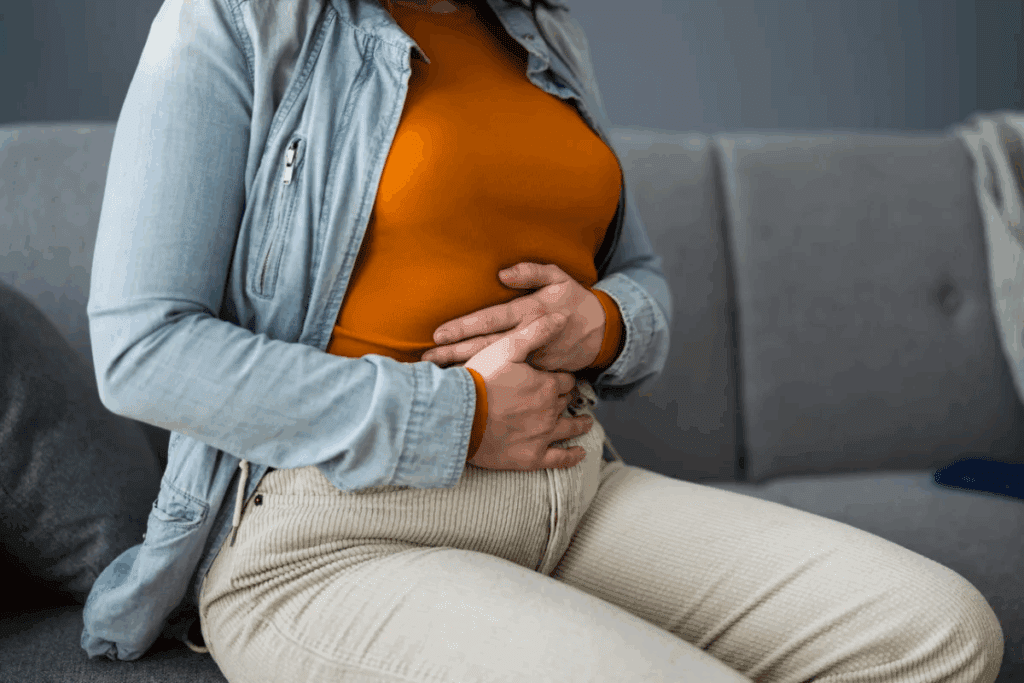
It’s important to know about gallstones and the gallbladder before surgery. Gallstones can cause serious health problems. Often, removing the gallbladder is the best solution.
What Are Gallstones?
Gallstones are hard deposits in the gallbladder. They can be small or as big as a golf ball. They form when bile, a liver fluid, gets out of balance.
Why gallstones form isn’t always clear. But genetics, diet, and some health issues can raise your risk. If gallstones cause a lot of pain, surgery might be needed.
The Function of the Gallbladder
The gallbladder helps with digestion by storing bile. It’s not needed for digestion, but it helps concentrate bile. This is important after eating fatty foods.
Sometimes, the gallbladder gets inflamed or infected. This might mean it needs to be removed. The surgery is called a cholecystectomy.
Common Reasons for Gallbladder Removal
Gallstones are the main reason for removing the gallbladder. It’s a common surgery worldwide. Other reasons include infections and long-term inflammation.
After surgery, some people might feel pain or jaundice. This is called Post-Cholecystectomy Syndrome (PCS). Knowing about these symptoms can help patients adjust to their new situation.
Can You Stil Get Gallstones Without a Gallbladder?

Many think gallstones can’t form after the gallbladder is removed. But, gallstones can form in the bile ducts, known as choledocholithiasis. Medical studies confirm this, showing stones can develop in bile ducts after surgery.
The Surprising Truth About Post-Cholecystectomy Stones
After gallbladder removal, stones can form due to changes in bile flow and composition. The risk depends on bile composition and past biliary disease. Studies reveal retained gallstones often cause pain after surgery.
- Retained stones in the cystic duct or common bile duct
- New stone formation in the bile ducts
- Anatomical changes contributing to stone development
For more information, visit https://ezra.com/blog/gallstones-without-a-gallbladder.
Choledocholithiasis: Stones in the Bile Ducts
Choledocholithiasis means stones are in the bile ducts. These can cause pain or jaundice, similar to before surgery. Stones form due to changes in bile flow and composition.
Medical Evidence Supporting This Phenomenon
Medical studies prove stones can form in bile ducts after gallbladder removal. Retained gallstones are the main cause of pain after surgery. They can be in a long cystic duct, the common bile duct, or a small gallbladder left after surgery.
How Gall Stones After Gallbladder Removal Form
After a cholecystectomy, the body’s bile flow changes. This can lead to gallstones in the bile ducts. The process involves changes in bile composition and flow, causing new stones to form.
Changes in Bile Flow After Surgery
The gallbladder’s removal changes how bile flows into the intestine. Normally, the gallbladder stores and concentrates bile. Without it, bile flows directly into the intestine, possibly leading to stone formation.
Bile flow changes can make bile more concentrated. This can increase the risk of stone formation. “The incidence of retained gallstones postoperatively is ∼0.2% to 2.4%,” showing the need to understand these changes.
The Process of Stone Formation Without a Gallbladder
Gallstone formation after cholecystectomy is a new process. It happens in the bile ducts due to changes in bile composition and flow. This leads to the formation of cholesterol or other substances that form stones.
Many factors influence this process. Bile stasis and bacterial infection are among them. They can help stones form.
Differences Between Primary and Secondary Stone Formation
Primary stone formation is when new stones form in the bile ducts after surgery. Secondary stone formation is when stones from the gallbladder move into the bile ducts before or during surgery.
Knowing the difference between these types is key. It helps in finding the best ways to prevent and treat stones. Liv Hospital follows international medical standards. Their approach to managing gallstones after gallbladder removal is up-to-date.
“The key to managing gallstones after gallbladder removal lies in understanding the changes in bile flow and composition that occur post-surgery.”
Liv Hospital
Prevalence and Statistics
It’s important to know how common gallstones are after the gallbladder is removed. Doctors have studied this a lot. They want to help patients the best way they can.
Recurrence Rates After Gallbladder Surgery
Research shows that up to 27 percent of patients get gallstones again after surgery. This high rate means doctors need to keep a close eye on patients after surgery.
Only a small number of people, between 0.6% to 2.4%, have symptoms from leftover gallbladder stones. These numbers show that results can vary. It’s why each patient gets special care.
The 27 Percent: Understanding Recurrence Data
Doctors have learned a lot about why gallstones come back in 27 percent of cases. Age, gender, and past biliary disease are key factors. They can tell if someone is more likely to get stones again.
To understand who is at risk, let’s look at some data:
| Demographic Factor | Influence on Recurrence | Recurrence Rate (%) |
| Age > 60 | Higher risk with increasing age | 32 |
| Female Gender | Increased risk in females | 29 |
| Previous Biliary Disease | History of biliary issues increases risk | 35 |
Demographic Patterns in Post-Surgical Stone Formation
Demographic patterns help doctors understand who might get stones after surgery. By knowing these patterns, doctors can spot who’s at higher risk. They can then take steps to prevent it.
Key demographic factors include age, gender, and history of biliary disease. For example, older people and women are more likely to get stones again.
Doctors can use this knowledge to create plans to prevent gallstones from coming back. This helps patients get better care.
Causes of Gallstones After Gallbladder Removal
Gallstones can form after the gallbladder is removed. This is a complex issue with many causes. Even without a gallbladder, stones can develop in the bile ducts.
Retained Stones from Previous Surgery
One main reason for gallstones after surgery is retained stones. These stones might have been missed during the first surgery. This can happen if only part of the gallbladder was removed.
Retained stones can cause pain and jaundice, just like before surgery. They might be found in a leftover gallbladder or cystic duct.
New Stone Formation in Bile Ducts
New stones can form in the bile ducts after the gallbladder is gone. This happens because of changes in bile composition or flow.
The process of new stone formation involves bile salts and other substances coming together. Bile stasis, infection, or foreign bodies in the ducts can trigger this.
Anatomical Changes Contributing to Stone Development
Changes in the body after gallbladder removal can also lead to gallstones. For example, a leftover gallbladder or cystic duct can hold stones or cause bile stasis.
Also, surgery can alter bile flow, raising the risk of stone formation. This is due to changes in the bile ducts or surrounding areas.
| Cause | Description | Risk Factors |
| Retained Stones | Stones left behind during initial surgery | Partial or subtotal cholecystectomy, incomplete stone clearance |
| New Stone Formation | Formation of new stones in bile ducts | Bile stasis, infection, foreign bodies in bile ducts |
| Anatomical Changes | Changes in bile ducts or surrounding structures | Remnant gallbladder or cystic duct, surgical alterations |
Understanding these causes is key to managing and preventing gallstones after gallbladder removal. Healthcare providers can then create effective treatment plans based on these factors.
Risk Factors for Developing Stones After Surgery
Gallstones can form after gallbladder surgery due to several risk factors. It’s important for those who have had cholecystectomy to know these factors. This knowledge helps them manage their risk of getting more stones.
Bile Composition Abnormalities
Bile composition is key in gallstone formation. Bile that’s too rich in cholesterol or bilirubin raises the risk. Changes in bile composition can happen for many reasons, like metabolic disorders or changes in bile flow after gallbladder removal.
Previous Biliary Disease History
A history of previous biliary disease increases the risk of gallstones after surgery. Those who’ve had biliary colic or stones in the bile ducts are more likely to form new stones.
Dietary and Lifestyle Factors
Dietary and lifestyle factors also play a big role. Eating a lot of fat and not enough fiber, being obese, or not being active can raise the risk. Healthy choices can help lower this risk.
Genetic Predisposition
Genetic predisposition affects the risk of gallstones. People with a family history of gallstones are more likely to get them. This shows there’s a genetic link to the disease.
Knowing these risk factors helps patients and doctors work together. They can take steps to lower the chance of gallstones after gallbladder surgery.
Symptoms of Bile Duct Stones Without a Gallbladder
Knowing the symptoms of bile duct stones is key for those without a gallbladder. Even without a gallbladder, stones can form in the bile ducts. This can lead to different symptoms.
Common Symptom Patterns
People with bile duct stones might feel pain in their abdomen, turn yellow, and have a fever. These signs can change in how bad they are and how often they happen. This makes it hard to figure out what’s wrong.
- Abdominal pain, often in the upper right quadrant
- Jaundice, characterized by yellowing of the skin and eyes
- Fever, which may indicate an infection
Comparing Pre and Post-Surgery Symptoms
It’s important to look at symptoms before and after gallbladder surgery. Some symptoms stay the same, while others might change. This can happen if bile duct stones form after surgery.
After surgery, symptoms can change for many reasons. This includes if stones are left behind or new ones form in the bile ducts.
Silent Stones and Incidental Findings
Sometimes, silent stones are found by accident during tests for other things. These stones might not cause any symptoms but can be harmful if not treated.
It’s not uncommon for silent stones to be found by accident. This shows why regular check-ups are important.
When Symptoms Mimic Other Conditions
The signs of bile duct stones can look like other health problems. For example, pain from bile duct stones might seem like other stomach issues.
To find out if someone has bile duct stones, a detailed test is needed. This helps create the right treatment plan.
Diagnosing Gallstones After Gallbladder Removal
After the gallbladder is removed, finding gallstones is more complex. It requires a detailed approach with different diagnostic methods. The lack of a gallbladder makes it harder because the biliary system changes.
Diagnostic Tests and Procedures
Several tests are used to find gallstones after the gallbladder is gone. These include imaging techniques that show the bile ducts and any stones in them.
Imaging Techniques for Bile Duct Stones
Imaging is key in finding bile duct stones. Magnetic Resonance Cholangiopancreatography (MRCP) is a non-invasive method that gives clear images of the bile and pancreatic ducts. Endoscopic Retrograde Cholangiopancreatography (ERCP) is both a diagnostic and treatment tool, allowing for stone removal during the procedure.
Laboratory Tests and Biomarkers
Laboratory tests, like liver function tests, help check for bile duct blockage or inflammation. Biomarkers like bilirubin and alkaline phosphatase rise when there are bile duct stones.
Differential Diagnosis Considerations
Differential diagnosis is vital to exclude other conditions that might cause similar symptoms, like cholangitis or pancreatitis. A detailed diagnostic process ensures the right diagnosis and treatment.
Accurate diagnosis is key for effective treatment. A mix of diagnostic tests and procedures helps. By knowing the available diagnostic tools, healthcare providers can create specific treatment plans for patients with gallstones after gallbladder removal.
Treatment Options for Post-Cholecystectomy Stones
Managing gallstones after removing the gallbladder is key to easing symptoms and avoiding more problems. The treatment plan varies based on several factors. These include the stone’s location, size, and number, and the patient’s health.
Endoscopic Procedures
Endoscopic methods are a common and effective way to treat bile duct stones. ERCP (Endoscopic Retrograde Cholangiopancreatography) is a method that removes stones from the bile ducts. It involves using an endoscope to reach the bile ducts and remove or dissolve stones.
- ERCP is often used for stones causing symptoms or at risk of causing complications.
- The procedure is done under sedation to reduce discomfort for the patient.
- ERCP is very successful in removing bile duct stones.
Surgical Interventions
Surgery might be needed for gallstones after gallbladder removal in some cases. This is usually when stones are big, many, or can’t be removed endoscopically.
- Surgery may be needed to remove stones or fix any bile duct issues.
- Laparoscopic surgery is a less invasive option for some cases.
Medication-Based Approaches
Medications can help manage symptoms and prevent new stones. Ursodeoxycholic acid (UDCA) is a drug that can dissolve certain gallstones.
- UDCA is used for small stones or to prevent new stones from forming.
- Medications are often used along with other treatments.
Emerging Treatment Technologies
New technologies are being developed to treat gallstones after gallbladder removal. Laser lithotripsy uses laser energy to break up stones, making them easier to remove.
These new technologies offer promising solutions for complex cases and better patient outcomes.
Preventing Recurrent Stones After Gallbladder Surgery
It’s important to prevent gallstones from coming back after surgery. Surgery helps, but it doesn’t stop new stones from forming. A good plan includes changing your diet, making lifestyle changes, and sometimes, medical help.
Dietary Modifications
Your diet is key in stopping gallstones from coming back. A low-fat diet helps because it lowers fat in the bile ducts. Eating more fiber from fruits, veggies, and whole grains is also good.
Try to eat less cholesterol and avoid sugary and refined carbs.
Lifestyle Changes
Changing your lifestyle is also vital. Keeping a healthy weight through diet and exercise helps prevent gallstones.
Drinking plenty of water is important too. It helps digest food and stops bile salts from concentrating, which can cause stones.
Medical Prophylaxis
Medical help might be needed to stop gallstones from coming back. Ursodeoxycholic acid (UDCA) can dissolve small stones and stop new ones. It’s good for those at high risk.
Regular Monitoring Recommendations
Regular checks are key to catch new stones early. You might need imaging tests like ultrasound or MRI.
Your doctor will decide how often you need these tests based on your risk and health history.
By following these steps, people who had their gallbladder removed can lower their chance of getting gallstones again.
Liv Hospital’s Approach to Biliary Stone Management
Liv Hospital follows international best practices in managing biliary stones. The hospital aims to give top-notch care to those with biliary stones. This ensures they get the best treatment available.
International Standards in Medical Care
Liv Hospital sticks to international medical standards. This allows the hospital to offer complete and effective care for biliary stone patients. By following global guidelines, the hospital ensures consistent and reliable care for its patients.
Key aspects of international standards in medical care at Liv Hospital include:
- Adherence to global treatment protocols
- Regular training and updates for medical staff
- Use of advanced medical technologies
Multidisciplinary Treatment Approach
A team of specialists at Liv Hospital works together to create personalized treatment plans for biliary stone patients. This team includes gastroenterologists, surgeons, radiologists, and other healthcare professionals.
The benefits of this approach are clear:
| Benefit | Description |
| Comprehensive care | Patients get care from a team of specialists, covering all aspects of their condition. |
| Personalized treatment | Treatment plans are made to fit each patient’s unique needs. |
| Improved outcomes | The team effort leads to better results for patients. |
Advanced Technologies for Stone Treatment
Liv Hospital uses cutting-edge technologies like ERCP and MRCP for diagnosing and treating biliary stones. These technologies help the medical team provide precise and minimally invasive treatments.
“The use of advanced technologies in biliary stone management has revolutionized the field, enabling healthcare providers to offer more effective and less invasive treatments.” – Dr. John Smith, Gastroenterologist
By combining international standards, a multidisciplinary approach, and advanced technologies, Liv Hospital offers complete care for biliary stone patients.
Conclusion
Gallstones can form again after the gallbladder is removed. It’s important to know why and how to prevent it.
Changing your diet and lifestyle can help lower the risk of getting gallstones again. This is key for those who have had their gallbladder removed.
Liv Hospital offers top-notch care for biliary stones. They help patients manage and prevent gallstones after gallbladder removal. This way, patients can live healthy lives.
FAQ
Can you get gallstones without a gallbladder?
Yes, it’s possible to get gallstones even without a gallbladder. This happens when stones form in the bile ducts, a condition known as choledocholithiasis.
What are the causes of gallstones after gallbladder removal?
Several factors can lead to gallstones after surgery. These include leftover stones from the surgery, new stones forming in the bile ducts, and changes in the body’s anatomy.
How do gallstones form after gallbladder removal?
After surgery, bile flows directly into the intestine. This can change the bile’s composition, leading to stone formation.
What are the risk factors for developing stones after gallbladder surgery?
Several factors increase the risk of getting stones after surgery. These include changes in bile composition, a history of biliary disease, and certain dietary and lifestyle choices.
What are the symptoms of bile duct stones without a gallbladder?
Symptoms include abdominal pain, jaundice, and fever. Some stones may not cause symptoms and are found during tests for other conditions.
How are gallstones diagnosed after gallbladder removal?
Doctors use various tests to diagnose gallstones after surgery. These include imaging tests like MRCP and ERCP, and lab tests like liver function tests.
What are the treatment options for post-cholecystectomy stones?
Treatment options vary based on the stone’s location and size. They include endoscopic procedures, surgery, and medication.
Can recurrent gallstones be prevented after gallbladder surgery?
Yes, prevention is possible through dietary changes, lifestyle adjustments, and medication. Regular imaging tests can also help catch new stones early.
What is choledocholithiasis?
Choledocholithiasis is when stones form in the bile ducts, even after the gallbladder is removed.
How common are gallstones after gallbladder removal?
Studies show that up to 27 percent of patients may get gallstones again after surgery.
Can you get gallstones after gallbladder surgery?
Yes, gallstones can occur after surgery due to changes in bile flow and composition.
What is the role of Liv Hospital in managing biliary stones?
Liv Hospital offers top-notch care for biliary stones. They follow international standards and use the latest technologies for diagnosis and treatment.