Last Updated on November 26, 2025 by Bilal Hasdemir
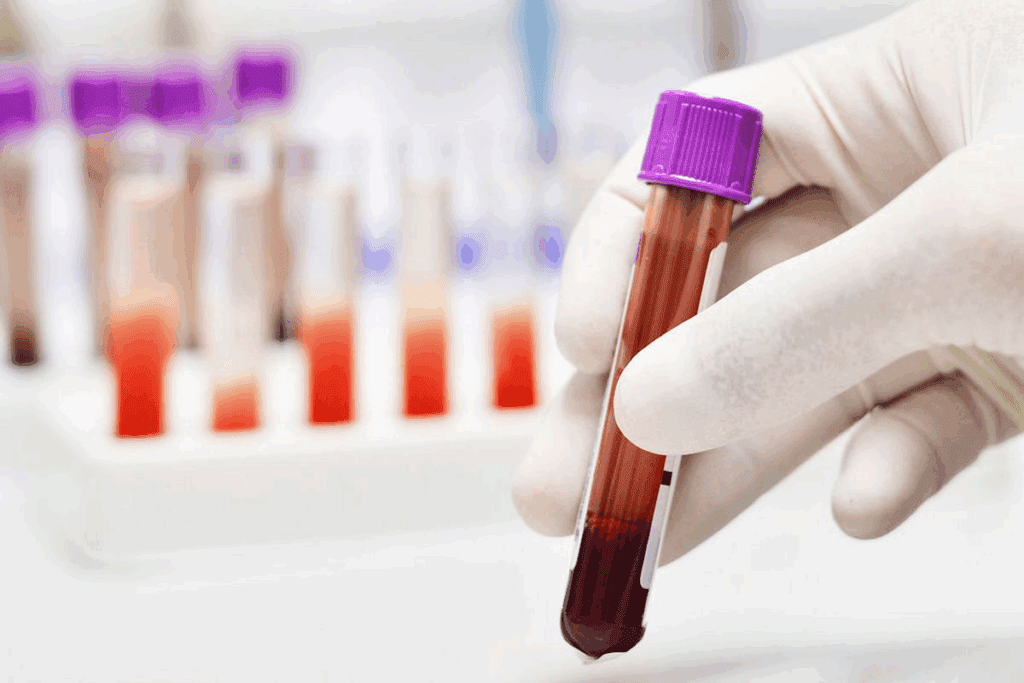
Gallbladder issues can cause a lot of pain and serious problems if not treated early. Blood tests are key in finding these problems early.
A gallbladder blood test panel checks liver function, bilirubin levels, and pancreatic enzymes. These tests help find gallbladder problems and decide on treatment.
At Liv Hospital, patients get detailed and focused diagnostics. They use top medical skills to tackle gallbladder issues well.
Key Takeaways
- Early detection of gallbladder problems is key to avoid serious issues.
- Blood tests are vital for spotting gallbladder issues.
- A gallbladder blood test panel includes tests like liver function and pancreatic enzyme checks.
- Liv Hospital offers detailed diagnostics for gallbladder problems.
- Quick treatment can greatly improve patient results.
Understanding Gallbladder Problems and Their Symptoms

It’s important to know the signs of gallbladder disease early. This helps in getting the right treatment. The gallbladder is key to digestion, and problems here can cause health issues.
Common Gallbladder Conditions
Gallbladder issues often show up as certain conditions. These include gallstones, cholecystitis, and biliary dyskinesia. If not treated, these can cause a lot of discomfort and health problems.
Gallstones are hard deposits in the gallbladder. They can cause pain and block bile ducts. Cholecystitis is inflammation of the gallbladder, usually from gallstones. Biliary dyskinesia is when the gallbladder doesn’t work right, making it hard to release bile.
Typical Symptoms of Gallbladder Disease
The signs of gallbladder disease can vary. But common ones are abdominal pain, nausea, vomiting, and jaundice. These symptoms mean you might have gallbladder problems and need to see a doctor.
- Abdominal pain, often severe and steady, typically located in the upper right abdomen
- Nausea and vomiting, which may occur after eating, specially fatty foods
- Jaundice, characterized by yellowing of the skin and eyes due to bile duct obstruction
Why Early Detection Matters
Finding gallbladder problems early is key to avoiding serious issues. It helps in getting better treatment results. Blood tests can show signs of infection or blockage, helping doctors act fast.
| Condition | Symptoms | Complications if Untreated |
| Gallstones | Pain after eating fatty foods, nausea | Blockage of bile ducts, pancreatitis |
| Cholecystitis | Severe abdominal pain, fever | Gangrene, perforation of the gallbladder |
| Biliary Dyskinesia | Abdominal pain, nausea | Chronic digestive issues, possible gallstones |
The Complete Gallbladder Blood Test Panel Explained

The gallbladder blood test panel is a detailed way to check the health of the gallbladder and related organs. “A complete diagnostic panel is key for accurate diagnosis and effective treatment planning,” say medical experts.
Components of a Complete Panel
A complete gallbladder blood test panel includes liver function tests, bilirubin measurements, and pancreatic enzyme checks. Liver function tests, like ALT and AST, check liver health and damage. Bilirubin tests are vital for diagnosing bile duct blockages.
Pancreatic enzyme tests, including amylase and lipase, help check the connection between the gallbladder and pancreas. These tests are important in cases of suspected gallstone pancreatitis. Together, they give a full picture of the gallbladder’s health and its effects on related organs.
When Doctors Order Gallbladder Blood Work
Doctors order gallbladder blood work when patients show symptoms like abdominal pain, jaundice, or fever. The decision to test is based on the patient’s symptoms and medical history. Early detection through blood tests can greatly improve treatment outcomes.
In some cases, blood tests are part of a routine check-up or when imaging studies suggest gallbladder issues. The aim is to catch problems early and guide the right treatment.
How Test Results Guide Treatment Decisions
The results of a gallbladder blood test panel are vital for treatment decisions. Abnormal results can show gallbladder disease, bile duct blockage, or pancreatitis. Understanding the pattern of abnormalities helps doctors determine the condition’s severity and the best treatment.
For example, high liver or pancreatic enzyme levels might need more tests or immediate treatment. But, small changes might be watched over time. The panel helps tailor treatment to each patient’s needs.
“The information from a gallbladder blood test panel is essential for creating a treatment plan that targets the root cause of symptoms.”
Healthcare providers use the results of different blood tests to decide on surgery, medication, or other treatments. The gallbladder blood test panel is a key part of diagnosis, leading to personalized care for patients with gallbladder issues.
Liver Function Tests: ALT and AST
Understanding liver function tests, like ALT and AST, is key to spotting gallbladder disease. These tests help check liver health and find bile duct blockages.
What ALT Measures in Gallbladder Disease
Alanine transaminase (ALT) is a liver enzyme important for diagnosing liver damage. High ALT levels suggest liver cell injury, which might link to gallbladder issues. The normal ALT range is usually 0-40 U/L, but it can vary.
Key points about ALT:
- ALT is mainly found in liver cells.
- High ALT levels show liver damage or disease.
- ALT is used with other tests to find gallbladder problems.
What AST Indicates About Bile Duct Health
Aspartate transaminase (AST) is another liver enzyme for checking liver health. AST is found in the liver, heart, and muscles. High AST levels suggest liver damage or bile duct blockage. The normal AST range is also 0-40 U/L.
Important aspects of AST:
- AST is less specific to the liver than ALT.
- High AST levels mean liver or other tissue damage.
- AST is used with ALT for a full liver health view.
Normal Ranges and Interpreting Elevated Results
ALT and AST have normal ranges, but these can differ between labs. Generally, they are 0-40 U/L. High levels of either enzyme suggest liver damage or disease, including gallbladder and bile duct issues.
| Enzyme | Normal Range (U/L) | Indications of Elevated Levels |
| ALT | 0-40 | Liver cell injury, possible gallbladder disease |
| AST | 0-40 | Liver damage, bile duct blockage, or other tissue damage |
Understanding ALT and AST test results needs looking at the bigger picture and other tests. Doctors use these results to plan further tests and treatments.
Alkaline Phosphatase (ALP) Test for Bile Duct Obstruction
The Alkaline Phosphatase (ALP) test is key for finding bile duct blockages. ALP is an enzyme mainly in the liver, bile ducts, and bones. It’s important for diagnosing gallbladder diseases, focusing on the liver and bile ducts.
High ALP levels can mean bile duct blockage or liver problems. “The ALP test is a valuable tool in assessing liver function and detecting bile duct obstructions,” says a gastroenterology expert.
How ALP Relates to Gallbladder Function
The ALP test indirectly checks gallbladder health by looking at bile ducts. The gallbladder holds bile from the liver, which goes to the intestine through bile ducts. Blockages in these ducts can raise ALP levels.
Bile duct obstruction can be caused by gallstones, tumors, or inflammation. If the bile ducts are blocked, ALP levels go up, showing a problem.
Patterns of ALP Elevation in Gallstone Disease
In gallstone disease, ALP can go up if a stone blocks the bile duct. The way ALP goes up can tell us about the blockage.
- Mild elevations might mean partial blockage or other liver issues.
- Big elevations usually mean a serious blockage, like a big stone.
Differentiating Gallbladder vs. Other Causes of High ALP
High ALP doesn’t just mean gallbladder disease. It can also mean bone problems, liver diseases, or certain medicines.
To figure out the cause, doctors use several tests. These include:
- Liver function tests to check liver health.
- Imaging like ultrasound or CT scans to see the gallbladder and bile ducts.
- Tests for bone disorders if needed.
By looking at ALP levels and other test results, doctors can find the cause. Then, they can plan the right treatment.
Gamma-Glutamyl Transferase (GGT): Specific Marker for Biliary Disease
Gamma-Glutamyl Transferase (GGT) is key in checking for biliary disease. It’s a liver enzyme that shows if there’s a problem with the bile ducts. This makes it a great tool for finding gallbladder issues.
Role in Gallbladder Assessment
GGT is important for checking the gallbladder’s health. It’s a good marker for biliary disease. High GGT levels can mean there’s a blockage in the bile ducts or cholestasis.
Clinical significance of GGT is in spotting liver and bile duct problems. It works well with other liver tests like alkaline phosphatase (ALP) and transaminases.
Complementary Value to Other Liver Tests
GGT adds extra info about the liver and bile ducts. It helps tell if high ALP comes from the bones or liver. This is important because high ALP can mean different things, like bone growth or liver disease.
GGT, with other liver tests, helps doctors find and treat liver and biliary problems better. It’s great for making sure high ALP comes from the liver.
Conditions Associated with Abnormal GGT Levels
High GGT levels are linked to liver disease, bile duct blockage, and cholestasis. Drinking too much alcohol can also raise GGT levels. This shows alcohol damage to the liver.
- Gallbladder disease, including gallstones and cholecystitis
- Bile duct obstruction
- Cholestasis
- Liver disease, including hepatitis and cirrhosis
- Alcohol-induced liver injury
Knowing about GGT levels is key for diagnosing and treating biliary disease and related issues.
Bilirubin Blood Test: Key Indicator of Gallbladder Blockage
A bilirubin blood test is key for spotting gallbladder blockage. It checks bilirubin levels in the blood. This can show if there’s a gallbladder or bile duct issue. Bilirubin is a yellow pigment made when red blood cells break down.
Direct vs. Indirect Bilirubin Measurements
Bilirubin comes in two types: direct (conjugated) and indirect (unconjugated). Direct bilirubin is processed by the liver, while indirect bilirubin isn’t. The total bilirubin test looks at both types. Knowing the difference helps spot gallbladder problems.
In a healthy person, both direct and indirect bilirubin levels are normal. But, if the gallbladder or bile ducts are blocked, direct bilirubin levels go up.
Connection Between Bilirubin, Jaundice, and Gallbladder Disease
High bilirubin levels can cause jaundice, which makes the skin and eyes yellow. Jaundice often means there’s a gallbladder disease or bile duct block. When the gallbladder is blocked, bile can’t get into the intestine, causing bilirubin to build up in the blood.
Linking bilirubin levels to jaundice helps doctors find gallbladder problems. They can see how bad the blockage is and what to do next.
What Different Bilirubin Patterns Reveal
Different bilirubin levels can show different gallbladder and liver issues. For example:
- High indirect bilirubin might mean hemolysis or liver problems.
- High direct bilirubin usually points to bile duct blockage or gallbladder issues.
Doctors can understand the cause of gallbladder problems by looking at these patterns. They can then plan the best treatment.
Pancreatic Enzyme Tests: Amylase and Lipase
Pancreatic enzyme tests, like amylase and lipase, are key in finding gallbladder problems. They check the pancreas’s health and how it works with the gallbladder.
The Gallbladder-Pancreas Connection
The gallbladder and pancreas are connected through the biliary system. Gallstones in the gallbladder can cause pancreatitis, an inflammation of the pancreas. Knowing this link helps doctors diagnose and treat gallbladder issues.
How Amylase and Lipase Help Diagnose Gallstone Pancreatitis
Gallstone pancreatitis happens when a gallstone blocks the pancreatic duct, causing inflammation. High amylase and lipase levels in the blood show pancreatitis. These tests are key in finding and figuring out how severe the condition is.
The amylase test checks the blood for amylase enzyme, made by the pancreas and salivary glands. High amylase levels mean pancreatitis or other pancreatic issues. The lipase test looks at lipase enzyme levels, mostly from the pancreas. High lipase levels point to pancreatic damage.
Distinguishing Gallbladder from Primary Pancreatic Problems
Problems can happen in either the gallbladder or pancreas. Pancreatic enzyme tests help tell if gallbladder issues affect the pancreas or if it’s a primary pancreatic problem. For example, high amylase and lipase levels with gallstones might mean gallstone pancreatitis. But, high levels without gallstones could mean a primary pancreatic issue.
Healthcare providers use pancreatic enzyme tests and other tests to find the cause of symptoms. This helps them create the right treatment plan for patients.
Does Gallbladder Issues Show Up in Bloodwork? Limitations and Accuracy
Gallbladder problems can be hard to spot with blood tests alone. These tests are key, but they’re not always clear-cut. They don’t always show gallbladder issues.
When Blood Tests May Miss Gallbladder Problems
Blood tests might not catch gallbladder issues, like in the early stages or with silent gallstones. Silent gallstones don’t cause symptoms and can’t be found through blood tests. A study in the Journal of Clinical Gastroenterology found that “up to 80% of people with gallstones are asymptomatic.”
“The diagnosis of gallbladder disease often relies on a combination of clinical presentation, laboratory tests, and imaging studies.”
Silent Gallstones and Normal Blood Results
Silent gallstones can hide with normal blood tests, making it tough to diagnose. In these cases, imaging tests like ultrasound are key for finding them.
Complementary Diagnostic Methods
Because blood tests have limits, other methods are used too. These include:
- Imaging tests such as ultrasound and CT scans
- Endoscopic ultrasound (EUS)
- Hepatobiliary iminodiacetic acid (HIDA) scan
These methods give a fuller picture of gallbladder health. They can spot problems that blood tests might miss.
| Diagnostic Method | Use in Gallbladder Disease | Advantages |
| Ultrasound | Detection of gallstones and inflammation | Non-invasive, quick, and widely available |
| CT Scan | Detailed imaging of gallbladder and surrounding structures | Provides detailed images, helpful in complicated cases |
| HIDA Scan | Assessing gallbladder function and obstruction | Functional assessment, helpful in diagnosing obstruction |
In summary, blood tests are useful but have their limits. A full diagnostic plan, including imaging tests, is usually needed to accurately find gallbladder problems.
Complete Blood Count in Gallbladder Infection Assessment
The Complete Blood Count (CBC) is key in checking for gallbladder infections. It helps doctors understand how the body reacts to infection and inflammation.
White Blood Cell Count and Cholecystitis
The CBC’s white blood cell count (WBC) is vital for spotting cholecystitis, an inflammation of the gallbladder. A high WBC count means there’s an infection or inflammation. This is often due to gallstones blocking the bile duct.
Key aspects of WBC count in cholecystitis diagnosis include:
- A big jump in WBC count shows how severe cholecystitis is.
- Watching WBC count changes helps see if treatment is working.
- If WBC count stays high, it might mean the gallbladder needs surgery.
Other CBC Parameters Relevant to Gallbladder Inflammation
While WBC count is important, other CBC parts also give clues about gallbladder issues. These include:
- Neutrophil count: Goes up with WBC in acute cholecystitis.
- Hemoglobin and hematocrit levels: Show if there’s anemia or dehydration.
- Platelet count: Changes with inflammation or infection.
Tracking Infection Resolution Through CBC
A CBC is not just for diagnosing but also for tracking how well the infection is getting better. By watching CBC changes, doctors can see if treatment is working. A drop in WBC count and normalizing other CBC parts means the infection is getting better.
Important considerations when using CBC to track infection resolution include:
- Keep an eye on CBC changes over time.
- Link CBC results with symptoms and other tests.
- Change treatment based on CBC and patient response.
Interpreting Your Gallbladder Blood Test Results
Understanding blood test results for gallbladder issues is key. Your doctor will look at these results to find patterns and abnormalities. These signs may point to gallbladder problems.
Pattern Recognition in Test Results
Doctors search for specific patterns in blood test results for gallbladder issues. For example, high liver enzymes like ALT and AST can mean bile duct problems or inflammation.
Key patterns to look for include:
- Elevated ALP and GGT levels, which may indicate bile duct obstruction
- Abnormal bilirubin levels, suggesting jaundice or bile duct blockage
- High white blood cell count, indicating possible infection or inflammation
What Different Combinations of Abnormal Tests Mean
Different abnormal blood test results can give clues about your gallbladder health. For example:
Isolated abnormalities: A single abnormal test might not mean much. But, if many tests are off, it could signal a serious problem.
Multiple abnormalities: Several abnormal tests together often point to a complex issue. For example, high ALP, GGT, and bilirubin levels together might show a big bile duct blockage.
| Test Combination | Possible Indication |
| Elevated ALT and AST | Liver cell damage or inflammation |
| High ALP and GGT | Bile duct obstruction or cholestasis |
| Abnormal bilirubin levels | Jaundice or bile duct blockage |
When to Seek Additional Testing
If your blood test results show big changes or if your doctor thinks you might have gallbladder disease, more tests might be needed. This could include ultrasound or CT scans to see your gallbladder and bile ducts better.
Your doctor might also suggest more tests if you have severe pain, jaundice, or fever. These symptoms could mean a serious gallbladder issue that needs quick attention.
When to Seek Medical Help for Abnormal Gallbladder Tests
Abnormal gallbladder test results can be scary. It’s important to know when to seek medical help. If you’re feeling severe symptoms or have gotten concerning test results, it’s key to understand what to do next.
Warning Signs That Require Immediate Attention
Certain symptoms mean you need to see a doctor right away. These include:
- Severe abdominal pain that doesn’t get better or gets worse
- Jaundice, which is yellow skin and eyes
- Fever, with chills or sweating
- Nausea and vomiting that won’t stop
If you’re feeling any of these symptoms, you should get medical help fast.
Discussing Test Results With Your Doctor
When talking to your doctor about your test results, be ready with questions. You might want to ask about:
| Question | Why It’s Important |
| What do my test results indicate about my gallbladder health? | Understanding your diagnosis is the first step in managing your condition. |
| Are there any additional tests needed to confirm the diagnosis? | Further testing may be required to determine the extent of your condition. |
| What treatment options are available for my condition? | Knowing your treatment choices helps you make informed decisions about your care. |
Follow-up Testing Recommendations
Your doctor might suggest more tests based on your initial results. This could include:
- Imaging tests, such as ultrasound or CT scans, to see the gallbladder
- More blood work to check liver function or pancreatic enzymes
- Endoscopic procedures to look at the bile ducts and pancreas
Follow-up testing is key for keeping an eye on your condition and adjusting your treatment as needed.
Conclusion
Comprehensive gallbladder blood work is key in spotting infections, inflammation, or blockages in the bile ducts. It helps doctors make the right treatment choices for gallbladder diseases.
Blood tests are essential for checking gallbladder health. They help doctors find problems early and plan the best treatments. Knowing about liver function tests, alkaline phosphatase, and pancreatic enzyme tests helps people understand their diagnosis and treatment better.
Acting quickly to treat gallbladder issues can greatly improve health outcomes. Doctors use blood test results, medical history, and other tools to give focused care. This approach helps patients get better faster.
FAQ
What blood tests are used to diagnose gallbladder problems?
To find gallbladder issues, doctors use liver function tests like ALT and AST. They also check alkaline phosphatase (ALP), gamma-glutamyl transferase (GGT), and bilirubin. Pancreatic enzyme tests, including amylase and lipase, are also key.
Can gallbladder issues be detected through bloodwork?
Yes, blood tests can show gallbladder problems. But, they’re not always right. They might miss early signs or problems if the gallbladder isn’t inflamed.
What does a gallbladder blood test measure?
A gallbladder blood test checks many things. It looks at liver function, bilirubin levels, and pancreatic enzymes. This helps doctors see if the gallbladder is healthy or if there are issues.
How do liver function tests relate to gallbladder disease?
Liver function tests, like ALT and AST, can show gallbladder problems. They measure liver enzyme levels. High levels might mean gallbladder disease or bile duct blockage.
What is the role of GGT in assessing gallbladder health?
GGT is a special marker for biliary disease. It helps doctors check gallbladder health. It shows if there’s bile duct blockage or gallbladder issues.
Can a complete blood count (CBC) help diagnose gallbladder infection?
Yes, a CBC can spot gallbladder infection. It looks at white blood cell count and other signs of inflammation or infection.
What are the warning signs that require immediate medical attention for gallbladder problems?
Severe abdominal pain, jaundice, fever, and vomiting are urgent signs. They mean a serious gallbladder issue or complication.
How do I interpret my gallbladder blood test results?
Understanding your blood test results is key. Know what each part of the test means. Look for patterns of abnormal results. They might show gallbladder problems or other health issues.
What are the next steps after receiving abnormal gallbladder blood test results?
If your results are abnormal, talk to your doctor. They might suggest more tests, like imaging, to confirm the diagnosis. This helps decide the best treatment.
Can gallbladder problems be treated if detected early?
Yes, treating gallbladder problems early can help a lot. It can prevent serious complications like gallstone pancreatitis or cholecystitis.
What is the connection between the gallbladder and pancreas?
The gallbladder and pancreas are linked through the biliary system. Gallbladder issues can affect the pancreas. This can lead to gallstone pancreatitis.
How do pancreatic enzyme tests help diagnose gallbladder problems?
Tests for pancreatic enzymes, like amylase and lipase, are important. They show if there’s pancreatitis or gallstone pancreatitis. This helps diagnose gallbladder problems.
References
- Chemmanur, A. T., & Anand, B. S. (2025, May 15). Biliary disease workup: Laboratory studies, imaging studies, and staging. Medscape. https://emedicine.medscape.com/article/171386-workup