Last Updated on November 26, 2025 by Bilal Hasdemir

Gallstones in the bile duct, also known as choledocholithiasis, can lead to serious health problems if not diagnosed and treated promptly. When a gallbladder duct stone moves into the bile ducts, it can block the normal flow of bile and cause severe complications such as infection, jaundice, or pancreatitis.
Understanding the risks and symptoms of a gallbladder duct stone is essential for timely medical care. At Liv Hospital, our expert teams provide advanced diagnostic tools and personalized treatment to ensure the best outcomes for patients dealing with bile duct stones.
Key Takeaways
- Gallstones can migrate to the bile ducts, causing choledocholithiasis.
- Expert diagnosis is critical for effective treatment.
- Liv Hospital offers specialized care for patients with bile duct stones.
- Understanding the risks is key to timely medical intervention.
- Patient-focused care is essential for successful outcomes.
What You Need to Know About Gallbladder Duct Stones
Understanding gallbladder duct stones means looking at the biliary system closely. This system is made up of organs and ducts that make and move bile. Bile is key for breaking down fats and helping the body absorb vitamins.
The Biliary System: Anatomy and Function
The biliary system includes the liver, gallbladder, and bile ducts. The liver makes bile, which the gallbladder stores. When food hits the small intestine, the gallbladder sends bile into the bile ducts.
The bile ducts come together as the common bile duct. It meets the pancreatic duct before emptying into the small intestine. The cystic duct links the gallbladder to the common bile duct. This setup is key to understanding gallstone movement and formation.
How Stones Form in the Biliary System
Gallstones form when bile gets too full of cholesterol or bilirubin. This makes hard, crystal-like stones. These can be tiny or as big as a golf ball.
The reasons for gallstone formation are complex. They include bile makeup, how well the gallbladder moves, and genetics.
After they form, gallstones can stay in the gallbladder or move into the bile ducts. Bile duct stones can cause serious problems and need quick medical help.
Fact 1: Types and Composition of Gallbladder Duct Stone

Gallstones in the gallbladder and bile ducts come in three main types. Knowing these differences helps doctors diagnose and treat gallstone problems well.
Cholesterol Stones: Formation and Characteristics
Cholesterol stones are the most common. They are made mostly of cholesterol and are yellowish. They can be any size.
They form when bile gets too full of cholesterol. This can happen for many reasons, like diet, obesity, or certain health issues. For more on why they form, check out the National Institute of Diabetes and Digestive and Kidney.
Pigment Stones: Causes and Appearance
Pigment stones are smaller and darker, often black or dark brown. They are made of bilirubin or other pigments. They can be linked to hemolytic disorders or infections in the biliary system.
The exact reason for pigment stones can differ. But they are more common in people with certain health conditions.
Mixed Stones: The Most Common Type
Mixed stones are a mix of cholesterol and pigment stones. They are the most common in the gallbladder and bile ducts. Their complex makeup makes them hard to diagnose and treat.
| Type of Stone | Composition | Characteristics |
| Cholesterol Stones | Primarily cholesterol | Yellowish, varying sizes |
| Pigment Stones | Bilirubin or other pigments | Small, dark (black or dark brown) |
| Mixed Stones | Combination of cholesterol and bilirubin | Varying characteristics |
In conclusion, knowing about the different gallbladder duct stones is key to managing them well. Their makeup and traits help doctors understand how they form and how to treat them.
Fact 2: Migration Path – Where Do Gallstones Go?
Gallstones travel from the gallbladder to the bile ducts in a complex way. This journey can lead to health problems. Gallstones form in the gallbladder and can cause big issues when they move.
From Gallbladder to Bile Duct: The Journey
Gallstones form in the gallbladder, a small organ under the liver, as TeachMeAnatomy explains. They move through the cystic duct into the common bile duct. The cystic duct links the gallbladder to the common bile duct, a common spot for stones to get stuck.
The gallstone migration process is influenced by many factors. These include the size and number of stones, and the biliary system’s anatomy. Larger stones are more likely to block, while smaller ones might pass more easily.
Common Locations for Stone Lodgment
Gallstones can get stuck in several places as they move through the biliary system. Common spots include:
- The cystic duct, where a stone can block and cause gallbladder inflammation.
- The common bile duct, where stones can cause jaundice and possibly lead to infection or pancreatitis.
- The ampulla of Vater, where the bile duct meets the pancreatic duct, potentially causing pancreatitis.
Knowing where gallstones can migrate and get stuck is key for diagnosing and treating problems. The stone’s location affects symptoms and treatment needed.
Fact 3: Prevalence and Risk Factors
About 10-15% of people with gallstones also have stones in their bile duct. This shows why it’s key to know the risks. Early detection is vital to avoid serious problems.
Statistical Insights: 10-15% of Gallstone Patients
Research reveals that 10-15% of those with gallstones also have bile duct stones. This situation can cause serious issues if not handled right. The presence of stones in the bile duct is a significant concern due to the risk of obstruction and infection.
Who Is Most at Risk for Bile Duct Stones?
Some groups face a higher risk of bile duct stones. These include people with gallstone history, certain genetic traits, and specific medical conditions. Knowing these risk factors helps in early detection and management.
“The risk factors for bile duct stones include a history of gallstones, certain genetic conditions, and specific medical conditions that affect the bile duct.”
Genetic and Environmental Factors
Genetics and environment both play parts in bile duct stone formation. Genetic traits can change bile composition, making it more prone to stones. Environmental factors, like diet and lifestyle, also play a role. A diet high in cholesterol and low in fiber can increase the risk of gallstone formation.
- Genetic predispositions affecting bile composition
- Dietary factors, such as high cholesterol intake
- Lifestyle factors, including obesity and physical inactivity
Fact 4: Recognizing Symptoms of Biliary Duct Stones
It’s important to know the symptoms of biliary duct stones to get medical help quickly. These stones in the bile duct can cause discomfort and serious problems if not treated.
Common Symptoms and Warning Signs
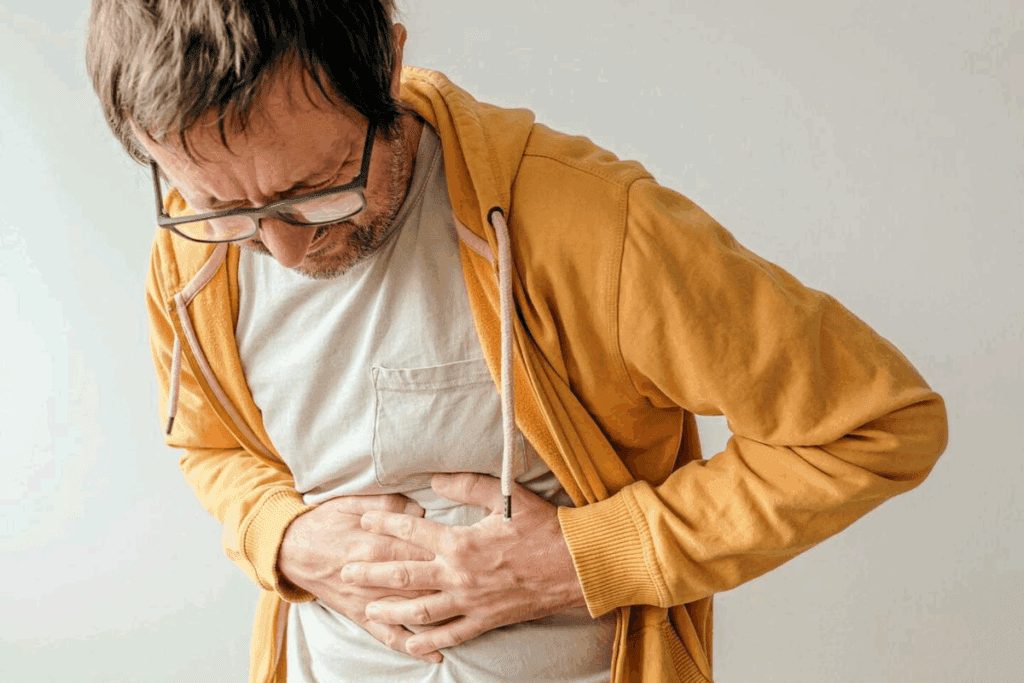
Symptoms of biliary duct stones include upper right abdominal pain and jaundice. Fever is another sign, which might mean an infection. These signs can come and go or get worse over time.
Other signs are nausea, vomiting, and changes in stool or urine color. Knowing these signs is key to getting medical help fast.
Differentiating from Other Gallbladder Issues
It’s hard to tell if you have a biliary duct stone or another gallbladder problem. But, jaundice and severe pain, with fever, might mean a stone is stuck. A doctor’s check-up, including tests, is needed to be sure.
When to Seek Immediate Medical Attention
If you have severe pain, jaundice, or fever, get medical help right away. These signs could mean a serious infection in the bile duct. Quick treatment is needed.
| Symptom | Description | Severity |
| Abdominal Pain | Pain in the upper right abdomen | Moderate to Severe |
| Jaundice | Yellowing of the skin and eyes | Variable |
| Fever | Elevated body temperature | Mild to Severe |
| Nausea and Vomiting | Feeling sick to the stomach | Mild to Moderate |
Fact 5: Complications of Untreated Stones
Not treating gallstones can lead to serious health issues. These issues can affect the gallbladder and other parts of the digestive system.
Cholecystitis: Inflammation of the Gallbladder
Cholecystitis is a common problem from untreated gallstones. It happens when a stone blocks the cystic duct, causing infection and inflammation. Symptoms include severe pain, fever, and nausea.
If not treated quickly, cholecystitis can get worse. It can lead to gangrene or a hole in the gallbladder.
Cholangitis: Bile Duct Infection and Sepsis Risk
Gallstones in the bile duct can cause cholangitis, an infection. This is very serious and can lead to sepsis, a dangerous infection in the body. Symptoms include jaundice, fever, and pain.
Pancreatitis: When Stones Affect the Pancreas
Gallstones can also cause pancreatitis, an inflammation of the pancreas. This is very painful and can be life-threatening. Symptoms include severe pain, nausea, and vomiting.
It’s critical to get medical help right away to manage symptoms and prevent further issues.
Jaundice: Causes and Implications
Jaundice is another problem from untreated gallstones. It’s when the skin and eyes turn yellow because of blocked bile ducts. Jaundice can be a sign of a serious problem and needs a doctor’s check-up.
Treatment depends on the cause of jaundice. It might involve removing the gallstones or other steps.
In conclusion, untreated gallstones can lead to serious health issues. It’s important to see a doctor if symptoms don’t get better or get worse.
Fact 6: Diagnostic Methods for Detecting Stones
Spotting stones in the bile duct needs a mix of advanced imaging and precise lab tests. Getting the diagnosis right is key. It helps choose the right treatment and avoid serious problems.
Imaging Techniques
Imaging is a big part in finding gallstones in the bile duct. Here are some top methods:
- Ultrasound: It’s often the first choice because it’s safe and can spot stones and blockages.
- Magnetic Resonance Cholangiopancreatography (MRCP): Gives clear pictures of the bile and pancreatic ducts, spotting stones and other issues.
- Endoscopic Ultrasound (EUS): Uses both endoscopy and ultrasound for detailed images of the bile duct and nearby areas.
Laboratory Tests and Biomarkers
Labs also play a big role in diagnosing bile duct stones. They help find signs of infection, blockage, or other issues.
- Liver Function Tests: High liver enzymes can mean the bile duct is blocked or the liver is not working right.
- Bilirubin Levels: High bilirubin can cause jaundice and shows the bile duct is blocked.
- White Blood Cell Count: A high count might mean an infection like cholangitis.
By using imaging and lab tests together, doctors can accurately find gallstones in the bile duct. Then, they can plan the best treatment.
Fact 7: Treatment Options for Gallbladder and Bile Duct Stones
Dealing with gallbladder and bile duct stones needs a good plan. The best treatment depends on the stone’s size, location, and number. It also depends on the patient’s health.
Non-Surgical Approaches
Some patients might get non-surgical treatments. Medications like ursodeoxycholic acid can dissolve certain stones. But, this works best for small, cholesterol stones and takes a long time.
Endoscopic retrograde cholangiopancreatography (ERCP) is another non-surgical option. It uses a tube through the mouth to reach the bile duct. There, stones can be removed or dissolved.
Surgical Interventions
For big or recurring stones, surgery is often needed. The most common surgery is a cholecystectomy. This removes the gallbladder. Laparoscopic surgery, with smaller cuts, is usually faster to recover from.
Sometimes, surgical exploration of the bile duct is needed. This is to remove stones causing blockages or other issues.
Recovery and Aftercare
After treatment, patients must follow a recovery plan. This includes diet changes, follow-up visits, and watching for complications.
Knowing the recovery process and following instructions is key. It helps avoid complications and ensures a smooth healing.
Living with and Preventing Bile Duct Stones
To prevent bile duct stones, you need to make changes in your diet and lifestyle. Knowing what causes gallstones helps you take steps to lower your risk.
Dietary Modifications for Prevention
Eating foods high in fiber and low in fat can prevent gallstones. Include fruits, vegetables, and whole grains in your diet. These foods help with digestion and lower gallstone risk.
Nutritional Recommendations:
- Increased intake of fruits and vegetables
- Higher consumption of whole grains
- Reduced intake of saturated and trans fats
| Food Group | Recommended Foods | Foods to Avoid |
| Fruits and Vegetables | Apples, Berries, Leafy Greens | High-sugar fruits, Starchy vegetables |
| Grains | Whole Wheat, Brown Rice, Oats | Refined grains, Processed cereals |
| Proteins | Lean meats, Fish, Legumes | High-fat meats, Processed meats |
Lifestyle Changes That Make a Difference
Changing your lifestyle can also help prevent bile duct stones. Regular exercise and keeping a healthy weight are key.
Regular Exercise: Doing moderate exercise like brisk walking, cycling, or swimming for 150 minutes a week can lower gallstone risk.
Long-term Monitoring After Treatment
If you’ve had treatment for bile duct stones, you need to keep an eye on your health. Regular check-ups with your doctor can catch problems early.
Monitoring Strategies:
- Regular ultrasound examinations
- Liver function tests
- Monitoring for symptoms of recurrence
By making dietary changes, adopting a healthy lifestyle, and monitoring your health, you can greatly reduce your risk of bile duct stones.
Post-Cholecystectomy: Bile Duct Stones After Gallbladder Removal
Removing the gallbladder doesn’t stop bile duct stones from forming. This issue, known as post-cholecystectomy bile duct stones, can cause problems if not handled right.
Why Stones Can Stil Form Without a Gallbladder
Even without a gallbladder, bile ducts can make and move bile. This can cause stones to form. Residual stones from surgery can move into the bile ducts. Or, new stones can form because of bile stasis or infection.
Managing Symptoms and Recurrence Risk
Managing symptoms of bile duct stones after gallbladder removal needs a mix of medical and lifestyle changes. Patients might feel abdominal pain, jaundice, or fever. These symptoms need quick medical help. Ursodeoxycholic acid might be given to dissolve stones. Sometimes, more surgery is needed.
Follow-up Care After Gallbladder Surgery
Regular check-ups are key after gallbladder surgery to watch for problems like bile duct stones. This includes visits to the doctor, imaging tests like ultrasound or MRI, and a healthy lifestyle to lower stone risk.
Knowing the risks and taking steps early can help prevent bile duct stones after gallbladder surgery.
Conclusion
Gallbladder duct stones are a serious issue that can lead to big problems if not treated. It’s important to know the key facts about these stones to get the right treatment fast.
When a gallstone moves from the gallbladder to the bile duct, it can cause a lot of symptoms. These can range from mild pain to severe pain and jaundice. Spotting these symptoms early is key to avoiding serious issues like cholecystitis, cholangitis, and pancreatitis.
Tests like imaging and lab work are key in finding bile duct stones. The treatment depends on how bad the condition is. It can range from non-surgical methods to surgery.
To prevent bile duct stones, making dietary changes and lifestyle adjustments is helpful. Even after removing the gallbladder, there’s a chance of stone formation. So, it’s important to keep an eye on things long-term.
In conclusion, knowing the risks and symptoms of gallbladder duct stone and bile duct stones can really help. If you’re having ongoing symptoms, getting medical help is vital to avoid serious problems.
FAQ
What is a bile duct stone?
A bile duct stone is a gallstone that moves from the gallbladder to the bile duct. It can block the duct and cause serious problems.
What are the symptoms of biliary duct stones?
Symptoms include abdominal pain, jaundice, fever, and nausea. They depend on the stone’s size and location.
How are gallstones formed in the biliary system?
Gallstones form when bile’s composition is off. This can create cholesterol, pigment, or mixed stones.
What is the role of the cystic duct in gallstone formation?
The cystic duct links the gallbladder to the bile duct. It’s key in gallstone formation and movement.
Can gallstones pass through the bile duct on their own?
Small stones might pass without issues. But, larger ones can get stuck and need medical help.
What are the risk factors for developing bile duct stones?
Risk factors include gallstone history, obesity, certain health issues, and genetics.
How are bile duct stones diagnosed?
Imaging like ultrasound and CT scans diagnose them. Lab tests also check for blockages or infections.
What are the treatment options for gallbladder and bile duct stones?
Treatments include medication, endoscopic procedures, and surgery like cholecystectomy.
Can bile duct stones be prevented?
Prevention involves dietary changes, maintaining a healthy weight, and managing health conditions.
Can you develop bile duct stones after gallbladder removal?
Yes, follow-up care is needed to watch for recurrence after gallbladder removal.
What are the complications of untreated bile duct stones?
Untreated stones can cause cholecystitis, cholangitis, pancreatitis, and jaundice.
How can I manage symptoms after treatment for bile duct stones?
Manage symptoms with lifestyle changes, a healthy diet, and regular doctor visits.