Last Updated on November 26, 2025 by Bilal Hasdemir
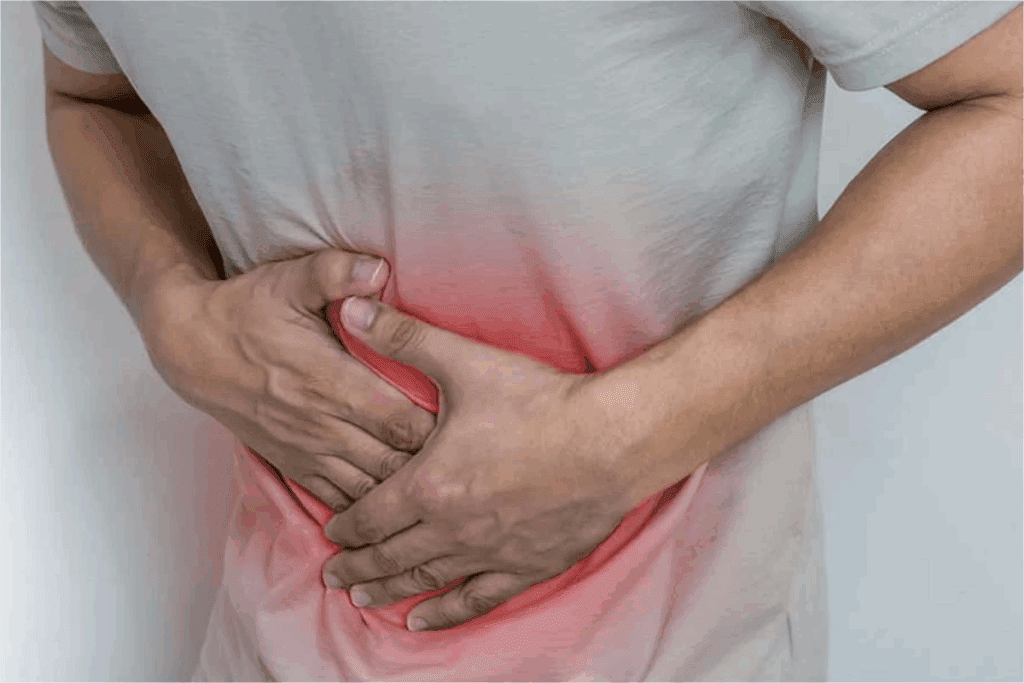
A gallbladder rupture is rare but life‑threatening, most often arising from severe cholecystitis due to gallstones that block bile flow and inflame the gallbladder wall. Urgent symptoms—sometimes described by patients as “gallbladder exploding symptoms”—include sudden severe right‑upper‑quadrant pain, fever or chills, nausea/vomiting, jaundice, abdominal tenderness or distension, and signs of sepsis like rapid heartbeat, low blood pressure, or confusion; immediate emergency care is essential. At Liv Hospital, rapid evaluation with labs and imaging plus prompt antibiotics and surgery (typically urgent cholecystectomy with washout if perforated) align with modern safety standards to reduce complications and save lives.
Key Takeaways
- Understanding the risks associated with a gallbladder rupture is vital.
- Prompt recognition of signs of gallbladder rupture can save lives.
- Gallstones are a primary cause of gallbladder rupture.
- Severe abdominal pain is a common symptom.
- Liv Hospital is a trusted provider for diagnosis and treatment.
Understanding Gallbladder Rupture: A Medical Emergency

Knowing the signs of a gallbladder rupture starts with understanding its role. The gallbladder is a small, pear-shaped organ under the liver. It’s key to the digestive system.
What Is the Gallbladder and Its Function
The gallbladder holds bile, a liver-made fluid that helps digest fats. When food hits the small intestine, the gallbladder releases bile. This helps fats and fat-soluble vitamins get digested and absorbed.
How and Why Gallbladder Ruptures Occur
Gallbladder rupture often happens when gallstones block the bile ducts. This causes inflammation and can lead to a rupture. Infections and trauma to the abdomen can also cause it. If the gallbladder gets inflamed, it can turn gangrenous or perforate if not treated fast.
The Difference Between Gallbladder Disease and Rupture
Gallbladder disease includes gallstones and chronic inflammation. A rupture is a severe event where the gallbladder wall tears. This releases bile into the abdominal cavity, causing peritonitis, a serious infection.
| Condition | Description | Symptoms |
| Gallbladder Disease | Includes gallstones, chronic inflammation | Intermittent pain, fever |
| Gallbladder Rupture | Acute event with gallbladder wall tear | Severe pain, fever, signs of infection |
It’s important to know the difference. This helps spot when a condition turns from a manageable disease to a life-threatening emergency.
Common Causes and Risk Factors for Gallbladder Rupture
It’s important to know what causes gallbladder rupture. This is a serious issue that can be deadly if not treated quickly.
Gallstones and Chronic Cholecystitis
Gallstones are a big risk for gallbladder rupture. They form when bile inside the gallbladder gets out of balance. This imbalance can happen when there’s too much cholesterol or bilirubin.
As stones grow, they can cause long-term inflammation, or chronic cholecystitis. This weakens the gallbladder walls, making them more likely to burst.
Gallstones can block the gallbladder’s outlet, causing inflammation and high pressure. If not treated, this can lead to a rupture. People with gallstones are at a higher risk.
Acute Cholecystitis and Infection
Acute cholecystitis is another major cause of gallbladder rupture. It’s sudden inflammation of the gallbladder, often caused by a stone blocking the cystic duct. This blockage builds up bile, causing inflammation and possibly infection.
Infection and inflammation can make the gallbladder walls weak. This makes rupture more likely. People with weak immune systems or who delay medical help are at higher risk.
Other Contributing Factors
While gallstones and cholecystitis are main risks, other factors can also lead to rupture. These include trauma, tumors, and vascular diseases. Older adults and those with conditions like diabetes are also at higher risk.
Knowing these risks early can help prevent rupture. If you have gallbladder issues or symptoms, get medical help right away.
Early Warning Signs Before Gallbladder Exploding Symptoms Appear
Knowing the early signs of a gallbladder rupture is key to avoiding serious health issues. The gallbladder is a small organ under the liver that stores bile for digestion. If it gets inflamed or infected, it can cause severe problems if not treated quickly.
Chronic Gallbladder Problems That May Precede Rupture
Chronic gallbladder issues like gallstones and cholecystitis can lead to a rupture. Symptoms include severe abdominal pain after eating fatty foods, fever, nausea, and vomiting. If not treated, these problems can get worse.
Chronic gallbladder disease can show up in different ways. Some people might have mild symptoms, while others might have more severe reactions. It’s important to watch for any changes in your body and get medical help if symptoms don’t go away or get worse.
When to Seek Medical Attention for Gallbladder Pain
Gallbladder pain can be mild or severe and often means there’s a problem. If you have persistent or severe pain in the upper right abdomen, you should see a doctor. Also, seek help right away if you have fever, chills, or jaundice (yellowing of the skin or eyes).
- Persistent pain that does not subside
- Severe pain that worsens over time
- Associated symptoms like fever, nausea, or vomiting
Getting help early can stop the condition from getting worse and prevent a rupture, which is a serious emergency.
The Progression from Gallbladder Disease to Rupture
The move from gallbladder disease to rupture happens when inflammation or infection gets worse. If the gallbladder gets very inflamed, it can burst, causing bile to leak into the belly. This is called biliary peritonitis and is very dangerous and needs surgery right away.
Knowing the signs of moving towards a rupture can save lives. It’s important to know the symptoms and get medical help as soon as you notice any trouble.
Sign #1: Severe and Persistent Upper Right Abdominal Pain
Pain in the upper right abdomen that doesn’t go away can mean a gallbladder rupture. This pain is very intense and doesn’t stop, unlike other stomach pains.
Characteristics of Rupture-Related Pain
The pain from a ruptured gallbladder is very severe and lasts a long time. It can be debilitating and needs quick medical help. You might also feel sick to your stomach and throw up.
The pain might spread to other places, like the right shoulder or back. This happens because the nerves in these areas are connected to the gallbladder.
How It Differs from Regular Gallbladder Pain
Gallbladder pain, or biliary colic, usually comes from gallstones blocking the cystic duct. This pain can be bad but it often goes away. But, pain from a ruptured gallbladder stays and is more serious.
It’s important to know the difference between regular gallbladder pain and rupture pain. Rupture pain needs quick medical help to avoid worse problems.
Pain Patterns and Radiation to Other Areas
Pain from a ruptured gallbladder can spread to the right shoulder, back, or even the chest. This happens because the ruptured gallbladder irritates nearby tissues and nerves.
Spotting these pain patterns is key to figuring out if you have a ruptured gallbladder. If you have severe and lasting pain in the upper right that spreads, get medical help right away.
Sign #2: Fever, Chills, and Signs of Infection
A burst gallbladder can cause severe infection. This is shown by fever, chills, and other body-wide symptoms. Bacteria can spread to other parts of the body, which can be very dangerous.
Temperature Ranges That Signal Danger
Fever often means the body is fighting an infection. A temperature over 101.5°F (38.6°C) is a warning sign. It’s very important to watch your body’s temperature closely if you think your gallbladder might have burst.
Key temperature ranges to watch:
- Mild fever: 100.4°F – 101.4°F (38°C – 38.5°C)
- Moderate fever: 101.5°F – 102.4°F (38.6°C – 39°C)
- High fever: Above 102.5°F (39.1°C)
Associated Symptoms of Systemic Infection
Other symptoms can also show a body-wide infection. These include:
- Chills or shivering
- Fatigue or feeling extremely weak
- Rapid heart rate
- Nausea or vomiting
These signs happen because the infection is affecting the whole body, not just the gallbladder area.
Why Infection Occurs With Gallbladder Rupture
Infection is a big risk with a burst gallbladder. Bacteria from the gallbladder can get into the abdominal cavity. This can cause peritonitis, which is inflammation of the lining of the abdominal cavity.
Prompt medical attention is very important to avoid serious problems and treat the infection well.
Sign #3: Nausea and Uncontrollable Vomiting
Gallbladder rupture symptoms include nausea and vomiting. These can lead to dehydration if not managed well. The body responds to the infection or inflammation with these symptoms.
Distinguishing Features of Rupture-Related Nausea
Nausea from a ruptured gallbladder is often severe and lasts a long time. It can be told apart from regular nausea by its intensity and how long it lasts. The vomiting from a ruptured gallbladder can be hard to control and may not stop with usual anti-nausea meds.
The key signs of rupture-related nausea are:
- Persistent feeling of nausea
- Uncontrollable vomiting
- Vomiting that is not relieved by standard treatments
When Vomiting Becomes a Critical Symptom
Vomiting becomes critical when it causes dehydration or is with severe symptoms like fever, abdominal pain, or shock signs. Seek medical help right away if vomiting is severe and lasts a long time.
Signs that vomiting is critical include:
- Vomiting for more than 48 hours
- Signs of dehydration (excessive thirst, dark urine, dizziness)
- Presence of blood in the vomit
Dehydration Risks and Complications
Dehydration is a big risk with nausea and vomiting from a gallbladder rupture. If not treated, it can cause serious problems like electrolyte imbalances and low blood pressure.
| Dehydration Symptoms | Complications |
| Excessive thirst | Electrolyte imbalance |
| Dark urine | Decreased blood pressure |
| Dizziness or fainting | Kidney failure |
It’s important to know the risks of nausea and vomiting with a gallbladder rupture. If you or someone you know has these symptoms, get medical help right away.
Sign #4: Jaundice and Changes in Skin or Eye Color
A gallbladder on the verge of rupture can cause jaundice. This is when bilirubin builds up, changing the skin and eyes’ color. It happens because of a blockage in the bile ducts, often due to inflammation or infection.
The Mechanism Behind Jaundice in Gallbladder Emergencies
Jaundice is a serious symptom that needs quick medical help. It occurs when bile ducts are blocked, stopping bilirubin from being removed. This blockage can be from gallstones or inflammation from a rupturing gallbladder.
The buildup of bilirubin causes yellow skin and eyes. This is a sign of a serious problem that needs fast diagnosis and treatment.
Visual Signs to Watch For
The visual signs of jaundice include:
- Yellowing of the skin, mainly on the palms and soles
- Yellowing of the eyes, starting from the sclera
- Dark urine and pale stools due to abnormal bilirubin levels
These signs show the body is having trouble processing bilirubin. This could be due to a gallbladder problem.
Associated Symptoms With Jaundice
Patients with jaundice may also have:
- Fatigue and general malaise
- Loss of appetite
- Abdominal pain, mainly in the upper right quadrant
These symptoms show how serious the problem is. They highlight the need for quick medical help.
Spotting jaundice and its symptoms is key for early treatment of gallbladder emergencies. If you or someone you know has these signs, getting medical help right away is vital.
Sign #5: Abdominal Distension and Tenderness
Abdominal swelling and tenderness can mean a serious issue like a gallbladder rupture. The swelling makes the belly bigger, and it hurts when touched. This is a big warning sign that something is wrong inside.
Physical Changes in the Abdomen
The belly can swell a lot, making it tight and shiny. Sometimes, it’s so swollen it hurts and makes it hard to move.
Abdominal tenderness is another important sign. It hurts when you touch or press it. This pain can be mild or very strong, showing there’s inflammation or infection.
Signs of Peritonitis and Inflammation
Swelling and tenderness can mean peritonitis, a serious inflammation of the belly lining. This usually comes from a bacterial infection and can be deadly if not treated fast.
Peritonitis shows as very bad belly pain, tenderness, and muscle tightness. The belly might get hard, and you could feel fever, nausea, and vomiting. With a ruptured gallbladder, bile leaking into the belly causes this severe inflammation.
Why Abdominal Rigidity Occurs
Abdominal rigidity, or guarding, is the body’s way to protect itself from inflammation. When the belly lining gets inflamed, the muscles tighten up. This is the body’s way to shield the area from more irritation.
In a gallbladder rupture, bile leaking into the belly can cause peritonitis. This leads to belly rigidity. This symptom is a big warning that you need to see a doctor right away to avoid more problems.
Sign #6: Rapid Heart Rate, Low Blood Pressure, and Signs of Shock
One of the critical signs of a gallbladder rupture is shock. This is shown by a fast heart rate and low blood pressure. It happens when the body can’t get enough blood to its vital organs because of the rupture and infection.
Cardiovascular Responses to Gallbladder Rupture
The heart and blood vessels react to the severe infection and inflammation from a gallbladder rupture. Rapid heart rate, or tachycardia, is a common sign. The body tries to make up for the low blood pressure by working the heart harder.
The blood pressure drops because of the body’s reaction to the infection. This leads to vasodilation and decreased peripheral resistance. This hypotension makes it hard for the body to keep vital organs well supplied with blood.
When Shock Becomes Life-Threatening
Shock can quickly become a serious threat if not treated right away. As it gets worse, it can cause organ failure because of poor blood flow. The kidneys, liver, and brain are most at risk of damage from not getting enough blood.
It’s important to spot the signs of shock early. Look for cold and clammy skin, rapid pulse, and decreased urine output. Quick medical help is needed to avoid serious harm or death.
The Body’s Response to Biliary Peritonitis
Biliary peritonitis, or inflammation of the peritoneum due to bile leakage, triggers a strong inflammatory response. This can cause a body-wide infection, or sepsis, which is very dangerous. The body’s reaction to this infection can lead to the heart rate and blood pressure issues mentioned.
The body’s reaction to biliary peritonitis can be severe. It often needs strong treatment, like antibiotics and surgery. This is to clean the infected area and fix any damage.
Signs #7 and #8: Confusion/Mental Changes and Difficulty Breathing
When a gallbladder bursts, it can spread infection and inflammation. This can cause confusion and breathing problems. These signs show a severe and dangerous stage of gallbladder rupture.
Neurological Symptoms as Critical Warning Signs
Confusion and mental changes mean the infection has reached the brain. This is called sepsis or septic encephalopathy. It’s very important to get medical help right away because it can cause serious brain damage or even death.
Other brain symptoms include feeling lost, being agitated, and being less aware. These signs show the infection has spread all over the body.
Respiratory Complications of Gallbladder Rupture
Having trouble breathing is a serious symptom. It can happen when the infection reaches the lungs, causing acute respiratory distress syndrome (ARDS). ARDS is very dangerous and needs quick medical help, like using a breathing machine.
Respiratory problems can also come from systemic inflammatory response syndrome (SIRS). SIRS can harm many parts of the body, including the lungs. If the lungs fail, it’s very important to treat it fast to avoid getting worse.
Why These Symptoms Indicate Advanced Crisis
When you start feeling confused, mentally changed, and having trouble breathing, it means the gallbladder rupture has spread. The body’s fight against the infection has gotten out of control. This can lead to many organs failing.
| Symptom | Description | Potential Complication |
| Confusion/Mental Changes | Indicative of sepsis or septic encephalopathy | Long-term cognitive impairment, death |
| Difficulty Breathing | Sign of ARDS or respiratory failure | Life-threatening, requires mechanical ventilation |
In conclusion, signs of gallbladder rupture like confusion and trouble breathing are very serious. They mean the condition has gotten very bad and could be life-threatening. It’s very important to get medical help right away.
Diagnosis, Treatment, and Recovery from Gallbladder Rupture
Gallbladder rupture is a serious medical issue that needs quick action. It’s a medical emergency that requires fast diagnosis and treatment. This is to prevent more problems and help the patient get better.
Emergency Medical Procedures
When a gallbladder rupture is thought of, doctors start emergency care right away. Imaging tests like ultrasound and CT scans are used to confirm the problem. These tests show how bad the rupture is and what to do next.
Doctors might give intravenous fluids and antibiotics to fight infection and keep the patient hydrated. In serious cases, patients might need to stay in the hospital for close care and treatment.
Surgical Interventions and Approaches
Surgery is often needed to treat a gallbladder rupture. The main goal is to remove the gallbladder (cholecystectomy) and clean the area to stop infection. The choice between laparoscopic or open surgery depends on the rupture’s severity and the patient’s health.
Laparoscopic surgery is less invasive, with smaller cuts and quicker recovery. But if the rupture caused big infection or problems, open surgery might be needed for a thorough clean and fix.
Post-Rupture Recovery and Prognosis
Recovering from a gallbladder rupture means watching closely and following doctor’s orders. Patients usually need to stick to a strict diet to help with digestion and avoid more issues. Managing pain is also key, with medicines to help with discomfort.
The outcome for those with a gallbladder rupture depends on how bad it is and how fast they get help. Most people can get better with quick treatment, but some might face ongoing digestive problems.
Conclusion: When to Seek Emergency Care and Preventing Gallbladder Complications
It’s important to know the signs of a gallbladder rupture. Symptoms like severe pain, fever, jaundice, and shock are serious. If you see these gallbladder exploding symptoms, get help right away.
A ruptured gallbladder can cause serious problems like peritonitis and sepsis. These can be deadly. Quick medical help is key to better outcomes. Knowing the signs of gallbladder rupture and the dangers can help avoid these issues.
To avoid gallbladder problems, watch for early signs and get medical help fast. Regular health checks and a healthy lifestyle can also help. If you’re worried or have symptoms, talk to a doctor. They can help figure out if you’re at risk of a serious condition that can gallbladder kill you if not treated.
FAQ
Can a gallbladder rupture cause death?
Yes, a ruptured gallbladder can be deadly if not treated quickly. The infection and inflammation can spread, causing serious problems.
What are the signs of a ruptured gallbladder?
Signs include severe pain in the upper right abdomen, fever, and chills. You might also feel nauseous, vomit, and have jaundice. Other symptoms are abdominal swelling, a fast heart rate, low blood pressure, confusion, and trouble breathing.
Can gallbladder problems be treated without surgery?
Sometimes, problems can be managed with medicine or lifestyle changes. But, surgery is often needed to remove the gallbladder, like when there are gallstones or a rupture.
How do I know if my gallbladder has burst?
Seek medical help if you have severe pain, fever, or chills. Imaging tests like an ultrasound or CT scan can confirm a rupture.
Can a gallbladder burst without warning?
While it can happen without warning, many people feel pain, nausea, and vomiting before it ruptures.
What are the symptoms of a gallbladder exploding?
Symptoms include severe pain, fever, chills, nausea, and vomiting. These are signs of infection and inflammation.
Can you survive a ruptured gallbladder?
Yes, with quick medical care, you can survive. But, waiting too long can lead to serious problems or death.
How long can you survive with a ruptured gallbladder?
Survival time depends on the rupture’s severity, treatment, and your health. Quick medical help is key to avoiding serious issues.
What happens if a gallbladder rupture is not treated?
Untreated, the infection can spread, causing sepsis, organ failure, and even death.
Can a ruptured gallbladder be treated with antibiotics alone?
Antibiotics may help with the infection. But, surgery is usually needed to remove the gallbladder and fix any damage.