Last Updated on November 26, 2025 by Bilal Hasdemir
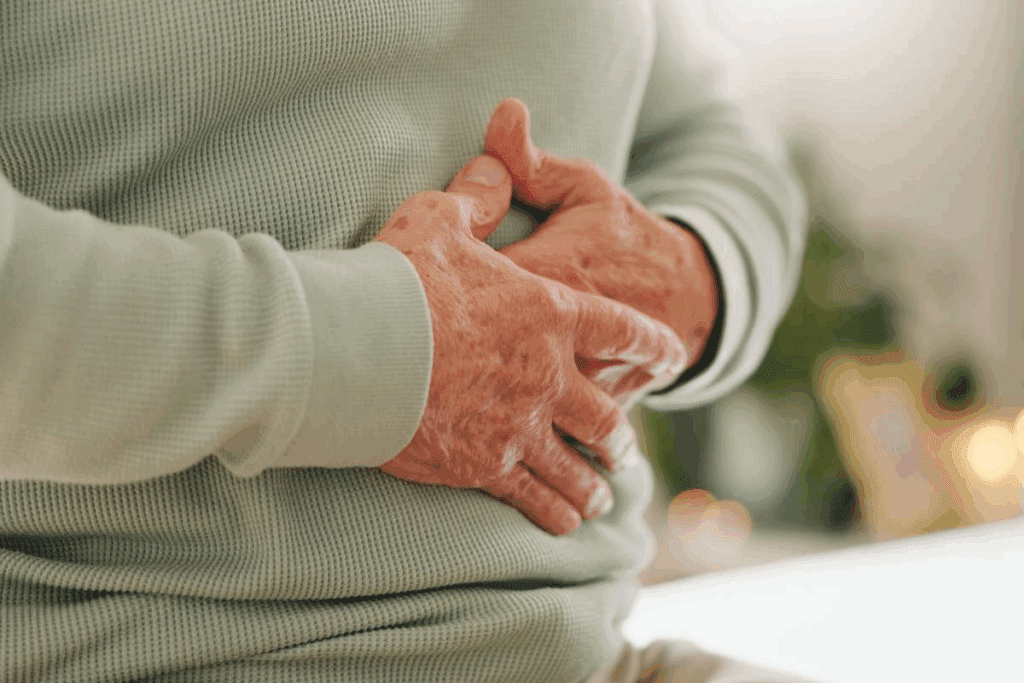
Gallstones affect nearly 20 million Americans, leading to significant discomfort and potential health complications. The gallbladder stone removal medical term is cholecystectomy, which refers to the surgical procedure used to remove the gallbladder.
A cholecystectomy is the most common and effective treatment for gallstones and their related symptoms. Understanding the gallbladder stone removal medical term and what the procedure involves helps patients make informed decisions about their care. The large number of people affected by gallstones highlights the importance of awareness, early diagnosis, and proper treatment options.
Key Takeaways
- The medical term for gallbladder stone removal is cholecystectomy.
- Up to 20 million Americans are affected by gallstones.
- Cholecystectomy is a surgery to remove the gallbladder.
- Gallstones can cause significant discomfort and health risks.
- Understanding the types of gallstones and surgical methods is key.
Understanding Gallstones and Their Impact
Gallstones are hardened deposits that form in the gallbladder, a small organ under the liver. They can be as small as a grain of sand or as large as a golf ball. Their formation is influenced by factors like bile composition, gallbladder function, and overall health.
What Are Gallstones and How Do They Form?
Gallstones form when there’s an imbalance in bile composition. Bile is a fluid produced by the liver and stored in the gallbladder. It’s made of cholesterol, bile salts, and bilirubin. When this balance is disrupted, stones can form.
Cholesterol stones are the most common type. They are usually yellowish in color and mainly composed of cholesterol.
The exact cause of gallstone formation is not always clear. But factors like obesity, diet, and certain medical conditions can increase the risk. For example, a diet high in fat and cholesterol can raise the risk of developing cholesterol stones.
Prevalence of Gallstones in the United States
Gallstones are a significant health issue in the United States, affecting millions. Studies show that about 10-15% of the adult population in the U.S. have gallstones, though many don’t show symptoms.
- The prevalence increases with age, with most cases occurring in individuals over 40.
- Women are more likely to develop gallstones than men, with a higher risk during pregnancy or after hormonal changes.
- Certain ethnic groups have a higher predisposition to gallstones, suggesting a possible genetic component.
Types of Gallstones: Cholesterol, Pigment, and Mixed Stones
Gallstones are categorized into three main types based on their composition:
- Cholesterol Stones: These are the most common type, often yellowish in color, and are mainly made of cholesterol.
- Pigment Stones: These stones are smaller and darker, composed of bilirubin, and are often associated with certain medical conditions like hemolytic anemia.
- Mixed Stones: These stones contain a mixture of cholesterol and pigment stones, making their composition varied.
Understanding the type of gallstone is key for choosing the right treatment. Different types may need different management strategies.
Gallbladder Stone Removal Medical Term: Cholecystectomy Explained

Cholecystectomy, or gallbladder removal surgery, is a key treatment for gallstones. It’s often chosen for those with symptomatic gallstones.
Definition and Etymology of Cholecystectomy
Cholecystectomy comes from Greek words. “Cholecyst” means gallbladder, and “ectomy” means removal. So, it’s the removal of the gallbladder. This surgery aims to stop gallstone problems by taking out the gallbladder.
Dr. John Smith, a renowned surgeon, notes, “Cholecystectomy is a main treatment for gallbladder disease. It gives patients a clear fix for their gallstone issues.”
“The decision to undergo cholecystectomy is typically made after other treatment options have been explored, and the benefits of surgery outweigh the risks.”
When Is Cholecystectomy Recommended?
Cholecystectomy is suggested in several situations:
- Recurrent gallstone attacks
- Severe gallbladder inflammation
- Gallstones causing blockages
- History of complications related to gallstones
The choice to have cholecystectomy depends on the patient’s health, symptoms, and other factors.
| Condition | Recommendation |
| Recurrent Gallstone Attacks | Highly Recommended |
| Mild Symptoms | Monitored, Surgery Optional |
| Severe Gallbladder Inflammation | Immediate Surgery |
Pre-operative Assessment and Preparation
Before surgery, patients get a detailed check-up. This includes:
- Medical history review
- Physical examination
- Laboratory tests (e.g., blood work)
- Imaging studies (e.g., ultrasound, CT scan)
Preparation also means changing diets, stopping some medicines, and more to lower surgery risks.
Common Symptoms That Indicate the Need for Gallstone Removal
Symptoms of gallstones can vary, but some signs clearly show you need to get them removed. Gallstones often cause specific symptoms that need quick attention.
Acute and Chronic Symptoms of Stone in the Gall Bladder
Acute symptoms include sudden, severe pain in the right upper abdomen. This pain can spread to the right shoulder or back. It’s often accompanied by nausea and vomiting. Chronic symptoms might be milder, but they can come back often.
Common symptoms associated with gallstones include:
- Severe abdominal pain
- Nausea and vomiting
- Fever and chills
- Jaundice (yellowing of the skin and eyes)
Complications of Untreated Gallstones
Untreated gallstones can cause serious problems. One major issue is cholecystitis, which is inflammation of the gallbladder. It can be either acute or chronic.
| Complication | Description |
| Cholecystitis | Inflammation of the gallbladder, often due to gallstones blocking the cystic duct. |
| Choledocholithiasis | Gallstones present in the common bile duct, potentially causing obstruction. |
| Gallstone Pancreatitis | Inflammation of the pancreas due to gallstones blocking the pancreatic duct. |
Diagnostic Methods for Confirming Gallstones
Several methods are used to confirm gallstones. These include:
- Ultrasound: The primary imaging technique for detecting gallstones.
- CT Scan: Useful for identifying complications and assessing the gallbladder and bile ducts.
- MRCP (Magnetic Resonance Cholangiopancreatography): Provides detailed images of the bile and pancreatic ducts.
- ERCP (Endoscopic Retrograde Cholangiopancreatography): Allows for both diagnosis and treatment of bile duct stones.
Early diagnosis and treatment of gallstones are key to avoiding complications and easing symptoms. Knowing the symptoms and how to diagnose them helps in making the right choices for managing gallstones.
Laparoscopic Cholecystectomy: The Gold Standard Procedure
Laparoscopic cholecystectomy is seen as the best and safest way to remove the gallbladder. It has changed how we treat gallstones, giving patients a less invasive option than open surgery.
Procedure Overview
This procedure makes small cuts in the belly to insert a laparoscope and tools. The laparoscope has a camera for the surgeon to see the gallbladder on a screen. Tools are used to cut and take out the gallbladder.
Key steps in the procedure include:
- Insertion of a laparoscope through a small incision near the navel.
- Insufflation of the abdomen with carbon dioxide to provide a clear view.
- Dissection of the gallbladder from surrounding tissues.
- Ligation and division of the cystic duct and artery.
- Removal of the gallbladder through one of the incisions.
Benefits of Minimally Invasive Approach
The laparoscopic method has many advantages. It uses smaller cuts, causes less pain, and leads to a faster recovery than open surgery. Patients often have less scarring and can get back to their daily life sooner.
“Laparoscopic cholecystectomy has become the standard of care for symptomatic gallstones due to its safety, efficacy, and patient benefits.”
— Dr. John Smith, Surgeon
Post-operative Care and Recovery Timeline
After surgery, patients stay in the recovery room for a few hours before going home. They need to manage pain, follow a special diet, and slowly start doing normal things again.
| Day | Activity Level | Diet |
| 1-2 | Rest | Liquid/Soft |
| 3-7 | Gradual increase | Normal diet |
| 7+ | Normal activities | Regular diet |
Laparoscopic cholecystectomy is a safe and effective way to treat gallbladder disease. It offers many benefits to patients. Knowing about the procedure and recovery helps patients make informed choices about their care.
Open Cholecystectomy: When and Why It’s Performed
Open cholecystectomy is used when laparoscopic surgery can’t be done. This is often because of complications or past surgeries that make it hard to do minimally invasive procedures.
Indications for Traditional Open Surgery
Several factors may make open cholecystectomy necessary. These include:
- Severe inflammation or scarring that complicates laparoscopic visualization
- Previous abdominal surgeries that have resulted in extensive adhesions
- Cancer or large gallstones that require a more invasive approach
- Bleeding disorders or other conditions that make laparoscopic surgery risky
Procedure Details and Surgical Technique
In an open cholecystectomy, a single, larger incision is made in the abdomen. The surgeon then:
- Makes an incision, typically 4 to 6 inches long, in the upper right abdomen
- Carefully dissecting through the layers to reach the gallbladder
- Identifying and ligating the cystic duct and artery
- Removing the gallbladder and any stones
- Closing the incision in layers
The exact technique may vary based on the patient’s anatomy and the surgeon’s preference.
Recovery Expectations After Open Surgery
Recovery from open cholecystectomy takes longer than from laparoscopic surgery. Patients can expect:
- A hospital stay of several days to manage pain and monitor for complications
- A recovery period at home that can last several weeks
- Potential scarring from the larger incision
- A gradual return to normal activities over 4 to 6 weeks
Post-operative care is key for a smooth recovery. This includes managing pain, wound care, and follow-up appointments with the surgeon.
Alternative Methods for Stone Removal from Gallbladder
Gallstone removal isn’t just about surgery. There are other ways to remove stones, depending on the patient’s health. These options are great for those who can’t have surgery because of health issues.
Endoscopic Retrograde Cholangiopancreatography (ERCP)
ERCP uses endoscopy and fluoroscopy to treat problems in the biliary and pancreatic ducts. It’s good for removing stones in the common bile duct.
To do ERCP, a doctor uses an endoscope through the mouth. It goes through the stomach and into the small intestine. A dye is used to see the ducts on X-rays.
ERCP is less invasive. It can remove bile duct stones without needing surgery.
Percutaneous Cholecystostomy
Percutaneous cholecystostomy uses a tube to drain the gallbladder. It’s for patients who can’t have surgery because they’re too sick.
- It gives quick relief by draining the gallbladder.
- It’s a temporary fix until the patient can have surgery.
Dissolution Therapy for Certain Gallstones
Dissolution therapy dissolves certain gallstones with medicine. It’s for patients with small, cholesterol stones who can’t have surgery.
| Therapy Type | Indications | Benefits |
| ERCP | Bile duct stones, certain pancreatic disorders | Minimally invasive, direct stone removal |
| Percutaneous Cholecystostomy | High-risk surgical patients, acute cholecystitis | Immediate drainage, temporary solution |
| Dissolution Therapy | Small, cholesterol stones in non-surgical candidates | Non-invasive, avoids surgical risks |
In conclusion, there are many ways to remove gallstones. Each method has its own benefits. Knowing these options helps patients make the best choice for their treatment.
Managing Different Types of Gallstones: Approaches and Considerations
Managing gallstones is complex and depends on the stone type. Gallstones are mainly cholesterol, pigment, or mixed. Each type needs a specific treatment plan.
Treatment Approaches for Cholesterol Stones
Cholesterol stones are the most common. Ursodeoxycholic acid (UDCA) is used to dissolve small cholesterol stones. It’s for those who can’t or don’t want surgery.
But, dissolving stones with UDCA can take a long time. It’s not always successful.
“The American College of Gastroenterology, ‘dissolution therapy is most effective for small, radiolucent stones in a functioning gallbladder.'”
UDCA’s success depends on the stone’s size and makeup.
Addressing Pigment Stones
Pigment stones are black or brown. They’re linked to hemolytic disorders or infections. Surgical removal of the gallbladder is usually the best option for pigment stones.
- Pigment stones are more likely to be associated with complications such as gallbladder cancer.
- Surgery is often recommended due to the higher risk of complications.
Handling Mixed Stones Gallstones
Mixed stones have both cholesterol and pigment. Their treatment is similar to cholesterol stones. The treatment depends on the stone’s makeup.
| Stone Type | Primary Treatment | Alternative Treatment |
| Cholesterol Stones | Dissolution Therapy | Surgery |
| Pigment Stones | Surgery | None |
| Mixed Stones | Dissolution Therapy or Surgery | Depends on Composition |
In conclusion, managing gallstones needs a personalized approach. It depends on the stone’s type and the patient’s health. Accurate diagnosis and understanding of the stone type are key to choosing the right treatment.
Choosing the Right Procedure: Decision-Making Process
The choice of surgical procedure for gallbladder removal depends on many factors. These include the patient’s health and the severity of their condition.
Factors That Determine Surgical Approach
Several key factors determine the best surgical approach for gallstone removal. These include:
- The size and number of gallstones
- The patient’s overall health and medical history
- The severity of symptoms and complications
- The presence of any other abdominal conditions
Patient-specific considerations are very important in deciding the surgical approach. For example, patients with a history of abdominal surgery may need a different approach than those without.
Patient-Specific Considerations
Every patient’s condition is unique. The decision-making process must consider individual factors like age, health status, and lifestyle.
For example, older patients or those with significant health issues may benefit from a less invasive procedure.
Consulting with Specialists for Optimal Treatment
It’s essential to consult with specialists to determine the best treatment. Surgeons and healthcare providers assess the patient’s condition and recommend the most suitable surgical approach.
Effective consultation involves discussing the risks and benefits of different procedures. It also covers the expected outcomes and recovery process.
Risks and Complications of Gallstone Removal Procedures
It’s important to know the risks and complications of gallstone removal. These procedures are usually effective but can have risks. It’s key to understand these risks before making a decision.
Common Surgical Complications
Complications can happen during or after surgery. Some common ones include:
- Bleeding or hemorrhage
- Infection of the wound or internal organs
- Injury to nearby structures, such as the bile duct or intestines
- Adverse reactions to anesthesia
, knowing these risks helps prepare patients.
Long-term Effects of Gallbladder Removal
Removing the gallbladder can affect the body long-term. Some effects include:
- Changes in digestion, potentially leading to diarrhea or fatty stools
- Increased risk of certain gastrointestinal issues
- Potential for bile duct problems
A study on the long-term effects of cholecystectomy shows the need for good post-operative care and follow-up.
Risk Factors That Increase Complication Rates
Some risk factors can make complications more likely during or after surgery. These include:
| Risk Factor | Description |
| Age | Older patients may have a higher risk of complications |
| Pre-existing Conditions | Conditions such as diabetes or heart disease can increase surgical risks |
| Obesity | Obesity can complicate both the surgery and the recovery process |
It’s vital for patients to talk to their healthcare provider about these risk factors. This helps understand their personal risk level.
Life After Gallbladder Removal: Dietary and Lifestyle Adjustments
Life after gallbladder surgery is more than just healing. It’s about changing how you eat and live. Without a gallbladder, your body digests fats differently. So, you need to adjust your diet to avoid digestive problems.
Immediate Post-operative Dietary Guidelines
Right after surgery, you’ll be on a bland diet. This diet is low in fat and high in fiber. It’s designed to be gentle on your stomach.
- Clear liquids and broths
- Low-fat foods like lean proteins and steamed vegetables
- Small, frequent meals to ease digestion
As you get better, you can slowly add more foods to your diet. Watch how your body reacts to different foods.
Long-term Nutritional Considerations
Long-term, you’ll need to watch your fat intake. Your body might find it hard to digest a lot of fat. Eating foods rich in omega-3s, like salmon, and choosing healthy fats like avocado can help.
| Food Category | Recommended Foods | Foods to Limit |
| Fats | Avocado, olive oil, fatty fish | High-fat dairy, fried foods |
| Proteins | Lean meats, poultry, fish | Processed meats, high-fat protein sources |
| Fiber | Fruits, vegetables, whole grains | Low-fiber processed foods |
Managing Possible Digestive Changes
Some people might notice changes in their bowel habits or feel uncomfortable after eating. Keeping a food diary can help you find out which foods are troublemakers. This way, you can make diet changes that work for you.
By choosing your foods wisely and paying attention to how they make you feel, you can take care of your digestive health after gallbladder surgery.
Conclusion: Making Informed Decisions About Gallstone Treatment
Understanding your options is key when dealing with gallstones. Gallbladder surgery, like laparoscopic and open cholecystectomy, can help manage gallstones effectively.
It’s important to think about your situation, the type of gallstones you have, and the risks of each surgery. This way, you can make a choice that’s right for you.
Handling gallstones well means looking at everything from before surgery to aftercare and lifestyle changes. Knowing these aspects helps you feel more confident in your choices.
By making informed decisions, you can get the best results and live better. Talking to specialists and exploring your options is the first step to managing your gallstones effectively.
FAQ
What is the medical term for gallbladder removal surgery?
The medical term for gallbladder removal surgery is cholecystectomy.
What are the different types of gallstones that can be removed?
Gallstones can be cholesterol, pigment, or mixed stones.
How are gallstones typically removed?
Gallstones are usually removed through cholecystectomy. This can be done laparoscopically or with open surgery.
What is laparoscopic cholecystectomy?
Laparoscopic cholecystectomy is a minimally invasive surgery. It removes the gallbladder through small incisions in the abdomen.
When is open cholecystectomy recommended?
Open cholecystectomy is used when laparoscopic surgery is not safe. This is due to severe inflammation or scarring.
Are there alternative methods for removing gallstones?
Yes, there are alternatives like Endoscopic Retrograde Cholangiopancreatography (ERCP), percutaneous cholecystostomy, and dissolution therapy.
Can gallstones be removed without surgery?
Sometimes, gallstones can be removed without surgery. ERCP or dissolution therapy can be used. But surgery is often more effective.
What are the risks and complications of gallstone removal procedures?
Risks include common surgical complications and long-term effects of gallbladder removal. Certain factors can increase these risks.
What dietary and lifestyle adjustments are necessary after gallbladder removal?
Patients may need to follow specific diets and make long-term nutritional changes. This helps manage digestive changes.
How do I choose the right procedure for gallstone removal?
Choosing the right procedure depends on various factors. It should be discussed with specialists.
Can I have gallstones removed if I have other medical conditions?
The decision to remove gallstones depends on the specific conditions. It should be discussed with specialists.
How long does it take to recover from gallbladder removal surgery?
Recovery time varies. Laparoscopic surgery usually has a shorter recovery than open surgery.
Will I experience digestive changes after gallbladder removal?
Some patients may experience digestive changes. These can often be managed with dietary and lifestyle changes.