Last Updated on December 2, 2025 by Bilal Hasdemir

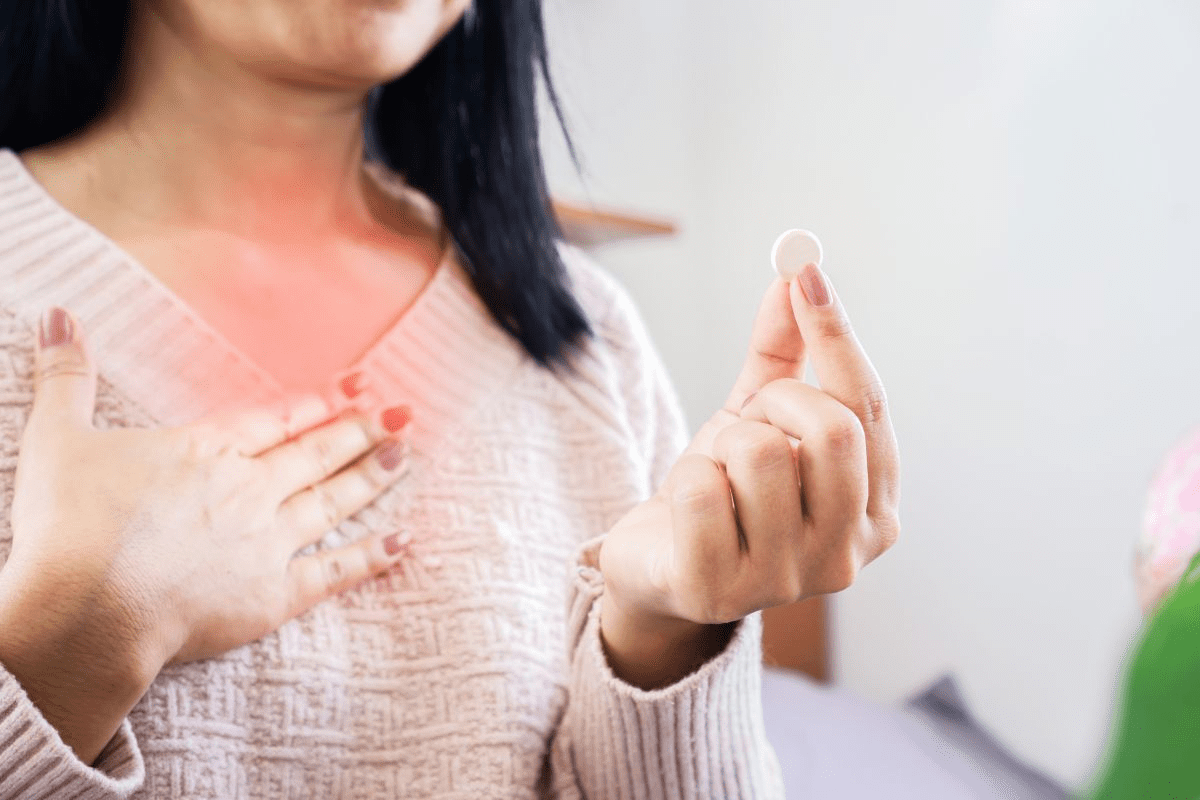
Gallstone pain can be just as intense as childbirth. This might sound strange, but both can cause a lot of pain. We’ll look at how similar and different these pains are, and what makes them so intense. Gallstone pain vs childbirth: a shocking comparison. We reveal why many women say a gallbladder attack is just as bad, or worse.
Knowing how bad gallstone pain is compared to childbirth can help people deal with it better. By comparing these pains, we hope to give a clearer picture of what to expect. This can help in finding ways to manage the pain more effectively.
Key Takeaways
- Gallstone pain and childbirth pain are both intense experiences.
- The comparison between the two can provide insight into their intensity.
- Understanding these pains can help in managing symptoms.
- Gallbladder pain is a significant concern for those with gallstones.
- Childbirth pain, though intense, is a natural process.
Understanding Gallstones and Their Painful Impact

Gallstones are small, hard deposits in the gallbladder, a pear-shaped organ under the liver. They can cause pain when they block the ducts. Knowing about gallstones helps understand the pain they bring.
What Are Gallstones and How Do They Form?
Gallstones form when bile’s composition is off balance. This imbalance can cause cholesterol or bilirubin to solidify, forming stones. Factors like diet, obesity, and genetics play a role in their formation.
There are two main types of gallstones: cholesterol and pigment stones. Cholesterol stones are yellowish-green and mostly made of cholesterol. Pigment stones are smaller and darker, made of bilirubin.
Being female, over 40, having a family history, and being overweight increase gallstone risk. A diet high in saturated fats and cholesterol also raises the risk.
The Anatomy of a Gallbladder Attack
A gallbladder attack happens when a stone blocks the cystic duct. This prevents bile from flowing out, causing the gallbladder to swell and become inflamed. The pain starts suddenly and can spread to the back or right shoulder.
The pain from a gallbladder attack is intense and can be accompanied by nausea and vomiting. The pain’s severity and how long it lasts can vary. Often, it needs medical attention to treat.
Symptom | Description | Severity |
Pain Location | Typically in the right upper abdomen, may radiate to the back or right shoulder | Severe |
Nausea and Vomiting | May occur accompanying the pain | Variable |
Duration of Pain | Can vary from a few minutes to several hours | Variable |
The Physiology of Childbirth Pain

To understand childbirth pain, we must look at the labor process. This process includes the cervix dilation and the baby’s delivery.
The Stages of Labor and Associated Pain
Labor is split into three stages, each with its own changes and pain levels. The first stage is about the cervix dilation, divided into latent and active phases. In the latent phase, the cervix opens slowly, causing mild to moderate pain. As labor moves to the active phase, contractions get stronger and more frequent, increasing pain.
The second stage is when the baby is delivered. This is the most painful part of labor. The third stage is about the placenta delivery, which is less painful.
Biological Purpose of Childbirth Pain
Childbirth pain is intense but has a purpose. It helps the mother:
- Change positions to help the baby move through the birth canal.
- Know labor is progressing, signaling the baby’s birth is near.
It’s key to have good labor pain management and labor pain relief strategies. They help the mother’s physical and emotional health during childbirth.
Knowing about childbirth pain and labor stages helps healthcare providers manage pain better. This makes the childbirth experience better for everyone.
Gallstone Pain vs Childbirth: A Direct Comparison
It’s interesting to compare gallstone pain and childbirth pain. Both are painful, but they come from different reasons. Gallstones and childbirth are two different health issues.
Similarities in Pain Sensation
Gallstone pain and childbirth pain have some things in common. Both can be very painful and cause a lot of discomfort. Gallstone pain is sharp and intense, felt in the right upper abdomen. Childbirth pain comes from uterine contractions and is also very intense.
Both types of pain are severe and can be very distressing. Gallstone pain might also cause nausea and vomiting. Childbirth can make you feel very tired.
Key Differences in Pain Experience
Even though they share some similarities, gallstone pain and childbirth pain are different. Gallstone pain comes and goes, lasting from a few minutes to hours. Childbirth pain, on the other hand, goes on for hours or even days.
Characteristics | Gallstone Pain | Childbirth Pain |
Duration | Episodic, minutes to hours | Prolonged, hours to days |
Nature of Pain | Sharp, intense | Cramping, contractions |
Location | Right upper abdomen | Lower abdomen, back |
The pain from gallstones is sharp and stabbing. Childbirth pain is more like cramping, from uterine contractions. Knowing these differences helps in managing and treating the pain.
Measuring Pain: Scales and Assessment Methods
Accurately measuring pain is key in healthcare. Doctors use different tools to do this. Pain is hard to measure because it’s personal and complex. But, there are pain scales to help measure how much pain someone feels and guide treatment.
Medical Pain Scales Explained
Doctors use many pain scales to figure out how severe pain is. These scales make it easier to talk about pain with patients. Some common ones are:
- The Numeric Rating Scale (NRS), where patients rate their pain from 0 to 10 or 0 to 100.
- The Faces Pain Scale (FPS), which uses facial expressions to help patients, like kids, show their pain.
- The Visual Analog Scale (VAS), a continuous scale that measures pain intensity along a line.
These scales are key in hospitals. They help doctors understand pain and see if treatments are working.
Evaluating Gallstone and Labor Pain
Doctors use these pain scales and more to check gallstone and labor pain. Gallstone pain can be mild or very bad. Labor pain gets worse as labor goes on.
Pain Characteristic | Gallstone Pain | Labor Pain |
Intensity | Can range from mild to severe, often described as sharp or stabbing | Progressively intensifies during labor, often described as cramping or contracting |
Location | Typically felt in the right upper abdomen, may radiate to the back or shoulder | Usually felt in the lower back and abdomen, radiating to the thighs |
Duration | Can be episodic, lasting from a few minutes to several hours | Progressive, with contractions becoming longer and closer together |
By using these pain scales and knowing about gallstone and labor pain, doctors can manage pain better. This makes patients more comfortable and improves their care.
Gallstone Pain Severity: Understanding the Intensity
It’s important for patients to understand how severe gallstone pain can be. This pain is often sharp and stabbing. It can vary a lot in how intense it feels.
Gallstone Pain Level on Medical Pain Scales
Doctors use different pain scales to measure gallstone pain. The most common are the Numerical Rating Scale (NRS) and the Faces Pain Scale (FPS). These scales help doctors understand how much pain patients are in, so they can treat them better.
The NRS asks patients to rate their pain from 0 to 10. 0 means no pain, and 10 means the worst pain. The FPS uses faces to help patients, like kids, show how much pain they’re in.
Factors That Influence Gallstone Pain Severity
Many things can make gallstone pain more or less severe. The size and where the gallstones are located are key. Bigger stones or those in certain spots can hurt more.
- Size of Gallstones: Bigger stones cause more pain because they block more.
- Location of Gallstones: Stones in certain spots, like the cystic duct, can hurt more.
- Individual Pain Tolerance: How much pain someone can handle varies a lot. This affects how they feel and report gallstone pain.
Knowing these factors helps doctors create better treatment plans for each patient. This can lead to better results.
Personal Testimonials: Gallstone Sufferers Speak
People who have had gallstones share their stories. These stories give us a clear view of the pain they felt. They help us understand how severe and unique gallstone pain can be.
First-Hand Accounts of Gallbladder Attacks
Many say gallstone pain feels like a sharp, stabbing sensation in the upper right abdomen. It can spread to the back or right shoulder. One person said, “I felt like I was punched in the stomach, and the pain just wouldn’t subside.” This shows how intense the pain can be.
Some compare it to kidney stones or bad menstrual cramps. But gallstone pain is special because it can come on suddenly. It can be triggered by eating fatty foods.
Comparing to Other Pain Experiences
People say gallstone pain is unlike anything else. For example, one person said, “Gallstone pain is unlike any other pain I’ve experienced; it’s as if something is internally rupturing.” This highlights how unique and severe gallstone pain is.
Others compare it to childbirth, saying both are very painful. But the pain from gallstones is different. These stories help us understand what it’s like to live with gallstone pain.
By hearing these stories, we learn more about gallstone pain. We see how it affects people’s lives. This helps us be more understanding and supportive of those who suffer from it.
Childbirth Experiences: Varied and Personal
Childbirth is a deeply personal journey, with labor pain being a big part of it. Each woman’s experience is unique, shaped by physical, emotional, and psychological factors. It’s important to understand these differences to provide the best care and support.
The Spectrum of Labor Pain Experiences
Labor pain can feel like anything from a mild discomfort to intense pain. Some women feel sharp, stabbing pains, while others experience a dull ache. The pain’s intensity and type can depend on the baby’s position, how strong the contractions are, and the woman’s pain threshold.
Expectations, past experiences, and cultural background also shape how women feel about labor pain. Some view it as a necessary part of giving birth, while others fear it and look for ways to manage it.
Factors That Influence Childbirth Pain Perception
Many things affect how women feel and experience labor pain. These include:
- Physical Factors: The length of labor, the baby’s position, and any complications can all impact pain perception.
- Emotional Support: Having emotional support from loved ones or healthcare providers can make a big difference. It can help reduce anxiety and fear, making the pain more bearable.
- Previous Experiences: Women who have given birth before may see labor pain differently. Knowing this can help in managing pain better.
- Cultural and Psychological Factors: Cultural views on pain and childbirth, along with individual psychological strength, also shape a woman’s experience. These factors can influence how she perceives pain.
Understanding these factors helps healthcare providers offer more tailored support. This can improve a woman’s overall experience during childbirth.
When Gallstone Pain Becomes an Emergency
It’s key to know when gallstone pain is an emergency. Gallstones can cause discomfort, but some pain signals serious issues.
Warning Signs That Require Immediate Medical Attention
If you notice these symptoms, get medical help right away:
- Severe pain that doesn’t go away
- Fever and chills, which mean you might have an infection
- Yellowing of the skin or eyes (jaundice)
- Light-colored stools or dark urine
These signs show the gallstone might be blocking the bile duct or causing an infection. Gallstone complications can be deadly if not treated quickly.
Complications of Untreated Gallstones
Not treating gallstones can lead to serious problems, including:
- Cholecystitis: Inflammation of the gallbladder, which can be severe and potentially life-threatening.
- Pancreatitis: Inflammation of the pancreas, causing severe abdominal pain and potentially damaging the pancreas.
- Choledocholithiasis: Blockage of the bile duct by a gallstone, leading to jaundice and potentially severe infection.
Knowing these risks shows why getting gallstone treatment is important. Often, gallstone removal options like surgery are needed to avoid future problems.
By recognizing emergency signs and getting medical help fast, you can lower the risk of serious gallstone complications.
Treatment Options for Gallstones
Patients with gallstones have several treatment options. Each has its own benefits and risks. The right choice depends on the symptoms, any complications, and the patient’s health.
Medical Interventions and Surgical Solutions
For many, the main treatment is removing the gallbladder through surgery. This is often needed for severe or recurring symptoms.
There are two main types of surgery:
- Laparoscopic cholecystectomy, a minimally invasive surgery with small incisions and quick recovery.
- Open cholecystectomy, a traditional surgery with a larger incision and longer recovery.
For some, medical treatments might be considered instead of surgery. These include medicines to dissolve gallstones. But this is rare and usually for small stones in a working gallbladder.
Treatment Option | Description | Recovery Time |
Laparoscopic Cholecystectomy | Minimally invasive surgery to remove the gallbladder | 1-2 weeks |
Open Cholecystectomy | Traditional surgery to remove the gallbladder | 4-6 weeks |
Medications to Dissolve Gallstones | Oral medications to dissolve small gallstones | Varies, often several months to years |
Recovery and Pain Management Post-Treatment
Most patients feel much better after gallbladder surgery. But, some might face new digestive problems.
Managing pain after surgery is key for a smooth recovery. This includes:
- Medicines to control pain and discomfort.
- Changes in diet to ease digestive issues.
Controlling pain after surgery needs both medicine and lifestyle changes. Patients are often told to eat a low-fat diet first to ease digestion.
Dealing with gallstones is tough, and picking the right treatment is a big decision. It should be made with a doctor’s help. Knowing the treatment options and what to expect during recovery helps patients make informed choices.
Pain Management Techniques for Childbirth
Women preparing for childbirth can find relief in various pain management techniques. Each woman’s experience with labor pain is unique. Having different options can make the process more manageable.
Medication Options During Labor
Medications are a common way to manage labor pain. The most used include:
- Opioids: These strong pain relievers can be taken orally or through an IV. But, they can cause drowsiness and nausea.
- Epidural anesthesia: This numbs the lower body. It’s very effective and can be adjusted as needed.
- Nitrous oxide: This is a gas that women can breathe in to reduce pain and anxiety. It’s safe for the baby.
Each medication has its benefits and side effects. For example, opioids can quickly relieve pain but might affect the baby’s heart rate. Epidural anesthesia is very effective but needs a doctor to administer.
Non-Pharmaceutical Approaches to Labor Pain
Many women choose non-medical methods to manage labor pain. These can be used alone or with medications. Some methods include:
- Breathing techniques: Deep and patterned breathing can reduce pain and anxiety.
- Massage and counter-pressure: Massage and applying pressure to the lower back can help with back pain.
- Hydrotherapy: Soaking in a birthing pool or tub can reduce pain and relax the body.
- Position changes: Moving and changing positions can help the baby move down the birth canal and reduce pain.
These non-medical approaches give women more control over their pain. They can be used at home or in a hospital.
Knowing the options for managing labor pain empowers women. They can choose from medication, alternative methods, or a mix of both. The goal is to make the labor process comfortable and safe for both mother and baby.
Psychological Impact of Severe Pain Experiences
Severe pain can deeply affect a person’s mental health and overall well-being. It’s a key part of caring for patients. Intense pain can cause trauma and change how we remember things.
Trauma and Memory Associated with Intense Pain
Intense pain can be very traumatic. It can lead to anxiety, depression, or PTSD. The memory of such pain can be very vivid and upsetting, affecting daily life.
The link between pain, trauma, and memory is complex. Studies show that intense pain can change how our brains process memories. This makes painful experiences stick in our minds more.
Key points to consider:
- The risk of intense pain causing psychological trauma
- The effect of traumatic pain on memory
- The need to address these issues in patient care
Coping Mechanisms and Mental Health Considerations
Finding ways to cope with pain is key to managing its psychological effects. There are many strategies to help with the mental challenges of severe pain.
Some effective coping strategies include:
- Cognitive-behavioral therapy (CBT): A helpful approach in managing pain-related distress.
- Mindfulness and relaxation techniques: These can reduce stress and improve pain tolerance.
- Support networks: Connecting with others who have experienced similar pain can provide emotional support.
Mental health is a big part of treating severe pain. Healthcare providers must think about the psychological impact of pain when planning treatments.
It’s essential to approach pain management holistically, addressing both the physical and psychological aspects of pain.
Preparing for and Managing Anticipated Pain
Learning how to prepare for and manage pain is important. It can make a big difference for those with gallstones or expecting a baby. There are many ways to get ready for pain.
Strategies for Gallstone Pain Relief
Gallstone pain can be very bad and hard to predict. To deal with this pain, you can try a few things:
- Stay Hydrated: Drinking lots of water can stop gallstones from forming and lessen pain.
- Dietary Changes: Eating less fatty foods can lower the chance of gallbladder attacks.
- Medical Intervention: Sometimes, you might need medicine or surgery to control the pain.
If you have gallstones, knowing when to seek help is key. Look out for signs like severe pain, nausea, and vomiting. These mean you need to see a doctor right away.
Childbirth Preparation Techniques
Women expecting a baby can also use certain techniques to handle labor pain:
- Breathing Exercises: Learning to breathe deeply can help you feel less anxious and in pain.
- Physical Conditioning: Staying active during pregnancy can make labor shorter and less intense.
- Education and Planning: Knowing what to expect and having a birth plan can make you feel more in charge.
It’s also good for expecting moms to think about how to manage pain during labor. Options include epidural anesthesia and natural methods like using a birthing pool.
By using these methods, people can handle the pain from gallstones and childbirth better. This can make the experience more positive.
Conclusion: Pain Perception Is Highly Individual
Pain, whether from gallstones or childbirth, is complex and personal. We’ve looked at many factors that affect how we feel pain. These include the physical process of gallstone formation and childbirth, as well as the emotional impact of severe pain.
Gallstone pain and childbirth pain are both significant but different. They have unique characteristics and factors that affect their severity. How we perceive pain is very personal and plays a big role in managing these experiences.
It’s key for healthcare providers to understand that pain is highly individual. By recognizing each patient’s unique experience, we can offer better care. This approach supports our mission to provide top-notch healthcare to international patients.
FAQ
References
National Center for Biotechnology Information. Evidence-Based Medical Insight. Retrieved from https://pmc.ncbi.nlm.nih.gov/articles/PMC10299283/
What are gallstones and how do they form?
Gallstones are small, hard deposits in the gallbladder, under the liver. They can be tiny or as big as a golf ball. They form when bile’s composition is off, due to an imbalance.
How does gallstone pain compare to childbirth pain?
Both can be very painful. Gallstone pain is sharp and stabbing in the upper right abdomen. Childbirth pain is intense and builds up during labor.
What are the warning signs that gallstone pain has become an emergency?
Severe abdominal pain, fever, chills, or jaundice are warning signs. These symptoms mean a gallstone could block a duct, which is dangerous.
How is gallstone pain treated?
Treatment includes removing the gallbladder, dissolving gallstones with medication, or managing pain. The best treatment depends on the pain’s severity and your health.
What are the different pain management techniques available during childbirth?
Options include medication, breathing techniques, massage, and more. Women can talk to their healthcare provider to plan their birth experience.
Can gallstone pain be prevented?
While preventing gallstones is hard, staying healthy, eating well, and drinking water can help lower the risk.
How can I prepare for and manage anticipated pain during childbirth?
Expectant mothers can prepare by attending classes, making a birth plan, and discussing pain management. Techniques like breathing and massage can help manage pain during labor.
What is the psychological impact of severe pain experiences, such as gallstone pain or childbirth?
Severe pain can be traumatic and affect mental health. It’s important to have support and talk to a healthcare provider for mental health support.
How is pain measured using medical pain scales?
Medical pain scales, like the Numeric Rating Scale, measure pain intensity. Patients rate their pain from 0 to 10 to guide treatment.
What are the possible complications of untreated gallstones?
Untreated gallstones can cause inflammation, pancreatitis, or gangrene. Quick medical attention is key to avoid these serious conditions.