Last Updated on December 2, 2025 by Bilal Hasdemir

Over 250,000 people in the United States undergo bariatric surgery every year, making it a significant weight loss solution for those struggling with obesity gastric bypass worth it.
Gastric bypass surgery, or Roux-en-Y gastric bypass, is a surgical procedure that creates a small stomach pouch and re-routes the small intestine. This surgery can help individuals lose weight and improve related health conditions, such as diabetes and hypertension.
We understand that considering weight loss surgery can be daunting, but understanding the benefits and risks can help you make an informed decision. Our team is dedicated to providing comprehensive care and support throughout your journey.
Key Takeaways
- Gastric bypass surgery is a highly effective weight loss solution for obese individuals.
- The procedure involves creating a small stomach pouch and re-routing the small intestine.
- Bariatric surgery can improve related health conditions, such as diabetes and hypertension.
- Understanding the benefits and risks is crucial for making an informed decision.
- Comprehensive care and support are essential throughout the surgical journey.
Gastric bypass surgery, or Roux-en-Y gastric bypass, is a surgical procedure that creates a small stomach pouch and re-routes the small intestine.

To comprehend the effectiveness of gastric bypass surgery, it’s essential to understand the intricacies of the procedure. Gastric bypass surgery, a widely recognized form of bariatric surgery, has been a cornerstone in the treatment of obesity and related conditions.
Gastric bypass surgery, or Roux-en-Y gastric bypass, is a surgical procedure that creates a small stomach pouch and re-routes the small intestine.

Gastric bypass surgery, or Roux-en-Y gastric bypass, is a surgical procedure that creates a small stomach pouch and re-routes the small intestine.creating a small stomach pouch using a surgical stapler. This pouch is then connected to the small intestine, bypassing the majority of the stomach and the upper portion of the small intestine.
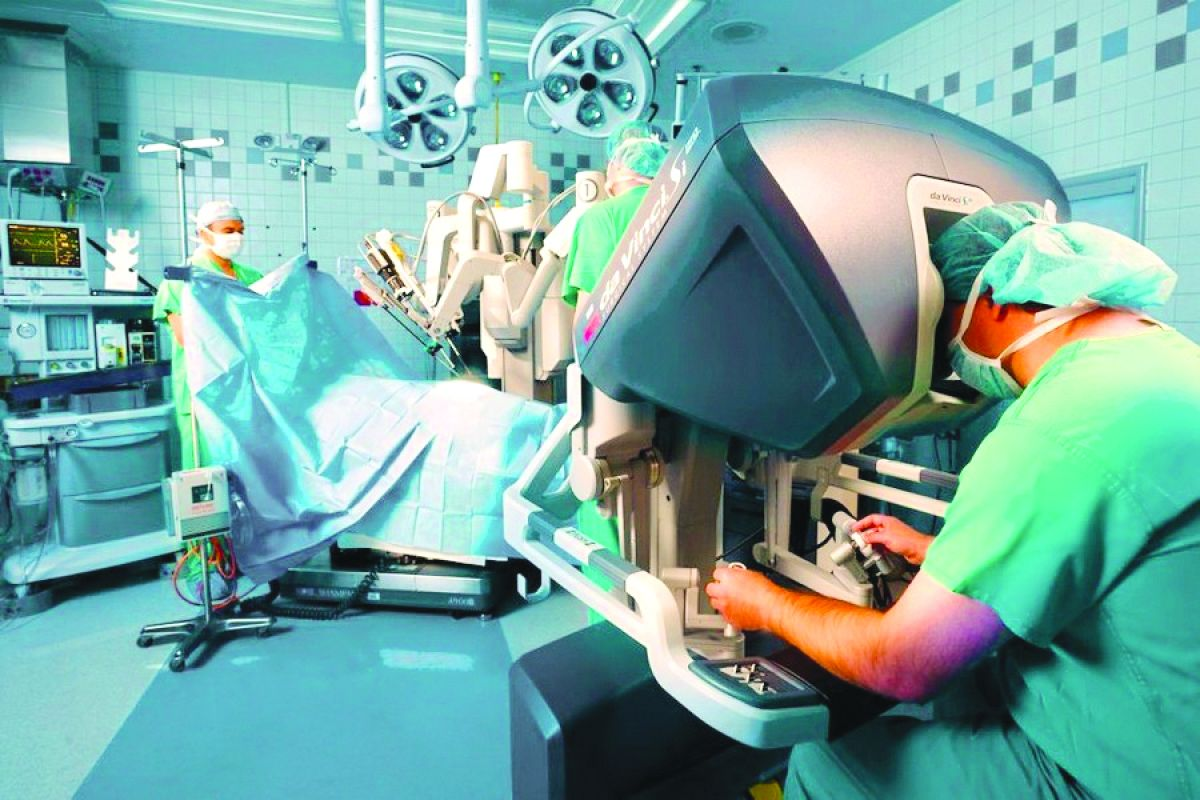
The procedure is typically performed laparoscopically, using small incisions and a camera to guide the surgery. This minimally invasive approach reduces recovery time and minimizes scarring.
How Does it Work?
The gastric bypass surgery works by restricting the amount of food the stomach can hold, reducing nutrient absorption, and altering gut hormones to promote feelings of fullness and reduce hunger. The surgery involves several key steps:
- Creation of a small stomach pouch.
- Division of the small intestine.
- Attachment of the lower segment of the small intestine to the new stomach pouch.
By bypassing the upper portion of the small intestine, the surgery also reduces the absorption of nutrients, which can lead to significant weight loss. The combination of restriction and reduced absorption makes gastric bypass surgery an effective solution for weight loss.
Gastric bypass surgery, or Roux-en-Y gastric bypass, is a surgical procedure that creates a small stomach pouch and re-routes the small intestine. | Description |
Significant Weight Loss | Gastric bypass surgery leads to substantial weight loss by reducing stomach capacity and nutrient absorption. |
Improvement in Comorbidities | The surgery can improve or resolve conditions associated with obesity, such as type 2 diabetes and hypertension. |
Reduced Hunger | Changes in gut hormones result in reduced hunger and increased feelings of fullness. |
Gastric bypass surgery is a complex procedure that offers numerous benefits, including significant weight loss and improvement in obesity-related conditions. By understanding how the surgery works, individuals can make informed decisions about their weight loss journey.
Criteria for Candidates
To qualify for gastric bypass surgery, patients must meet certain health and BMI criteria, which are carefully assessed by our medical team. The decision to undergo gastric bypass surgery is not taken lightly and involves a comprehensive evaluation of various factors.
Who Qualifies for Surgery?
Candidates for gastric bypass surgery typically have a BMI of 40 or higher, or a BMI of 35 or higher with one or more obesity-related health conditions, such as type 2 diabetes, high blood pressure, or sleep apnea. We also consider other health factors, including:
- BMI: A key factor in determining eligibility.
- Obesity-related health conditions: Presence of conditions like type 2 diabetes or high blood pressure.
- Previous weight loss attempts: History of unsuccessful weight loss attempts.
- Psychological readiness: Mental preparedness for the surgery and post-surgery lifestyle changes.
Potential Risks and Complications
As with any major surgery, gastric bypass surgery carries potential risks and complications, including:
- Infection: As with any surgical procedure, there’s a risk of infection.
- Bleeding: Excessive bleeding during or after surgery is a possibility.
- Nutritional deficiencies: Changes in the digestive system can lead to nutritional deficiencies if not properly managed.
- Bowel obstruction: A potential complication that can occur after surgery.
We take every precaution to minimize these risks and ensure that our patients are fully informed and prepared for the procedure.
Physical Health Benefits
The physical health benefits of gastric bypass surgery are multifaceted, ranging from significant weight loss to the improvement of related health conditions. Gastric bypass surgery is not just a procedure; it’s a pathway to a healthier life.
Weight Loss Outcomes
Gastric bypass surgery is known for its effectiveness in achieving substantial weight loss. Studies have shown that patients can lose a significant percentage of their excess body weight within the first year after surgery. This weight loss is not just about aesthetics; it’s about reducing the risk of obesity-related health issues.
Significant weight loss can lead to improved mobility, reduced joint pain, and a decrease in the risk of developing conditions like type 2 diabetes and hypertension. Our patients have reported feeling more energetic and confident after their weight loss journey.
Improvement in Comorbidities
Gastric bypass surgery, or Roux-en-Y gastric bypass, is a surgical procedure that creates a small stomach pouch and re-routes the small intestine.
- Type 2 Diabetes: Many patients experience a normalization of blood sugar levels, reducing or eliminating the need for diabetes medication.
- Hypertension: Weight loss can lead to lower blood pressure, decreasing the risk of heart disease and stroke.
- Sleep Apnea: Significant weight loss can reduce the severity of sleep apnea or even eliminate it.
By improving these comorbidities, gastric bypass surgery not only enhances the quality of life but also reduces healthcare costs in the long run. We have seen numerous cases where patients have been able to discontinue medications and enjoy a healthier lifestyle post-surgery.
Psychological Considerations
The journey to gastric bypass success is as much about mental preparation as it is about physical transformation. As we guide patients through this life-altering decision, it’s crucial to address the psychological aspects that play a significant role in the overall outcome.
Undergoing gastric bypass surgery can have a profound impact on an individual’s mental health. The significant weight loss that follows can lead to improvements in self-esteem and body image. However, the rapid changes can also pose challenges, such as adjusting to a new body shape and dealing with loose skin. We emphasize the importance of bariatric surgery support to help navigate these changes.
Impact on Mental Health
The mental health impact of gastric bypass surgery is multifaceted. On one hand, the substantial weight loss can reduce symptoms of depression and anxiety by improving mobility and reducing pain. On the other hand, some patients may experience emotional challenges as they adjust to their new lifestyle and body image.
It’s essential for patients to be aware of these potential psychological shifts and to have access to professional support. Our team works closely with patients to identify any mental health concerns early on and to provide the necessary resources for managing these issues.
Support Systems and Counseling
A robust bariatric surgery support system is vital for navigating the psychological aspects of gastric bypass surgery. This includes not only family and friends but also professional counseling services. Counseling can help patients cope with the emotional changes they experience, providing strategies to manage stress, anxiety, and any other mental health concerns that may arise.
We recommend that patients engage in regular follow-up appointments with their healthcare provider, including sessions with a mental health professional. This comprehensive approach ensures that patients receive the support they need throughout their journey, enhancing their overall gastric bypass success.
In conclusion, while gastric bypass surgery offers numerous benefits, it’s crucial to acknowledge and address the psychological considerations involved. By providing robust support systems and counseling, we can help ensure that our patients achieve not only significant weight loss but also improved mental well-being.
Financial Implications
Understanding the financial aspects of gastric bypass surgery is crucial for individuals considering this life-changing procedure. The cost of gastric bypass surgery can be substantial, and it’s essential to break down the various components that contribute to the overall expense.
Costs Associated with Gastric Bypass Surgery
The total cost of gastric bypass surgery can be divided into several categories:
- Surgical fees
- Hospital stay and facilities
- Anesthesia fees
Cost Component | Average Cost | Range |
Surgical Fees | $15,000 | $10,000 – $20,000 |
Hospital Stay | $8,000 | $5,000 – $12,000 |
Anesthesia Fees | $1,500 | $1,000 – $2,500 |
Pre-operative Tests | $1,000 | $500 – $2,000 |
Post-operative Care | $2,000 | $1,000 – $3,000 |
Total | $27,500 | $17,500 – $39,500 |
Insurance Coverage for Gastric Bypass Surgery
Insurance coverage for gastric bypass surgery varies widely among providers and policies. Some insurance plans may cover the procedure if certain criteria are met, such as a high BMI or the presence of comorbidities.
We recommend that patients check with their insurance provider to understand the specifics of their coverage, including any out-of-pocket costs they may incur.
Lifestyle Changes Post-Surgery
Lifestyle changes post-gastric bypass surgery are crucial for achieving and maintaining weight loss and overall health. After the surgery, patients need to be committed to a lifelong journey of healthy eating and regular physical activity. We understand that this significant adjustment can be challenging, but with the right guidance and support, our patients can navigate this transition successfully.
Diet and Nutrition Guidelines
A well-balanced diet is essential after gastric bypass surgery. Patients must follow a strict diet plan that progresses from liquids to soft foods and eventually to solid foods. It’s crucial to eat smaller, more frequent meals and to choose nutrient-rich foods. We recommend that our patients work with a nutritionist to develop a personalized meal plan that meets their nutritional needs.
Some key dietary guidelines include:
- Eating slowly and mindfully to avoid discomfort
- Avoiding high-calorie, high-fat, and high-sugar foods
- Staying hydrated by drinking plenty of water
- Taking vitamin and mineral supplements as recommended by their healthcare provider
Importance of Physical Activity
Gastric bypass surgery, or Roux-en-Y gastric bypass, is a surgical procedure that creates a small stomach pouch and re-routes the small intestine.
The benefits of physical activity post-gastric bypass surgery include:
- Enhanced weight loss and maintenance
- Improved overall physical and mental health
- Increased energy levels
- Better sleep quality
By combining a healthy diet with regular physical activity, our patients can achieve optimal results from their gastric bypass surgery and enjoy a healthier, more fulfilling life.
Gastric bypass surgery, or Roux-en-Y gastric bypass, is a surgical procedure that creates a small stomach pouch and re-routes the small intestine.
The long-term outcomes of gastric bypass surgery can be life-changing, offering sustained weight loss and improved health. We will explore the long-term effects, focusing on the maintenance of weight loss and potential nutritional deficiencies.
Maintenance of Weight Loss
One of the most significant long-term benefits of gastric bypass surgery is the potential for sustained weight loss. Studies have shown that patients can maintain significant weight loss over many years, improving overall health and reducing the risk of obesity-related comorbidities. According to a , gastric bypass surgery is effective in treating type 2 diabetes and obesity in the long term.
To maintain weight loss, patients must adhere to a strict diet and exercise regimen. This includes eating smaller, more frequent meals and avoiding high-calorie foods. Regular physical activity is also crucial for sustaining weight loss and overall health.
Potential Nutritional Deficiencies
While gastric bypass surgery can lead to significant weight loss, it also requires careful monitoring to prevent nutritional deficiencies. The altered digestive system can lead to reduced absorption of essential nutrients, including vitamins and minerals.
Common deficiencies include:
- Vitamin B12 deficiency
- Iron deficiency
- Calcium deficiency
- Vitamin D deficiency
Regular follow-up appointments with a healthcare provider are essential to monitor and manage these deficiencies through supplementation and dietary adjustments.
Long-term Effect | Description | Management |
Weight Loss Maintenance | Sustained weight loss over many years | Dietary changes, regular exercise |
Nutritional Deficiencies | Reduced absorption of vitamins and minerals | Supplementation, dietary adjustments |
Comparing Bariatric Surgery Options
Bariatric surgery is not a one-size-fits-all solution; various options are available to suit different needs. When considering weight loss surgery, it’s essential to understand the different procedures available and their implications.
Gastric bypass surgery, or Roux-en-Y gastric bypass, is a surgical procedure that creates a small stomach pouch and re-routes the small intestine.
Two of the most common bariatric surgery procedures are gastric bypass and sleeve gastrectomy. is a common comparison that patients make when deciding on a surgical option.
Gastric bypass surgery involves creating a small pouch from the stomach and connecting it directly to the small intestine. This procedure can lead to significant weight loss by reducing the amount of food you can eat and limiting nutrient absorption.
Sleeve gastrectomy, on the other hand, involves removing a large portion of the stomach, leaving a narrow “sleeve” or tube-like stomach. This reduces the amount of food you can consume, leading to weight loss.
Comparison of Gastric Bypass and Sleeve Gastrectomy:
Procedure | Gastric Bypass | Sleeve Gastrectomy |
Weight Loss Mechanism | Reduces food intake and nutrient absorption | Reduces food intake |
Reversibility | Generally considered irreversible | Generally considered irreversible |
Complications | Potential for malabsorption, ulcers | Potential for leaks, strictures |
Other Weight Loss Procedures
In addition to gastric bypass and sleeve gastrectomy, other bariatric surgery options are available, including adjustable gastric banding and biliopancreatic diversion with duodenal switch.
Adjustable gastric banding involves placing a band around the upper part of the stomach to create a small pouch, limiting food intake. Biliopancreatic diversion with duodenal switch is a more complex procedure that involves removing a portion of the stomach and rerouting the intestines.
Each of these procedures has its benefits and risks, and the best option for a patient depends on various factors, including their overall health, weight loss goals, and personal preferences.
Success Stories
The journey to a healthier life through gastric bypass surgery is filled with success stories. Many individuals have experienced significant weight loss and improvements in their overall health after undergoing this procedure.
Real-Life Transformations
Gastric bypass surgery has been a game-changer for numerous patients. We have witnessed firsthand the positive impact it can have on one’s life. Here are a few success stories that highlight the effectiveness of this surgery.
“I was skeptical at first, but gastric bypass surgery has given me a new lease on life. I’ve lost over 100 pounds and no longer suffer from diabetes.” – Emily R.
Outcomes and Benefits
Our patients have reported significant improvements in their health, including weight loss, reduction in comorbidities, and enhanced quality of life. The following table summarizes some of the outcomes from our case studies:
Patient | Weight Loss | Improvement in Comorbidities |
John D. | 150 pounds | Resolution of hypertension |
Emily R. | 120 pounds | Remission of type 2 diabetes |
Michael T. | 180 pounds | Significant reduction in joint pain |
These stories are a testament to the life-changing potential of gastric bypass surgery. We are committed to supporting our patients throughout their journey, ensuring they achieve the best possible outcomes.
Gastric bypass surgery, or Roux-en-Y gastric bypass, is a surgical procedure that creates a small stomach pouch and re-routes the small intestine.
Gastric bypass surgery, or Roux-en-Y gastric bypass, is a surgical procedure that creates a small stomach pouch and re-routes the small intestine.
Debunking Misconceptions
Several myths surround gastric bypass surgery, often discouraging potential candidates. Let’s address some of these misconceptions:
- Myth: Gastric bypass is a quick fix. Reality: It requires a lifelong commitment to lifestyle changes.
- Myth: The surgery is extremely risky. Reality: While surgery carries risks, gastric bypass is considered safe when performed by experienced surgeons.
- Myth: You can’t eat normally after surgery. Reality: Patients can eat normally but need to follow specific dietary guidelines.
Facts vs. Fiction
To make an informed decision, it’s essential to understand the facts about gastric bypass surgery. Here are some key facts:
- Gastric bypass surgery can lead to significant weight loss and improvement in obesity-related health conditions.
- The procedure involves creating a small stomach pouch and rerouting the small intestine.
- Post-surgery, patients need to adhere to a strict diet and exercise regimen to maintain weight loss.
By understanding the facts and dispelling common myths, individuals can make a more informed decision about whether gastric bypass surgery is right for them.
Preparing for Surgery
Gastric bypass preparation is a multi-faceted process that includes pre-surgery assessments and setting realistic expectations. As you embark on this journey, it’s essential to understand the steps involved in preparing for gastric bypass surgery to ensure a smooth and successful procedure.
Pre-Surgery Assessments and Tests
Before undergoing gastric bypass surgery, patients are required to undergo a series of pre-surgery assessments and tests. These evaluations are crucial in determining the patient’s overall health and identifying any potential risks. We conduct a comprehensive review of the patient’s medical history, including previous surgeries, allergies, and existing health conditions.
The pre-surgery assessments may include:
- Medical Evaluations: A thorough medical check-up to assess overall health and identify any potential risks.
- Laboratory Tests: Blood tests, urine tests, and other diagnostic tests to evaluate health status.
- Imaging Tests: X-rays, CT scans, or other imaging tests to assess the condition of the stomach and surrounding organs.
- Nutritional Assessments: Evaluation of dietary habits and nutritional status to provide guidance on post-surgery nutrition.
As emphasized by a leading bariatric surgeon, “A thorough pre-surgical evaluation is key to minimizing risks and ensuring a successful outcome.” This comprehensive approach helps in tailoring the surgical plan to the individual’s needs.
Setting Realistic Expectations
Setting realistic expectations is a critical component of gastric bypass preparation. Patients need to understand the potential outcomes of the surgery, including the expected weight loss, improvements in comorbidities, and changes in lifestyle. We work closely with our patients to educate them on what to expect post-surgery, emphasizing the importance of adherence to dietary guidelines and physical activity.
“Success after gastric bypass surgery isn’t just about the operation itself, but about the lifestyle changes that follow.”
A renowned expert in bariatric surgery
To achieve the best results, patients must be committed to making significant lifestyle changes, including dietary adjustments and regular physical activity. We provide comprehensive guidance and support to help our patients navigate these changes and achieve their weight loss goals.
Making the Decision: Is it Worth It?
Deciding whether gastric bypass surgery is the right choice involves careful consideration of several factors, including the potential benefits and risks, as well as a long-term commitment to lifestyle changes. We help patients weigh these factors to make an informed bariatric surgery decision.
Key Considerations
When evaluating if gastric bypass is worth it, patients should consider their overall health, weight loss goals, and ability to adhere to post-surgery lifestyle recommendations. A long-term commitment to dietary changes and regular physical activity is crucial for successful outcomes.
By understanding the implications of gastric bypass surgery and the importance of long-term commitment, individuals can make a more informed decision about whether this procedure is right for them.
FAQ
What is gastric bypass surgery and how does it work?
Gastric bypass surgery, or Roux-en-Y gastric bypass, is a surgical procedure that creates a small stomach pouch and re-routes the small intestine.to promote weight loss. We perform this surgery to help individuals achieve significant weight loss and improve related health conditions.
Who qualifies for gastric bypass surgery?
Gastric bypass surgery, or Roux-en-Y gastric bypass, is a surgical procedure that creates a small stomach pouch and re-routes the small intestine.
What are the potential risks and complications of gastric bypass surgery?
As with any surgery, gastric bypass surgery carries potential risks and complications, including bleeding, infection, and nutritional deficiencies. We take every precaution to minimize these risks and ensure our patients receive comprehensive care.
How much weight can I expect to lose after gastric bypass surgery?
Weight loss outcomes vary depending on individual factors, but most patients can expect to lose a significant portion of their excess weight within the first year after surgery. We work closely with our patients to set realistic expectations and provide ongoing support.
Will I need to make significant lifestyle changes after gastric bypass surgery?
Yes, gastric bypass surgery requires a commitment to long-term lifestyle changes, including a healthy diet and regular physical activity. We provide guidance and support to help our patients make these changes and maintain their weight loss.
How much does gastric bypass surgery cost, and what are the insurance coverage options?
The cost of gastric bypass surgery varies depending on several factors, including location and insurance coverage. We work with our patients to understand their insurance options and provide information on financial assistance programs.
What kind of support systems and counseling are available after gastric bypass surgery?
We offer comprehensive support systems and counseling to help our patients navigate the emotional and psychological aspects of weight loss surgery. Our team is dedicated to providing ongoing care and support.
How does gastric bypass surgery compare to other weight loss procedures, such as sleeve gastrectomy?
Gastric bypass surgery and sleeve gastrectomy are both effective weight loss procedures, but they have different benefits and risks. We can help our patients understand the differences and make an informed decision about which procedure is best for them.
What are the long-term effects of gastric bypass surgery, and how can I maintain my weight loss?
Gastric bypass surgery can lead to significant long-term weight loss, but it requires ongoing commitment to healthy lifestyle habits. We provide guidance on maintaining weight loss and managing potential nutritional deficiencies.
Are there any common myths or misconceptions about gastric bypass surgery that I should be aware of?
Yes, there are several common myths and misconceptions about gastric bypass surgery. We are happy to provide accurate information and facts to help our patients make an informed decision.
What are the steps involved in preparing for gastric bypass surgery?
Preparing for gastric bypass surgery involves several steps, including pre-surgery assessments and tests, as well as setting realistic expectations. We work closely with our patients to ensure they are fully prepared for the procedure and the recovery process.
Is gastric bypass surgery a quick fix for weight loss, or does it require long-term commitment and responsibility?
Gastric bypass surgery is not a quick fix for weight loss; it requires a long-term commitment to healthy lifestyle habits and ongoing responsibility for maintaining weight loss. We emphasize the importance of this commitment to our patients.
What are the benefits of choosing a premium healthcare provider for gastric bypass surgery?
Choosing a premium healthcare provider for gastric bypass surgery ensures access to high-quality medical care, personalized VIP service, and comprehensive support. We are dedicated to delivering exceptional care to our patients.
References
New England Journal of Medicine. Evidence-Based Medical Insight. Retrieved from https://www.nejm.org/doi/full/10.1056/NEJMoa1600869