Last Updated on December 2, 2025 by Bilal Hasdemir

Nearly 40% of adults in the United States are obese. This puts them at risk for many health problems. For many, bariatric surgery is a good solution. It’s also called stomach surgery or metabolic surgery.Gastric surgery includes operations on the stomach to treat digestive diseases, obesity, or ulcers effectively.
This procedure changes the digestive system. It helps with weight loss or treats stomach issues.
Gastric surgery includes many procedures. They help people lose weight or fix stomach problems. By changing the stomach or digestive tract, these surgeries can greatly improve health.
Key Takeaways
- Gastric surgery is also known as bariatric or metabolic surgery.
- It involves making changes to the digestive system.
- The primary goal is to aid in weight loss or treat stomach conditions.
- Various procedures fall under the category of gastric surgery.
- These surgeries can significantly improve health outcomes for obese individuals.
Understanding Gastric Surgery: Definition and Purpose
Gastric surgery is a type of surgery that deals with stomach problems. It includes procedures like gastric bypass and gastric sleeve. These surgeries help control food intake and nutrient absorption. They are used to treat various stomach conditions.
Medical Definition of Gastric Surgery
Gastric surgery involves any surgery of the stomach. It includes weight loss surgeries like gastric bypass, gastric sleeve, and adjustable gastric banding. It also treats ulcers, cancer, and severe stomach injuries. The main goal is to improve health by fixing stomach problems.
The medical field sees gastric surgery as a key treatment for obesity. It’s used when other weight loss methods fail and health is at risk. It aims to not just lose weight but also to improve conditions like type 2 diabetes and sleep apnea.
Historical Development of Stomach Procedures
The history of gastric surgery began in the early 20th century with surgeries for peptic ulcers. Over time, these surgeries have changed a lot. Advances in technology and understanding of the stomach have driven these changes.
The introduction of laparoscopic surgery was a big step. It made procedures less invasive and recovery times shorter. In recent years, gastric surgery has focused more on weight loss. Today, it includes many procedures tailored to each patient’s needs.
Types of Gastric Surgery for Weight Loss
For those struggling with obesity, several gastric surgery options are available. Each has its own benefits and ways of working. Gastric surgery is considered when other weight loss methods fail. The right surgery depends on the patient’s health, BMI, and past surgeries.
Gastric Bypass (Roux-en-Y)
Gastric Bypass, or Roux-en-Y, is a common weight loss surgery. It makes a small pouch from the stomach and connects it to the small intestine. This limits food intake and reduces nutrient absorption, leading to weight loss. It also improves health conditions like type 2 diabetes.
Gastric Sleeve (Sleeve Gastrectomy)
Gastric Sleeve surgery removes most of the stomach, leaving a narrow ‘sleeve’. This reduces stomach capacity, limiting food intake and causing weight loss. It’s simpler than Gastric Bypass and doesn’t reroute intestines.
Adjustable Gastric Band
The Adjustable Gastric Band is a less invasive option. An adjustable band is placed around the stomach’s upper part. It creates a small pouch to restrict food intake. The band’s tightness can be adjusted for better restriction. It has fewer complications but may lead to less weight loss.
Biliopancreatic Diversion with Duodenal Switch
Biliopancreatic Diversion with Duodenal Switch is a complex procedure. It removes a large stomach portion (like Gastric Sleeve) and reroutes intestines. This significantly reduces nutrient absorption, leading to substantial weight loss. It’s recommended for those with higher BMIs or who haven’t lost enough weight with other surgeries.
A study shows, “Bariatric surgery is the most effective treatment for severe obesity, leading to significant weight loss and improvement in obesity-related comorbidities” (Source:
A systematic review and meta-analysis of bariatric surgery outcomes, published in a reputable medical journal.
). Each gastric surgery type has its own indications, benefits, and complications. It’s important for patients to talk to healthcare professionals to find the best option.
Non-Surgical and Minimally Invasive Gastric Procedures
Looking for weight loss options? Non-surgical and minimally invasive gastric procedures are great alternatives to traditional surgery. They aim to reduce recovery time and lower risks compared to more invasive surgeries.
Gastric Balloon
The gastric balloon is a non-surgical way to lose weight. It involves placing a balloon in the stomach to control hunger and make you feel full. This method is reversible and less invasive, appealing to many patients.
Endoscopic Sleeve Gastroplasty
Endoscopic sleeve gastroplasty is a less invasive procedure. It uses an endoscope to shrink the stomach size. This helps you feel full sooner and eat less, leading to weight loss.
AspireAssist
The AspireAssist is a device for weight loss. It lets patients drain some stomach contents after meals. It’s implanted during an endoscopic procedure, helping those who struggle with weight loss.
Emerging Techniques
The world of non-surgical and minimally invasive gastric procedures is always growing. New methods and technologies are being developed. These advancements aim to make weight loss safer and more effective.
Non-surgical and minimally invasive gastric procedures are big steps forward in treating obesity and weight issues. They offer patients different options, tailored to their needs and preferences, without the need for traditional surgery.
Gastric Surgeries for Cancer and Other Medical Conditions
Gastric surgery is not just for weight loss. It’s also key for treating serious stomach issues like cancer, ulcers, and bleeding disorders. These conditions often need surgery to remove the sick part of the stomach or fix damage.
Partial Gastrectomy
A partial gastrectomy removes part of the stomach. It’s often done for stomach cancer or severe ulcers. The stomach left behind is then connected to the small intestine to keep digestion going.
Total Gastrectomy
In a total gastrectomy, the whole stomach is taken out, mainly for stomach cancer. The surgeon then links the esophagus to the small intestine. This big change affects how the body digests food.
Gastric Resection for Ulcers and Bleeding
Gastric resection is needed for severe ulcers or stomach bleeding that other treatments can’t fix. The aim is to cut out the bad area and fix any nearby tissue damage.
Vagotomy Procedures
A vagotomy cuts the vagus nerve, which controls stomach acid. It’s done to treat ulcers by lowering acid levels. There are various vagotomy types, each suited for different cases and outcomes.
| Surgical Procedure | Primary Use | Key Aspects |
| Partial Gastrectomy | Stomach Cancer, Ulcers | Removal of stomach portion, reconnection to small intestine |
| Total Gastrectomy | Stomach Cancer | Removal of entire stomach, esophagus connected to small intestine |
| Gastric Resection | Ulcers, Bleeding | Removal of affected stomach area, repair of surrounding tissues |
| Vagotomy | Ulcers | Cutting vagus nerve to reduce acid secretion |
Surgical Techniques in Modern Gastric Surgery
Modern gastric surgery has seen big changes. New technologies and methods have given us more ways to treat stomach problems. This includes obesity and cancer.
Laparoscopic Approaches
Laparoscopic gastric surgery is a minimally invasive method. It uses small incisions for a laparoscope and tools. This method leads to less pain, shorter hospital stays, and faster recovery than open surgery.
It’s often used for surgeries like gastric bypass and sleeve gastrectomy.
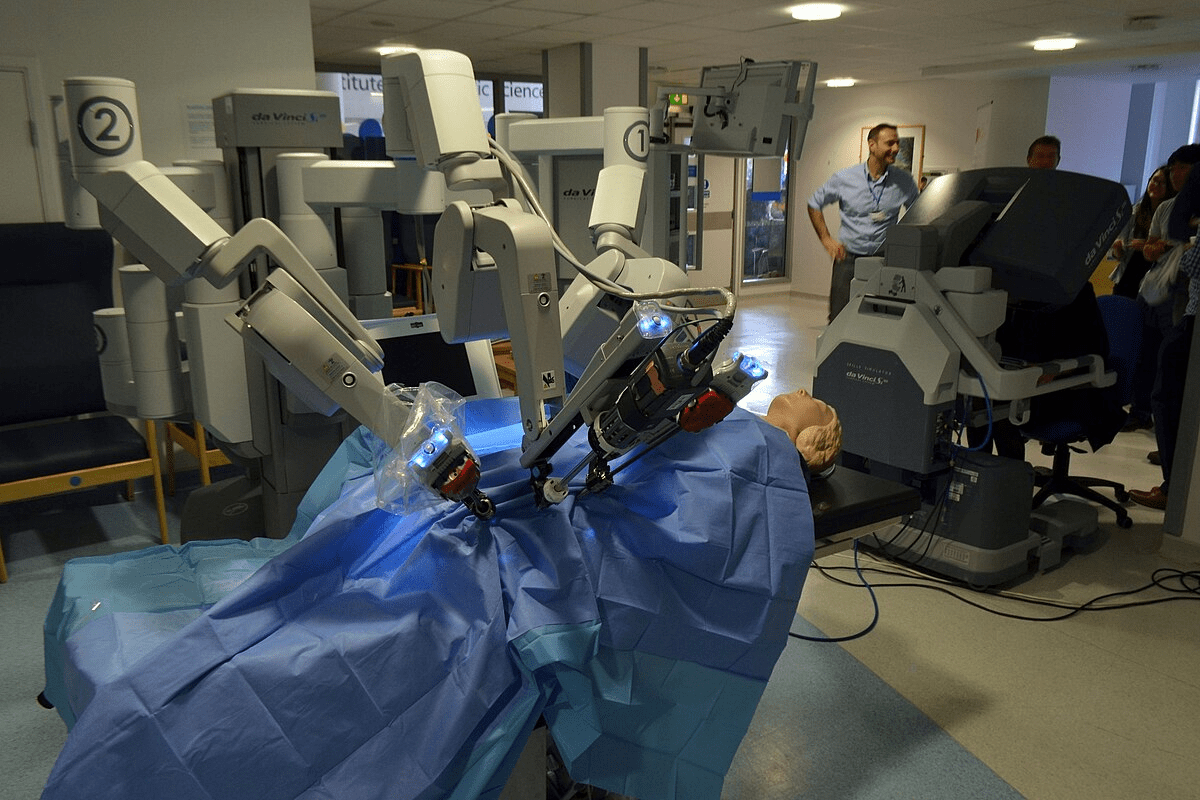
Robotic-Assisted Surgery
Robotic-assisted surgery is a step up from laparoscopic surgery. It uses a robotic system for more precise and flexible surgery. This method offers improved dexterity and better visualization, leading to better results in complex cases.
Traditional Open Surgery
Traditional open surgery uses a bigger incision to directly access the stomach. It’s more invasive and takes longer to recover. But, it’s needed for complex cases or when other methods can’t be used.
It allows for detailed procedures that are hard or impossible with other methods.
Post-Surgical Reconstruction Methods
Rebuilding after gastric surgery is key, like after gastric resection. The aim is to make the digestive system work as well as possible. Techniques like Roux-en-Y reconstruction are used to ensure food moves right and avoid problems.
The choice of surgery depends on the patient’s health, the stomach issue, and the surgeon’s skills. Knowing these techniques well is vital for the best care and results.
The Multidisciplinary Approach to Gastric Surgery
Gastric surgery is complex and needs a team of experts. It’s not just about the surgery. It also includes pre-surgery checks, the surgery itself, and care after.
Role of Surgeons, Nutritionists, and Psychologists
A team of specialists is key for gastric surgery success. Surgeons lead the way, but nutritionists are also essential. They help with diet changes before and after surgery. Psychologists support patients with the mental and emotional challenges of surgery and lifestyle changes.
Pre-Surgical Evaluation Process
The pre-surgery check is very important. It looks at the patient’s health, medical history, and nutrition. It helps find risks and prepares the patient for surgery.
Coordinated Care Planning
Coordinated care planning is vital. It makes sure all care aspects are managed well. It creates a plan for each patient’s needs, from start to finish. The team works together for a smooth and successful surgery.
Determining Eligibility for Gastric Surgery
Checking if you’re eligible for gastric surgery looks at many health and mental factors. This detailed check makes sure you’re a good fit for the surgery. It also helps ensure you’ll likely see benefits from it.
BMI Requirements for Weight Loss Surgery
Your Body Mass Index (BMI) is a key factor in eligibility. A BMI of 40 or more usually means you qualify for weight loss surgery. If your BMI is 35 or higher, you might qualify if you also have obesity-related health problems.
Medical Conditions That May Necessitate Gastric Surgery
Some health issues can make gastric surgery necessary. These include severe obesity-related problems like type 2 diabetes, high blood pressure, and sleep apnea. Each case is looked at individually.
Psychological Evaluation Process
A mental health check is a big part of the eligibility process. It looks at if you’re mentally prepared for the surgery. It also checks if you can stick to the lifestyle changes needed after surgery.
Insurance and Coverage Criteria
Insurance for gastric surgery can differ a lot. Most insurance needs proof of weight loss tries, medical need, and sometimes a mental health check. Knowing what your insurance covers is key.
| Eligibility Criteria | Description | Requirements |
| BMI | Body Mass Index | 40 or higher, or 35 with obesity-related conditions |
| Medical Conditions | Presence of obesity-related health issues | Type 2 diabetes, high blood pressure, sleep apnea |
| Psychological Evaluation | Mental readiness and adherence to lifestyle changes | Psychological assessment and clearance |
| Insurance Coverage | Varied by provider and policy | Documentation of medical necessity and previous weight loss attempts |
Preparing for Gastric Surgery: What to Expect
Gastric surgery preparation involves many steps. These include changing your diet, undergoing medical tests, and understanding what to expect. Knowing what to expect helps patients prepare well and get the best results.
Pre-Surgery Diet and Lifestyle Changes
Before surgery, you’ll need to make big changes. You might follow a pre-surgery diet that’s low in calories but full of nutrients. This helps shrink your liver and improves surgery results. You’ll also be told to stop smoking and start moving more.
Medical Tests and Evaluations
You’ll go through medical tests for gastric surgery to check if you’re healthy enough. These tests include blood work, imaging, and talks with specialists. They aim to find any risks and make sure you’re ready for surgery.
Setting Realistic Expectations
Setting realistic expectations is key for happiness and success after surgery. You need to know what the surgery can do and the lifestyle changes you’ll face. This includes understanding the risks and benefits and the need for ongoing care.
Recovery and Lifestyle After Gastric Surgery
Recovering from gastric surgery is more than just healing from the surgery. It’s about starting a new life. This time involves big changes in diet, exercise, and lifestyle. These changes help ensure the best results.
Hospital Stay and Immediate Recovery
The first part of recovery happens in the hospital. Here, doctors watch for any quick problems. How long you stay depends on your surgery and health.
Post-Operative Diet Progression
After surgery, you’ll go through different food stages. First, it’s liquids, then pureed foods, and lastly, solid foods. This helps your stomach heal and lowers the chance of problems.
Physical Activity Guidelines
Moving your body is key to getting better. You’ll start with easy things like walking. Then, you’ll do more as your doctor says it’s okay.
Long-Term Lifestyle Modifications
Keeping up with lifestyle changes is vital for long-term success. This means eating well and staying active. Also, don’t forget to go to your follow-up appointments. They help track your progress and solve any issues.
| Lifestyle Aspect | Pre-Surgery | Post-Surgery |
| Diet | Normal diet with possible pre-surgery limits | Progressive diet from liquids to solids, with long-term dietary adjustments |
| Physical Activity | Regular activity levels | Gradual increase in physical activity, tailored to individual recovery |
| Follow-Up Care | Pre-surgery evaluations | Regular post-surgery follow-ups for monitoring and support |
Potential Risks and Complications of Gastric Surgery
Gastric surgery has its own set of risks and complications. It can be effective for many health issues. But, knowing the risks is key to making a good choice.
Short-Term Surgical Complications
Short-term issues can happen during or right after surgery. These might include bleeding, infection, and reactions to anesthesia.Monitoring and post-operative careare vital to manage these risks.
Long-Term Health Concerns
Long-term problems can include bowel obstruction, hernias, and metabolic changes. It’s important to keep up with regular check-ups with your healthcare provider.
Nutritional Deficiencies
Nutritional issues are a big risk after gastric surgery. The digestive system changes can lead to a lack of vitamins and minerals. Patients might need supplements to stay healthy.
| Nutritional Deficiency | Potential Effects | Prevention/ Management |
| Vitamin B12 Deficiency | Anemia, Fatigue | Vitamin B12 Supplements |
| Iron Deficiency | Anemia, Weakness | Iron Supplements, Dietary Changes |
| Calcium Deficiency | Osteoporosis, Bone Pain | Calcium Supplements, Vitamin D |
Psychological Adjustments
Psychological recovery is also important. Patients face big lifestyle changes, like new diets and eating habits. Getting support from doctors, family, and groups can really help.
Conclusion: Making an Informed Decision About Gastric Surgery
Gastric surgery is a big choice that needs a lot of thought. You must think about the type of surgery, risks, and long-term effects.
Before deciding on gastric surgery, weigh the good against the bad. Know the different surgeries like gastric bypass and sleeve. Also, learn about non-surgical options.
It’s key to talk to a doctor about your health and weight. They can help figure out the best surgery for you. This includes looking at your medical history and BMI.
Choosing gastric surgery means understanding the surgery, its results, and lifestyle changes needed. By carefully thinking about these, you can make a choice that fits your health goals and improves your life.
FAQ
What is gastric surgery?
Gastric surgery, also known as stomach surgery, is a range of procedures. They involve the stomach for weight loss, cancer treatment, and other conditions.
What are the different types of gastric surgery for weight loss?
Common types for weight loss include gastric bypass, gastric sleeve, adjustable gastric band, and biliopancreatic diversion with duodenal switch.
What is the difference between gastric bypass and gastric sleeve surgery?
Gastric bypass creates a small stomach pouch and reroutes the small intestine. Gastric sleeve removes a large part of the stomach, leaving a narrow sleeve-like stomach.
Are there non-surgical alternatives to gastric surgery?
Yes, non-surgical options include gastric balloon, endoscopic sleeve gastroplasty, and AspireAssist. These are minimally invasive procedures for weight loss.
What is laparoscopic gastric surgery?
Laparoscopic gastric surgery is a minimally invasive technique. It makes small incisions in the abdomen for surgery, leading to less scarring and faster recovery.
What are the eligibility criteria for gastric surgery?
To qualify for gastric surgery, you need a BMI of 40 or higher. Or a BMI of 35 or higher with obesity-related health conditions. A thorough medical and psychological evaluation is also required.
What should I expect during the recovery process after gastric surgery?
After surgery, expect a hospital stay. Then, a gradual move to a normal diet. Follow guidelines for physical activity and long-term lifestyle changes.
What are the possible risks and complications of gastric surgery?
Risks include short-term surgical complications and long-term health concerns. Nutritional deficiencies and psychological adjustments are also possible.
How do I prepare for gastric surgery?
Prepare by following a pre-surgery diet and lifestyle changes. Undergo medical tests and evaluations. Set realistic expectations.
What is the role of a multidisciplinary team in gastric surgery?
A multidisciplinary team, including surgeons, nutritionists, and psychologists, is key. They provide complete care and support throughout the process.
Can gastric surgery be used to treat conditions other than obesity?
Yes, it can treat conditions like cancer, ulcers, and bleeding. Procedures include partial gastrectomy, total gastrectomy, and gastric resection.
What are the benefits of robotic-assisted gastric surgery?
Robotic-assisted surgery offers better precision, flexibility, and control. It may lead to fewer complications and a faster recovery.
Reference
National Center for Biotechnology Information. Evidence-Based Medical Insight. Retrieved from https://www.ncbi.nlm.nih.gov/pmc/articles/PMC3902398/