Last Updated on November 26, 2025 by Bilal Hasdemir
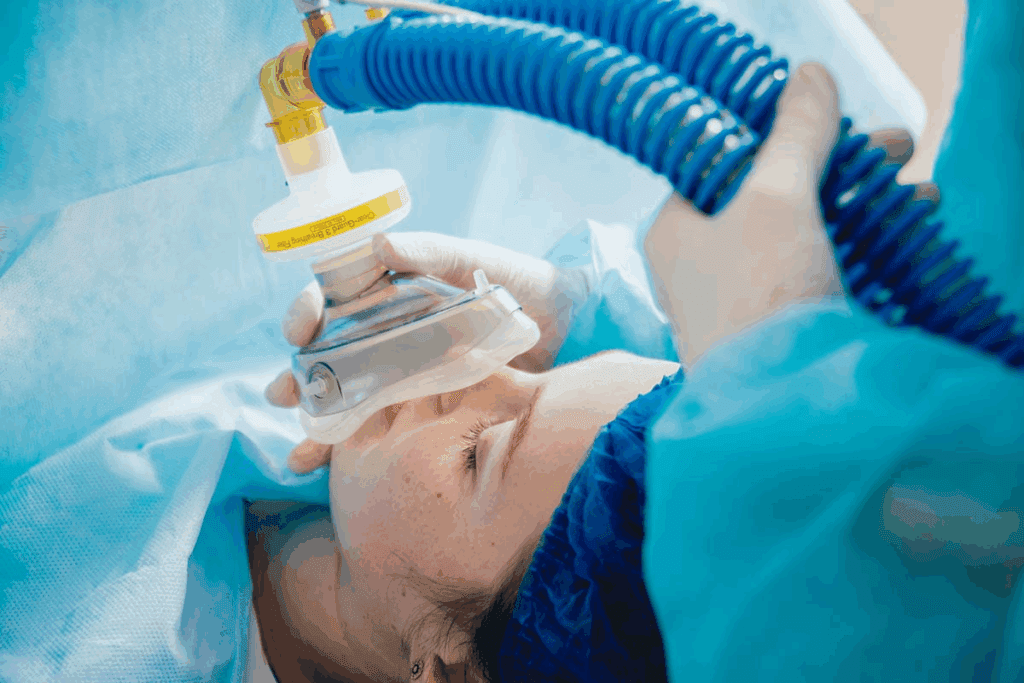
General Anesthesia Risk for Elderly: 7 Key Dangers As the world’s population ages, more elderly people are having surgery with general anesthesia. The number of people over 65 is set to double in 30 years. Those over 85 will triple. This shows how vital it is to know the risks of anesthesia and the elderly.
Elderly patients face special risks with surgery and anesthesia. These include postoperative delirium, cognitive issues, and breathing problems. It’s key for patients and their families to understand these dangers of anesthesia in the elderly. This way, they can make better choices about their care.
Key Takeaways
- Elderly patients face unique risks when undergoing surgery with general anesthesia.
- Age-related physiological changes increase the risk of complications.
- Understanding these risks is vital for making informed decisions.
- Liv Hospital prioritizes patient-centered safety and expert care.
- Elderly patients should talk about their specific risks with their healthcare provider.
Understanding Anesthesia in the Elderly Population
Elderly patients face special challenges when they have surgery. This is because aging affects how their bodies handle anesthesia. As people get older, their bodies change in ways that impact anesthesia.
Age-Related Physiological Changes
As we age, our bodies’ ability to handle stress decreases. This makes older adults more vulnerable to surgery and anesthesia. Key changes include:
- decreased cardiac output and vascular compliance,
- reduced pulmonary function and reserve,
- altered drug metabolism and clearance,
- and changes in body composition.
These changes affect how older patients react to anesthesia. For example, older kidneys may not clear drugs as well. This can make recovery longer.
Why Elderly Patients Require Special Consideration
Elderly patients need extra care because they are more at risk for anesthesia problems. The risk of postoperative cognitive decline is higher in those over 70. Conditions like heart disease and dementia increase this risk even more.
Doctors now use frailty assessments to evaluate elderly patients before surgery. This is because frailty is linked to higher risks of death, longer hospital stays, and cognitive decline. It’s important to manage frailty well in elderly patients.
Several factors increase the risk for elderly patients. These include:
- The presence of comorbidities,
- Polypharmacy,
- Reduced physiological reserve.
Knowing these factors helps anesthesiologists create safer anesthesia plans for elderly patients. This ensures better outcomes for them during surgery.
General Anesthesia Risk for the Elderly: An Overview
As more people age, it’s vital to know the risks of general anesthesia for seniors. Seniors often face stronger side effects, like confusion and memory issues. They also have a higher chance of breathing and heart problems during and after surgery.
General anesthesia works differently on older bodies because of age-related changes. These changes can make seniors more sensitive to anesthetics. This increases the risk of bad reactions.
How Anesthesia Affects Aging Bodies Differently
Older bodies change in ways that affect anesthesia. For example, seniors might have slower liver and kidney function. This means anesthetics take longer to leave the body. This can lead to longer recovery times and more risks.
Key physiological changes in the elderly include:
- Decreased cardiac output
- Reduced pulmonary function
- Changes in body composition, such as increased fat and decreased muscle mass
- Decreased renal function
Risk Factors That Increase Vulnerability
Several factors can make seniors more vulnerable to anesthesia risks. Cognitive impairment before surgery is a big risk. It’s linked to a higher chance of confusion after surgery, whether it’s heart or non-heart surgery.
| Risk Factor | Description | Impact on Anesthesia Risk |
| Preoperative Cognitive Impairment | Reduced cognitive function before surgery | Increased risk of postoperative delirium |
| Cardiovascular Disease | Presence of heart-related conditions | Higher risk of cardiac complications |
| Chronic Respiratory Disease | Ongoing respiratory conditions | Increased risk of respiratory complications |
It’s key for healthcare providers to understand these risks. This helps them manage and reduce the dangers of general anesthesia for seniors.
Postoperative Delirium: A Primary Concern
Postoperative delirium is a big worry for older adults under anesthesia. Even with better monitoring and protocols, the risks are high, mainly for those with health issues.
Identifying the Signs and Symptoms
Postoperative delirium messes with a person’s attention and awareness. Spotting these signs early is key. Look out for:
- Disorientation
- Memory troubles
- Changes in consciousness
- Mental state that shifts
Spotting these symptoms early can make a big difference in how well a patient recovers.
Effective Prevention and Management Strategies
Stopping delirium before it starts is the best approach. Here are some ways to do it:
- Screening for cognitive issues before surgery welps spot those at risk.
- Getting the patient’s health and body ready for surgery.
- Using non-drug methods like helping them stay oriented and moving early.
- Choosing and using anesthesia carefully to avoid brain problems after surgery.
By using these methods, doctors can lower the chances and impact of delirium in older patients.
Routine neurocognitive testing is also helpful. It helps find at-risk patients and adjust anesthesia plans. This approach can lessen the dangers of anesthesia for the elderly.
Cognitive Dysfunction and Memory Disturbances
Anesthesia side effects in elderly patients often include cognitive disturbances that can be distressing. Cognitive dysfunction after surgery is a significant concern, mainly for patients over 80 years old. Increased exposure to surgery under general anesthesia can lead to long-term cognitive decline.
Short-term vs. Long-term Cognitive Effects
Elderly patients may experience both short-term and long-term cognitive effects after general anesthesia. Short-term cognitive impairment can manifest as confusion, disorientation, and memory issues immediately following surgery.
Some patients may recover quickly, while others may experience prolonged cognitive issues. Long-term cognitive decline can be a more significant concern, potentially leading to lasting impacts on quality of life.
Risk Factors for Postoperative Cognitive Decline
Several risk factors contribute to postoperative cognitive decline in elderly patients. These include:
- Advanced age, being over 80 years old
- Pre-existing cognitive impairment or dementia
- Type and duration of surgery
- Presence of comorbid medical conditions
- Postoperative pain and use of pain medication
Understanding these risk factors is key to managing and potentially mitigating cognitive decline after surgery.
Research shows that increased exposure to general anesthesia raises the risk of long-term cognitive decline. So, careful consideration of anesthesia protocols and postoperative care is essential for elderly patients.
Respiratory Complications in Elderly Patients
The elderly face a higher risk of respiratory problems during anesthesia. This is due to changes in their respiratory system as they age. These changes can affect how they react to anesthesia.
Pulmonary Function Changes with Age
As people get older, their lungs change. They become less elastic and have less capacity. This can make breathing harder and increase the risk of breathing problems during and after surgery. Elderly patients are more likely to experience breathing issues and low oxygen levels because their lungs work less efficiently.
Managing Respiratory Risks During and After Surgery
It’s important to carefully check a patient’s health before surgery. This includes looking at their lung function and overall health. Anesthesia protocols can be adjusted for older patients. This might include using regional anesthesia and closely watching their breathing during surgery.
After surgery, it’s key to manage breathing problems. This can involve giving extra oxygen, encouraging movement, and using breathing therapy if needed. Conditions like heart disease, stroke, and dementia can make breathing issues worse. So, a detailed check before surgery and tailored anesthesia care are vital.
The elderly are not all the same. There’s a lot of variation in their health and how well they can function. Knowing these differences is important for managing anesthetic side effects in elderly patients well.
Cardiovascular Risks and Hemodynamic Instability
Anesthesia in elderly patients can lead to serious heart risks. As more seniors have surgery, it’s key to understand these risks. This helps provide the best care possible.
Heart-Related Complications in Elderly Patients
Elderly patients face more heart problems during anesthesia. This is because aging changes their heart’s function. These changes make it harder for their heart to handle stress.
As a result, they are more likely to have high or low blood pressure and irregular heartbeats.
Common heart-related complications include:
- Myocardial infarction
- Congestive heart failure
- Cardiac arrhythmias
Liv Hospital follows international standards to reduce these risks. They use the latest care methods and team up with experts. They often choose regional anesthesia for seniors. This type of anesthesia is safer for their heart and lungs.
Monitoring and Prevention Approaches
It’s vital to watch and prevent heart risks in elderly patients under anesthesia. This means checking them before surgery, watching them closely during it, and caring for them well after.
Key monitoring and prevention approaches:
- Preoperative evaluation of cardiac function
- Intraoperative hemodynamic monitoring
- Postoperative care in a monitored setting
- Adjustment of anesthesia protocols based on patient response
By using these methods, doctors can lower the risks of anesthesia for seniors. This makes surgery safer for them.
Medication Sensitivity and Prolonged Recovery Times
The elderly face more risks from anesthesia because of how their bodies change with age. As people get older, their bodies process drugs differently. This includes how they handle anesthetics.
Changes in Drug Metabolism with Age
As we age, our bodies get worse at breaking down drugs. This is because our liver function drops and our body composition changes. For example, we gain fat and lose muscle. This means anesthetics stay in our system longer, raising the risk of side effects and longer recovery times. Polypharmacy, common in the elderly, makes managing anesthesia even harder. It increases the chance of drug interactions and side effects.
Adjusting Anesthesia Protocols for Elderly Patients
Anesthesiologists need to adjust their methods for elderly patients. They must choose and dose anesthetics carefully and watch the patient closely during surgery. The choice to use regional anesthesia depends on the patient’s anatomy, medication, and surgery type. Regional anesthesia can reduce systemic drug exposure and improve pain management after surgery.
Healthcare providers can better manage anesthesia risks for the elderly by understanding these factors. They can improve preoperative care, tailor anesthesia to each patient, and offer strong support after surgery.
Pre-existing Conditions and Their Impact on Anesthesia Safety
Older patients often have health issues that can affect how well they do with general anesthesia. It’s important to manage these conditions before, during, and after surgery. This helps make anesthesia safer and more effective for them.
Managing Comorbidities Before Surgery
Checking a patient’s health before surgery is key. Doctors look at their medical history, current health, and medicines. Getting the patient’s health in the best shape before surgery can lower the chance of problems.
For example, controlling blood pressure, managing diabetes, and treating breathing issues can help. This makes recovery faster and safer.
ERAS protocols help elderly patients recover quickly. These include preoperative counseling, better nutrition, and specific pain and anesthesia plans. ERAS helps reduce complications and improve results.
Individualized Risk Assessment Approaches
Every elderly patient is different, so a tailored risk assessment is needed. This looks at their health, the surgery’s complexity, and anesthesia risks. A team of healthcare providers works together to create a care plan that meets each patient’s needs.
Doctors consider things like how well the patient thinks, their physical health, and support from family and friends. This helps them understand the risks and benefits of surgery and anesthesia. It leads to better strategies to help elderly patients.
Conclusion: Balancing Surgical Needs with Anesthesia Risks
Elderly patients face special challenges when they need surgery. These include frailty, taking many medicines, and problems with thinking. These issues make it very important to think carefully about the risks of anesthesia.
Working together as a team is key to helping elderly patients. This team approach helps lower risks and makes life better for them. Healthcare workers need to know how anesthesia affects older adults to keep them safe.
Managing anesthesia risks for the elderly requires careful thought. It’s about understanding how age affects the body and each patient’s health. By focusing on each patient’s needs, healthcare providers can make surgery safer for older adults.
FAQ
What are the risks associated with general anesthesia in elderly patients?
Elderly patients face higher risks with general anesthesia. These include postoperative delirium, cognitive issues, and respiratory problems. They also have cardiovascular risks and longer recovery times due to age-related changes.
How does age affect the body’s response to anesthesia?
As people age, their bodies change in how they react to anesthesia. This includes decreased lung function, changes in how drugs are metabolized, and increased sensitivity to medications.
What is postoperative delirium, and how can it be prevented?
Postoperative delirium is confusion and disorientation after surgery, common in the elderly. To prevent it, assess patients carefully before surgery. Use fewer sedatives and narcotics. Keep the environment stable and familiar after surgery.
Can anesthesia cause long-term cognitive effects in elderly patients?
Yes, elderly patients may experience long-term cognitive effects from anesthesia. This includes memory problems and cognitive decline. Risk factors include advanced age, pre-existing cognitive issues, and the type and length of surgery.
How can respiratory complications be managed in elderly patients undergoing anesthesia?
Managing respiratory issues in elderly patients involves assessing lung function before surgery. Use lung-protective ventilation during surgery. Monitor their respiratory status closely after surgery.
Are elderly patients more susceptible to cardiovascular risks during anesthesia?
Yes, elderly patients face higher cardiovascular risks during anesthesia. This is due to age-related changes in heart function and underlying heart disease.
How do pre-existing medical conditions impact anesthesia safety in elderly patients?
Pre-existing medical conditions, like heart disease and diabetes, affect anesthesia safety in the elderly. They require careful preoperative assessment and management to reduce risks.
Is it safe for an 80-year-old patient to undergo general anesthesia?
While age is a factor, the safety of general anesthesia for an 80-year-old depends on their health and surgery type. A thorough preoperative evaluation is key to assessing risks and benefits.
How can anesthesia protocols be adjusted for elderly patients?
Adjusting anesthesia protocols for the elderly involves considering their physiological changes and comorbidities. This may include using lower anesthetic doses and closely monitoring their response.
What is frailty, and how does it impact postoperative outcomes in elderly patients?
Frailty is a condition of decreased physiological reserve and increased vulnerability to stressors, including surgery. Frail elderly patients face higher risks of complications, prolonged recovery, and mortality. This highlights the need for careful preoperative assessment and individualized care.
References
- Miller, R. D., Eriksson, L. I., Fleisher, L. A., Wiener-Kronish, J. P., Cohen, N. H., & Young, W. L. (Eds.). (2015). Miller’s Anesthesia (8th ed.). Elsevier.https://www.ncbi.nlm.nih.gov/books/NBK537271/