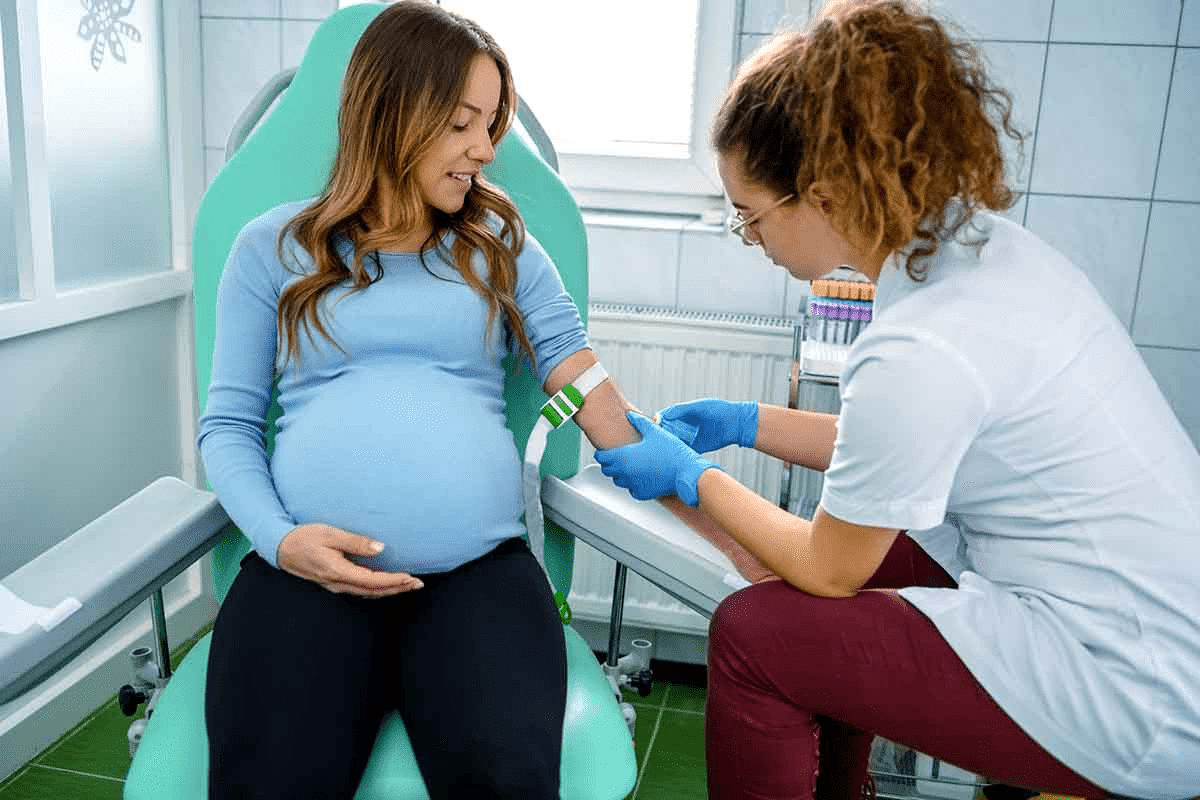
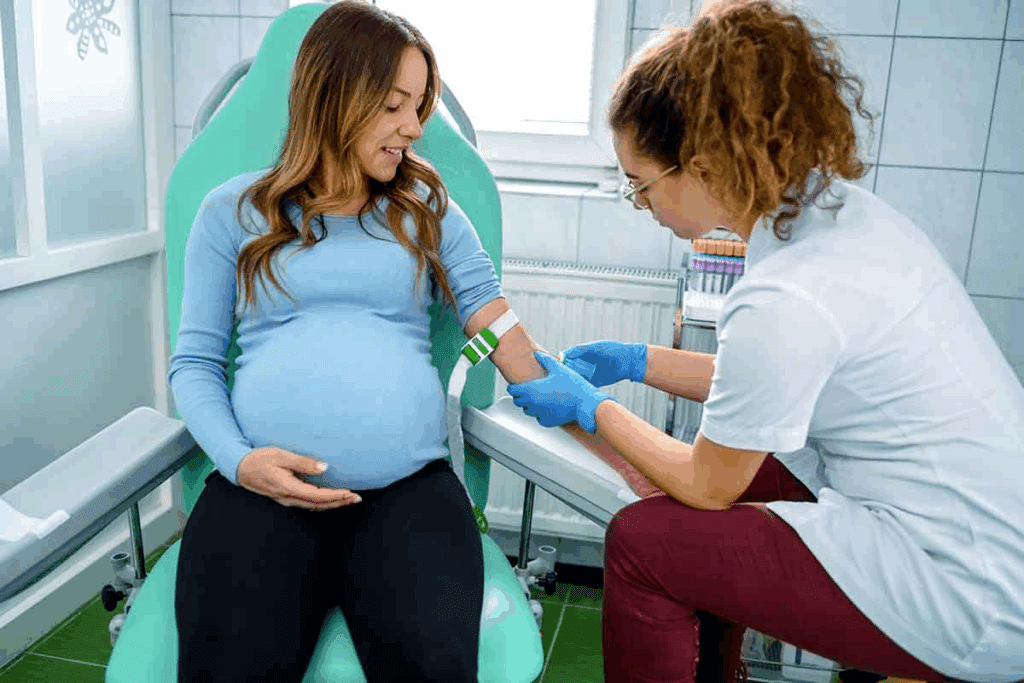
Expecting parents want to make informed decisions about their healthcare. Knowing how accurate genetic testing during pregnancy is is key. Understanding the different types and accuracy rates of genetic testing after pregnancy or later in the pregnancy.
Prenatal genetic testing has made big strides. We now have non-invasive tests that are very accurate. Non-invasive prenatal testing (NIPT) can spot Down syndrome and other major chromosomal issues with about 99% accuracy.
There are many testing options for pregnant women. We’ll look at these options and their accuracy. This will help expecting parents make better choices.
Key Takeaways
- Prenatal genetic testing has evolved significantly, providing high accuracy rates.
- NIPT achieves approximately 99% accuracy in detecting Down syndrome.
- Multiple testing options are available throughout pregnancy.
- Understanding the accuracy of genetic testing is key for expecting parents.
- Genetic testing can start before conception through carrier screening.
The Evolution of Prenatal Genetic Testing

Prenatal genetic testing has changed a lot over the years. It now helps us find genetic issues during pregnancy in new ways. We’ve moved from old methods to more precise and accurate ones.
From Traditional to Modern Testing Methods
Old screening methods were good for their time but had big flaws. They often got things wrong, with errors ranging from 5% to 50%. Now, we use non-invasive prenatal testing (NIPT) with cell-free fetal DNA.
This new method is way more accurate for spotting big chromosomal issues like trisomy 21, 18, and 13. It has greatly improved how well we can find these problems. This means parents-to-be get more accurate info about their baby’s health.
What Genetic Tests Can Detect During Pregnancy
At first, prenatal tests were just for finding trisomy 21, or Down syndrome. But now, they can find many more genetic issues. They can spot chromosomal problems, sex issues, and some microdeletions.
This wider range of detection helps doctors give better care and support to parents. It’s a big step forward in helping families prepare for their baby’s arrival.
Genetic Testing Before Pregnancy: Carrier Screening
[Add image here]
Genetic testing before pregnancy is key for those planning to have a child. Carrier screening checks if someone carries a gene linked to certain conditions. It’s done on people who don’t show symptoms yet.
Purpose and Process of Pre-Conception Testing
Carrier screening aims to see if a person might pass on genetic diseases to their kids. It’s done before trying to conceive. This way, parents-to-be can make smart choices about having a child.
The test is simple, using a blood sample or cheek swab. It looks for specific genetic changes.
Accuracy Rates of Carrier Screening
Carrier screening is very accurate, usually between 95% to 99%. For example, it’s very good at finding carriers of cystic fibrosis. Here’s a table showing accuracy for some common tests.
| Condition | Accuracy Rate |
|---|---|
| Cystic Fibrosis | 95-99% |
| Sickle Cell Disease | 95-98% |
| Tay-Sachs Disease | 99% |
Making Informed Family Planning Decisions
Carrier screening helps parents-to-be understand genetic risks. This knowledge lets them plan their family better. They might choose to use donor eggs or sperm, or prepare for a child with a condition.
Genetic counseling is often suggested. It helps couples grasp their test results and what they mean for their family plans.
Genetic testing before pregnancy is very helpful for those planning a family. It lets them know about genetic risks. This way, they can prepare for a healthy pregnancy and make smart choices about their family.
Non-Invasive Prenatal Testing (NIPT): 99% Accuracy for Major Conditions
Non-Invasive Prenatal Testing (NIPT) is a new prenatal screening. It checks the mother’s blood for cell-free fetal DNA. This helps find chromosomal problems in the baby.
How Cell-Free Fetal DNA Testing Works
NIPT looks at the DNA in the mother’s blood. This DNA comes from the placenta. It helps screen for genetic issues.
Key aspects of NIPT include:
- Analyzing cell-free DNA in the mother’s blood
- Screening for chromosomal abnormalities such as trisomy 21 (Down syndrome), trisomy 18 (Edwards syndrome), and trisomy 13 (Patau syndrome)
- Providing a risk assessment, not a definitive diagnosis
Detection Rates for Trisomy 21, 18, and 13
NIPT is very accurate. It finds Down syndrome and other major chromosomal issues with about 99% accuracy. Here are the detection rates:
- Trisomy 21 (Down syndrome): 99% detection rate
- Trisomy 18 (Edwards syndrome): 97-98% detection rate
- Trisomy 13 (Patau syndrome): 92-95% detection rate
When NIPT Can Be Performed
NIPT can start as early as 10 weeks. It’s a good choice for early screening. Its accuracy gets better as pregnancy goes on.
Limitations and False Positive Considerations
NIPT is very accurate but not perfect. It can give false positives. If this happens, more tests like amniocentesis or CVS might be needed.
Things like the mother’s age, weight, and if she’s carrying twins can affect the test’s results.
It’s important for expectant parents to know both the good and bad of NIPT. This helps them make smart choices about their prenatal care.
Traditional Screening Methods and Their Accuracy Limitations
Genetic testing during pregnancy has changed a lot. Old methods are now being checked for how well they work. These traditional methods used to be key in prenatal care but have big limits in finding genetic problems.
First Trimester Combined Screening
The first trimester combined screening uses ultrasound and blood tests. It looks for risks of Down syndrome and other chromosomal issues. But, it’s not as accurate as newer genetic tests.
Quad Screening in Second Trimester
Quad screening is done in the second trimester. It checks four substances in the blood. It can spot some chromosomal problems but often gives false positives.
Understanding the 5-50% Misdiagnosis Rates
Older blood tests can miss or wrongly diagnose problems 5% to 50% of the time. This big range comes from different tests and who they’re used on. Such errors cause worry, extra tests, and higher costs.
Why Modern Testing Has Largely Replaced These Methods
New genetic tests like NIPT and amniocentesis are now preferred. They’re more accurate and have fewer false positives. These new tests have changed prenatal care, giving clearer info on the baby’s health.
| Screening Method | Detection Rate | False Positive Rate |
|---|---|---|
| First Trimester Combined Screening | 80-90% | 5% |
| Quad Screening | 70-80% | 10-15% |
| NIPT | 99% | <1% |
As we keep improving prenatal genetic testing, knowing the old methods’ limits is key. Even though they helped, moving to better tests is a big step forward in prenatal care.
“The introduction of non-invasive prenatal testing has revolutionized the field of prenatal diagnosis, providing a highly sensitive and specific test for common aneuploidies.”— Medical Expert. Norton, Obstetrics & Gynecology
Diagnostic Procedures: Achieving 99.9% Accuracy
Expectant parents want to know about their baby’s health. Diagnostic tests like amniocentesis and CVS are the best way to get this information. These tests are very accurate, with rates over 99%.
Amniocentesis: Procedure, Timing, and Accuracy
Amniocentesis takes a sample of amniotic fluid between weeks 15 and 20. This fluid has cells from the fetus. It can check for genetic problems like Down syndrome with 99.9% accuracy.
Chorionic Villus Sampling (CVS): Procedure, Timing, and Accuracy
CVS is done earlier, between weeks 10 and 13. It takes a small piece of the placenta. This test also checks for genetic issues with 99% to 99.9% accuracy.
Comparing Diagnostic vs. Screening Tests
Diagnostic tests give a clear answer, unlike screening tests. Screening tests show a risk, but diagnostic tests confirm it. This makes them more reliable.
Associated Risks and Considerations
Even though these tests are accurate, they can have risks. There’s a small chance of miscarriage, less than 1% for both tests. Parents should talk to their doctor about these risks and the benefits of testing.
Factors Affecting Genetic Testing Accuracy
Genetic testing accuracy can be influenced by several factors. These include maternal, gestational, and technical aspects. Knowing these factors helps in understanding test results and making better decisions.
Maternal Age and Weight
Maternal age is a key factor in genetic testing, like Non-Invasive Prenatal Testing (NIPT). As women get older, the chance of chromosomal issues grows. Maternal weight also matters, as higher weights might lower the fetal DNA fraction. This could affect NIPT results.
Gestational Age at Time of Testing
The timing of testing is also vital. NIPT is most precise after 10 weeks of pregnancy. Before then, the fetal DNA fraction might be too low, leading to wrong results.
Twin or Multiple Pregnancies
Genetic testing in twin or multiple pregnancies is more complex. NIPT can be used, but it might not be as accurate. In these cases, more detailed testing is often suggested for better results.
Technical and Laboratory Factors
Technical and laboratory aspects are also important. The quality of the lab, the equipment, and the protocols used can affect results. Choosing a well-respected lab is key to getting accurate genetic testing.
Genetic Testing After Pregnancy: Implications and Follow-Up
Genetic testing after pregnancy can change how we care for newborns and plan future pregnancies. It’s important to understand these changes to make good decisions for our babies and future children.
Newborn Screening Programs
Newborn screening programs find genetic disorders early. These programs are key to catching conditions that might not show up right away but can affect health later. For example, PKU and congenital hypothyroidism can be found early, helping prevent serious health problems.
Confirming Prenatal Test Results
Genetic testing after birth also checks prenatal test results. This step is vital to make sure prenatal tests were correct. It helps doctors give new parents clear advice and support.
| Prenatal Test | Postnatal Confirmation | Implications |
|---|---|---|
| Non-Invasive Prenatal Testing (NIPT) | Diagnostic testing after birth | Confirms presence of genetic conditions |
| Chorionic Villus Sampling (CVS) | Amniocentesis or postnatal testing | Validates CVS results for genetic conditions |
Planning for Future Pregnancies Based on Results
Genetic testing after pregnancy helps plan for future babies. Knowing genetic factors can help families decide on future pregnancies and reproductive choices. Genetic counseling is key in this, helping understand risks and implications of genetic conditions.
Genetic testing after pregnancy is complex but very important for families. By understanding newborn screening, confirming prenatal tests, and planning for future pregnancies, we can support families better.
The Critical Role of Genetic Counseling Throughout the Process
Genetic counseling is key for expectant parents. It offers guidance and support during a complex and emotional time.
Pre-Test Counseling: Understanding Options and Limitations
Genetic counseling starts with pre-test counseling. Counselors explain the testing options and what these tests can and can’t do. This first talk is important for setting the right expectations and making informed choices.
Post-Test Counseling: Interpreting Results
After the test, post-test counseling helps understand the results. Counselors explain the findings in a caring way. They answer any questions or concerns the parents might have. This step is key to grasping the test’s implications.
“Genetic counseling is not just about explaining test results; it’s about supporting families through the journey, providing emotional support, and helping them make informed decisions.” — A Genetic Counselor
Emotional Support and Decision-Making Assistance
Genetic counseling plays a big role in emotional support for expectant parents. Counselors are trained to handle sensitive topics. They offer a safe space for parents to talk about their feelings and concerns. They also help with decision-making, guiding parents based on their test results.
| Timing | Role of Genetic Counseling |
|---|---|
| Before Testing | Understanding options and limitations |
| After Testing | Interpreting results, emotional support |
| Throughout Pregnancy | Ongoing support and decision-making assistance |
When Counseling Is Most Beneficial
Genetic counseling is most helpful when it’s part of the whole process. It’s best from before testing to after the results. This way, expectant parents get the support they need at every step.
By adding genetic counseling to their care, expectant parents can feel more confident and clear about the genetic testing process.
Conclusion
Genetic testing during pregnancy has changed how we check on a baby’s health. It gives parents important info about their baby’s well-being. We’ve looked at different tests, like non-invasive prenatal testing (NIPT) and amniocentesis.
These tests are getting better, with NIPT spotting major problems 99% of the time. Other tests are also very accurate, often over 99%. This means we can find genetic issues early, helping parents make good choices.
Genetic testing is a key part of pregnancy care. Knowing what tests are available helps us understand prenatal care better. We also stress the need for genetic counseling to support parents through this time.
In short, genetic testing during pregnancy is getting more precise and easy to get. It helps parents know more about their baby’s health. As we keep improving, we’re dedicated to top-notch healthcare for everyone, including international patients.
FAQ
How accurate is genetic testing during pregnancy?
Genetic testing’s accuracy varies by test type. Non-invasive prenatal testing (NIPT) is very accurate, around 99%, for major chromosomal issues like trisomy 21, 18, and 13. Tests like amniocentesis and CVS are almost 100% accurate.
What is the difference between screening tests and diagnostic tests?
Screening tests, like NIPT, give a risk estimate but aren’t definitive. Diagnostic tests, such as amniocentesis and CVS, give a clear diagnosis but have a small risk of complications.
When can I do genetic testing during pregnancy?
You can do genetic testing at different times. NIPT is available from about 10 weeks. CVS can be done between 10.5-13.5 weeks, and amniocentesis after 15 weeks.
What is genetic counseling, and why is it important?
Genetic counseling offers emotional support and explains testing options. It helps understand test results. It’s key before, during, and after testing for informed choices.
Can I do genetic testing before getting pregnant?
Yes, you can do carrier screening before pregnancy. It checks for genetic mutations that could be passed to the baby. It’s about 95-99% accurate.
What are the limitations of traditional screening methods?
Traditional screening methods have a higher risk of misdiagnosis, 5-50%. Modern tests are more accurate and have replaced these older methods.
What factors can affect the accuracy of genetic testing?
Accuracy can be affected by maternal age, weight, and gestational age. Twin or multiple pregnancies and technical factors also play a role.
What are the implications of genetic testing after pregnancy?
Genetic testing after pregnancy can affect newborn screening and future pregnancy planning. It confirms prenatal results and helps with family planning.
How does NIPT work, and what does it detect?
NIPT analyzes DNA in the mother’s blood to detect chromosomal conditions like trisomy 21, 18, and 13. It’s very accurate and can be done from about 10 weeks.
What are the risks associated with diagnostic tests like amniocentesis and CVS?
Tests like amniocentesis and CVS have a small risk of complications, like miscarriage. But they are very accurate and provide a clear diagnosis.
References
National Center for Biotechnology Information. Prenatal Genetic Testing: Accuracy for Informed Decisions. Retrieved from https://pubmed.ncbi.nlm.nih.gov/25111119/).