

Knowing what glucose levels are normal during pregnancy is key for a healthy mom and baby. Gestational diabetes mellitus (GDM) hits about 2-10 percent of all pregnancies. It’s usually found between 24 and 28 weeks of pregnancy.Learn the precise upper and lower limits of the gestational diabetes test range for accurate screening and diagnosis during pregnancy.
The American College of Obstetricians and Gynecologists and the American Diabetes Association agree. Normal fasting blood glucose levels during pregnancy should be 95 mg/dL or less. Keeping glucose levels healthy is essential for a good pregnancy.
We know how important it is to guide pregnant women on glucose testing and gestational diabetes. Our approach is patient-focused. We use trusted medical knowledge and detailed screening to help pregnant women feel confident about their glucose tests.
Key Takeaways
- Normal fasting glucose levels during pregnancy are 95 mg/dL or less.
- GDM affects 2-10% of pregnancies, diagnosed between 24-28 weeks.
- Understanding glucose test results is key for a healthy pregnancy.
- Comprehensive screening protocols help manage glucose levels.
- Clear guidance on glucose testing supports pregnant women.
Understanding Blood Glucose Regulation During Pregnancy

Pregnancy makes managing blood sugar harder because of hormonal and physical changes. As the pregnancy goes on, the body’s glucose management gets worse.
How Hormonal Changes Affect Insulin Sensitivity
Hormonal shifts in pregnancy change how well the body uses insulin. The placenta makes hormones like human placental lactogen, which makes the body less responsive to insulin. This means the body needs to make more insulin to keep blood sugar levels right.
Insulin resistance is a natural part of pregnancy. It helps make sure the fetus gets enough glucose. But, it can make it harder for the mother to control her blood sugar.
The Placenta’s Role in Glucose Metabolism
The placenta does more than just separate the mother from the fetus. It also affects how the body uses glucose. It makes hormones that increase insulin resistance, helping control the glucose the fetus gets.
Human placental lactogen is a hormone linked to insulin resistance. Knowing its role is key to managing blood sugar during pregnancy.
Why Blood Sugar Monitoring Becomes Critical
With big changes in glucose use during pregnancy, checking blood sugar is very important. Regular checks help spot any problems early. This way, we can act fast to avoid serious issues.
For pregnant people, keeping blood sugar in check is essential. It’s good for both the mother and the baby. We’ll talk more about gestational diabetes and how to manage it later.
What is Gestational Diabetes Mellitus?
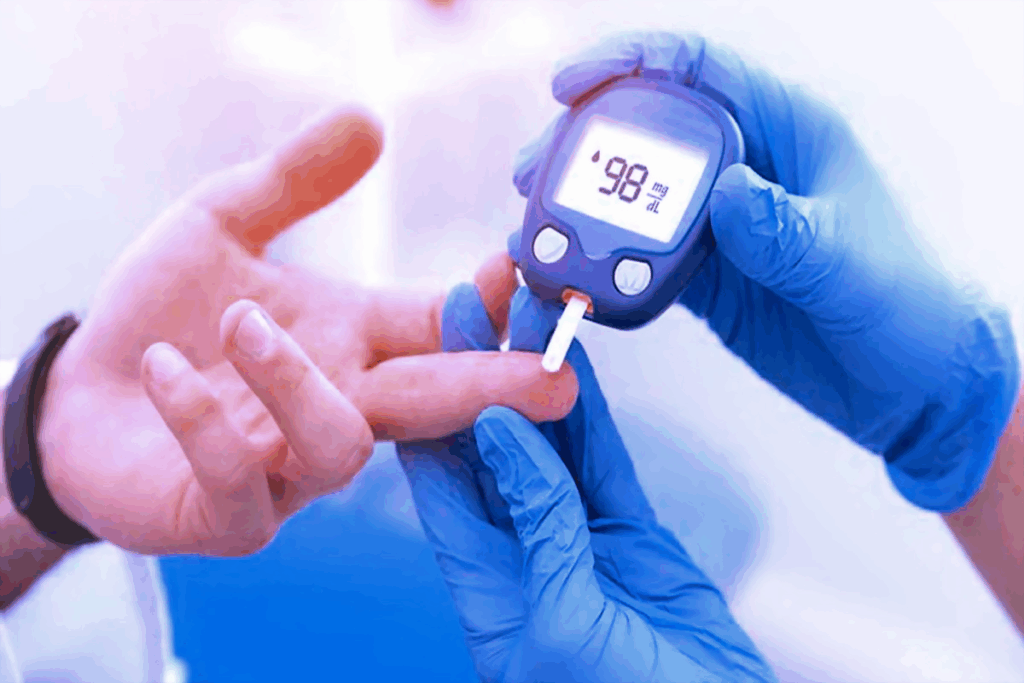
Gestational diabetes mellitus is a common condition in pregnancy. It needs careful management to keep both mother and baby healthy. We will look into what GDM is, its prevalence, and risk factors.
Definition and Prevalence Rates
Gestational diabetes mellitus (GDM) is a diabetes type that happens during pregnancy. It shows up in the second or third trimester. It’s marked by high blood sugar levels that can harm both mother and baby.
GDM affects about 2-10% of all pregnancies. But, this number can change worldwide because of different populations and how diabetes is diagnosed.
Common Risk Factors for Developing GDM
Several things can make a woman more likely to get gestational diabetes mellitus. These include a family history of diabetes, obesity, and having had GDM before. Other factors are advanced maternal age and certain ethnic backgrounds.
- A family history of diabetes
- Obesity
- Previous history of GDM
- Advanced maternal age
Distinguishing GDM from Pre-existing Diabetes
It’s important to tell GDM apart from pre-existing diabetes. Pre-existing diabetes is type 1 or type 2 diabetes that was there before pregnancy. GDM, by contrast, starts during pregnancy, often because of hormonal changes and insulin resistance.
Getting the right diagnosis is key for proper care and management.
Normal Glucose Levels Throughout Pregnancy
Glucose levels change a lot during pregnancy, in each trimester. Knowing these changes helps manage blood sugar well. We’ll look at the normal glucose ranges for each trimester. This will help expectant mothers keep their glucose levels healthy.
First Trimester Baseline Measurements
In the first trimester, baseline glucose measurements are taken. Normal fasting blood glucose levels should be 95 mg/dL or less. These levels are a starting point for glucose monitoring later in the pregnancy.
Keeping glucose levels in the normal range in the first trimester is key. It helps avoid gestational diabetes and other pregnancy issues.
Second Trimester Expected Ranges
In the second trimester, glucose levels can change due to hormonal shifts and insulin resistance. Normal glucose levels are generally:
Time | Normal Glucose Level (mg/dL) |
Fasting | 95 or less |
1 hour after meal | 140 or less |
2 hours after meal | 120 or less |
These ranges help spot any glucose level changes. This allows for early action if needed.
Third Trimester Typical Fluctuations
In the third trimester, glucose levels can change a lot due to insulin resistance. Normal fasting glucose levels stay around 95 mg/dL or less. Postprandial levels can vary. It’s important to watch these levels closely to manage gestational diabetes and ensure a healthy pregnancy.
By knowing the normal glucose ranges for each trimester, expectant mothers can manage their blood sugar better. This reduces the risk of complications and supports a healthy pregnancy.
When and Why Glucose Testing Occurs During Pregnancy
Knowing when and why glucose testing happens is key for pregnant women. It’s mainly to find gestational diabetes mellitus (GDM). This condition can affect both mom and baby if not handled right.
Standard Screening Timeline
The American College of Obstetricians and Gynecologists suggests testing between 24 and 28 weeks. This time is best because insulin sensitivity drops in the second half of pregnancy. The 28-week glucose test is a standard procedure for most pregnant women. It helps spot those at risk of gestational diabetes.
Early Screening for High-Risk Patients
Some women are at higher risk for gestational diabetes and get tested early. This includes those with a history of GDM, being overweight, or having a family history of diabetes. Early testing helps catch and manage gestational diabetes early, lowering risks.
Follow-up Testing Protocols
If the first test shows high blood sugar, more tests are needed. This usually means a glucose tolerance test to confirm gestational diabetes. Follow-up testing protocols are key to finding the right treatment and keeping mom and baby healthy.
Understanding glucose testing during pregnancy helps expectant mothers through prenatal care. It’s a vital part of managing gestational diabetes and ensuring a healthy pregnancy.
The Glucose Challenge Test Explained
Expectant mothers need to know about the glucose challenge test. It’s key for spotting gestational diabetes early. This test checks how well the body handles blood sugar after drinking a glucose-rich drink.
The 50-Gram Test Administration Process
The test involves drinking a 50-gram glucose solution. It’s given between 24 and 28 weeks of pregnancy. Some high-risk patients might get it earlier. The good news is, you don’t need to fast before the test.
Key aspects of the test administration include:
- The patient drinks the glucose solution within a specified time frame, usually 5 minutes.
- Blood glucose levels are measured after one hour.
- No special preparation is required, but patients should be aware that the glucose solution is quite sweet.
Normal Results
A normal result means your blood sugar is 140 mg/dL or less one hour after drinking the solution. This shows your body is handling the glucose well.
What Happens When Results Are Elevated
If your blood glucose is over 140 mg/dL, it means your body might not be managing glucose right. You’ll need more tests to check for gestational diabetes mellitus (GDM).
Test Result (mg/dL) | Interpretation | Next Steps |
≤ 140 | Normal | No further action required for GDM screening |
> 140 | Abnormal | Proceed with further glucose tolerance testing |
An elevated result doesn’t mean you definitely have gestational diabetes. It just means you need more tests to be sure.
Understanding the Gestational Diabetes Test Range
Expectant mothers need to know about the gestational diabetes test range. This is to manage their condition well. Gestational diabetes mellitus (GDM) is when blood sugar levels are high during pregnancy. Knowing the test ranges is key for diagnosing and managing GDM.
American College of Obstetricians and Gynecologists Guidelines
The American College of Obstetricians and Gynecologists (ACOG) has guidelines for GDM. They say normal fasting blood glucose levels should be 95 mg/dL or less. It’s important to screen for GDM between 24 and 28 weeks of pregnancy.
- Screening usually involves a 50-gram glucose challenge test.
- If the test shows high levels, a 100-gram oral glucose tolerance test (OGTT) follows.
- For the 100-gram OGTT, normal results are:
- Fasting: 95 mg/dL or less
- 1-hour: 180 mg/dL or less
- 2-hour: 155 mg/dL or less
- 3-hour: 140 mg/dL or less
American Diabetes Association Diagnostic Criteria
The American Diabetes Association (ADA) also has criteria for GDM. They agree with ACOG on the 100-gram OGTT thresholds. The ADA also suggests using either a one-step or two-step approach for screening.
The one-step approach uses a 75-gram OGTT. The thresholds are:
- Fasting: 92 mg/dL or more
- 1-hour: 180 mg/dL or more
- 2-hour: 153 mg/dL or more
How to Interpret Your Test Results
Understanding your gestational diabetes test results can be tricky. If your results are high, it doesn’t always mean you have GDM. Your healthcare provider will look at your medical history and overall health too.
If you’re diagnosed with GDM, working with your healthcare team is key. This might include:
- Checking your blood glucose levels often
- Changing your diet to control blood sugar
- Adding safe physical activity to your day
By knowing the gestational diabetes test range and working with your healthcare provider, you can manage GDM well. This ensures a healthy pregnancy for you.
The 3-Hour Oral Glucose Tolerance Test
The 3-hour oral glucose tolerance test (OGTT) is key in pregnancy. It checks how well the body handles blood sugar. This test helps find gestational diabetes mellitus (GDM).
Preparation Requirements and Test Protocol
Before the test, patients must fast for at least 8 hours. They should eat a balanced diet and limit carbs to get accurate results.
The test involves several steps:
- An initial blood sample is taken to measure fasting blood glucose levels.
- The patient then consumes a 100-gram glucose solution within a specified timeframe.
- Subsequent blood samples are taken at 1-hour, 2-hour, and 3-hour intervals after consuming the glucose solution.
The 100-Gram Glucose Administration
The 100-gram glucose solution is a key part of the 3-hour OGTT. This drink has a precise amount of glucose. It helps healthcare providers see how well the body handles glucose during pregnancy.
“The glucose solution used in the 3-hour OGTT is designed to challenge the body’s ability to regulate blood sugar levels, providing valuable insights into glucose metabolism during pregnancy.”
Normal Values at Fasting, 1-Hour, 2-Hour, and 3-Hour Intervals
To find GDM, doctors compare blood glucose levels at each interval. The table below shows the normal values:
Time Interval | Normal Value (mg/dL) |
Fasting | 95 |
1-Hour | 180 |
2-Hour | 155 |
3-Hour | 140 |
If two or more values are above these levels, GDM might be diagnosed.
The 2-Hour 75-Gram Oral Glucose Tolerance Test
The 2-hour 75-gram OGTT is a key test for diagnosing gestational diabetes. It’s recognized worldwide for its role in checking how well the body handles glucose during pregnancy.
International Adoption of the 75-Gram Test
The 75-gram OGTT is a popular choice globally for diagnosing gestational diabetes mellitus (GDM). Health organizations worldwide use it as a standard test.
Even though different countries might tweak the test a bit, its core purpose stays the same. It’s all about checking how well the body can handle glucose.
Test Procedure and Patient Experience
The 2-hour 75-gram OGTT involves several steps:
- Patients fast overnight before the test.
- A baseline blood glucose measurement is taken.
- Then, they drink a 75-gram glucose solution.
- Blood glucose levels are checked again after 1 and 2 hours.
Patients might feel a bit uncomfortable due to the glucose’s sweetness and the blood draws. But, most people find it manageable.
Normal Ranges and Diagnostic Criteria
The criteria for diagnosing GDM with the 75-gram OGTT can vary. But, a common threshold is a 2-hour glucose level of 153 mg/dL or higher.
Time | Normal Glucose Level (mg/dL) |
Fasting | Less than 92 |
1 hour | Less than 180 |
2 hours | Less than 153 |
Knowing these values is key for both healthcare providers and patients. It helps in making informed decisions about pregnancy care.
Managing Blood Glucose After Diagnosis
After getting a gestational diabetes diagnosis, you need to make some changes. You’ll need to eat differently, move more, and check your blood sugar often. This helps keep you and your baby healthy.
Nutritional Strategies for Blood Sugar Control
Eating right is key to managing blood sugar. Eat a balanced diet with lots of whole foods like veggies, fruits, whole grains, lean proteins, and healthy fats. Watch your carb intake and choose foods with more fiber and lower glycemic index.
- Choose whole grains over refined grains.
- Incorporate a variety of colorful vegetables into your meals.
- Opt for lean protein sources like poultry, fish, and legumes.
- Limit your intake of sugary drinks and foods high in added sugars.
Safe Exercise Guidelines During Pregnancy
Exercise is also very important. It helps keep your blood sugar in check and makes you feel good. Try safe activities like brisk walking, swimming, or prenatal yoga.
- Consult with your healthcare provider before starting any new exercise routine.
- Aim for at least 150 minutes of moderate-intensity aerobic exercise per week.
- Incorporate strength training exercises into your routine, focusing on major muscle groups.
Remember, it’s important to listen to your body and adjust your exercise plan as needed.
Blood Glucose Monitoring Techniques
Checking your blood sugar regularly is essential. Use a glucose meter to track your levels at different times. This includes when you’re fasting and after eating.
- Keep a log of your blood glucose readings to identify patterns.
- Adjust your diet and exercise plan based on your glucose readings.
- Work closely with your healthcare provider to fine-tune your management plan.
By following these tips on nutrition, exercise, and monitoring, you can manage your blood sugar well. This will help you have a healthy pregnancy.
Conclusion: Maintaining Healthy Glucose Levels for Mother and Baby
Keeping glucose levels healthy is key for a good pregnancy. It’s important to know what normal levels are and what gestational diabetes mellitus (GDM) is. This knowledge helps keep both mom and baby safe.
We talked about how to control blood sugar during pregnancy. We also looked at the dangers of GDM and how to test for it. This helps in managing glucose levels.
Knowing the gestational diabetes test range is vital. It helps expectant mothers avoid problems and have a healthy pregnancy. Following advice from groups like the American College of Obstetricians and Gynecologists is important.
Good nutrition, safe exercise, and checking blood sugar often are key. These steps help manage glucose levels. We suggest that expectant mothers work with their doctors to create a plan for healthy glucose levels.
FAQ
What are normal glucose levels during pregnancy?
Glucose levels change during pregnancy. In the first trimester, they should be under 92 mg/dL when fasting. In the second and third trimesters, fasting levels should be under 95 mg/dL. Postprandial levels should be under 140 mg/dL at 1 hour and under 120 mg/dL at 2 hours.
When do you get results of the glucose test during pregnancy?
You’ll get the glucose challenge test results quickly, in a few hours to a day. If you need a 3-hour OGTT, results might take a few days.
How does a 3-hour glucose test work?
The 3-hour OGTT starts with a 100-gram glucose drink after fasting. Blood glucose is checked at fasting, 1-hour, 2-hour, and 3-hour marks. Normal values are fasting under 95 mg/dL, 1-hour under 180 mg/dL, 2-hour under 155 mg/dL, and 3-hour under 140 mg/dL.
What is the gestational diabetes test range?
The test range is set by the American College of Obstetricians and Gynecologists and American Diabetes Association. For the 3-hour OGTT, two or more abnormal values mean you have gestational diabetes.
How do you interpret pregnancy glucose test results?
Compare your test results to normal ranges. For the 3-hour OGTT, two or more values above the thresholds mean you have gestational diabetes. Your healthcare provider will talk about the results and what to do next.
What are the normal values for the 75-gram OGTT during pregnancy?
Normal values for the 2-hour 75-gram OGTT are fasting under 92 mg/dL, 1-hour under 180 mg/dL, and 2-hour under 153 mg/dL. If you have one or more abnormal values, you have gestational diabetes.
How can I manage my blood glucose levels after being diagnosed with gestational diabetes?
Manage your blood glucose with a balanced diet, monitoring carbs, and safe exercise like walking. Regularly check your blood glucose. Your healthcare provider may suggest more support or changes to your treatment plan.
What is the difference between the 50-gram glucose challenge test and the 3-hour OGTT?
The 50-gram glucose challenge test screens for gestational diabetes by measuring blood glucose 1 hour after a glucose drink. If it’s high, you’ll have a 3-hour OGTT to confirm the diagnosis.
Are there any specific dietary recommendations for managing gestational diabetes?
Yes, eat a balanced diet rich in whole foods, fiber, and nutrients. Watch your carb intake and spread it out to keep blood glucose stable.
Can exercise help manage gestational diabetes?
Yes, regular exercise like walking can improve insulin sensitivity and manage gestational diabetes. Always check with your healthcare provider before starting or changing your exercise routine during pregnancy.
References
National Center for Biotechnology Information. Polymenorrhea: Causes and Concerns Regarding Frequent Menstruation. Retrieved from https://www.ncbi.nlm.nih.gov/books/NBK545196/