Last Updated on November 27, 2025 by Bilal Hasdemir

Getting a diagnosis of Gleason 8 prostate cancer can feel scary. But knowing about your scores, PSA levels, and biopsy results is key to managing your treatment.
At Liv Hospital, we take a team approach to care. A Gleason score of 4+4 means your cancer is aggressive. It often comes with high PSA levels, around 23 ng/mL.
It’s vital to grasp your biopsy results and PSA levels to choose the right treatment. You might need surgery, radiation, or hormone therapy. This therapy blocks testosterone, which can make the cancer grow.
Key Takeaways
- Understanding your Gleason score and PSA levels is key to picking the right treatment.
- Gleason 8 prostate cancer is considered high-risk and aggressive.
- Treatment options include surgery, radiation therapy, and hormone therapy.
- A team approach is used to give you the best care.
- Liv Hospital is dedicated to top-notch, ethical, and patient-focused cancer care.
Understanding the Gleason Scoring System

Knowing about the Gleason score is key for those with prostate cancer. It’s a way to grade cancer based on how much it looks like normal prostate cells.
How Prostate Cancer Is Graded
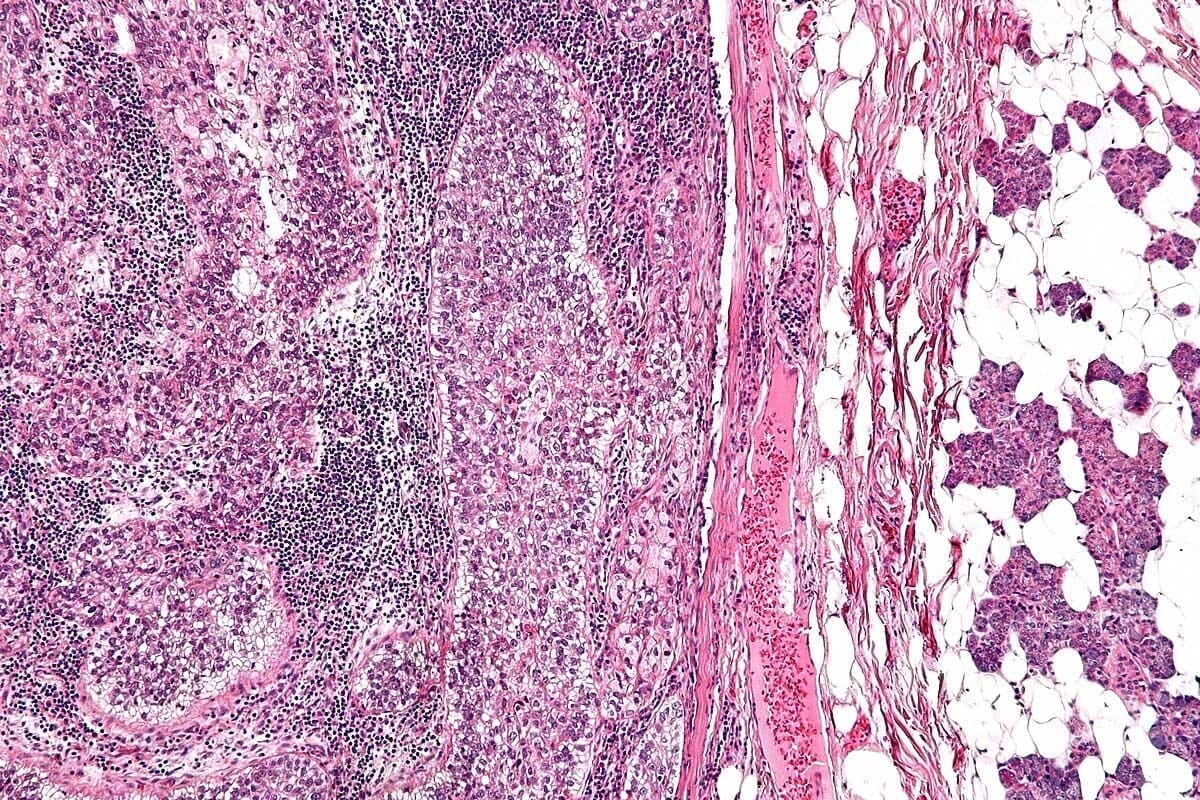
Doctors grade prostate cancer by looking at cancer cells under a microscope. The Gleason score is a mix of the two main cell patterns in the tumor. These patterns range from 1 (most like normal cells) to 5 (most abnormal).
The primary pattern is the most common in the tumor. The secondary pattern is the second most common. For instance, a Gleason score of 4+4=8 means both patterns are grade 4. This shows a high-grade cancer.
The Significance of Primary and Secondary Patterns
The primary and secondary patterns are key to the Gleason score. This score shows how aggressive the cancer is. A higher score means the cancer is more aggressive and might need stronger treatments.
| Gleason Score | Cancer Aggressiveness | Typical Treatment Approach |
|---|---|---|
| 2-6 | Low | Active surveillance or surgery |
| 7 | Moderate | Surgery or radiation therapy |
| 8-10 | High | Aggressive treatment, including multimodal therapy |
The Gleason scoring system is a key tool for doctors to plan treatment for prostate cancer patients. By understanding the Gleason score, patients can grasp their diagnosis and the treatment plan better.
Gleason 8 Prostate Cancer: Characteristics and Significance

Gleason 8 prostate cancer is a serious condition with aggressive tumors. It gets this score when both the primary and secondary Gleason patterns are 4. This shows a very aggressive form of the disease.
At our institution, we know how critical it is to accurately diagnose and manage Gleason 8 prostate cancer. Our team of experts is committed to giving personalized care to those with high-grade prostate cancer.
The 4+4 Pattern Explained
The 4+4 Gleason pattern means both the primary and secondary patterns of the tumor are grade 4. This shows a more aggressive cancer than lower Gleason scores.
Key characteristics of the 4+4 pattern include:
- Highly aggressive tumor behavior
- Increased likelihood of cancer spread
- Potential for rapid progression
Histological Features of High-Grade Disease
High-grade prostate cancer, like Gleason 8, has distinct features. These include:
- Poorly differentiated tumor cells
- Abnormal glandular structures
- Increased mitotic activity
Understanding these features is key for effective treatment plans. At Liv Hospital, our pathologists work closely with our urologists and oncologists. This ensures patients get care tailored to their needs.
We use advanced diagnostic techniques and personalized treatment to improve outcomes for Gleason 8 prostate cancer patients.
PSA Levels Associated with Gleason 8 Diagnosis
PSA levels are key in diagnosing and managing Gleason 8 prostate cancer. At our institution, we’ve seen that Gleason 8 patients often have high PSA levels. These levels suggest the disease’s aggressive nature.
Typical PSA Ranges in High-Risk Disease
Studies show Gleason 8 patients usually have higher PSA levels. Their median PSA is about 23 ng/mL, showing a more aggressive disease. We use this to guide treatment and assess risk.
Knowing typical PSA ranges in high-risk disease is vital for doctors. High PSA levels at diagnosis mean a higher risk of disease coming back and spreading. This highlights the need for strong treatment plans.
PSA Velocity and Doubling Time
We also look at PSA velocity and doubling time to gauge Gleason 8 cancer’s aggressiveness. PSA velocity is how fast PSA levels change over time. Doubling time is how long it takes for PSA to double. These help us tailor treatments to each patient.
By examining PSA velocity and doubling time, we gain insight into the disease’s behavior. This detailed approach helps us offer personalized care to Gleason 8 patients.
Intermediate-Risk Prostate Cancer: Gleason 7 Patterns
A Gleason score of 7 means you have intermediate-risk prostate cancer. It’s important to know the details of your cancer to choose the right treatment.
Adenocarcinoma Gleason 7: Clinical Implications
Adenocarcinoma is the most common prostate cancer type. A Gleason score of 7 shows it’s moderately aggressive. Clinical implications include looking at different treatment options. These might be active surveillance, surgery, or radiation therapy.
The difference between Gleason 3+4 and 4+3 matters a lot. Gleason 3+4 means a less aggressive disease than 4+3. This is because 3+4 has a primary pattern of 3.
Gleason Score 3+4 vs. 4+3: Critical Differences
The numbers in Gleason scores tell us about the cancer’s biology. Gleason 4+3 tumors have more of the aggressive pattern 4. This means they might grow faster and could be more serious.
Knowing these differences helps patients and doctors make better choices. At Liv Hospital, we create personalized treatment plans. These plans are based on your unique needs and cancer details.
Very High-Risk Disease: Understanding Gleason 9 and 10
Patients with Gleason 9 or 10 prostate cancer are at high risk. They need aggressive treatments. Liv Hospital offers detailed care for these aggressive cancers.
Patterns 4+5 and 5+4 Explained
Gleason scores of 9 and 10 show patterns 4+5 or 5+4. This means the cancer is very aggressive. Pattern 4+5 has grade 4 as the main pattern and grade 5 as the secondary. 5+4 has grade 5 as the main and grade 4 as the secondary.
Knowing these patterns helps us choose the right treatment. A grade 5 pattern, whether main or secondary, means a higher risk of the cancer spreading. We create treatment plans that fit each patient’s needs, using different therapies to fight the disease.
Prostate Cancer 9 Out of 10: Survival Considerations
Survival for Gleason 9 or 10 prostate cancer depends on many factors. We look at PSA levels, biopsy results, and if the cancer has spread. This helps us decide the best treatment.
Aggressive treatments like surgery, radiation, and hormone therapy are often needed. At Liv Hospital, we make treatment plans that meet each patient’s needs. Our goal is to improve survival chances and quality of life.
Understanding Gleason 9 and 10 cancers helps us face their challenges. Our team is here to provide expert care and support during treatment.
How to Read Your Prostate Biopsy Report
It’s important to understand your prostate biopsy report. At Liv Hospital, we help our patients make sense of their results. We work together to create a treatment plan that fits your needs.
Key Components and Terminology
Your biopsy report has key parts that tell you a lot about your health. The Gleason score shows how aggressive the cancer is. It also tells you how much of the prostate is affected by cancer.
Other important terms you might see include:
- Primary and secondary patterns: These are part of the Gleason score, showing the cancer’s growth.
- Perineural invasion: This means if cancer has spread to the nerves around the prostate.
- Extraprostatic extension: It shows if cancer has moved beyond the prostate gland.
Knowing these terms helps you understand your diagnosis better. It also helps you see what treatment options you have.
Prostate Level 7: Anatomical Significance in Biopsy
Prostate level 7 is a specific part of the prostate gland checked during the biopsy. The prostate is divided into zones, and the report will say which zones were tested. It will also tell you if cancer was found there.
The importance of prostate level 7 is its closeness to important structures. Knowing how much cancer is there is key to choosing the right treatment.
At Liv Hospital, our team is here to help you understand your biopsy results. We focus on your medical and emotional well-being. We guide you through your treatment journey with care and compassion.
Perineural Invasion in Prostate Cancer
Perineural invasion is when cancer cells wrap around nerves. This is a big worry in prostate cancer. Doctors can spot it through biopsies and scans. Knowing about it helps plan treatment and guess how well a patient will do.
Definition and Identification Methods
Perineural invasion means cancer cells are in the nerve sheath or around the nerve. It’s seen when looking at prostate biopsy samples. Finding perineural invasion is key to knowing how far cancer has spread and what treatment to use.
Here are ways to find perineural invasion:
- Looking at biopsy samples under a microscope
- Scans like MRI to see how far it has spread
Impact on Treatment Planning and Prognosis
Perineural invasion changes how doctors plan treatment and what the future looks like for prostate cancer patients. Research shows it means cancer might spread more and could be harder to treat.
| Feature | Impact of Perineural Invasion |
|---|---|
| Treatment Planning | Changes whether to use surgery or radiation |
| Prognosis | Means cancer might get worse faster |
| Risk Assessment | Shows cancer might be more aggressive |
At our place, we really look at perineural invasion when making treatment plans for prostate cancer patients. Our team works together to give care that fits each patient’s needs.
Treatment Strategies for High-Risk Gleason 8 Disease
Patients with high-risk Gleason 8 prostate cancer face unique challenges. At our institution, we focus on a patient-centered approach. We tailor treatment plans to meet each person’s needs and health status.
High-risk Gleason 8 prostate cancer needs a detailed treatment plan. Our team of experts works together. They use the latest in prostate cancer treatment to create a personalized plan for each patient.
Multimodal Treatment Approaches
For high-risk Gleason 8 prostate cancer, a multimodal treatment is often recommended. This might include surgery, radiation therapy, and other treatments as needed. It’s a way to manage the disease effectively.
Our team considers many factors when planning treatment. These include the patient’s health, the disease’s extent, and their preferences. By using multiple treatments, we aim to improve outcomes and quality of life.
Surgery vs. Radiation Therapy Considerations
The choice between surgery and radiation therapy depends on several factors. These include the patient’s health and personal preferences. Both treatments have their benefits and risks, which we carefully weigh.
Surgery, or prostatectomy, removes the prostate gland. It’s often chosen for localized disease. Radiation therapy uses high-energy rays to kill cancer cells. It can be used alone or with other treatments. Our specialists help patients choose the best treatment for them.
We consider each patient’s disease and needs to provide personalized care. This approach helps address the complexities of high-risk Gleason 8 prostate cancer.
Prognostic Factors Beyond Gleason Score
The Gleason score is key in predicting prostate cancer outcomes. Yet, other factors also play a big role. Understanding prostate cancer fully means looking at many prognostic signs.
Tumor Volume and Extraprostatic Extension
Tumor size and how far it has spread are key in planning treatment. A bigger tumor often means a higher risk of the disease getting worse. If the cancer has spread outside the prostate, it changes treatment options and how we see the disease’s future.
“Accurate assessment of tumor volume and extraprostatic extension is critical for the best treatment plan.” Our team uses the latest diagnostic tools to check these factors. We then create a treatment plan that fits each patient’s needs.
Molecular and Genetic Markers
Molecular and genetic markers help us understand prostate cancer better. They tell us how aggressive the disease is and how well it might respond to treatment. Some genetic changes mean a higher risk of the disease getting worse, while others suggest a better outlook.
Studies show these markers can make treatment planning more precise. A study in PMC11186860 found they improve how well we predict outcomes and tailor treatments.
At Liv Hospital, we use the latest in molecular and genetic markers to customize care. By combining these tools with our expertise, we offer care that meets each patient’s unique needs.
Conclusion: Navigating a High-Risk Prostate Cancer Diagnosis
Getting a high-risk prostate cancer diagnosis can be tough. But, with the right support and care, patients can handle their treatment journey well. At Liv Hospital, we know how important it is to give patients the best care for high-risk prostate cancer.
We have a team that works together to help patients. They get the latest treatments and support, making their journey easier. Our team is there to guide them with care and expertise.
Understanding your diagnosis and treatment options is key. We offer advanced medical treatments and support to international patients. This helps them make informed choices about their care.
We use the latest research and technologies to give personalized care. This care meets the unique needs of each patient.
Our focus is on giving patients the best care for high-risk prostate cancer. We work with patients and their families to improve treatment results and quality of life. Our dedication to top-notch healthcare and support for international patients is strong.
FAQ
What is the Gleason scoring system, and how is it used to assess prostate cancer?
The Gleason scoring system grades prostate cancer by looking at cancer cells under a microscope. It uses the primary and secondary patterns of cell growth. This helps determine the Gleason score, which guides treatment choices.
What does a Gleason score of 8 mean, and what are its implications?
A Gleason score of 8, like 4+4, shows a high-grade prostate cancer. This cancer is aggressive. It often has higher PSA levels and more severe biopsy findings, needing aggressive treatment.
How do PSA levels relate to Gleason 8 prostate cancer, and why are they important?
Patients with Gleason 8 prostate cancer usually have higher PSA levels. Watching PSA velocity and doubling time helps see how aggressive the disease is. This guides treatment choices.
What is the difference between Gleason score 3+4 and 4+3, and how do these differences impact treatment?
Scores of 3+4 and 4+3 both equal a Gleason score of 7. But, they mean different things for treatment and prognosis. A 4+3 score means the cancer is more aggressive because it has more of the aggressive pattern.
What is perineural invasion in prostate cancer, and how does it affect treatment planning?
Perineural invasion means cancer cells are around or along nerves in the prostate. It shows a higher risk of spreading the disease. This might change treatment plans, possibly making them more aggressive or using more than one approach.
How is a prostate biopsy report interpreted, and what information is critical for understanding the results?
Understanding a prostate biopsy report means knowing the Gleason score, tumor extent, and other details. A prostate level 7 is a specific area sampled during the biopsy. Knowing its importance helps assess the disease’s extent.
What treatment strategies are available for high-risk Gleason 8 prostate cancer?
For Gleason 8 prostate cancer, a mix of treatments might be suggested. This could include surgery, radiation therapy, and other therapies as needed. The choice between surgery and radiation depends on the patient’s health and what they prefer.
What prognostic factors beyond the Gleason score are considered in prostate cancer management?
Other factors like tumor volume, how far the cancer has spread, and molecular and genetic markers are also important. They help refine the prognosis and guide treatment planning.
How does Liv Hospital approach the treatment of prostate cancer, particular for international patients?
At Liv Hospital, we use a team approach for a complete care plan tailored to international patients. Our team is dedicated to creating personalized treatment plans. We use the latest in prostate cancer management.
References
- American Association for Cancer Research. What Is a Gleason Score for Prostate Cancer? May 22 2025. https://www.aacr.org/blog/2025/05/22/what-is-a-gleason-score-for-prostate-cancer/
- Prostate Cancer Patient Voices. Gleason Score 8. https://prostatecancerpatientvoices.com/diagnosis/understanding-your-results/gleason-scores/gleason-score-8
- N.B. (author). Prognosis of Gleason score 8 prostatic adenocarcinoma in … PubMed Central, PMC11186860. https://pmc.ncbi.nlm.nih.gov/articles/PMC11186860/ (PMC)
- American Cancer Society. Stages for prostate cancer. https://www.cancer.org/cancer/types/prostate-cancer/detection-diagnosis-staging/staging.html