Last Updated on November 27, 2025 by Bilal Hasdemir

Glioblastoma is a terminal brain cancer that brings big challenges in its final stages. We know how vital it is to offer full care and support during this tough time. At Liv Hospital, we help patients and their families deal with the complex symptoms and emotional hurdles they face.
In the terminal glioblastoma prognosis, patients often see a deep decline in their brain function. This includes getting confused, having seizures, trouble swallowing, and losing bladder control. We aim to give top-notch healthcare and full support to international patients. We want to help families give comfort and dignity to their loved ones at the end.
Key Takeaways
- Understanding the 10 key end-of-life symptoms to expect during the final stages of glioblastoma.
- Guidance on navigating the challenging journey and providing comfort and dignity.
- Comprehensive care and support for patients and families.
- Profound neurological decline, including confusion and seizures.
- Importance of palliative care in managing symptoms and improving quality of life.
What Makes Glioblastoma a Terminal Brain Cancer

To understand why glioblastoma is seen as terminal, we must look at its aggressive traits and the hurdles they create.
Aggressive Nature and Growth Patterns
Glioblastoma grows fast and spreads, making it a very dangerous brain cancer. Its growth is so aggressive that it can spread into the brain’s surrounding tissue. This makes it hard to remove the tumor completely.
- Rapid cell division
- Infiltration into surrounding brain tissue
- Resistance to conventional therapies
Survival Statistics and Prognosis
Even with new treatments, glioblastoma’s outlook is grim. Most patients live between 14 to 16 months after being diagnosed.
| Survival Period | Percentage of Patients |
|---|---|
| 1-year survival | 40% |
| 2-year survival | 15% |
| 5-year survival | 5% |
These numbers show the urgent need for better glioblastoma treatments. Knowing the survival rates and prognosis helps patients and their families prepare for what’s ahead.
Understanding Glioblastoma Final Stages
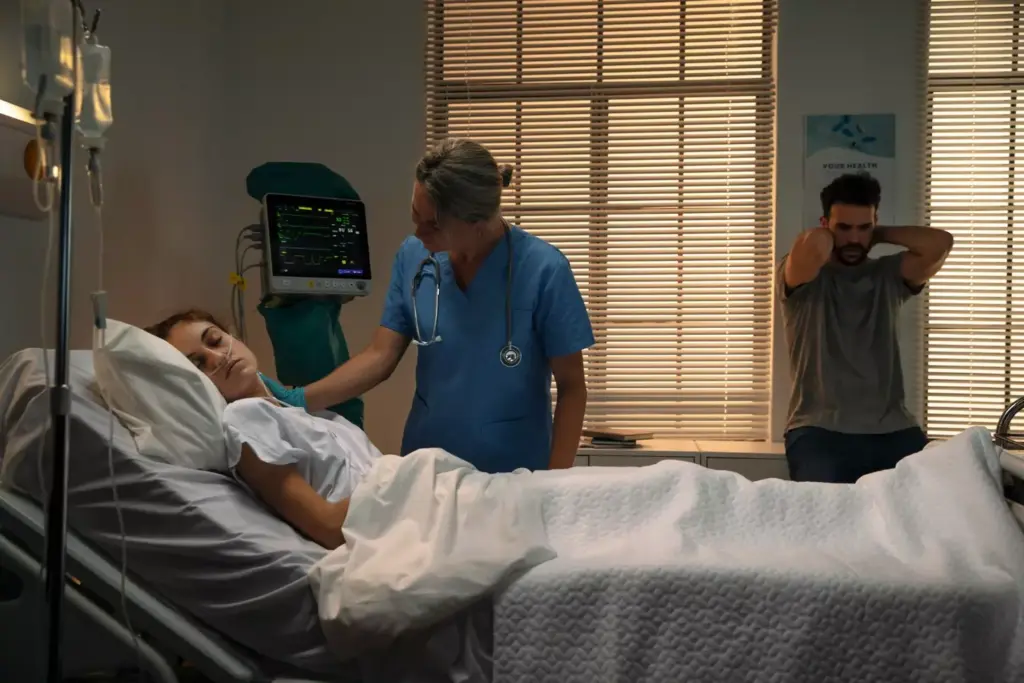
Knowing about the final stages of glioblastoma is key for patients and their caregivers. It helps them get ready for what’s coming. As glioblastoma reaches its end stages, it causes a big drop in brain function. This affects many parts of a person’s life.
Timeline of Disease Progression
The speed at which glioblastoma grows can differ from person to person. Usually, it moves fast after diagnosis. People often live between 12 to 18 months, but it can vary. This depends on treatment success and the patient’s health.
Key factors influencing disease progression include:
- Tumor size and location
- Patient’s age and overall health
- Response to treatment
What to Expect After Stage 4 Surgery
After stage 4 surgery, patients might feel a mix of relief and worry. Surgery can lessen some symptoms by shrinking the tumor. But, glioblastoma is very aggressive, and it will likely keep growing.
Common challenges after stage 4 surgery include:
- Increased weakness or paralysis
- Cognitive changes or confusion
- Seizures or other neurological events
To understand symptoms better in glioblastoma’s final stages, look at this table:
| Symptom | Prevalence | Management Approaches |
|---|---|---|
| Cognitive Decline | 80-90% | Medication, cognitive therapy, supportive care |
| Seizures | 60-70% | Anticonvulsants, seizure management plans |
| Difficulty Swallowing | 50-60% | Dietary adjustments, feeding tubes |
Symptom 1: Profound Cognitive Decline and Confusion
Profound cognitive decline and confusion are key signs of glioblastoma’s end stage. The tumor’s growth affects a patient’s thinking, memory, and decision-making skills. This can be very hard for patients and their families.
The brain’s decline in glioblastoma’s final stages is mainly because of the tumor’s aggressive growth. It can put pressure on the brain, damage important brain areas, and mess with how the brain works.
How Tumor Progression Affects Cognition
Glioblastoma’s growth can harm brain areas that control thinking, memory, and language. It can also cause swelling and inflammation, making thinking even harder.
Key factors contributing to cognitive decline include:
- Tumor location and size
- Increased intracranial pressure
- Edema and inflammation
- Impact on surrounding brain tissue
Managing Disorientation and Memory Loss
Dealing with disorientation and memory loss in advanced glioblastoma needs a full plan. This includes a supportive setting, memory tools, and ways to make tasks easier and less confusing.
Caregivers can play a big role by setting up a daily routine, cutting down on distractions, and using clear, simple words. Doctors might also suggest medicines to help with symptoms like agitation or aggression that come with thinking problems.
Symptom 2: Seizures and Neurological Events
Neurological events like seizures are common in glioblastoma’s late stages. They pose big challenges for patients and their caregivers. As the tumor grows, seizures can happen more often and be worse, hurting the patient’s quality of life.
Prevalence and Types of Seizures
Seizures are a big problem in glioblastoma’s final stages, affecting up to 65% of patients. These seizures can be different, from simple to complex. It’s important to manage them well to keep patients comfortable and safe.
The type of seizure a patient has can depend on where the tumor is and how much of the brain it affects. Knowing this helps doctors plan the best care.
Medication and Management Approaches
Dealing with seizures in glioblastoma patients needs a team effort. This often includes medicines called antiepileptic drugs (AEDs). Choosing the right AED and how much to take is key. It’s all about finding the right balance between helping the patient and avoiding side effects.
| Medication | Common Use | Considerations |
|---|---|---|
| Levetiracetam | First-line treatment for seizures | Generally well-tolerated, but may cause behavioral changes |
| Valproate | Effective for various seizure types | Potential for drug interactions and hepatotoxicity |
| Lacosamide | Used for focal seizures | May cause dizziness and ataxia |
Other ways to manage seizures include watching for things that might trigger them, making the environment safe, and supporting patients emotionally. A detailed care plan can lessen the effects of seizures and improve care for patients.
Symptom 3: Difficulty Swallowing and Nutritional Challenges
Difficulty swallowing, or dysphagia, is a common symptom in glioblastoma’s advanced stages. It affects up to 65% of patients.
As glioblastoma grows, it can harm the brain tissue around it. This leads to dysphagia. It makes eating and drinking hard, affecting nutrition and quality of life.
Progression of Dysphagia in GBM
Dysphagia gets worse as glioblastoma grows. The tumor can damage brain areas needed for swallowing. This makes swallowing hard to start or coordinate.
It’s important to understand how dysphagia gets worse. Healthcare providers check how well patients can swallow. This helps decide the best treatment.
| Stage | Swallowing Difficulty | Nutritional Impact |
|---|---|---|
| Early | Mild difficulty, occasional choking | Minimal nutritional impact |
| Moderate | Noticeable difficulty, frequent coughing | Moderate nutritional impact, possible weight loss |
| Advanced | Significant difficulty, aspiration risk | Severe nutritional impact, significant weight loss and malnutrition risk |
Feeding Strategies and Interventions
Managing dysphagia in glioblastoma needs a team effort. Healthcare providers suggest different ways to feed patients. This ensures they get enough nutrients.
They might suggest eating softer foods or thickening liquids. In severe cases, feeding tubes are used. The goal is to keep patients nourished and safe from aspiration risks.
Understanding dysphagia’s progression helps healthcare providers. They can improve the quality of life for glioblastoma patients at the end.
Symptom 4: Loss of Mobility and Physical Function
In the final stages of glioblastoma, a notable symptom is the loss of physical function and mobility. This decline can significantly impact a patient’s quality of life. It requires careful management to prevent further complications. As the disease progresses, patients often become increasingly dependent on caregivers for daily activities.
Transition to Bedbound Status
As glioblastoma advances, many patients become bedbound. This means they are confined to their bed and unable to move or walk without assistance. This transition can be challenging for both patients and their families.
Becoming bedbound increases the risk of several complications. These include pressure sores, deep vein thrombosis, and muscle atrophy. Regular repositioning, proper skin care, and physical therapy can help mitigate some of these risks.
Preventing Complications of Immobility
Preventing complications associated with immobility is key in caring for glioblastoma patients. Strategies include:
- Regular turning and repositioning to prevent pressure ulcers
- Range of motion exercises to maintain flexibility and prevent contractures
- Use of compression stockings to reduce the risk of deep vein thrombosis
- Nutritional support to maintain muscle mass and overall health
By implementing these strategies, caregivers can significantly improve the comfort and quality of life for patients with advanced glioblastoma.
Symptom 5: Communication Difficulties and Speech Changes
As glioblastoma gets worse, patients face big communication difficulties. This is hard for them and their families. These problems happen to up to 80% of patients in the final stages.
The tumor affects brain areas for language and speech. This leads to various communication issues. It’s key to understand these changes to support patients well.
Types of Communication Impairments
In the late stages, glioblastoma patients may have different communication impairments. These include:
- Dysarthria: Speech that’s slurred or slow because of muscle weakness or paralysis.
- Aphasia: Trouble finding words, understanding language, or following conversations.
- Cognitive-communication disorders: Issues with organizing thoughts, keeping a conversation on track, or following complex instructions.
These problems come from the tumor’s location and its effect on brain tissue. As the disease gets worse, these symptoms can get worse too. It’s important to change how we communicate to help.
Supporting Communication in Late Stages
Helping patients with glioblastoma end of life symptoms needs a caring and flexible way to communicate. Here are some tips:
- Speak clearly and give the patient time to answer.
- Keep eye contact and use gestures and touch.
- Be patient and understanding when they struggle to find words.
- Try other ways to communicate, like writing or using a board, if needed.
By using these methods, caregivers can help improve supporting communication for patients in the late stages of glioblastoma. This can make their life better and reduce their frustration.
Symptom 6: Changes in Consciousness and Persistent Drowsiness
A common symptom in glioblastoma’s late stages is a change in consciousness. This often comes with persistent drowsiness. Up to 87% of patients see their awareness level change, affecting their life quality and care needs.
Research on Consciousness Changes
Research has uncovered why consciousness changes happen in glioblastoma. Tumors growing and affecting brain tissue lead to less awareness and more sleepiness. This symptom is hard for patients and caregivers, who must adjust their support.
Glioblastoma’s progression causes many changes, including:
- Increased intracranial pressure
- Disruption of normal brain function
- Alterations in neurotransmitter levels
These changes lead to less consciousness and more sleepiness.
Responding to Decreased Awareness
Caregivers and healthcare providers can help patients with decreased awareness:
- Maintain a calm and comforting environment
- Use gentle, reassuring communication
- Ensure the patient’s comfort and manage pain effectively
It’s key to be sensitive and understanding with each patient. Their reactions to care can differ a lot. By being compassionate and adapting to their needs, caregivers can make a big difference.
Symptom 7: Personality and Behavioral Changes
As glioblastoma gets worse, patients often see big changes in their personality and behavior. These changes can upset both the patients and their families. It’s key to understand and manage these changes to give the best care.
Up to 80% of patients in the final stages of glioblastoma show these changes. These changes can really affect the patient’s life and how they connect with their loved ones.
Common Behavioral Manifestations
Behavioral changes in glioblastoma patients can include:
- Agitation and restlessness
- Increased irritability
- Disinhibition, leading to inappropriate behavior
- Apathy and withdrawal
- Changes in emotional expression, such as sudden mood swings
These changes happen because the tumor affects the brain. It messes with areas that control emotions, impulses, and social behavior. Knowing these changes are part of the disease can help families cope.
Supporting Families Through These Changes
Helping families deal with these changes is a big part of care. Here are some ways to do it:
- Education: Teaching families about these changes can help them get ready and respond well.
- Communication: Encouraging families to talk openly about the patient’s condition can create a supportive space.
- Professional Support: Giving families access to counseling or support groups can offer them the help and emotional support they need.
By recognizing the challenges of these changes and using supportive strategies, we can make life better for patients and their families in the final stages of glioblastoma.
Symptom 8: Incontinence and Bodily Function Changes
Glioblastoma in its advanced stages brings distressing symptoms. The eighth symptom is incontinence, along with other bodily function changes. These changes can greatly affect the quality of life for patients and their caregivers.
Incontinence and bodily function changes are common in glioblastoma’s final stages, affecting up to 80% of patients. This symptom is hard for patients and their families and caregivers, who need to provide extra support and care.
Managing Bladder and Bowel Issues
Managing incontinence needs a full approach, including medical help and practical care. Healthcare providers might suggest using adult diapers or other incontinence products. Regular toileting schedules can also prevent accidents.
For bowel issues, keeping a consistent bowel routine is key. This might involve laxatives or stool softeners to avoid constipation. In some cases, rectal suppositories or enemas are needed to manage bowel movements.
| Management Strategy | Description | Benefits |
|---|---|---|
| Regular Toileting | Establishing a routine for bathroom visits | Reduces risk of accidents, promotes dignity |
| Incontinence Products | Using adult diapers or pads | Manages leakage, provides comfort |
| Bowel Routine | Maintaining a consistent schedule for bowel movements | Prevents constipation, reduces incontinence episodes |
Maintaining Dignity and Comfort
Keeping dignity and comfort is key when dealing with incontinence and bodily function changes. Caregivers should be sensitive to the patient’s feelings and privacy. Using protective garments that are discreet and comfortable can help maintain dignity.
“The most important thing is to treat the patient with respect and kindness, even when they’re unable to express themselves.”
Also, making sure patients have access to hygiene facilities and are kept clean and dry can greatly improve their comfort. Emotional support and reassurance are also vital in helping patients cope with these changes.
By understanding and addressing incontinence and bodily function changes, caregivers can offer better support to glioblastoma patients in their final stages. This care approach improves patient comfort and helps maintain their dignity.
Symptoms 9 & 10: Breathing Changes and Terminal Symptoms
As glioblastoma reaches its final stages, patients and caregivers face significant changes. Breathing changes and terminal symptoms are key signs of advanced glioblastoma. Knowing these symptoms is vital for the right care and support.
Recognizing the Final Hours and Days
In the last hours and days, patients and their families face distressing symptoms. Breathing changes are a major concern, including irregular breathing and labored breathing. Understanding these changes helps in managing them well.
For more on managing terminal symptoms, check out resources on terminal restlessness, a common condition in the final stages.
Comfort Measures for End-of-Life Care
Comfort measures are key in caring for glioblastoma patients at the end of life. These include easing pain, managing symptoms, and ensuring comfort and dignity. Comfort measures might include adjusting medications and providing emotional support.
Caregivers are essential in this process. They should be attentive to the patient’s needs and work with healthcare professionals for the best care.
By understanding and recognizing glioblastoma’s final symptoms, caregivers and healthcare providers can offer better support. This improves the quality of life for patients in their final days.
Conclusion: Navigating the Final Journey with Compassion
When dealing with glioblastoma’s final stages, compassion and support are key. This disease is terminal, and knowing the symptoms is vital for quality care.
We’ve looked at symptoms like cognitive decline, seizures, and swallowing issues. Managing these symptoms is critical for the best end-of-life care.
As patients approach the end, we must focus on dignity and comfort. This includes managing pain, ensuring nutrition, and addressing emotional and spiritual needs. This way, we can support them and their families with compassion.
Understanding glioblastoma’s final stages and the need for end-of-life care is important. Our aim is to offer top-notch healthcare and support to international patients. We’re dedicated to caring for those on this challenging journey.
FAQ
What are the final stages of glioblastoma?
In the final stages of glioblastoma, people often lose physical and mental abilities. They might feel confused, have seizures, and struggle to swallow. They may also lose mobility and have changes in their level of consciousness.
Is glioblastoma a terminal diagnosis?
Yes, glioblastoma is a terminal illness. It grows quickly and is hard to treat, making it very challenging to cure.
What is the survival rate for glioblastoma patients?
The survival rate for glioblastoma patients depends on several factors. These include age, health, and how well they respond to treatment. Generally, the outlook is not good, with most people living about 15 months after diagnosis.
What to expect after stage 4 glioblastoma surgery?
After surgery for stage 4 glioblastoma, patients face many challenges. They might experience a decline in thinking and physical abilities. They could also have seizures and trouble swallowing. It’s important to be ready for these changes.
How to manage disorientation and memory loss in glioblastoma patients?
To help glioblastoma patients with disorientation and memory loss, keep their environment calm and familiar. Use tools to help them remember things. Also, offer emotional support to help them feel better.
What are the types of seizures associated with glioblastoma?
Glioblastoma patients can have different kinds of seizures. These include focal, generalized, and status epilepticus seizures. It’s important to get medical help right away to manage these seizures.
How to support communication in late-stage glioblastoma patients?
To support communication in late-stage glioblastoma patients, use simple language and provide visual aids. Be patient and understanding. This helps them communicate better.
What are the comfort measures for end-of-life care in glioblastoma patients?
Comfort measures for glioblastoma patients at the end of life include managing pain and providing emotional support. It’s also important to ensure their dignity and comfort. A team of healthcare professionals often helps with this.
How to recognize the final hours and days of glioblastoma patients?
To recognize the final hours and days of glioblastoma patients, watch for signs like changes in breathing and decreased consciousness. Be ready to provide supportive care during this time.
What is the importance of compassion and support during glioblastoma’s final stages?
Compassion and support are very important during glioblastoma’s final stages. They help patients and their families deal with the challenges and emotional pain of the disease. This ensures they have dignity and comfort.
References
Brainstrust. (2021). End of life care for brain tumour patients [PDF]. Retrieved from https://brainstrust.org.uk/wp-content/uploads/2021/09/end-of-life-care-5.pdf
National Center for Biotechnology Information (NCBI). (2011). Symptoms and problems in the end-of-life phase of high-grade glioma patients (PMC ID: PMC3098016). Retrieved from https://pmc.ncbi.nlm.nih.gov/articles/PMC3098016