Last Updated on November 14, 2025 by
It’s important to know when to check a child’s blood sugar. This is key for managing their diabetes well. Regular checks help keep their blood sugar in the right range, which is good for their growth.
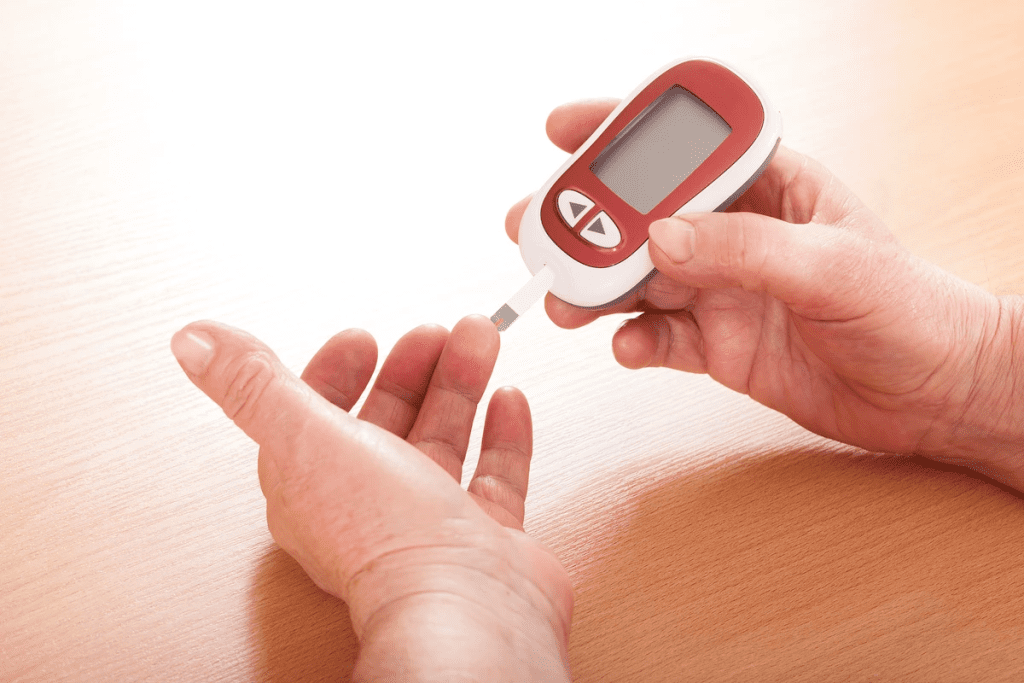
The number of times to check blood sugar changes based on the child’s age, how active they are, and their health. Kids with type 1 diabetes need to check their blood sugar before meals, at night, and before and after they exercise. Their diabetes care team will tell them when to do these checks.Learn when to check glu lvl in kids for safe blood sugar monitoring. Discover the right times and tips for better diabetes care.
Effective diabetes management varies by age, activity, and health status.
Key Takeaways
- Regular blood sugar monitoring is essential for children with diabetes.
- The frequency of checks depends on age, activity level, and health status.
- Diabetes care teams provide personalized guidance on blood sugar checks.
- Typical check times include before meals, at bedtime, and around exercise.
- Maintaining optimal glycemic control is vital for growth and development.
Understanding Blood Sugar Monitoring in Children
It’s key to know about blood sugar levels for kids with diabetes. Checking blood sugar often helps see how food, exercise, and medicine affect it. This info is vital for making smart care choices.
Managing diabetes in kids can be tough, but it’s doable with the right tools and knowledge. Blood sugar monitoring is a big part of managing diabetes. It shows how a child’s body reacts to different things all day.
Why Regular Blood Sugar Monitoring is Essential
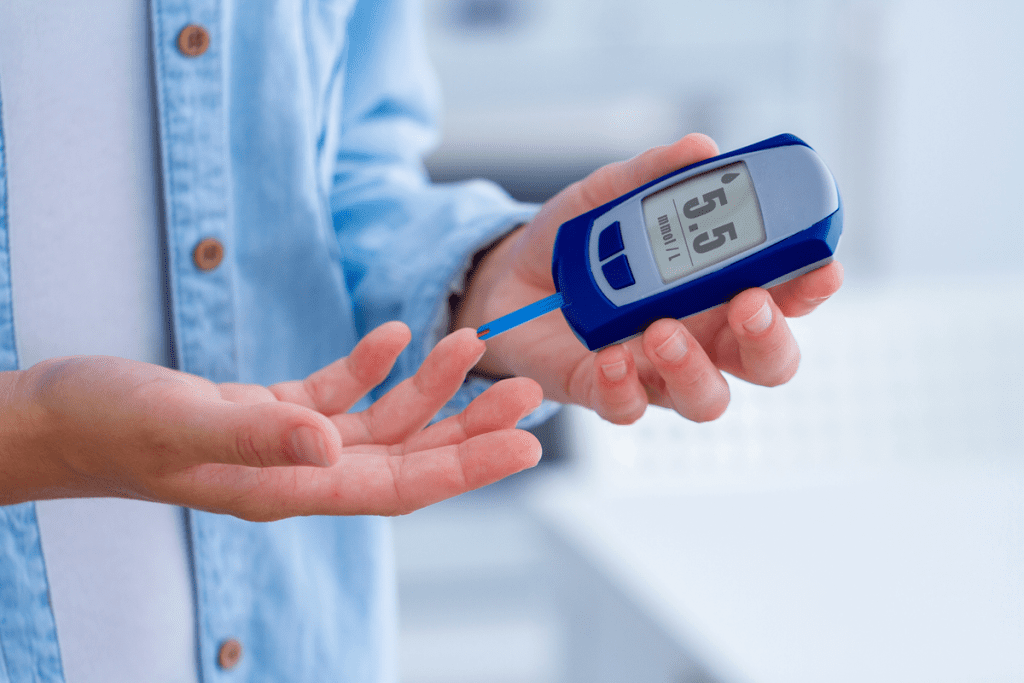
Checking blood sugar often is important. It shows how daily activities affect a child’s blood sugar. By monitoring regularly, we can spot patterns and adjust their diet, exercise, and medicine as needed. This keeps their blood sugar in a healthy range.
Also, regular checks prevent short-term and long-term diabetes problems. It’s a way to actively manage the condition and keep the child healthy.
Different Methods of Checking Blood Glucose
There are two main ways to check blood glucose in kids: blood glucose meters and continuous glucose monitoring systems (CGMS). Blood glucose meters measure glucose in a small blood sample, usually from a finger. CGMS, on the other hand, checks glucose in the fluid just under the skin, giving real-time data and trends.
Blood glucose meters are easy to carry and give quick results, making them good for daily use. CGMS, though, gives a detailed view of glucose levels over time. This is very helpful for managing diabetes well.
Learning how to check blood glucose at home is empowering for parents and caregivers. It’s about picking the best method or a mix that fits the child’s life and needs.
Recommended Frequency of Blood Sugar Checks by Age
As kids grow, how often they check their blood sugar changes. The age of the child is key in deciding how often to check blood sugar levels.
Monitoring Guidelines for Children Under 7
Children under 7 with type 1 diabetes should check their blood sugar 4“6 times a day. But, this might not be enough for very young kids. Their blood sugar can change a lot.
Parents of kids under 7 should talk to their doctor about a custom monitoring plan. For example, a 20-month-old might need to check their blood sugar more often. This is because their blood sugar can change quickly.
Recommendations for School-Age Children
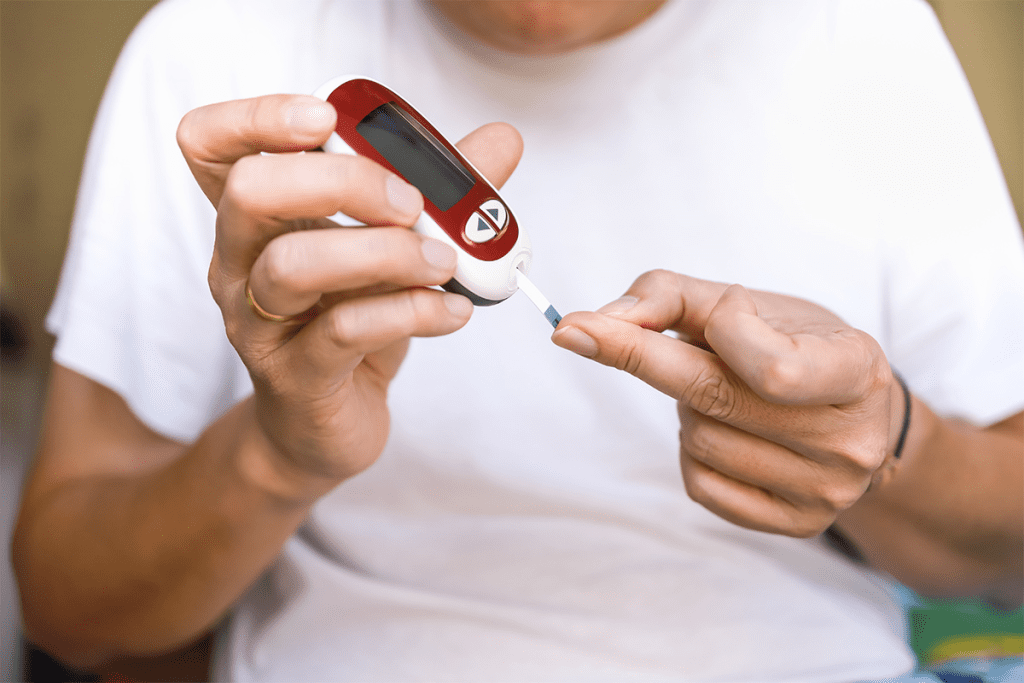
School-age kids need to balance checking their blood sugar with school life. They should check their blood sugar before meals, before and during sports, and at bedtime.
The number of checks can change based on the child’s activity, insulin, and health. Parents and caregivers should talk to the child’s healthcare team to adjust the schedule as needed.
Adolescent Monitoring Considerations
Adolescents with diabetes face special challenges like hormonal changes and different activity levels. They should work with their doctors to create a monitoring plan that fits their lifestyle.
They might need to check their blood sugar more often during illness, growth spurts, or when their insulin changes. It’s also important for them to understand their blood sugar data and make changes as needed.
Key Times to Monitor Your Child’s Glucose Level
It’s important to check your child’s glucose levels at the right times. This helps manage their diabetes well. By checking at specific times, parents can see how their child’s body reacts to food, exercise, and medicine.
Before and After Meals
Checking blood glucose before meals and snacks helps figure out the right insulin dose. It makes sure the glucose level is safe. Also, checking 2“3 hours after meals shows how the body handles the food. This helps parents decide on the best diet and insulin plan for their child.
Before, During, and After Physical Activity
Exercise can change blood glucose levels a lot. Checking glucose before exercise stops hypoglycemia during activity. It’s good to check levels during long exercise too, to keep them safe. After exercise, checking again helps see if more snacks or medicine changes are needed to avoid hypoglycemia later.
Bedtime and Overnight Monitoring
Checking blood glucose at bedtime is key to keeping levels stable at night. For kids who are active or take insulin, overnight monitoring is also important. It catches hypoglycemia during sleep. This gives parents peace of mind and helps adjust treatment plans as needed.
By checking glucose at these times, parents can understand their child’s diabetes better. This helps make informed health choices. Regular checks also spot patterns and guide changes in diet, exercise, and medicine.
- Check blood glucose before meals and snacks.
- Monitor glucose levels 2“3 hours after meals.
- Check before, during (if prolonged), and after physical activity.
- Monitor at bedtime and consider overnight checks, especially after hard activity.
Special Monitoring Situations for Diabetic Children
Managing diabetes in kids is a big job. We must watch their blood sugar closely in certain situations. This is to keep their levels in the normal glucose range.
Blood Sugar Monitoring During Illness
When kids are sick, we need to check their blood sugar often. Illness can change how much insulin they need. It’s important to adjust their insulin doses to keep their sugar levels right.
For more tips on managing diabetes in kids, check out MSD Manuals.
Monitoring During Growth Spurts and Hormonal Changes
Growth spurts and puberty can change how much insulin kids need. As they grow, their bodies change in ways that affect sugar levels. Regular checks help us adjust their insulin to keep their sugar in check.
Travel and Special Occasions
Travel and special events can mess with routine. We must keep an eye on their sugar levels to control it. Changes in diet, activity, and time zones can affect their blood sugar. We need to plan and adjust our monitoring to keep their sugar stable.
Blood Glucose Monitoring for Newborns and Infants
Keeping an eye on blood glucose levels in newborns and infants is key. It’s even more important for those at risk. We must watch their glucose levels closely to avoid hypoglycemia and keep them healthy.
Risk Factors Requiring Early Monitoring
Newborns with certain risk factors need early blood glucose checks. These risks include being born to diabetic mothers, premature birth, or other medical conditions. Early monitoring helps prevent hypoglycemia and keeps their glucose levels safe.
Guidelines suggest keeping glucose levels above 40 mg/dL in the first 24 hours. After that, we aim for levels above 50 mg/dL. This is important for their brain development and health.
Target Glucose Ranges for Newborns
Knowing the right glucose ranges for newborns is vital. We aim to keep their levels in a range that supports their health. For more info on blood glucose in newborns, check out this resource.
Monitoring Techniques for Infants
For monitoring infants, we use methods tailored to their needs. This might include glucose meters for neonatal care or other specialized tools. Our goal is to measure glucose levels accurately while keeping the infant comfortable.
Using these techniques, we can manage glucose levels in newborns and infants well. This ensures their health and sets the stage for their long-term well-being.
Continuous Glucose Monitoring Systems for Children
For kids with diabetes, continuous glucose monitoring (CGM) systems are a big help. They show glucose levels in real time. This lets parents and doctors see trends and make smart choices.
Benefits of CGM for Pediatric Diabetes Management
CGM systems are great for kids with diabetes. They give real-time glucose data every few minutes, day and night. A small sensor under the skin does this.
This constant watch helps in:
- Improving glycemic control
- Reducing the risk of hypoglycemia
- Enhancing flexibility in managing diabetes
With CGM, parents can see how diet, exercise, and sleep affect their child’s glucose.
How to Interpret CGM Data
Understanding CGM data is key. It’s not just about the current glucose level. It’s about the trend and rate of change too.
Healthcare providers can teach parents to:
- Identify trends and patterns in glucose levels
- Make adjustments to diet, exercise, and medication
- Use the data to prevent hypo and hyperglycemic events
Combining Traditional Testing with CGM
Even with CGM, traditional glucose testing is important. It’s for calibration and to confirm readings. This mix ensures accurate monitoring and helps in making treatment plans.
By using both CGM and traditional testing, families get the best of both worlds. They get detailed trend analysis and precise glucose readings when it matters most.
Conclusion: Creating an Effective Blood Sugar Monitoring Plan
It’s key to have a good plan for checking blood sugar in kids with diabetes. Knowing when to check is very important for keeping blood sugar levels right. Parents and doctors work together to make a plan that fits the child’s needs.
Using the right tools to check blood sugar is also important. This way, the plan can change as needed. This teamwork helps the child get the best care possible.
Parents can help their child keep blood sugar in check by knowing when to test. This helps the child stay healthy and active. It’s all about making smart choices for their care.
FAQ
What is the normal glucose range for adults and children?
The normal glucose range changes with age. For adults and kids, a fasting glucose level should be between 70 and 99 mg/dL. Kids with diabetes might have different targets based on their age, activity, and health.
How often should I check my child’s blood sugar levels?
How often to check blood sugar depends on the child’s age and health. Kids under 7 should check 4-6 times a day. Older kids and teens might check more or less, depending on their activity and meal times.
What are the key times to monitor my child’s glucose level?
It’s important to check glucose before and after meals, and before, during, and after exercise. Also, check at bedtime and overnight after hard activity. Always check during illness.
How do I monitor my child’s blood glucose levels at home?
Use a blood glucose meter or a continuous glucose monitoring system (CGM) at home. Talk to your healthcare provider to find the best method for your child.
What is the appropriate sugar level for a child with diabetes?
The right glucose range for a child with diabetes depends on their age and activity. The American Diabetes Association suggests: before meals, 70-130 mg/dL; after meals, less than 180 mg/dL.
How long can a child have diabetes without knowing?
Some kids might not show symptoms, so it’s key to watch for risk factors and get regular check-ups. Type 1 diabetes can start quickly, while type 2 might take years to develop.
What are the benefits of using a continuous glucose monitoring system for my child?
CGMs give real-time glucose data, helping parents and doctors track trends. This leads to better control, less risk of low blood sugar, and more flexibility in managing diabetes.
How do I interpret CGM data for my child’s diabetes management?
Understand the glucose trends and alerts from the CGM. Work with your healthcare provider to use CGM data in your child’s diabetes care plan.
When should I check my child’s blood sugar during illness?
Check blood sugar more often when your child is sick. Illness can change insulin needs. Check often if your child has symptoms like vomiting or fever.
How does travel and special occasions affect my child’s diabetes management?
Travel and special events can upset routines, making it important to monitor blood sugar. Plan, pack supplies, and adjust insulin as needed to keep glucose in check
Reference
ElSayed, N. A., Aleppo, G., Aroda, V. R., Bannuru, R., Brown, F. M., Bruemmer, D., ¦ Wexler, D. J. (2025). 14. Children and Adolescents: Standards of Care in Diabetes”2025. Diabetes Care, 47(Supplement_1), S258“S272. Retrieved from https://diabetesjournals.org/care/article/47/Supplement_1/S258/153946/14-Children-and-Adolescents-Standards-of-Care-in
International Society for Pediatric and Adolescent Diabetes (ISPAD). (2025). Advances in glucose monitoring technologies in pediatric diabetes. Hormone Research in Paediatrics, 97(6), 615“628. Retrieved from https://karger.com/hrp/article/97/6/615/919847/International-Society-for-Pediatric-and-Adolescen