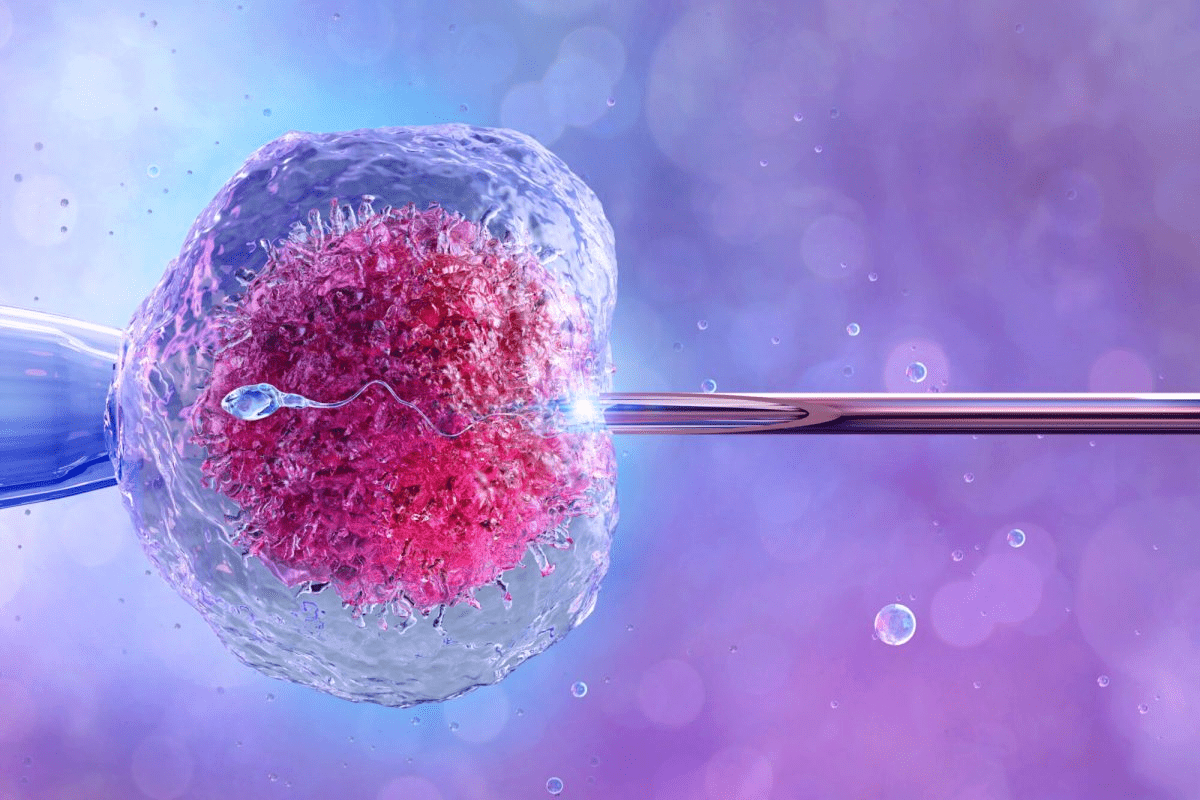
For many couples, gonadotropin injections offer a powerful way to get pregnant faster. These injections are a beacon of hope for those struggling with infertility gonadotropin treatment.
Gonadotropin injections help the ovaries make mature eggs. This boosts the chances of getting pregnant quickly. Studies show that about 90 percent of women treated with these injections for conceiving will ovulate. And 60 to 80 percent will get pregnant within six months.
Learning how to use these injections can greatly improve your chances of getting pregnant. We aim to offer top-notch support and healthcare to patients from around the world. They are looking for advanced medical treatments.
Key Takeaways
- Gonadotropin injections stimulate the ovaries to produce eggs.
- Approximately 90 percent of treated women will ovulate.
- 60 to 80 percent of women achieve pregnancy within six months.
- These injections are a well-established fertility solution.
- Effective use of gonadotropin injections can significantly increase conception chances.
Understanding Gonadotropin Injections for Fertility
Gonadotropins are medicines that have important hormones for ovulation. They help people trying to have a baby. These hormones are key for making the ovaries grow and release eggs, which is important for getting pregnant.
What Are Gonadotropins?
Gonadotropins are two main hormones: Follicle Stimulating Hormone (FSH) and Luteinizing Hormone (LH). They are made by the pituitary gland and are vital for ovulation and fertility. FSH helps the ovaries grow eggs, and LH makes a mature egg come out.
Types of Gonadotropin Medications
There are many types of gonadotropin medicines for fertility. These include:
- Menotropins (hMG): Made from the urine of postmenopausal women, these have both FSH and LH.
- Recombinant FSH: Made through genetic engineering, these have only FSH.
- Recombinant LH: Also made through genetic engineering, these have only LH.
The right gonadotropin medicine depends on the person’s fertility needs and medical history.
How Gonadotropins Differ from Other Fertility Treatments
Gonadotropin injections are different from other fertility treatments like oral medicines (e.g., Clomid). They directly make the ovaries produce many eggs, which increases the chance of getting pregnant. Oral medicines work by changing hormone levels indirectly, but gonadotropins work more directly to help ovulation.
| Fertility Treatment | Mechanism of Action | Primary Use |
|---|---|---|
| Gonadotropin Injections | Directly stimulate ovaries to produce multiple eggs | Stimulating ovulation in women with infertility issues |
| Oral Fertility Medications (e.g., Clomid) | Influence hormone production indirectly to stimulate ovulation | First-line treatment for women with PCOS or unexplained infertility |
| IVF (In Vitro Fertilization) | Retrieve eggs, fertilize in lab, and transfer embryo to uterus | Treatment for various fertility issues, including blocked tubes, male factor infertility |
The Science Behind Gonadotropin Treatment

Gonadotropin injections help with fertility by understanding how hormones control ovulation. These hormones mainly help the ovaries make eggs. We’ll look at how Follicle-Stimulating Hormone (FSH) and Luteinizing Hormone (LH) play a role in this process.
The Role of FSH and LH in Ovulation
FSH and LH are key hormones in making babies. FSH helps grow the eggs in the ovaries. LH makes the egg ready to be released. The body naturally balances these hormones for ovulation. But, some people might need extra help.
Gonadotropin therapy gives FSH and LH to help the ovaries. It’s good for those with fertility problems due to hormone issues or ovulation problems.
How Gonadotropins Stimulate Egg Production
Gonadotropin injections mimic FSH and LH to make the ovaries produce more eggs. This increases the chance of getting healthy eggs for fertilization. It makes it easier to get pregnant.
The treatment starts with daily shots of gonadotropins for 4 to 5 days. Then, blood tests and ultrasound check the egg growth. When the eggs are ready, an HCG shot is given to help them come out at the best time for getting pregnant.
| Aspect | Description |
|---|---|
| Hormones Involved | FSH, LH, and HCG |
| Treatment Duration | Typically 4 to 5 days of injections |
| Monitoring | Blood tests and ultrasound |
| Trigger Shot | HCG to induce ovulation |
Understanding gonadotropin treatment helps people see how it supports their fertility. The careful use of FSH and LH through this therapy can greatly improve the chance of getting pregnant.
Who Should Consider Gonadotropin Therapy
About 15 percent of couples in North America and Europe struggle with infertility. Gonadotropin therapy can help. It involves injections that stimulate the ovaries to produce eggs, boosting the chance of getting pregnant.
Medical Conditions That Respond to Gonadotropins
Gonadotropin therapy is great for women with specific medical conditions that affect fertility. For example, women with polycystic ovary syndrome (PCOS) often have trouble ovulating. This makes it hard to get pregnant. Gonadotropins can help stimulate ovulation, increasing the chances of pregnancy.
Other conditions like hypothalamic amenorrhea and unexplained infertility also respond well. Gonadotropin injections can help regulate ovulation and improve fertility.
When Other Fertility Treatments Have Failed
For couples who have tried other fertility treatments without success, gonadotropin therapy is a good option. Clomiphene citrate and other oral medications may not work for severe cases. Gonadotropin injections are more effective, as they directly stimulate the ovaries to produce multiple eggs.
It’s important to talk to a fertility specialist to find the right treatment. They will look at your situation and suggest gonadotropin therapy if it’s right for you.
Ideal Candidates for Gonadotropin Injections
The best candidates for gonadotropin injections are women with infertility due to ovulation problems or other medical conditions. Women under 35 with unexplained infertility also benefit from this therapy.
A detailed medical check-up is needed to see if you’re a good fit for gonadotropin injections. Your age, medical history, and past fertility treatments will be considered. Our fertility specialists will help you through the evaluation and create a treatment plan just for you.
Preparing for Your Gonadotropin Treatment Cycle
Getting ready for gonadotropin treatment is a big step. It includes medical checks and getting ready personally. Before starting any infertility treatment, both you and your partner need to be checked. This helps find any problems and plan your treatment.
Required Medical Evaluations and Tests
Your doctor will do a transvaginal ultrasound and blood tests before the HCG trigger shot. These steps are key to figuring out the right dose of gonadotropin medication. They also help see how well you’re responding to the treatment.
- Transvaginal ultrasound to check your ovaries and look for any issues.
- Blood tests to check hormone levels, like FSH and LH, which help with ovulation.
- Other tests might be needed based on your health history and first check-up.
Mental and Physical Preparation
Getting gonadotropin shots can be tough on your mind and body. It’s important to get ready mentally and physically for the treatment.
Mental Preparation: Think about counseling or joining support groups to handle the stress of fertility treatments.
Physical Preparation: Keep a healthy lifestyle with a good diet and exercise. This helps your body respond well to the gonadotropin injection.
Creating a Treatment Calendar
A treatment calendar is a great tool for tracking your gonadotropin treatment cycle. It makes sure you don’t miss any important steps. It also helps you stay ready for each part of the treatment.
- Book your first appointment and baseline tests.
- Plan out your treatment cycle, including when to get your shot to induce ovulation.
- Work with your healthcare provider to keep track of your progress and make any needed changes.
By preparing well for your gonadotropin treatment cycle, you can increase your chances of success. Stay informed, stick to your treatment plan, and talk openly with your healthcare provider. This will help you get the best results.
Step-by-Step Guide to Administering Gonadotropin Injections
To use gonadotropin injections for fertility, follow a step-by-step guide. It’s important to administer these injections correctly. This ensures the treatment works well.
Gathering Your Supplies
Before starting your gonadotropin treatment, gather all needed supplies. You’ll need:
- Gonadotropin medication vials
- Bacteriostatic water for injection
- Syringes and needles
- Alcohol swabs
- A sharps container for safe disposal
Make sure you have a clean, comfortable workspace for preparing your injections.
Proper Injection Techniques
Administering gonadotropin injections needs a proper technique. This ensures the medication is delivered effectively. Here’s how to do it:
- Reconstitute the gonadotropin medication by mixing it with bacteriostatic water.
- Draw the correct dose into the syringe.
- Choose an injection site (commonly the abdomen or thigh).
- Clean the injection site with an alcohol swab.
- Insert the needle at a 90-degree angle and administer the medication.
- Dispose of the needle and syringe in the sharps container.
It’s vital to follow the specific instructions from your healthcare provider.
Managing Your Injection Schedule
Daily injections usually last for 4 to 5 days. Then, you’ll have blood tests and ultrasound checks. The HCG trigger shot is given when your biggest follicle is fully mature.
To manage your injection schedule well:
- Keep a calendar or diary to track your injections.
- Set reminders for your daily injections.
- Coordinate with your healthcare provider to adjust your schedule as needed.
Consistency and sticking to your treatment plan are key to success.
Monitoring Your Progress During Treatment
It’s very important to watch how you’re doing during gonadotropin treatment. This helps us make changes to your treatment plan. We want to make sure you have the best chance of getting pregnant.
Blood Tests and Hormone Level Tracking
Regular blood tests are key in tracking your progress. These tests check your hormone levels, like estrogen. This helps us see if the medication is working right.
We can then adjust the amount of gonadotropin you get. This helps avoid problems and boosts your chances of ovulating successfully.
Ultrasound Monitoring of Follicle Development
We also use ultrasound to watch your ovarian follicles grow. Your doctor will check the size of these follicles. This tells us when it’s time for ovulation or other fertility steps.
Signs That the Treatment Is Working
There are clear signs that show the treatment is working. These include higher estrogen levels and growing follicles on ultrasound. Eventually, you’ll ovulate.
Your healthcare team will keep an eye on these signs. They’ll adjust your treatment as needed to help you succeed.
By closely watching your progress, we can make the best decisions for your care. This increases your chances of a successful outcome.
Maximizing Success Rates with Gonadotropin Therapy
To get the most out of gonadotropin therapy, you need a full plan. This includes the right timing and making lifestyle changes. Knowing what makes this treatment work best is key.
Timing Intercourse or Insemination Optimally
Timing is everything with gonadotropin therapy. The human chorionic gonadotropin (HCG) trigger shot starts the ovulation cycle. This sets the best time for trying to conceive.
Couples should watch their ovulation cycle closely. Plan intercourse or insemination around ovulation time. This boosts the chance of getting pregnant.
Combining Gonadotropins with Other Fertility Procedures
Using gonadotropin injections with other fertility methods can help more. For example, IUI or IVF with gonadotropin therapy can increase chances of getting pregnant.
We help patients find the best mix of treatments. This is based on their needs and health history. Tailoring the treatment makes gonadotropin therapy more effective.
Lifestyle Factors That Improve Outcomes
Medical treatment is just part of the equation. Lifestyle choices also play a big role. Eating well, managing stress, and avoiding bad substances can improve fertility.
We suggest a healthy lifestyle for our patients. This includes a good diet, exercise, and stress relief. These changes can boost fertility and help with conception.
Managing Side Effects and Risks
Gonadotropin injections can help you conceive, but they come with side effects and risks. We’ll talk about common side effects, Ovarian Hyperstimulation Syndrome (OHSS), and managing risks of multiple pregnancies.
Common Side Effects of Gonadotropin Injections
Gonadotropin injections are usually safe, but they can cause side effects. You might experience:
- Mild bloating and discomfort
- Mood swings
- Breast tenderness
- Headaches
These side effects are usually mild and go away after treatment. But, tell your doctor if they last or get worse.
Ovarian Hyperstimulation Syndrome (OHSS)
OHSS is a serious risk with gonadotropin injections. It happens when your ovaries get too big and overactive. Symptoms can be mild or severe, like:
- Severe pelvic pain
- Nausea and vomiting
- Rapid weight gain
- Difficulty breathing
Severe OHSS can cause serious problems, like blood clots or kidney failure. It’s important to have your doctor watch you closely to prevent and manage OHSS. They will check your ovaries and blood regularly.
Multiple Pregnancy Risks and Management
Gonadotropin therapy can also increase the chance of having twins or more. This is because it makes your ovaries produce more eggs. Having multiple babies can be risky for both mom and babies, with problems like preterm labor and low birth weight.
To lower this risk, your doctor will closely watch your follicle growth. They might adjust your dosage or stop the cycle if too many follicles grow. Sometimes, they might suggest switching to IUI or IVF to control the number of embryos.
By knowing these risks and working with your doctor, you can reduce complications. This way, you can increase your chances of a healthy pregnancy.
Conclusion: Navigating Your Fertility Journey with Gonadotropins
Gonadotropin injections are a key fertility treatment. They help the ovaries make eggs for conception. We’ve looked at how gonadotropin therapy works, including the roles of FSH and LH in ovulation. This knowledge helps women understand their fertility journey better.
Ovulation induction is a low-intervention way to support fertility. It’s good for cycles that need a little help. Knowing the risks of gonadotropin injections, like OHSS and multiple pregnancies, is key. Regular blood tests and ultrasounds help keep these risks low and increase success chances.
Gonadotropin injections, or fertility shots, are a good choice for women trying to conceive. Combining these injections with other fertility methods and healthy lifestyle choices boosts the chances of a healthy pregnancy.
FAQ
What are gonadotropin injections used for in fertility treatment?
Gonadotropin injections help the ovaries produce more eggs. This increases the chance of getting pregnant.
How do gonadotropins stimulate egg production?
These injections mimic natural hormones FSH and LH. They are key for ovulation and egg growth.
What are the different types of gonadotropin medications?
There are many types, like human menopausal gonadotropin (hMG) and recombinant FSH. They all help stimulate the ovaries.
Who is a good candidate for gonadotropin therapy?
Women with conditions like PCOS or those who haven’t gotten pregnant with other treatments might benefit.
How are gonadotropin injections administered?
They are given under the skin. It’s important to use the right technique for the best results.
What are the common side effects of gonadotropin injections?
Side effects include bloating, mood swings, and reactions at the injection site.
What is the risk of Ovarian Hyperstimulation Syndrome (OHSS) with gonadotropin therapy?
OHSS is a risk. But, checking hormone levels and follicle growth regularly can lower this risk.
Can gonadotropins be combined with other fertility procedures?
Yes, they can be used with IUI or IVF. This can increase the chances of getting pregnant.
How long does it take to see results with gonadotropin therapy?
About 90 percent of women will ovulate. And 60 to 80 percent will get pregnant within six months.
What lifestyle factors can improve outcomes with gonadotropin therapy?
Eating well and exercising regularly can help. These habits can improve your chances of getting pregnant.
How are hormone levels monitored during gonadotropin treatment?
Blood tests are used to check hormone levels. This helps adjust the treatment as needed.
What is the role of ultrasound monitoring in gonadotropin treatment?
Ultrasound checks how follicles are growing. It makes sure the treatment is working right.
References
National Center for Biotechnology Information. Gonadotropin Injections: Accelerating Pregnancy for Couples With Infertility. Retrieved from https://pubmed.ncbi.nlm.nih.gov/28400828/