Last Updated on November 20, 2025 by Ugurkan Demir
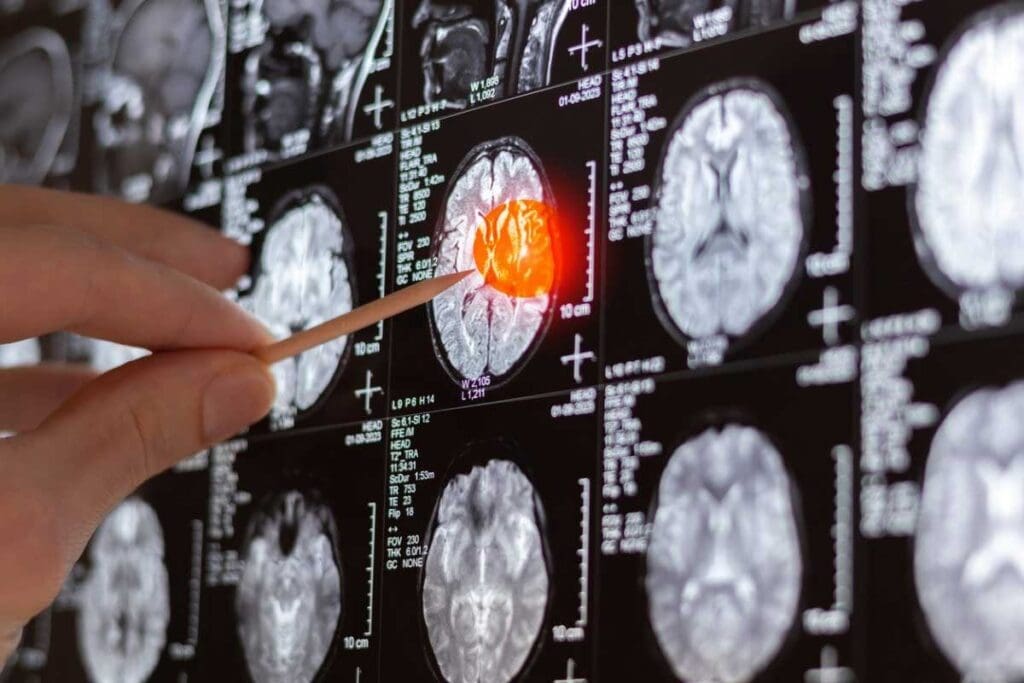
Knowing the prognosis and survival rates for grade 3 primary brain cancer is key for patients and their families. At Liv Hospital, we put patients first. We use top international standards and care with kindness.
Gliomas, a type of brain tumor, are graded based on how aggressive they are. Grade 3 gliomas are very aggressive. This greatly affects survival chances.
The 5-year survival rate for adults with grade 3 primary brain cancer is about 27 percent. The median survival time is often less than two years. We will look at the latest data and insights on brain cancer. This will help us understand this complex disease better.
Key Takeaways
- Grade 3 gliomas are considered high-grade and aggressive.
- The 5-year survival rate for adults is around 27 percent.
- Median survival is often below two years.
- Understanding brain cancer stages is key for patients.
- Liv Hospital offers full care for international patients.
Understanding Brain Cancer Classification
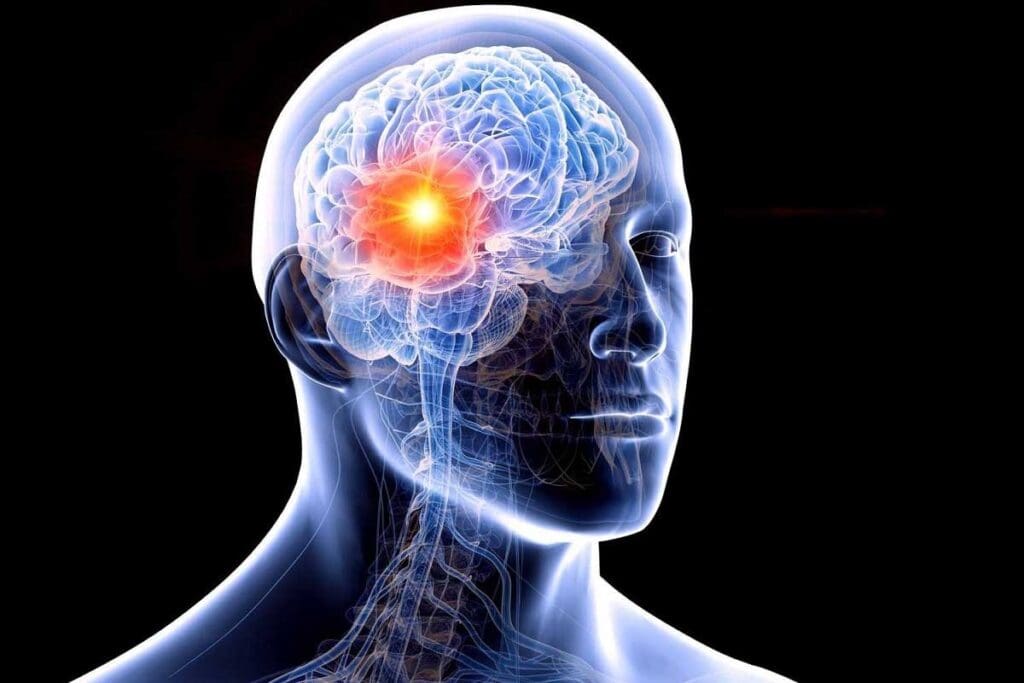
The World Health Organization (WHO) classifies brain tumors based on their look and genetic makeup. This system is key for figuring out the prognosis and treatment for brain cancer patients.
The Difference Between Cancer Stages and Grades
It’s important to know the difference between “stage” and “grade” when talking about brain cancer. These terms are not the same. The grade shows how aggressive a tumor is and how much it looks like normal cells. The stage shows how far the tumor has spread in the brain or body.
Knowing a tumor’s grade and stage helps doctors predict how well a patient will do. The grade is very important for brain tumors because it affects treatment choices and how well a patient might do.
How Brain Tumors Are Classified
The WHO system classifies brain tumors based on their appearance and genetics. It gives a grade from I to IV, with Grade I being the least aggressive and Grade IV the most. Grade III tumors are high-grade, growing fast, and spreading to nearby brain tissue.
The WHO system also looks at the tumor’s molecular makeup, like genetic mutations. This helps doctors give more accurate diagnoses and plan treatments that target the tumor’s specific traits.
Grade 3 Primary Brain Cancer: Definition and Characteristics
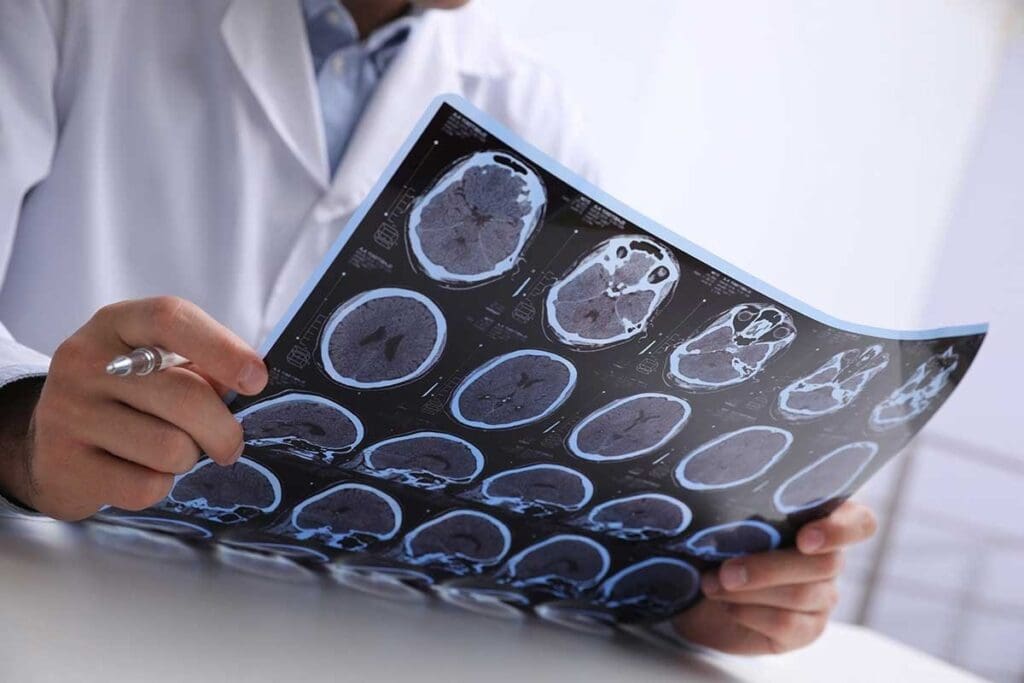
Grade 3 primary brain cancer is a serious type of brain tumor. It grows quickly and can spread to other parts of the brain. This makes it a high-grade cancer.
We will look at what makes grade 3 tumors different. We will also talk about the main types of these brain cancers. This will help us understand this serious condition better.
Histological Features of Grade 3 Tumors
Grade 3 brain tumors have certain features that set them apart. These include more cells, unusual cell shapes, and lots of cell division. The World Health Organization (WHO) uses these features to classify brain tumors.
Key histological features of grade 3 tumors include:
- High cellular density
- Marked nuclear pleomorphism
- Frequent mitotic figures
- Microvascular proliferation
These signs show that the tumor is very aggressive. They also mean the tumor is harder to treat than less severe ones.
Common Types of Grade 3 Brain Malignancies
Grade 3 primary brain cancer includes several types of gliomas. These are anaplastic astrocytoma, anaplastic oligodendroglioma, and anaplastic ependymoma. These tumors grow fast and don’t respond well to treatment.
Anaplastic astrocytomas are a common grade 3 glioma. They grow quickly and can turn into glioblastoma, a grade 4 tumor. Anaplastic oligodendrogliomas are another type. They might respond better to chemotherapy, which can improve their prognosis.
Knowing the exact type of grade 3 brain cancer is key. It helps doctors choose the best treatment and predict how well the patient will do.
Survival Statistics for Grade 3 Primary Brain Cancer
For those with grade 3 primary brain cancer, knowing survival stats is vital. These numbers offer insights into what to expect. They help patients and their families make better choices.
Median Survival Timeframes
The time a patient with grade 3 brain cancer might live varies. This depends on the tumor type and the patient’s health. Knowing these timeframes helps set realistic hopes.
Studies show that high-grade gliomas, like grade 3 tumors, have different survival times. For example, glioblastoma, a grade 4 tumor, has a median survival of 14.6 months. But, grade 3 tumors might have a slightly better chance.
5-Year Survival Rates for Adults
The 5-year survival rate is a key metric. It shows the percentage of patients alive 5 years after diagnosis. For adults with grade 3 brain cancer, this rate is about 27 percent.
This number shows the tough fight against grade 3 brain cancer. But it also points to the need for tailored treatments and new research.
Age-Related Differences in Survival
Age greatly affects survival rates for grade 3 brain cancer. Younger patients usually do better than older ones. This is because of health, other conditions, and tumor characteristics.
Knowing these age differences helps doctors tailor treatments. This could lead to better results for each patient.
Stage 1 Brain Cancer: Prognosis and Outcomes
The outlook for stage 1 brain cancer patients is usually good. Many things can affect how well they do. Stage 1 brain cancer, with its slow-growing tumors, often has a better chance of recovery than more advanced stages.
Typical Survival Rates
Survival rates for stage 1 brain cancer are often high. For example, pilocytic astrocytoma, a type of grade 1 glioma, has a good chance of recovery with surgery. Studies show that the 5-year survival rate for low-grade gliomas, which include stage 1 brain tumors, can be over 90% for some patients.
But, survival rates can change based on several things. These include age, overall health, and the tumor’s specific traits.
Factors Contributing to Better Outcomes
Several things help stage 1 brain cancer patients have better results. These include:
- Early detection: Finding the cancer early means quicker action.
- Tumor characteristics: The type and grade of the tumor greatly affect the prognosis.
- Effective treatment: Treatments like surgery can be very effective for stage 1 tumors.
- Patient’s overall health: Patients with fewer health issues and better overall health tend to do better.
A leading oncologist says, “Early detection and personalized treatment plans are key to better outcomes for brain cancer patients.” This highlights the need for a detailed approach to managing stage 1 brain cancer.
“The prognosis for patients with stage 1 brain cancer is generally favorable, with many patients experiencing long-term survival and improved quality of life.”
Knowing these factors and working with healthcare providers can help patients deal with their diagnosis and treatment better.
Is a Stage 2 Brain Tumor Curable?
The question of whether stage 2 brain tumors are curable is complex. It depends on several factors. These include the type of tumor, its location, and the patient’s overall health.
Stage 2 brain tumors are considered low to moderate grade. This means they are less aggressive than higher-grade tumors. But they are challenging to deal with.
Survival Rates for Stage 2 Malignant Brain Tumors
Survival rates for stage 2 malignant brain tumors vary. This is due to several factors. These include age, tumor type, and how well the tumor responds to treatment.
- Patients with low-grade astrocytomas often have a better outlook. Some can live 6-8 years or more after surgery.
- The 5-year survival rate for stage 2 brain tumors can be between 30% to 70%. This depends on the tumor’s characteristics.
Treatment Success Rates
Treatment success for stage 2 brain tumors depends on the treatment plan. This plan usually includes surgery, radiation therapy, and chemotherapy.
Key factors influencing treatment success include:
- The extent of surgical resection.
- The tumor’s response to adjuvant therapies.
- The patient’s overall health and ability to tolerate treatment.
Long-term Outlook for Low-Grade Astrocytomas
Low-grade astrocytomas, a type of stage 2 brain tumor, have a more favorable prognosis.
Patients with low-grade astrocytomas often live longer. Some studies show median survival times of 7-10 years or more with proper treatment.
It’s essential to note that individual outcomes can vary significantly. Ongoing medical care is key for managing the condition.
Comparing Stage 3 Brain Cancer to Stage 4
It’s important to know the differences between Stage 3 and Stage 4 brain cancer. This knowledge helps in planning treatment and understanding the prognosis. The differences between these stages are key to better patient care.
Key Differences in Tumor Behavior
Stage 3 and Stage 4 brain cancers grow and spread in different ways. Stage 3 tumors grow fast and can spread to nearby brain tissue. But they haven’t reached other parts of the brain or body yet. Stage 4 tumors are more aggressive and have spread to other brain areas or, rarely, the spinal cord.
Many factors, like genetic changes, affect how these tumors behave. For example, Stage 4 glioblastoma often has genetic changes that make it grow quickly.
Survival Rate Disparities
Survival rates differ a lot between Stage 3 and Stage 4 brain cancers. Stage 3 patients usually have a better chance of survival. Studies show that Stage 3 anaplastic gliomas can live from months to years, depending on age, health, and treatment response.
On the other hand, Stage 4 glioblastoma has a worse outlook. Even with aggressive treatment, its median survival is 12 to 18 months. The 5-year survival rate is very low, showing the need for better treatments.
- Stage 3: Median survival can range from 1-3 years
- Stage 4: Median survival typically ranges from 12-18 months
Treatment Response Variations
Treatment results also vary between Stage 3 and Stage 4 brain cancers. Both stages need a mix of treatments like surgery, radiation, and chemotherapy. But, how well these treatments work differs.
Stage 3 tumors might respond better to treatment, leading to better results. Stage 4 tumors, like glioblastoma, are hard to treat because they grow fast and resist standard therapies. New treatments, like immunotherapy, offer hope for better outcomes.
Knowing these differences helps doctors create better treatment plans. This way, they can give the best care to patients with Stage 3 or Stage 4 brain cancer.
Prognostic Factors Affecting Stage 3 Brain Cancer Survival
Prognostic factors are key in figuring out survival chances for stage 3 brain cancer patients. Knowing these factors helps us understand the disease better. It also helps in making smart treatment choices.
Patient-Related Factors
Several things about the patient can change their survival outlook. These include:
- Age: Younger people usually live longer than older people.
- Performance Status: Those who can do more physical tasks tend to do better.
- Overall Health: Having other health issues can affect survival.
Tumor-Related Factors
Things about the tumor itself also play a big role. These include:
- Tumor Grade: A grade 3 tumor is very aggressive, which impacts survival.
- Tumor Size and Location: Bigger tumors or those in key brain areas are harder to treat.
- Genetic Mutations: Some genetic changes in the tumor can change how well it responds to treatment.
Understanding these factors helps doctors create better treatment plans for each patient.
Looking at both patient and tumor factors is vital for predicting stage 3 brain cancer outcomes. This detailed approach helps doctors give more accurate predictions. It also helps in creating treatment plans that are more likely to work.
Standard Treatment Approaches and Their Impact on Survival
Managing Grade 3 primary brain cancer involves several treatments. These are chosen based on the patient’s needs. A mix of treatments is often used.
Surgical Resection Outcomes
Surgery is usually the first step in treating Grade 3 brain cancer. The aim is to remove as much of the tumor as possible safely. Maximal safe resection can lead to better survival and quality of life.
Radiation Therapy Benefits
After surgery, radiation therapy is used to kill any cancer cells left behind. It helps prevent the tumor from coming back. Radiation therapy is very helpful for Grade 3 tumors because they often come back locally.
Chemotherapy Efficacy
Chemotherapy is also a key part of treating Grade 3 brain cancer. It can be used with radiation therapy or after surgery. How well chemotherapy works depends on the type of cancer and the patient’s health.
Multimodal Treatment Advantages
Using surgery, radiation, and chemotherapy together, known as multimodal treatment, has big benefits. This approach can lead to better survival and quality of life. It allows for a more aggressive treatment of the tumor.
For gliomas, a common treatment is surgery followed by radiotherapy and chemotherapy. Research shows this method can greatly improve patient outcomes.
Recurrence Risk in Grade 3 Brain Tumors
It’s key to understand the risk of recurrence in Grade 3 brain tumors. This knowledge helps in creating effective treatment plans. Grade 3 tumors are aggressive and often come back.
Typical Recurrence Patterns
Grade 3 brain tumors tend to follow certain patterns when they come back. Local recurrence is common, where the tumor returns to its original spot. But some tumors can also come back distantly in the brain or even spread to other parts of the nervous system.
Here’s a quick summary of these patterns:
- Local recurrence at the original tumor site
- Distant recurrence within the brain
- Spread to other parts of the central nervous system (less common)
Monitoring and Early Detection
Regular checks and early detection are vital in managing recurrence. We suggest a follow-up plan that includes:
- Regular MRI scans to watch for recurrence signs
- Clinical assessments to check neurological function
- Adjustments to the treatment plan as needed
Treatment Options for Recurrent Tumors
When a Grade 3 brain tumor comes back, treatment choices are limited. They often involve a mix of therapies. The right treatment depends on several factors, like the tumor’s location and size, previous treatments, and the patient’s health.
Here are some common treatments for recurrent Grade 3 brain tumors:
- Re-resection (surgical removal of the recurrent tumor)
- Re-irradiation or alternative radiation therapy techniques
- Chemotherapy with new agents the tumor hasn’t seen before
- Participation in clinical trials for new therapies
Managing recurrent Grade 3 brain tumors requires a team effort. Neurosurgeons, neuro-oncologists, and radiation oncologists work together. They tailor the treatment to each patient’s unique needs.
Emerging Therapies and Clinical Trials
New hope is on the horizon for patients with grade 3 brain cancer. This is thanks to emerging therapies and clinical trials. Researchers are exploring new approaches, leading to promising treatments.
Immunotherapy Approaches
Immunotherapy is showing great promise in treating grade 3 brain tumors. It uses the immune system to fight cancer. Checkpoint inhibitors and personalized neoantigen vaccines are being tested in clinical trials.
“Immunotherapy is changing how we treat brain cancer,” says Medical Expert, a leading neuro-oncologist. “It uses the body’s immune response for targeted and effective treatments.”
Targeted Molecular Therapies
Targeted molecular therapies focus on specific genetic mutations in grade 3 brain tumors. Targeted therapies like BRAF inhibitors and IDH inhibitors are being studied. They aim to improve patient outcomes.
- BRAF inhibitors target tumors with specific BRAF mutations.
- IDH inhibitors focus on tumors with IDH mutations, which are common in certain gliomas.
Accessing Experimental Treatments
For patients with grade 3 brain tumors, clinical trials offer a chance at new treatments. It’s important to talk to a healthcare provider about the benefits and risks. They can help decide if a clinical trial is right for you.
Clinical trials are key to advancing neuro-oncology. They help develop more effective treatments. By joining these trials, patients get access to new therapies and help advance our understanding of brain cancer.
Quality of Life with Stage 3 Brain Cancer
For those with stage 3 brain cancer, keeping a good quality of life is key. We must tackle the many factors that affect a patient’s well-being.
Managing Neurological Symptoms
Stage 3 brain cancer brings tough neurological symptoms like seizures, headaches, and weakness. Effective symptom management is vital for a better life. We suggest a mix of:
- Medications to control seizures and ease pain
- Physical therapy to keep strength and mobility
- Cognitive rehabilitation for memory and focus issues
Cognitive and Functional Considerations
Cognitive and functional issues are common in stage 3 brain cancer patients. Cognitive rehabilitation and occupational therapy help patients adjust. They improve daily activities.
Some important strategies are:
- Compensatory techniques for memory loss
- Adaptive equipment for daily tasks
- Support groups for emotional and social needs
Palliative Care Approaches
Palliative care is essential for stage 3 brain cancer patients. It aims to ease symptoms, pain, and stress, no matter the stage.
Key parts of palliative care are:
- Pain management with meds and alternative therapies
- Symptom control to lessen the disease’s impact
- Emotional and spiritual support for patients and families
Adding palliative care to treatment plans boosts the quality of life for stage 3 brain cancer patients.
Conclusion
It’s important for patients and their families to know about the prognosis and treatment options for grade 3 primary brain cancer. We’ve looked at how it’s classified, its characteristics, and survival rates. This information is key.
Grade 3 primary brain cancer is a tough diagnosis. Survival rates vary based on age, tumor type, and how well the treatment works. Knowing about brain cancer stages is vital. It helps decide treatment and can affect survival.
We’ve tried to give a clear summary of grade 3 primary brain cancer. We hope it helps patients and their families understand what they’re facing. As we learn more about brain cancer, we’re dedicated to providing top-notch care. We support patients from around the world.
FAQ
What is the difference between stages and grades of brain cancer?
Stages and grades are two ways to classify brain cancer. Stages show how far the tumor has spread. Grades tell how aggressive the tumor is and what it looks like under a microscope.
What is grade 3 primary brain cancer?
Grade 3 primary brain cancer is a serious type of tumor. It has cells that look abnormal and grow quickly. This makes it harder to treat.
What are the survival statistics for grade 3 primary brain cancer?
Survival times for grade 3 brain cancer vary. It depends on the patient’s age, the type of tumor, and how well it responds to treatment.
Is stage 2 brain tumor curable?
Yes, stage 2 brain tumors can be treated. Doctors use surgery, radiation, and chemotherapy. The success of treatment depends on the tumor’s type, size, and where it is.
What are the key differences between stage 3 and stage 4 brain cancer?
Stage 3 and stage 4 brain cancer differ in how aggressive they are. Stage 4 is usually more aggressive and has a worse outlook.
What prognostic factors affect survival in stage 3 brain cancer?
Survival in stage 3 brain cancer depends on the patient’s age and health. It also depends on the tumor’s size and how abnormal it looks.
What are the standard treatment approaches for brain cancer?
Doctors use surgery, radiation, and chemotherapy to treat brain cancer. These treatments can be used alone or together to help patients live longer.
What is the risk of recurrence in grade 3 brain tumors?
Grade 3 brain tumors are more likely to come back. It’s important to watch for signs and catch any new growths early.
What emerging therapies are being explored for grade 3 brain tumors?
New treatments like immunotherapy and targeted therapies are being tested. They aim to improve how well grade 3 brain tumors respond to treatment.
How can quality of life be maintained for patients with stage 3 brain cancer?
To keep quality of life high, managing symptoms and cognitive issues is key. Palliative care also plays a big role.
What is the 5-year survival rate for stage 3 brain cancer?
The 5-year survival rate for stage 3 brain cancer varies. It depends on the tumor type, the patient’s age, and how well they respond to treatment.
Can stage 1 brain cancer be cured?
Yes, stage 1 brain cancer has a good chance of being cured. This is because it’s caught early and is less aggressive.
What are the treatment options for recurrent brain tumors?
Treatment for brain tumors that come back depends on several factors. These include the tumor’s type, location, and what treatments were used before. Options include surgery, radiation, chemotherapy, or a mix of these.
References
- Ostrom, Q. T., Gittleman, H., Fulop, J., Liu, M., Blanda, R., Kromer, C., … & Barnholtz-Sloan, J. S. (2019). Epidemiological trends, relative survival, and prognosis risk factors of WHO Grade III gliomas: A population-based study. Cancer Medicine, 8(6), 2748-2756. Retrieved from https://www.ncbi.nlm.nih.gov/pmc/articles/PMC6558496/