

Rheumatoid arthritis (RA) is a chronic disease that affects millions. It causes joint damage and limits function if not treated well. Early diagnosis and treatment are key to managing RA. Explaining the symptoms and joint involvement through the four rheumatoid stages of the disease progression.
RA goes through four distinct stages, each with more joint damage. Knowing these stages is vital for managing the disease. At Liv Hospital, our rheumatologists are experts in diagnosing and managing RA. They use the latest diagnostic methods and create treatment plans that fit each patient’s needs.

Rheumatoid arthritis (RA) is a chronic condition that mainly affects the joints. It causes inflammation, pain, and can lead to serious damage if not treated. To understand RA, we need to know about its autoimmune nature and how it differs from other joint problems.
RA happens when the body’s immune system attacks its own tissues, like the lining of the joints (synovium). This attack causes inflammation, swelling, and can damage the joints, leading to deformity.
The exact reason for this immune system attack is not fully known. It’s thought to be a mix of genetic and environmental factors.
RA and osteoarthritis (OA) both affect the joints but in different ways. OA is caused by wear and tear, where cartilage between joints breaks down. RA, on the other hand, is an autoimmune disease that can affect many joints at once and in a symmetrical way.
|
Characteristics |
Rheumatoid Arthritis (RA) |
Osteoarthritis (OA) |
|---|---|---|
|
Nature of Disease |
Autoimmune |
Degenerative |
|
Joint Involvement |
Symmetrical, multiple joints |
Typically single or fewer joints |
|
Primary Cause |
Immune system dysfunction |
Wear and tear, aging |
There are several risk factors that can increase the chance of getting RA. These include:
Knowing these risk factors and understanding RA can help in early diagnosis and treatment. This can improve the quality of life for those affected.
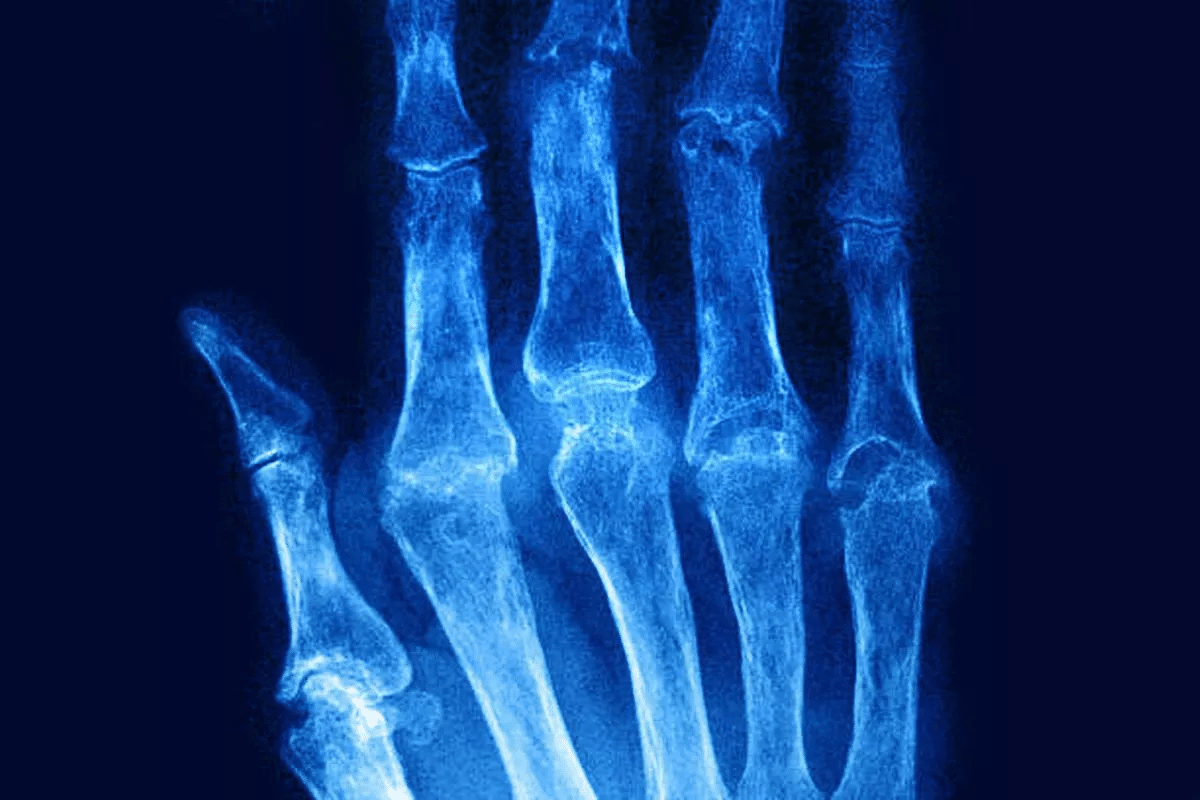
Spotting the early signs of rheumatoid arthritis is key to managing it. This chronic autoimmune disorder mainly affects joints, causing pain and inflammation. If not treated, it can lead to serious joint damage.
The early signs of rheumatoid arthritis can be hard to notice. They often start with joint stiffness and pain in the hands and feet. This stiffness is worse in the morning and can last for hours.
If you have joint pain or stiffness that lasts more than a few weeks, see a doctor. Early treatment can greatly improve your life. Look for these signs:
Diagnosing rheumatoid arthritis involves several steps. Your doctor will look at your medical history and perform a physical exam. They might also do blood tests for specific antibodies.
Imaging studies like X-rays or MRI help check for joint damage. This process is vital for finding the right treatment for you.
Knowing how rheumatoid arthritis (RA) gets worse is key to making good treatment plans. RA is a chronic disease that goes through four stages. Each stage has its own challenges and symptoms.
RA usually gets worse in a certain order. It starts with early symptoms and ends with serious joint damage. The disease goes through an inflammatory phase, then keeps getting worse, damaging cartilage and bone.
Factors Influencing RA Progression
Many things can make RA get worse faster. These include:
How fast RA gets worse can differ a lot between people. Things like genetics, smoking, and certain autoantibodies can make it worse. But, starting treatment early can slow it down.
Knowing the current stage of RA is vital for treatment. Staging helps doctors make better choices. It lets them:
|
Stage |
Characteristics |
Treatment Approach |
|---|---|---|
|
Early RA |
Mild symptoms, minimal joint damage |
DMARDs, lifestyle modifications |
|
Moderate RA |
Noticeable joint damage, increased inflammation |
Biologics, combination therapy |
|
Severe RA |
Significant joint damage, functional impairment |
Advanced biologics, surgical interventions |
|
End-stage RA |
Irreversible joint damage, significant disability |
Palliative care, rehabilitation |
By knowing the stage of RA and what makes it progress, doctors can make better treatment plans. This helps patients live better lives and improves their outcomes.
Rheumatoid arthritis often starts with small joint problems that are easy to miss. At this early stage, symptoms are mild. They might not seem like a big deal at first.
In Stage 1, people often feel joint stiffness and pain in their hands and feet. These feelings are worse in the morning. But, they can get better as the day goes on.
Look out for these signs:
In Stage 1, the joints start to change in ways that can get worse if not treated. These changes include:
|
Change |
Description |
|---|---|
|
Inflammation |
The synovium, the tissue that lines the joints, becomes inflamed, leading to swelling and pain. |
|
Synovial Hyperplasia |
The synovium thickens due to an increase in cells, contributing to joint inflammation. |
|
Cytokine Production |
Pro-inflammatory cytokines are produced, further exacerbating the inflammatory process. |
It’s hard to diagnose RA in Stage 1 because symptoms are mild. Many people don’t see a doctor right away. They might try to manage their symptoms with over-the-counter meds or home remedies.
But catching RA early is key. It lets doctors start treatment sooner. This can really change how the disease progresses. Doctors use a mix of clinical checks, patient history, and tests to spot RA early.
Moderate rheumatoid arthritis, or Stage 2 RA, shows more inflammation and affects daily life. It goes beyond the first symptoms, bringing new challenges for patients and doctors.
In Stage 2, joint symptoms get worse. Swelling, pain, and stiffness grow, hitting more joints. This makes moving and doing daily tasks harder.
Some common symptoms at this stage include:
At Stage 2, rheumatoid factor (RF) and anti-citrullinated protein antibody (anti-CCP) production grows. These antibodies help diagnose RA and track its progress. Inflammatory markers like C-reactive protein (CRP) and erythrocyte sedimentation rate (ESR) also rise, showing active inflammation.
The increased inflammation and pain in Stage 2 RA make daily tasks hard. Simple actions like getting dressed or cooking can be tough. Fatigue also adds to the challenge, making daily tasks even harder.
To tackle these issues, patients and doctors can work on strategies. This includes:
Understanding Stage 2 RA and its effects helps patients manage their condition. This way, they can keep their quality of life good.
Stage 3 RA is a tough time for patients. The disease has grown worse, causing a lot of joint pain and damage to cartilage.
In Stage 3 RA, joint inflammation gets worse. This leads to a lot of cartilage damage. Such damage can make joints less functional and more painful.
Key effects of significant joint inflammation include:
Rheumatoid nodules are firm lumps under the skin in RA patients. They are more common in Stage 3 due to more inflammation. These nodules often appear near joints.
Characteristics of rheumatoid nodules:
|
Feature |
Description |
|---|---|
|
Location |
Typically near joints, such as elbows or fingers |
|
Appearance |
Firm lumps under the skin |
|
Association |
More common in seropositive RA patients |
Stage 3 RA makes everyday tasks hard. Pain and less mobility make simple tasks a challenge.
Strategies for managing pain and improving function include:
Understanding Stage 3 RA helps healthcare providers create better treatment plans. This improves patient outcomes and quality of life.
In Stage 4 rheumatoid arthritis, the disease has reached a severe point. Joint damage is permanent, and systemic complications may occur. This stage greatly affects the patient’s quality of life, requiring detailed care and support.
Stage 4 RA is marked by severe and lasting joint deformities. The ongoing inflammation and cartilage destruction cause:
Irreversible joint damage is a key feature of end-stage RA. It often results in significant disability. Patients may struggle with daily tasks due to lost joint function and mobility.
Stage 4 RA can also cause systemic complications affecting other body systems. These include:
Systemic complications can greatly impact the patient’s health and outlook. It’s vital to monitor and manage these complications to improve the patient’s quality of life.
Managing Stage 4 RA goes beyond treating symptoms. It also focuses on improving the patient’s overall quality of life. This includes:
A leading rheumatologist notes, “The goal of care in Stage 4 RA is to maximize the patient’s quality of life through detailed and compassionate management of their condition.”
“The focus shifts from curative treatments to palliative care, ensuring that patients receive the support they need to live with dignity and as much independence as possible.”
Understanding the challenges of Stage 4 rheumatoid arthritis helps healthcare providers offer better support and care. This improves the quality of life for those living with this condition.
Managing rheumatoid arthritis (RA) needs a treatment plan that changes as the disease progresses. It’s important to know the treatment options and how they adapt to meet patient needs at each stage.
In the early stages of RA, the goal is to stop the disease from getting worse and keep joints working well. Disease-Modifying Antirheumatic Drugs (DMARDs) are often the first treatment. They help reduce inflammation and slow the disease. Making healthy lifestyle choices, like diet and exercise, also helps manage symptoms and improve health.
When RA gets more serious, treatment gets stronger. Biologic agents are used with DMARDs to target inflammation. These medicines help reduce joint damage and improve life quality for many patients.
|
Medication Type |
Mechanism of Action |
Common Use in RA |
|---|---|---|
|
DMARDs |
Suppress the immune system to reduce inflammation |
Early stage RA, ongoing management |
|
Biologic Agents |
Target specific molecules involved in inflammation |
Moderate to severe RA, when DMARDs are insufficient |
In advanced RA, where joints are badly damaged, surgery might be needed. Joint replacement surgery can help restore function and ease pain. Surgery is considered after other treatments have been tried and with an orthopedic specialist’s advice.
Knowing the stage of RA and the treatment options helps healthcare providers and patients create a detailed treatment plan. This plan addresses the unique needs of each person.
Early treatment and lifestyle changes are key in managing Rheumatoid Arthritis. Understanding the importance of starting treatment early and adopting healthy habits can greatly improve long-term outcomes.
Early treatment is vital for Rheumatoid Arthritis management. Starting treatment early can change the disease’s course, reducing damage risk. Starting disease-modifying antirheumatic drugs (DMARDs) early improves outcomes by reducing inflammation and slowing disease.
Early treatment leads to better symptom control, improved quality of life, and lower complication risk. For example, a study showed early DMARD treatment significantly reduced disease activity and joint damage.
Lifestyle changes are a big part of managing RA. Dietary changes, regular exercise, and stress management help control the disease and improve well-being.
Eating a diet full of fruits, vegetables, and omega-3 fatty acids can reduce inflammation. Walking or swimming can improve joint mobility and strength without worsening the condition. Stress management, like meditation and yoga, can also help with the disease’s psychological impact.
|
Lifestyle Modification |
Benefits |
|---|---|
|
Dietary Changes |
Reduced inflammation, improved overall health |
|
Regular Exercise |
Improved joint mobility, strength, and cardiovascular health |
|
Stress Management |
Reduced stress, improved mental well-being |
Regularly checking disease activity and sticking to medication is key to preventing RA progression. Regular doctor visits allow for timely treatment plan adjustments, keeping the disease under control.
Sticking to medication is essential for the best results. Patients should work with their doctors to understand their treatment plans and address any concerns or side effects.
Combining early treatment, lifestyle changes, and regular monitoring with medication adherence helps manage Rheumatoid Arthritis. This approach empowers individuals to live better despite RA’s challenges.
In recent years, there have been big steps forward in treating rheumatoid arthritis (RA). New medicines and treatments are leading this progress. They offer hope to those suffering from RA.
Biologic agents and targeted therapies have changed how we treat RA. These new drugs work better and are safer than old treatments. For example, tumor necrosis factor-alpha (TNF-alpha) inhibitors help lower inflammation and slow the disease.
|
Medication Class |
Mechanism of Action |
Examples |
|---|---|---|
|
TNF-alpha inhibitors |
Block TNF-alpha, reducing inflammation |
Etanecept, Adalimumab |
|
IL-6 inhibitors |
Inhibit interleukin-6, reducing inflammation |
Tocilizumab |
|
Janus kinase (JAK) inhibitors |
Block JAK pathways, reducing inflammation |
Tofacitinib, Baricitinib |
Personalized medicine is key in treating RA today. Doctors use genetic and biomarker data to create custom treatment plans. This makes treatments more effective and safer for each patient.
Genetic markers can show how well a patient will respond to certain drugs. This helps doctors choose the best treatment for each person.
Research is looking into new ways to treat RA, like stem cell therapies and new biologic agents. These new treatments could lead to even better care for RA patients.
Also, studying the gut microbiome in RA is giving us new ideas about the disease. It shows us where to find new treatments.
Understanding the four stages of rheumatoid arthritis is key to managing the disease. It involves early diagnosis, the right treatment, lifestyle changes, and regular check-ups. This approach helps control RA.
Recognizing RA symptoms and how it progresses is vital. Patients and doctors can then create a treatment plan that fits each person. This way, people can handle their RA better, leading to better health and happiness.
It’s important to start treatment early and stick to it to stop the disease from getting worse. This helps people with RA manage their condition well. It also lowers the chance of serious problems and keeps them independent.
In summary, managing RA is a team effort. Patients, doctors, and caregivers must work together. By doing so, we can make life better for those dealing with this chronic illness.
Rheumatoid arthritis has four stages. These are early (Stage 1), moderate (Stage 2), severe (Stage 3), and end-stage (Stage 4).
Rheumatoid arthritis moves through its stages over time. The speed of this progress depends on genetics, environment, and treatment.
Early symptoms include morning stiffness and pain. You might also notice changes in your joints.
Doctors use a mix of clinical checks, blood tests, and imaging to diagnose RA. Early diagnosis is tricky because symptoms are mild.
Treatments include lifestyle changes and early use of DMARDs. For more severe cases, biologics and surgery are options.
You can’t prevent RA, but you can slow its progress. Early treatment, lifestyle changes, and regular check-ups help.
New research brings better treatments and therapies. Personalized medicine and safer, more effective options are being explored.
Knowing the stage of RA helps doctors plan better. They can tailor treatments to match the patient’s disease stage.
Stage 2 RA shows more joint symptoms and antibody production. It affects daily life and can cause a lot of pain and disability.
End-stage RA causes permanent joint damage and deformities. It also has systemic effects that lower quality of life, needing full care and support.
National Center for Biotechnology Information. Rheumatoid Arthritis: Stages, Symptoms, and Progression. Retrieved from https://pubmed.ncbi.nlm.nih.gov/26921116/