

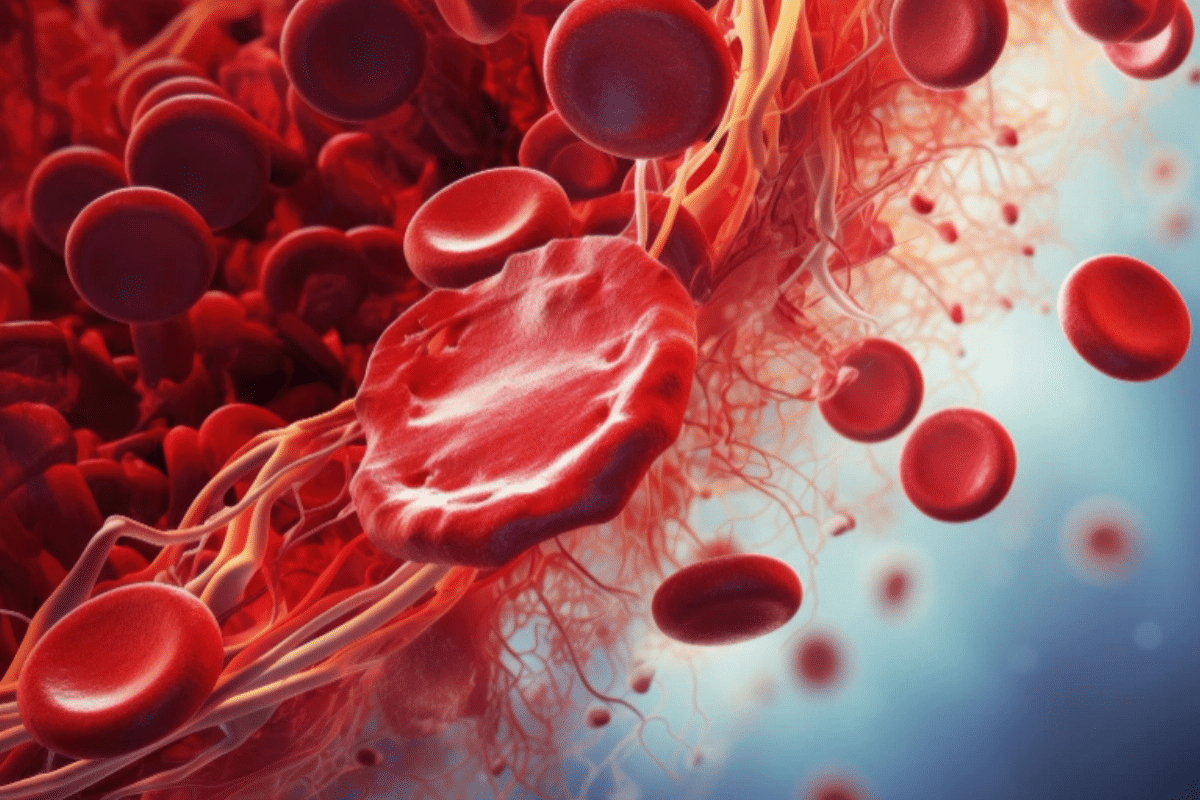
Connective tissue is the body’s most common tissue. It has seven main types that help support and protect us. Connective tissue is key to keeping our body’s structure strong and connected adipose tissue connective tissue.
Connective tissue comes from the mesoderm, mainly from the mesenchyme. It makes up a big part of our body. Knowing about the cells and matrix in connective tissue is important.
Connective tissue is like glue for our bodies. It connects and supports organs and systems. It’s the most common tissue in our bodies, playing a key role in our health.
Connective tissue supports and connects other tissues and organs. It’s everywhere in our body, around organs, and in the skeletal system. Unlike epithelial tissue, it’s avascular, meaning it doesn’t have a direct blood supply. But, some types, like adipose tissue, store energy and keep organs warm.
Whether connective tissue has blood supply depends on the type. Some, like loose connective tissue, have a bit of blood. Others, like dense connective tissue, don’t. This shows how different connective tissue can be.
There are three main types of connective tissue: proper, supportive, and fluid. Connective tissue proper includes loose and dense types. Loose tissue is flexible and found around organs. Dense tissue is strong and found in tendons and ligaments.
Knowing about connective tissue types helps us understand its role in our bodies. It shows how it keeps us healthy and functioning well.
Connective tissue’s cells are key to its structure and function. They produce the extracellular matrix. This matrix is vital for the tissue’s health.
Fibroblasts are the main cells that make the extracellular matrix. They create collagen, elastic, and reticular fibers. These cells are essential for the tissue’s structure and function.
Fibroblasts do more than just make matrix components. They also help in tissue repair and remodeling. Their role is critical for the tissue’s integrity.
Connective tissue also has other cells that help it function. Adipocytes store energy as fat. Macrophages help with immune responses and cleaning up the tissue.
Transient cells, like leukocytes, move through the tissue as part of the immune response. Mast cells, which are resident cells, help with inflammation and allergic reactions.
|
Cell Type |
Function |
Examples |
|---|---|---|
|
Fibroblasts |
Produce extracellular matrix |
Collagen, elastic, and reticular fibers |
|
Adipocytes |
Store energy |
Fat cells |
|
Macrophages |
Immune response and tissue cleanup |
Phagocytic cells |
|
Mast cells |
Inflammation and allergic reactions |
Release histamine |
|
Leukocytes |
Immune response |
White blood cells |
Knowing about the different cells in connective tissue helps us understand its complex functions. It’s key to its overall health.
The connective tissue matrix is key to connective tissue’s function and makeup. It’s made of ground substance and different fibers. These elements are vital for supporting and linking various tissue parts.
The ground substance is a gel-like material that helps with nutrient exchange. It’s full of water, glycoproteins, and proteoglycans, giving it a viscous and gel-like consistency. This substance keeps tissues hydrated and helps with nutrient and waste exchange.
It also has cell adhesion proteins that anchor cells to the matrix. This provides structural support and helps with cell communication. The ground substance’s makeup changes based on the connective tissue type and its role.
Proteoglycans are a big part of the ground substance. They have a core protein with glycosaminoglycan (GAG) chains. These molecules are negatively charged, pulling in water and making the substance gel-like. Proteoglycans are important for tissue resilience and keeping it hydrated.
Cell adhesion proteins like fibronectin and laminin are key for cell-matrix interactions. They help cells stick to the matrix, affecting cell behavior and movement. These proteins are essential for connective tissue’s structure and function, including connective tissue proper loose adipose and others.
The connective tissue matrix, with its ground substance and fibers like collagen, reticular, and elastic fibers, is a dynamic and multifunctional space. It supports the body’s structural and physiological needs. Knowing about the matrix’s makeup and role is key to understanding its importance in health and disease.
We find three main fiber types in connective tissue. They are key for its structure and function. These fibers give support, strength, and flexibility to different body tissues.
Collagen fibers are the most common in connective tissue. They are mostly collagen proteins and add strength to tissues like tendons and ligaments. There are 28 types of collagen, each with its own role in the body.
Collagen fibers are vital for the body’s structure. They are most important in tissues that carry heavy loads, like the musculoskeletal system.
Elastic fibers are also key in connective tissue, allowing for elasticity and recoil. These fibers, mainly made of elastin, help tissues go back to their original shape after stretching.
Elastic fibers are essential in tissues that stretch often, like the skin, lungs, and blood vessels. Their elastic properties help these tissues stay resilient.
Reticular fibers form a network in various organs and tissues. They are made of type III collagen and are found in lymphoid organs, like lymph nodes and the spleen.
These fibers support the structure of soft tissues. They help organize and function of cells in these tissues. The network of reticular fibers is vital for the integrity and function of the organs they support.
Connective tissue proper is a key part of our body. It includes loose and dense types. It supports and connects our body’s structures.
The type of connective tissue depends on its composition. This leads to loose and dense categories.
Loose areolar tissue has a loose fiber arrangement and lots of ground substance. It supports and connects tissues, allowing for movement. You can find it under the skin and around blood vessels.
It holds water and electrolytes, supports tissues, and helps with nutrient exchange. It also plays a role in the body’s defense.
Dense connective tissue is strong and supportive. It comes in regular and irregular types. Regular tissue has fibers in one direction for maximum strength.
Irregular tissue has fibers in many directions. This supports in various ways. You can find it in the skin’s dermis layer.
In summary, connective tissue proper is vital for our body’s structure. Knowing about loose areolar tissue and dense connective tissues helps us understand our body better.
Adipose tissue is key for storing energy. It also keeps us warm and cushions our body. It’s essential for our health.
Adipose tissue is made up of adipocytes, special cells for storing fat. These cells grow or shrink with fat levels. This lets them adjust to our energy needs.
Triglyceride storage is vital for our energy balance. When we eat more than we burn, fat is stored. When we burn more, fat is used for energy.
Adipose tissue also keeps us warm. It protects our organs from harm. For example, it cushions our kidneys.
Adipose tissue has different types, each with its own role. White adipose tissue stores energy. Brown adipose tissue helps us stay warm by producing heat. Beige adipose tissue is a mix of both.
|
Type of Adipose Tissue |
Primary Function |
Characteristics |
|---|---|---|
|
White Adipose Tissue |
Energy Storage |
Stores triglycerides, expands with energy surplus |
|
Brown Adipose Tissue |
Thermogenesis |
Highly metabolically active, generates heat |
|
Beige Adipose Tissue |
Thermogenesis/Energy Storage |
Inducible within white adipose tissue, shares characteristics with brown adipose tissue |
Knowing about different adipose tissues helps us understand health and obesity. Research shows how important it is for our well-being.
Cartilage is a flexible and strong tissue in our bodies. It helps us move smoothly and supports our joints, lungs, and other important parts. This tissue is key for our body’s functions.
Hyaline cartilage is everywhere in our body, like in the trachea and nose. It makes sure our joints move smoothly and keeps the airways open. It’s very important for our breathing and movement.
This cartilage is made of strong fibers and proteins. These help it stay strong and flexible.
Elastic cartilage is in our ears and epiglottis. It’s very flexible because of elastic fibers. This lets it keep its shape even when bent.
This cartilage helps our ears work right and keeps food and air going to the right places. It’s vital for our health.
Fibrocartilage is very strong and found in our spine and knee. It handles a lot of pressure and stress. This keeps our spine and knees stable.
Its strong fibers make it perfect for places with a lot of stress. It’s a key part of our body’s support system.
The three main types of cartilage have unique roles and features. Here’s a quick look at each:
|
Type of Cartilage |
Location |
Main Characteristics |
Function |
|---|---|---|---|
|
Hyaline Cartilage |
Joints, Respiratory Tract |
Dense matrix of collagen fibers, smooth surface |
Facilitates smooth joint movement, maintains respiratory tract shape |
|
Elastic Cartilage |
External Ear, Epiglottis |
Presence of elastic fibers, flexible |
Maintains shape after bending, supports ear and epiglottis function |
|
Fibrocartilage |
Intervertebral Discs, Menisci |
Dense matrix of collagen fibers, tough |
Withstands compressive forces and tensile stress, supports spine and knee |
Knowing about cartilage helps us understand how our bodies work. It’s a key part of our health.
In summary, cartilage is a vital tissue in our bodies. It supports our joints, lungs, and more. Each type of cartilage has its own job, making our body work smoothly.
Bone tissue is a key part of our body’s structure. It supports us and keeps us upright. Let’s dive into what makes it special and its role in our health.
Bone tissue has special cells that work together. Osteocytes are mature bone cells that help keep the bone strong. Osteoblasts create new bone by making the organic matrix and adding minerals. Osteoclasts break down bone to release minerals, helping control calcium levels.
These cells work together to keep bones healthy. They help bones adapt and repair themselves.
Bone tissue has two main types: compact and spongy bone. Compact bone is dense and strong, found on the outside of bones. It’s made of cylindrical units called osteons.
Spongy bone is less dense and inside bones. It has a network of trabeculae that support bones while being light. It’s found in the ends of long bones and vertebrae.
Bone tissue is a big calcium storage. Calcium is important for muscle and nerve function. The bone matrix holds calcium in hydroxyapatite form.
Bone tissue also makes blood cells. The spongy bone has bone marrow that makes red and white blood cells, and platelets.
|
Function |
Description |
Key Cells/Tissues Involved |
|---|---|---|
|
Structural Support |
Provides framework for the body |
Compact bone, Spongy bone |
|
Calcium Storage |
Reservoir for calcium |
Bone matrix, Osteocytes |
|
Hematopoiesis |
Production of blood cells |
Bone marrow, Spongy bone |
Blood is key for moving nutrients and oxygen around the body. It keeps us healthy by giving cells what they need and taking away waste. This is vital for our well-being.
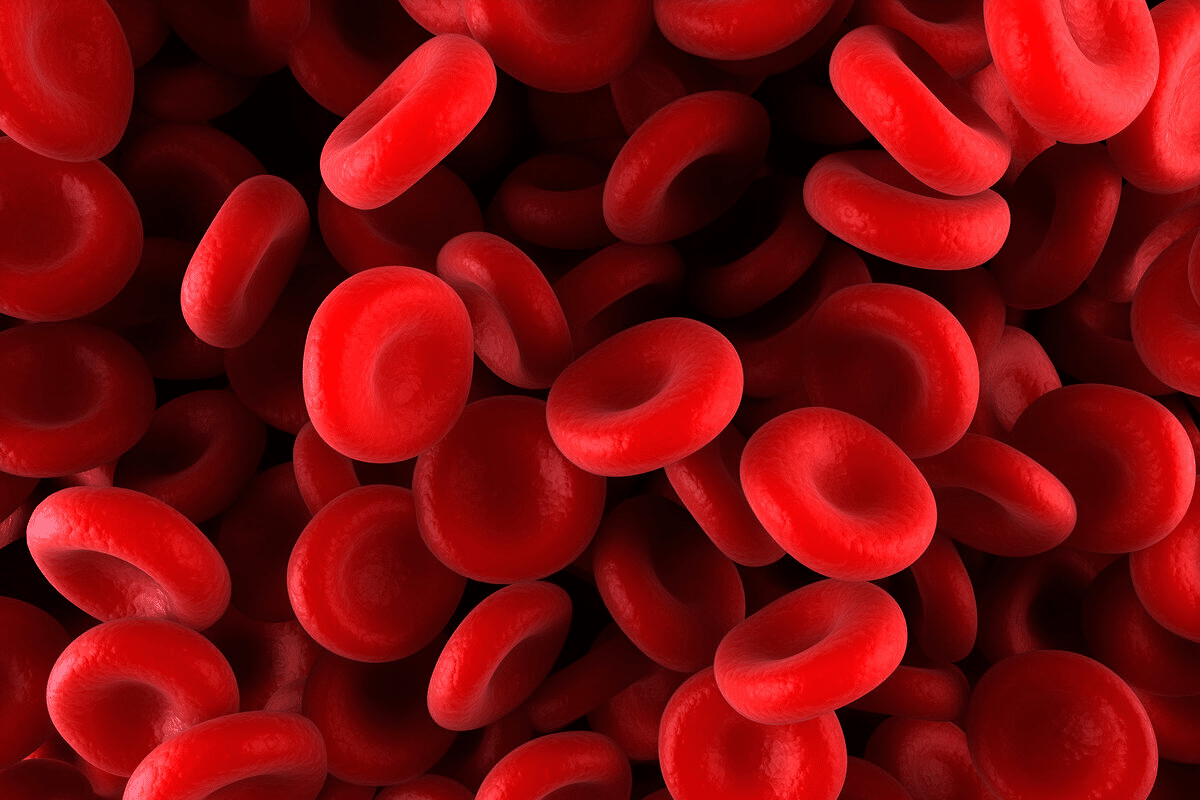
Blood has two main parts: plasma and formed elements. Plasma, which is mostly water, makes up 55% of blood. It holds proteins, nutrients, and waste. The other 45% is formed elements like red and white blood cells, and platelets.
Red blood cells carry oxygen to our tissues. White blood cells help fight off infections. Platelets are important for stopping bleeding when a vessel is hurt.
Blood does many important jobs. It moves oxygen and carbon dioxide, and carries nutrients and waste. It also helps fight infections with white blood cells.
|
Component |
Function |
|---|---|
|
Red Blood Cells |
Oxygen Transport |
|
White Blood Cells |
Immune Defense |
|
Platelets |
Blood Clotting |
|
Plasma |
Transport of Nutrients, Hormones, and Waste |
In short, blood is essential for our bodies to work right. Its complex makeup and functions are vital for our health.
Our body makes blood cells and fights off germs thanks to hematopoietic and lymphatic tissues. These tissues are key to our health and immune system. Hematopoietic tissue makes blood cells, and lymphatic tissue helps fight off infections. They work together to keep our body healthy.
Bone marrow is the soft tissue inside bones like hips and thighbones. It makes blood cells. The bone marrow has blood vessels and cells at different stages of growth. It’s where blood cells like red and white blood cells are made.
Lymphatic organs like the spleen, lymph nodes, and lymphoid tissues help fight infections. The spleen cleans the blood by removing germs and old red blood cells. Lymph nodes filter lymph fluid, catching germs and starting immune responses. Lymphoid tissues, found in places like tonsils and Peyer’s patches, also help fight off infections.
As a leading immunologist said,
“The lymphatic system is a critical component of our immune defense, providing a network of organs and tissues that work together to protect us against infection and disease.”
We’ve looked at the different kinds of connective tissue. Each has its own structure and function, helping keep the body together. It supports, structures, and connects organs and systems, keeping everything in balance.
These tissues work together for many body functions. They help with movement, feeling, and moving nutrients around. Knowing about connective tissue helps us see its big role in our bodies.
Connective tissue is complex and plays a key part in our body’s design. It ranges from soft tissue to bone and blood, showing its flexibility and importance. By understanding connective tissue, we can see how it supports our body’s functions.
Connective tissue supports and holds together organs and systems. It’s essential for the body’s structure and function.
There are seven main types of connective tissue. They work together to keep the body’s structure and function in balance. These include connective tissue proper, adipose tissue, cartilage, bone tissue, blood, hematopoietic tissue, and lymphatic tissue.
Fibroblasts are the main cells that make the extracellular matrix. This includes collagen, elastic, and reticular fibers.
The matrix is made of ground substance and fibers. It helps with nutrient exchange and is made of proteoglycans, cell adhesion proteins, and collagen, elastic, and reticular fibers.
Connective tissue has three main fiber types. Collagen fibers give strength, elastic fibers allow for stretching, and reticular fibers form networks in soft tissues.
Not all connective tissue is vascularized. For example, cartilage lacks a blood supply.
Adipose tissue stores energy and insulates the body. It’s made of adipocytes that hold triglycerides, providing energy.
There are three types of cartilage: hyaline, elastic, and fibrocartilage. Each has unique characteristics and functions.
Bone tissue has specialized cells like osteocytes, osteoblasts, and osteoclasts. It also has a mineralized matrix that gives strength and rigidity.
Blood is a connective tissue that’s vital for the body’s function. It transports and provides immune functions through its plasma and formed elements, like red and white blood cells.
Guide 7 Types Of Adipose Tissue Connective Tissue Functions https://pmc.ncbi.nlm.nih.gov/articles/PMC3424455/
