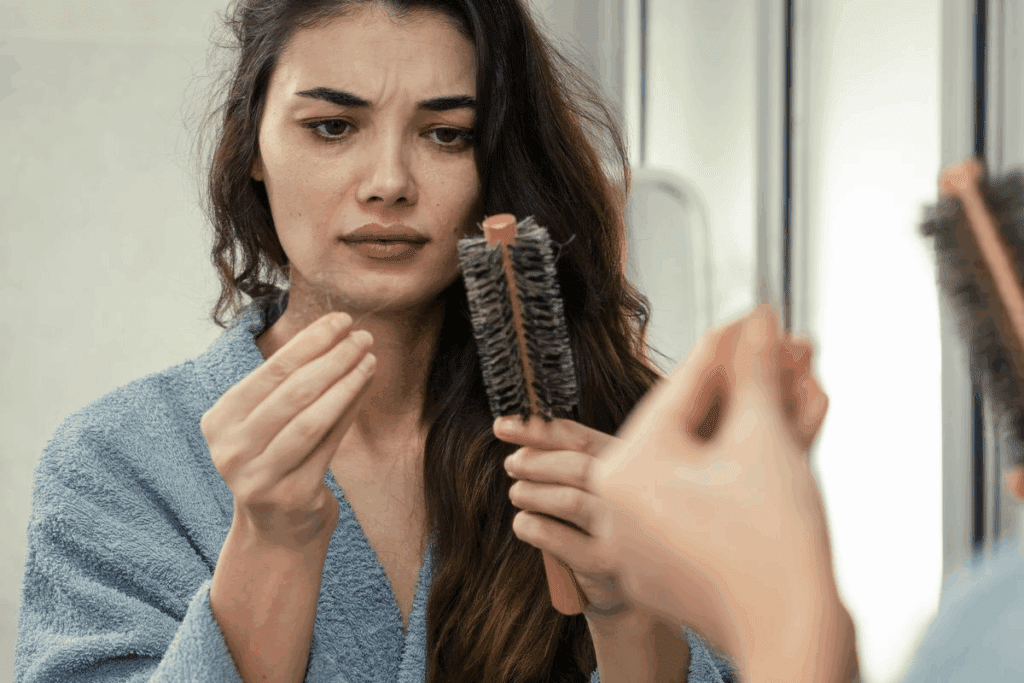
Losing weight can be tough, but it might also cause excessive hair shedding. If you’ve seen more hair falling out or your hair is getting thinner, you’re not alone. This is called telogen effluvium and it happens to many people who lose weight quickly or change their diet. Effective dietary and supplement solutions for stopping hair loss from losing weight quickly.
At Liv Hospital, we focus on quality care and keeping up with the latest medical knowledge. Our guide will show you how to stop hair loss after losing weight. Medical News Today says that changing your diet and some treatments can stop or lessen hair loss.
Key Takeaways
- Telogen effluvium is a reversible form of hair shedding triggered by rapid weight loss.
- Dietary changes can help prevent or reduce hair loss.
- Certain treatments can promote hair regrowth.
- Maintaining a balanced diet is key during weight loss.
- Expert tips can help you keep your hair healthy while losing weight.
The Connection Between Hair Loss From Losing Weight and Your Health

When we lose weight quickly, our body changes in ways that can affect our hair. This can lead to a lot of hair falling out. It’s because our body is responding to the rapid change.
What Is Telogen Effluvium?
Telogen effluvium happens when hair follicles stop growing too soon. This is often due to stress, like losing weight fast. Research shows hair loss usually starts 2 to 3 months after losing weight quickly.
Studies found that losing about 15 percent of body weight in a month can cause a lot of hair loss. This condition usually goes away once the stress is over.
How Rapid Weight Loss Triggers Hair Shedding
Fast weight loss shocks our body, leading to hair loss. It disrupts the normal cycle of hair growth. This means more hair follicles than usual stop growing, causing a lot of hair to fall out.
- Physiological Stress: Losing weight fast is stressful for our body, making hair follicles stop growing.
- Hormonal Changes: Weight loss can change hormone levels, affecting hair growth.
- Nutritional Deficiencies: Fast weight loss diets might not give us enough nutrients for healthy hair.
It’s important to understand how weight loss affects our hair. By knowing the reasons and taking steps, we can reduce hair loss during weight loss.
The Science Behind Weight Loss and Hair Thinning
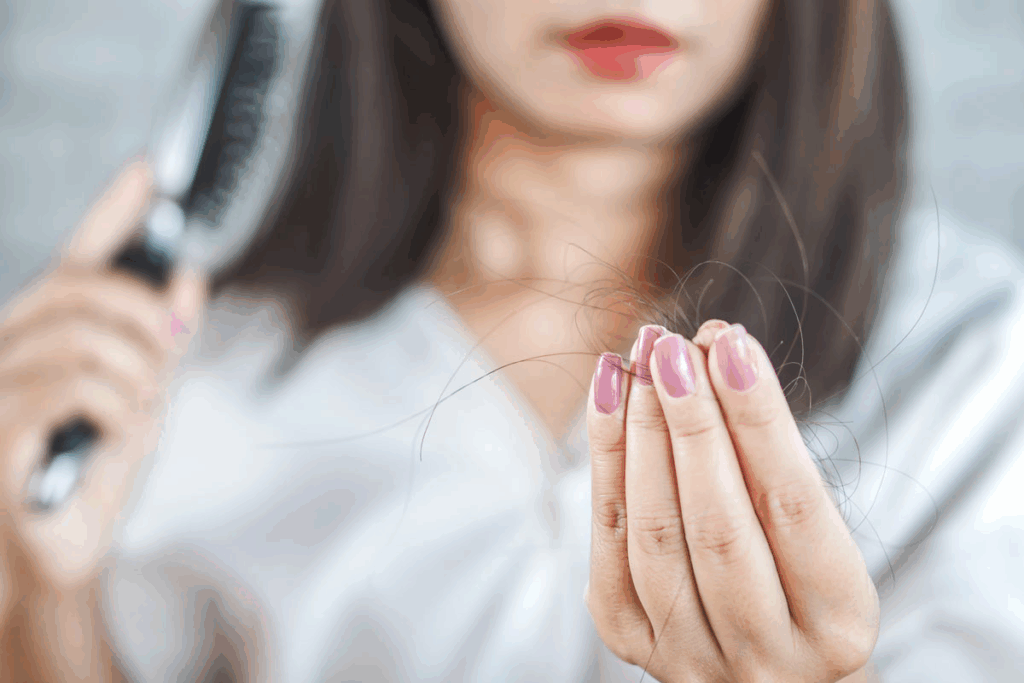
When we lose weight, our bodies change in ways that can harm hair growth. This can lead to hair thinning. It’s important to know the science behind this to find ways to stop it.
The Hair Growth Cycle Explained
The hair growth cycle has three phases: anagen (growth), catagen (transitional), and telogen (resting). About 90% of our scalp hair is in the anagen phase, which can last years. The telogen phase lasts about 3 months before the hair follicle starts growing again.
Key aspects of the hair growth cycle include:
- The anagen phase, where hair actively grows
- The telogen phase, a resting period before hair shedding
- The catagen phase, a short transitional period between anagen and telogen
How Metabolic Stress Affects Hair Follicles
Significant weight loss can mess with thyroid and hormone levels. This can harm hair follicles and cause thinning or shedding. This is called telogen effluvium, where hair follicles enter the telogen phase too soon, leading to more hair shedding.
Metabolic stress from rapid weight loss can cause:
- Increased cortisol levels, which can disrupt the normal hair growth cycle
- Nutritional deficiencies, like not enough protein, vitamins, and minerals for hair health
- Hormonal imbalances that affect the hair growth cycle
Understanding how metabolic stress affects hair follicles helps us tackle hair thinning caused by weight loss.
Who Is Most Vulnerable to Hair Loss During Weight Loss?
Some people are more likely to lose hair when they lose weight. Knowing who is at risk helps us prevent it.
Higher Risk for Women
Studies show women are more likely to lose hair when they lose weight. Hormonal changes and diet play big roles.
Women’s hair is extra sensitive to weight loss changes. This is because of hormonal shifts and diet changes.
Age-Related Vulnerability
Older people tend to lose more hair when they lose weight. Hair grows slower with age, making it thinner.
Older folks might also lack nutrients, which gets worse with weight loss. This adds to hair loss.
Impact of Weight Loss Rate and Percentage
How fast and how much weight you lose affects hair loss risk. Losing weight too quickly increases this risk.
Weight Loss Rate | Risk of Hair Loss |
Slow (1 lb/week) | Low |
Moderate (1-2 lbs/week) | Moderate |
Rapid (>2 lbs/week) | High |
The table shows slow weight loss is safer for hair. We suggest losing weight slowly to avoid hair loss.
Understanding these factors helps us spot who’s most at risk for hair loss. We can then give them special advice to reduce this risk.
How to Identify If Your Hair Loss Is Related to Weight Loss
Figuring out if hair loss is due to weight loss can be tricky. Yet, there are important signs to watch for. If you’ve lost a lot of weight recently, you might wonder if it’s causing your hair loss.
Timing: The 2-3 Month Delay
Hair loss usually shows up 2 to 3 months after losing a lot of weight. This is because of the hair growth cycle. When you lose weight quickly, more hairs than usual stop growing and fall out a few months later.
Pattern of Hair Shedding
The way hair falls out can also give clues. Hair loss from weight loss is usually all over the scalp, not just in one spot. This is because it’s a body-wide issue, not just a scalp problem.
Distinguishing from Other Types of Hair Loss
To know if weight loss is causing your hair loss, you need to rule out other reasons. Hair loss can be due to genetics, hormonal issues, or health problems. Talking to a doctor can help find the real cause.
The table below shows how hair loss from weight loss differs from other common types:
Cause | Timing | Pattern |
Weight Loss | 2-3 months after significant weight loss | Diffuse shedding |
Genetic Predisposition | Can occur at any age, often starts at temples or crown | Localized, often patterned |
Hormonal Imbalance | Varies, often associated with other symptoms | Can be diffuse or localized |
By looking at when and how your hair loss happens, and ruling out other causes, you can figure out if it’s from weight loss.
Solution 1: Optimize Your Rate of Weight Loss
Losing weight safely is key to preventing hair loss. Losing too much weight quickly stresses your body, leading to hair loss. So, it’s important to choose a weight loss plan that’s both effective and gentle.
Finding the Safe Weight Loss Pace
Try to lose 1-2 pounds each week. This pace is safe and less likely to cause hair loss. Health experts say slow weight loss is safer and more lasting.
Weight Loss Rate | Likelihood of Hair Loss |
1-2 pounds/week | Low |
More than 2 pounds/week | High |
Gradual vs. Rapid Weight Loss Effects on Hair
Rapid weight loss shocks your system, causing hair follicles to stop growing. This leads to more hair falling out. Slow weight loss lets your body adjust, reducing stress on your hair follicles.
Creating a Sustainable Weight Loss Plan
For lasting weight loss, focus on long-term changes, not quick fixes. Eat well, stay active, and manage stress. A good plan fits your life and helps you stick to it.
- Eat a balanced diet rich in essential nutrients.
- Engage in regular physical activity.
- Monitor your progress and adjust your plan as needed.
By losing weight slowly, you can lower hair loss risk and reach a healthier weight.
Solution 2: Nutritional Strategies to Prevent Hair Loss
Improving hair health during weight loss starts with the right diet. A balanced diet full of essential nutrients is key for healthy hair.
Essential Nutrients for Hair Health
Certain nutrients are vital for hair health. Protein is essential because hair is mostly keratin, a protein. Adequate protein intake is vital for hair growth and upkeep.
Biotin, vitamin D, and iron are also important. Biotin helps make hair cells. Vitamin D and iron support the hair growth cycle.
Protein Requirements During Weight Loss
Protein intake is key during weight loss. The daily protein need varies by age, sex, and activity level. For adults, the recommended amount is about 0.8 grams of protein per kilogram of body weight daily. But, when trying to keep muscle mass during weight loss, you might need 1.2-1.6 grams per kilogram.
Supplements That Support Hair Growth
Some supplements can also help with hair health. Biotin supplements are popular for hair growth. Vitamin B complex and omega-3 fatty acids also support hair health.
Always talk to a healthcare professional before taking supplements. This ensures they are right for you and safe.
Solution 3: Stress Management Techniques
Managing stress is key to avoiding hair loss when losing weight. Losing a lot of weight puts your body under stress. This stress, along with emotional stress, can make hair loss worse. So, managing stress is very important for your weight loss plan.
How Stress Compounds Weight-Loss-Related Hair Loss
Stress, whether it’s physical or emotional, makes your body release cortisol. This hormone can mess up your hair growth cycle. High cortisol levels can make more hair follicles stop growing, leading to more hair loss. This effect is even bigger when you’re losing weight.
Effective Stress Reduction Practices
Using stress reduction practices can lessen hair loss caused by stress. Meditation and yoga can lower cortisol levels, helping your hair grow better. Other good practices include:
- Deep breathing exercises
- Mindfulness meditation
- Progressive muscle relaxation
These methods not only reduce stress but also improve your overall health. They help both your body and mind while you’re losing weight.
Sleep Optimization for Hair Recovery
Sleep is very important for hair recovery and health. While you sleep, your body fixes and grows new tissues, including hair follicles. Bad sleep can mess up this process, making hair loss worse. To improve sleep, try:
Sleep Optimization Strategies | Benefits |
Establishing a consistent sleep schedule | Regulates body’s internal clock |
Creating a sleep-conducive environment | Improves sleep quality |
Avoiding caffeine and electronics before bedtime | Enhances sleep duration and quality |
By adding these stress management techniques to your weight loss plan, you can lower the risk of hair loss. This supports your overall health and well-being.
Solution 4: Topical Treatments and Hair Care
To fight hair loss from weight loss, gentle hair care and effective treatments are key. These steps can boost hair growth and cut down on shedding.
Gentle Hair Care Practices
Gentle hair care is essential to reduce hair loss when losing weight. Choose mild shampoos and conditioners without harsh chemicals. Here’s what we suggest:
- Use a wide-tooth comb to detangle hair, reducing breakage.
- Stay away from excessive heat styling, which harms hair follicles.
- Limit hair ties or clips to avoid hair loss from tension.
Effective Topical Treatments
Topical treatments can help hair grow and strengthen follicles. Some good options are:
- Minoxidil (Rogaine): Known for promoting hair growth.
- Low-level laser therapy (LLLT): Uses low-level laser or light to stimulate hair growth.
- Platelet-rich plasma (PRP) therapy: Involves injecting PRP from your own blood to boost hair growth.
Always talk to a healthcare professional before starting any new treatments. They can help find the best option for you.
Products to Avoid During Recovery
When recovering, stay away from harsh chemicals in products. Avoid:
- Sulfates: Can remove natural oils from hair.
- Parabens: Linked to hair loss and health issues.
- Silicone: Can make hair heavy and cause scalp buildup.
Choose gentle, chemical-free products to support hair health during recovery.
Product Type | Recommended | To Avoid |
Shampoos | Mild, sulfate-free | Harsh, sulfate-containing |
Conditioners | Moisturizing, gentle | Those with parabens or silicones |
Topical Treatments | Minoxidil, LLLT devices | Products with harsh chemicals |
Solution 5: Medical Interventions When Needed
If hair loss doesn’t stop with diet changes and stress control, you might need medical help. Seeing a dermatologist can offer specific advice and treatments for your hair loss.
When to Consult a Dermatologist
Significant hair loss could be linked to weight loss or a health issue. A dermatologist can find the cause and suggest treatments. If you’re losing a lot of hair for more than a few months, see a dermatologist.
Prescription Treatment Options
Dermatologists have many treatments for hair loss. These include:
- Minoxidil (Rogaine) to stimulate hair growth
- Finasteride (Propecia) to slow down hair loss
- Spironolactone for hormonal imbalances contributing to hair loss
These treatments can help your hair grow back and reduce shedding. But, always follow your dermatologist’s advice and watch for side effects.
Addressing Underlying Medical Conditions
At times, hair loss is a sign of a health issue that needs to be fixed. Issues like thyroid problems, autoimmune diseases, or not getting enough nutrients can cause hair loss. A dermatologist can spot these problems and suggest the right treatments.
To show the causes and treatments, here’s a table:
Condition | Symptoms | Treatment |
Thyroid Disorder | Hair loss, fatigue, weight changes | Thyroid hormone regulation |
Autoimmune Disease | Hair loss, skin rashes, joint pain | Immunosuppressive medications |
Nutritional Deficiency | Hair loss, weakness, skin problems | Dietary supplements, nutritional counseling |
By fixing the root cause, you can treat hair loss and boost your health.
Conclusion: Recovery Timeline and Long-Term Hair Health
Hair loss during weight loss can be upsetting. But, the good news is that hair loss from weight loss can be reversed. By using the five proven solutions from this article, you can help your hair grow back and keep it healthy for the long term.
Hair usually starts growing back in 3 to 6 months after fixing the hair loss cause. With the right care and nutrition, hair can grow back after weight loss. It’s important to eat well, manage stress, and use gentle hair care to help your hair recover.
By focusing on long-term hair health, you can have a full head of hair while keeping your weight loss goals. We suggest being patient and consistent in your efforts. The journey to hair regrowth takes time.
FAQ
What is telogen effluvium, and how does it relate to weight loss?
Telogen effluvium is a condition where hair follicles enter the resting phase too early. This happens due to stress, like rapid weight loss. It leads to a lot of hair falling out.
How does rapid weight loss trigger hair loss?
Losing weight quickly can stress your body. This stress makes hair follicles stop growing and start resting. This results in thinner hair.
Who is more prone to hair loss during weight loss?
Women and older adults are more likely to lose hair when they lose weight. How fast and how much weight you lose also matters.
How can I identify if my hair loss is related to weight loss?
Look at when and how your hair falls out. Hair loss usually starts 2-3 months after losing a lot of weight.
What is the recommended rate of weight loss to minimize hair loss?
Losing 1-2 pounds a week is best to avoid hair loss. This slow pace is easier on your body.
What nutritional strategies can help prevent hair loss during weight loss?
Eating enough protein and biotin is key. These nutrients help keep your hair healthy while you’re losing weight.
How can stress management help reduce the risk of hair loss during weight loss?
Reducing stress is important. Getting enough sleep helps your body recover. This can help your hair grow back.
Can topical treatments and hair care practices impact hair growth during weight loss?
Yes, using gentle hair care and topical treatments can help. They can aid in hair recovery and prevent more loss.
When should I consider medical interventions for hair loss related to weight loss?
If you think a medical issue is causing your hair loss, see a dermatologist. They can offer treatments that might help.
Will hair lost due to weight loss grow back?
Yes, hair loss from weight loss is reversible. Knowing the causes and using the right strategies can help your hair grow back.
How can I prevent hair loss during weight loss?
To avoid hair loss, lose weight slowly and eat well. Manage stress, use gentle hair care, and consider treatments. These steps can help keep your hair healthy while you’re losing weight.
References
National Center for Biotechnology Information. Weight Loss Induced Telogen Effluvium: Proven Solutions. Retrieved from https://www.ncbi.nlm.nih.gov/pmc/articles/PMC6378618/