Last Updated on November 18, 2025 by Ugurkan Demir
Choosing to have hallux valgus surgery is a big step. Knowing what to expect during the recovery process can help ease your worries. At Liv Hospital, we’re here to help you through the 7 main stages of recovery. We want to make sure your healing is smooth and successful.
Right after surgery, you might be able to walk a bit within a few days. Our team will guide you through each stage, from the first days after surgery to when you’re fully recovered. We’ll talk about what affects recovery time.
Key Takeaways
- Understand the 7 key stages of hallux valgus surgery recovery
- Learn what to expect during the recovery process
- Discover factors influencing recovery time
- Get insights into post-operative care and rehabilitation
- Find out how to ensure a smooth and successful healing process
Understanding Hallux Valgus and Surgical Intervention
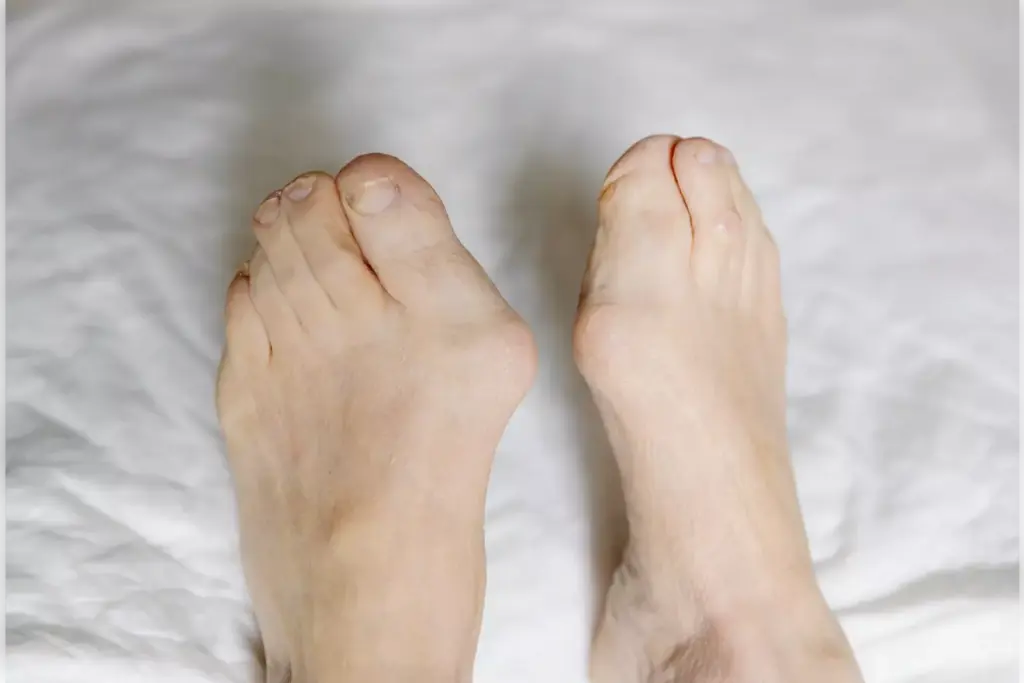
Hallux valgus, also known as a bunion, is a deformity of the big toe joint. It causes discomfort and mobility issues. If not treated, it can lead to more serious problems over time.
What Is Hallux Valgus (Bunion)?
Hallux valgus is a deformity where the big toe angles towards the second toe. This can cause a bony prominence. This prominence can lead to pain, redness, and swelling, mainly when wearing shoes.
“The development of hallux valgus is multifactorial, involving genetic predisposition, poorly fitting footwear, and abnormal biomechanics of the foot,” as noted in orthopedic literature.
Different Hallux Valgus Stages and Severity
Hallux valgus has different stages, from mild to severe. The severity is based on the angle of the deformity and how much it affects function. Knowing these stages helps determine the right treatment.
- Mild hallux valgus: Slight deviation of the big toe, minimal discomfort.
- Moderate hallux valgus: Noticeable deviation, increased discomfort, and possible pain.
- Severe hallux valgus: Significant deviation, considerable pain, and limited mobility.
Common Reasons for Surgical Intervention
Surgery is considered when other treatments don’t work. Reasons include persistent pain, significant deformity, and mobility issues. Surgery aims to correct the deformity, reduce pain, and improve function.
Surgical intervention is typically recommended when:
- Pain interferes with daily activities.
- The deformity is severe and progressive.
- Conservative treatments have failed.
What Is Being Removed During Hallux Valgus Surgery
During surgery, the goal is to realign the bone and remove bony prominences causing discomfort. The procedures vary based on the deformity’s severity and the surgical technique.
The surgical process may involve:
- Removing the bony prominence (bunionectomy).
- Realignment of the toe joint (osteotomy).
- Stabilization of the joint (arthrodesis) in severe cases.
Knowing what is removed and the extent of the surgery is key for managing expectations and a smooth recovery.
Types of Hallux Valgus Surgeries and Their Impact on Recovery Time
The type of surgery for hallux valgus greatly affects how long it takes to recover. We’ll look at the different surgical methods and how long it takes to get better. This will help you know what to expect after your surgery.
Minimally Invasive Techniques
Minimally invasive surgeries for hallux valgus are becoming more popular. They use smaller cuts and less damage to tissue. This can lead to a faster recovery, usually in about 30 days.
Studies show that people who have these surgeries can get back to normal activities sooner. This is compared to traditional open surgeries.
Traditional Open Surgeries
Traditional open surgeries involve bigger cuts and more tissue work. They let surgeons see and fix the deformity directly. The recovery time for these surgeries is usually 6 to 8 weeks.
During this time, patients are told to avoid putting too much weight on their foot. They also need to follow a specific rehabilitation plan.
Osteotomies and Fusion Procedures
Osteotomies and fusion procedures are more complex. They involve cutting and rearranging the bones of the toe. Sometimes, joints are fused for stability. The recovery time for these procedures can be up to 3 months.
This longer recovery is because bones need time to heal. Patients need to be ready for a longer recovery and follow their surgeon’s instructions closely.
Factors That Influence Your Recovery Timeline
While the surgery type is key, other factors also play a role in recovery time. These include the patient’s health, age, and how well they follow post-op instructions. Complications can also affect recovery.
It’s vital to listen to your surgeon and go to all follow-up appointments. This helps ensure a smooth and timely recovery.
Pre-Surgery Preparation: Setting Expectations for Recovery
To make your recovery smooth, prepare your home and mind for hallux valgus surgery. This preparation includes medical checks, home setup, essential items, and mental readiness.
Medical Evaluations and Tests
Before surgery, you’ll have many medical tests. These tests help doctors find the best treatment and spot any risks. You might have:
- Blood tests for infections or health issues
- Imaging tests like X-rays to see the bunion’s severity
- A physical exam to check your foot and movement
Home Preparation for Post-Surgery Recovery
Getting your home ready for recovery is key. Here’s what to do:
- Clear clutter to avoid falls
- Set up a comfy recovery area with everything you need close
- Plan for help with daily tasks like cooking and cleaning
Guides and advice from healthcare providers can help. These steps make recovery easier, letting you focus on healing.
Essential Items to Have Before Surgery
Having the right things can greatly help your recovery. Some must-haves include:
| Item | Purpose |
|---|---|
| Comfortable, loose-fitting shoes | To fit bandages and ease foot pressure |
| Crutches or a walker | To help move and lessen foot strain |
| Ice packs | To control pain and swelling |
Mental Preparation for the Recovery Journey
Mental prep is as vital as physical prep. We suggest:
- Setting realistic recovery goals
- Staying positive and thinking about surgery’s benefits
- Connecting with support groups or family for emotional support
Being well-prepared ensures a better hallux valgus surgery recovery. We’re here to support you from start to finish.
Stage 1 of Hallux Valgus Surgery Recovery: Immediate Post-Operative Period (Days 1-3)
The first few days after surgery are key for managing pain, swelling, and wound care. We focus on setting the stage for a successful hallux valgus surgery recovery. Proper care in these days can greatly affect your toe surgery recovery time.
Managing Pain and Swelling
Pain and swelling are common after surgery. Follow your healthcare provider’s pain management plan, which may include medication and elevating your foot. Using ice packs as directed can also help reduce discomfort and swelling.
Wound Care and Bandage Management
Proper wound care is key to prevent infection and ensure a smooth recovery. Keep the surgical site clean and dry, following your healthcare provider’s instructions for bandage changes and wound cleaning. Watch for signs of infection, like redness, increased swelling, or discharge.
Mobility Restrictions and Assistive Devices
During the first days, you may need to limit your movement to allow healing. Use assistive devices like crutches or walkers as advised by your healthcare provider. This helps in achieving a better recovery time for toe surgery.
Red Flags to Watch For
Be aware of possible complications during the hallux valgus surgery recovery process. Look out for severe pain not controlled by medication, signs of infection, or trouble moving the toe. If you notice any of these, contact your healthcare provider right away.
By carefully managing the first days after surgery, you can greatly impact your recovery. Follow your healthcare team’s guidelines and watch for signs of complications. This will help ensure a successful outcome.
Stage 2: Early Recovery Phase (Days 4-14)
The early recovery phase lasts from days 4 to 14 after surgery. It’s key for a good recovery from hallux valgus surgery. Patients start to feel better and can do some normal activities again.
Initial Follow-up Appointments
Follow-up appointments are very important. They let doctors check how the surgery is healing. They also remove stitches and answer any questions patients have. It’s important to go to these appointments on time.
Progression to Limited Weight-Bearing
Patients start to do more activities as they get better. They can slowly start to bear weight on their foot again. But, they must listen to their doctor’s advice to avoid hurting themselves.
Signs of Normal Healing vs. Complications
It’s important to know the difference between healing and problems. Some swelling and pain are normal, but they should get better. If pain or swelling gets worse, or if there’s infection, see a doctor right away.
Daily Care Routine During Early Recovery
Keeping up with a daily care routine is important. This means keeping the wound clean, managing pain, and following any movement rules. Also, elevate your foot to help it heal.
Going through the early recovery phase takes patience. But with the right care and following doctor’s orders, patients can heal well and achieve a good outcome.
Stage 3: Hallux Valgus Surgery Recovery Intermediate Phase (Weeks 2-4)
As you move into the intermediate phase of your recovery, weeks 2-4, you’ll see big improvements. You’ll feel more mobile and comfortable. This time is key for building strength and getting your foot ready for the next steps.
Increasing Mobility and Activity Levels
You’ll notice less pain and more ability to move around. Start to increase your mobility and activities slowly. Always follow your healthcare provider’s advice to avoid pushing too hard. Begin with short walks and gradually go further as you feel more comfortable.
Pay attention to how your body reacts to more activity. If you feel pain or discomfort, it’s a sign to slow down.
Beginning Physical Therapy Exercises
Physical therapy is vital for getting your mobility and strength back. The “A Bunionectomy Physical Therapy Protocol” eBook offers great insights for recovery. Your healthcare provider will suggest exercises to help you move better and strengthen your toe and foot muscles.
- Gentle toe stretches to improve flexibility
- Toe curls to strengthen the toe muscles
- Ankle rotations to maintain ankle mobility
Do these exercises carefully and only when you’re comfortable. This helps avoid irritating your foot further.
Managing Ongoing Discomfort
Even though you’ll likely feel less pain, some discomfort might stay. Managing this discomfort is important to keep moving forward. Your healthcare provider might suggest pain management techniques or new ones as needed.
Transitioning to Specialized Footwear
As your foot heals, moving to specialized footwear can offer more support and comfort. These shoes are made to reduce pressure on your toe and fit around any swelling or bandages.
When picking shoes, keep these tips in mind:
- Choose shoes with a wide toe box for a comfortable fit.
- Look for shoes with adjustable closures for a secure fit.
- Go for shoes made from breathable materials to keep your foot dry and cool.
By following these tips and working with your healthcare provider, you can smoothly get through the intermediate phase. This will help you move towards a full recovery.
Stages 4-7: Long-Term Toe Operation Recovery Time
The path to full recovery after Hallux Valgus surgery has several stages. Each stage has its own goals. Knowing these stages helps manage recovery expectations and ensures a smooth process.
Stage 4: Transition to Normal Footwear (Weeks 4-6)
By weeks 4 to 6, most patients can start wearing normal shoes again. It’s wise to keep wearing supportive shoes or orthotics for a bit longer. The ability to wear normal shoes again is a big milestone in recovery, showing the foot is healing well.
Even in this stage, some patients might feel mild discomfort, mainly in tight or unsupportive shoes. It’s important to listen to your body and choose the right shoes.
Stage 5: Return to Light Activities (Weeks 6-8)
Weeks 6 to 8 mark the start of returning to light activities. This includes short walks, gentle stretching, and low-impact exercises. It’s key to progress slowly and avoid too much activity, as it can cause setbacks.
Following your healthcare provider’s advice on activity levels and restrictions is critical during this time.
Stage 6: Advanced Recovery and Strengthening (Weeks 8-12)
Weeks 8 to 12 see big improvements in mobility and strength. This stage involves more strengthening exercises and vigorous activities to fully restore foot function.
| Activity | Week 8 | Week 10 | Week 12 |
|---|---|---|---|
| Walking Distance | 1 mile | 2 miles | 3+ miles |
| Exercise Intensity | Low | Moderate | High |
| Footwear Options | Supportive shoes | Most shoe types | All shoe types |
Stage 7: Full Recovery and Long-term Outcomes (3+ Months)
By three months and beyond, most patients fully recover from Hallux Valgus surgery. At this point, they can do all their normal activities without limits. Sticking to proper foot care and wearing supportive shoes as needed helps keep the surgery successful long-term.
Regular check-ups with your healthcare provider during this time are important. They help monitor the surgery’s long-term effects and address any issues that come up.
Post-Operative Follow-Up Visits and Monitoring
After hallux valgus surgery, it’s key to see your healthcare provider regularly. These visits help us check how you’re healing. We can also talk about any worries and tweak your recovery plan if needed.
Schedule of Typical Follow-Up Appointments
Follow-up appointments are set at regular times to track your healing. The exact timing depends on your surgery and health. Usually, we see you first within a week, then again at 2-3 weeks, 6-8 weeks, and 3-6 months later.
What Doctors Look For During Visits
At these visits, we check the surgery area for healing signs. We look for no infection, good wound closure, and bone realignment. We also check your foot’s alignment and how well you can move and bear weight.
Imaging and Assessment of Surgical Success
X-rays are often used to check if the surgery worked. They show us bone alignment, healing, and deformity correction. This info is key to see if the surgery was a success and what to do next.
When Additional Interventions May Be Needed
Sometimes, more steps are needed for the best recovery. This could be physical therapy, special shoes, or more surgery. We do this to fix any issues and make sure you heal right.
By keeping a close eye on your recovery, we can tackle any problems fast. This helps us make the best decisions for your care. It makes your hallux valgus surgery outcome better.
Conclusion: Ensuring Successful Long-Term Outcomes After Hallux Valgus Surgery
Getting good results from hallux valgus surgery needs the right surgery, careful aftercare, and keeping up with follow-ups. We stress how important it is to follow post-operative instructions and keep up with follow-up care for long-term success.
The success of the surgery depends on the technique used, how well you care for yourself after surgery, and how well you follow the doctor’s advice. Knowing the recovery process and sticking to the recommended care can help you recover smoothly and successfully.
Rehabilitation is key to getting your foot back to normal and avoiding problems after surgery. Adding physical therapy and exercises to your rehab plan can help you recover faster and improve your long-term results.
By following the advice given during your recovery, you can keep your foot healthy and functional for a long time. We are dedicated to giving top-notch healthcare and full support to international patients having hallux valgus surgery.
FAQ
What is hallux valgus surgery recovery time?
Hallux valgus surgery recovery time varies. It can be as short as 30 days for some procedures. Others might take up to 3 months.
What are the different stages of hallux valgus surgery recovery?
Recovery has seven key stages. These include the immediate post-op period and early recovery. Then, there’s the intermediate phase and the transition to normal shoes.