Last Updated on November 14, 2025 by

Every successful surgical procedure relies on a skilled surgical assistant. They face tough responsibilities and need a lot of training. These professionals are key in operating rooms, helping surgeons with complex tasks and keeping patients safe.
Surgical assistants are experts in giving hands-on help and critical support to surgeons. Their job is tough, needing technical skills, attention to detail, and the ability to handle stress well.
Key Takeaways
- Critical role in operating rooms assisting surgeons.
- Demanding responsibilities and rigorous training.
- Requires technical skills and attention to detail.
- The ability to work under stress is essential.
- Patient safety is a top priority.
1. The Daily Reality of Surgical Assistants in the Operating Room

In the high-stakes world of the operating room, surgical assistants are key. They give vital support to surgeons and improve patient care. By 2024, there will be over 141,000 surgical assistants and technologists in the U.S. This shows how important they are in healthcare.
Critical Responsibilities During Procedures
Surgical assistants have many important jobs during surgeries. They prepare the operating room, assist the surgeon, and handle surgical instruments. Their work is essential for smooth and efficient operations. Good surgical assistants need a steady hand, stay calm under pressure, and help make surgeries successful.
Working Under Intense Pressure
The operating room is a high-pressure place. Surgical assistants must work well under stress. They need to stay focused and calm during long surgeries and be ready for any surprises.
Understanding the daily life of surgical assistants shows that their role is demanding but vital. Their work is essential to the surgical team and directly affects patient care.
2. Educational Requirements and Training Pathways
Surgical assistant programs prepare you for the operating room. They are found at vocational schools, community colleges, and universities.
Certificate and Associate’s Degree Options
Most employers want surgical assistants with a certificate or an associate’s degree. These programs last one to two years. They teach:
- Anatomy and physiology
- Surgical procedures and techniques
- Patient care and safety protocols
Accreditation is key. It makes sure the education meets Commission on Accreditation of Allied Health Education Programs (CAAHEP) standards.
State-Specific Certification Requirements
Many states need surgical assistants to get certified. The National Surgical Technologist and Surgical Assisting Certification Examination is a well-known test. Each state has its own rules, so check the ones in your state.
Getting an accredited degree and certification shows you’re serious about your job. It makes you stand out to employers.
3. The Surgical Assistant Job Market in 2024
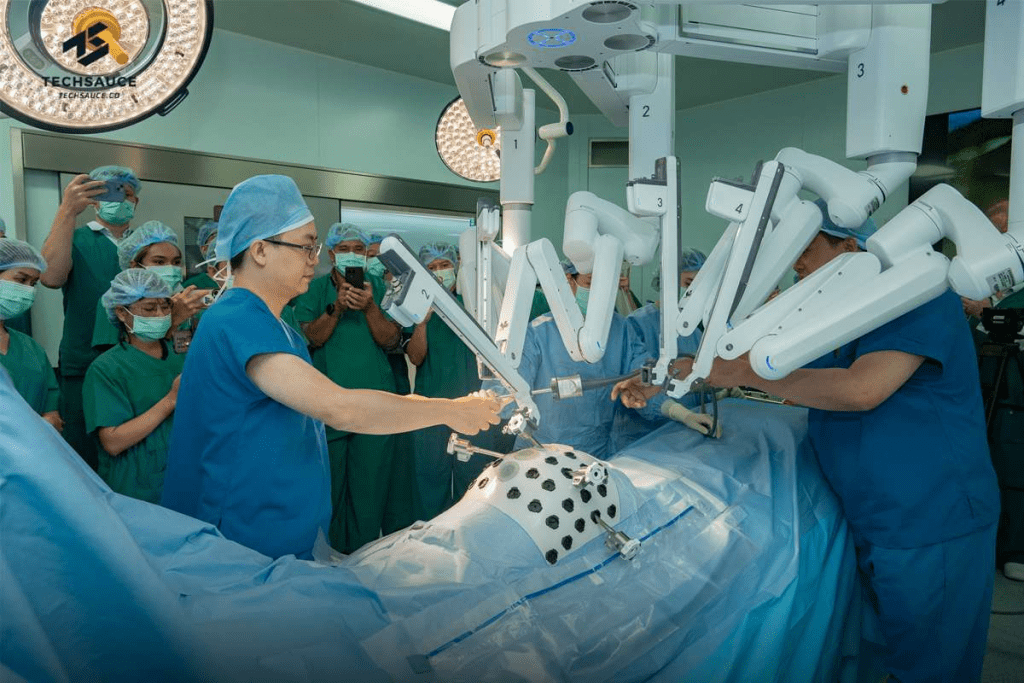
The job market for surgical assistants is strong and growing. This is because more people need surgery. Surgical assistants play a key role in this.
Current Employment Statistics
About 141,000 surgical assistants are working in the U.S. They are a big part of the healthcare team. Their work is essential for safe and efficient surgeries.
Growth Projections Through 2034
Experts predict a 5-8% increase in surgical assistant jobs by 2034. This is much faster than the average job growth. The Bureau of Labour Statistics also sees a 9% rise in health technologist jobs by 2030.
More people needing surgery and new surgical techniques are driving this growth. This means good job prospects for those in surgical assisting. First surgical assistant schools and surgical assistant courses offer chances for career growth.
4. Financial Compensation: Breaking Down the Numbers
Looking at the money surgical assistants make shows a mix of things. Salaries change a lot based on experience, where you work, and other things.
Entry-Level vs. Experienced Salary Ranges
Salaries for surgical assistants start at about $35,270 for newbies. They can go up to $116,280 for those with lots of experience. Experience is key to how much they make. More experienced ones get paid more because they’re more valuable to the team.
Regional Variations in Pay
Where you work also affects how much you earn. Big cities usually pay more than small towns. This is because of the higher cost of living and the need for skilled doctors and nurses. On average, surgical assistants make about $61,450 a year.
Hourly Wages and Overtime Considerations
It’s also important to know about hourly wages and overtime pay. Surgical assistants often work long hours, including extra time. This can really add up to their yearly pay. Their hourly rate can change, and overtime can increase their income a lot.
In summary, how much surgical assistants make depends on their experience, where they work, and how many hours they put in. Knowing these things is important if you’re thinking about becoming a surgical assistant.
5. Physical Demands of the Surgical Environment
Being a surgical assistant is tough, with long hours and high stress. It’s a job that tests your body and mind every day.
Standing for 8-12 hours is a big challenge. Assistants rarely get to sit down, as they help surgeons during surgeries.
The Reality of Standing for 8-12 Hour Shifts
Standing for hours can make you tired and sore. It can even harm your health over time. “Surgical first assistants work daytime or evening shifts and can be on call for overnight or weekend periods,” adding to the physical strain.
Long hours on your feet can cause varicose veins, back pain, and foot problems. Many surgical assistants face these issues because of their job.
Physical Strain and Common Injuries
Being a surgical assistant isn’t just about standing. They also face risks from needlesticks, cuts, and infectious diseases. It’s important to get proper training and follow safety rules to avoid these dangers.
They might get hurt from lifting patients or staying in one place for too long. Knowing how to prevent these injuries is key.
In summary, the job of a surgical assistant is physically demanding. It’s important for those thinking about this career and for hospitals to understand these challenges.
6. Work-Life Balance Challenges for Surgical Team Members
Getting a balance between work and personal life is hard for surgical team members. Their job is high-stakes and demanding. They work long hours, which affects their personal well-being.
Unpredictable Scheduling and On-Call Requirements
Surgical team members work odd hours, like nights and weekends. They also have to be ready to work at any time. This makes it hard to plan personal stuff or keep a regular schedule.
On-call requirements are tough. They mean being ready to work anytime, making it hard to plan your personal life.
Mental and Emotional Burnout Rates
The pressure of surgical work can cause mental and emotional burnout. Dealing with critical situations and patient outcomes is emotionally taxing. If not managed, it can lead to burnout.
Research shows burnout rates in surgical teams are high. This shows the need for stress management.
Strategies for Maintaining Personal Well-being
To deal with work-life balance issues, surgical team members can try a few things. They can set clear work and personal life boundaries. They can also use stress-reduction techniques like mindfulness or meditation.
Getting support from colleagues, family, and friends is also important. Plus, keeping a healthy lifestyle through exercise, a balanced diet, and enough sleep is key.
By using these strategies, surgical team members can handle their job demands better. This improves their overall well-being.
7. Conclusion: Weighing the Challenges Against the Rewards
Being a surgical assistant is tough. It demands a lot, like standing for hours and dealing with stress.
But many find it very rewarding. They get to help patients and feel proud of their work. It’s a job that brings both personal and professional joy.
LivHospital is a great place to work. They focus on high standards and care. It’s a place where surgical assistants can grow and help patients.
The good things about being a surgical assistant are many. You get to be part of important surgeries and help the team succeed. This makes the hard parts worth it. As more people need skilled assistants, this job keeps getting more important and rewarding.
FAQ’s:
What is the role of a surgical assistant in the operating room?
Surgical assistants help a lot in the operating room. They assist surgeons, handle tools, and keep the area clean and safe.
How do I become a surgical assistant?
To be a surgical assistant, you need to finish a special program. You also need to get certified and meet state rules.
What are the educational requirements for surgical assistants?
You usually need a certificate or an associate’s degree in surgical tech or a similar field. Getting certified as a surgical technologist or first assistant is also important.
What is the job outlook for surgical assistants?
The job outlook for surgical assistants is good. There’s a growing need for them until 2034.
How much do surgical assistants earn?
Salaries for surgical assistants vary. Beginners start around $40,000. More experienced ones can earn over $70,000.
What are the physical demands of being a surgical assistant?
Being a surgical assistant can be tough. You’ll often stand for long hours. This can cause back and foot pain.
How do surgical assistants maintain work-life balance?
To balance work and life, surgical assistants use strategies. They manage their schedules, take care of themselves, and get support from friends and family.
What is the difference between a surgical technologist and a surgical first assistant?
Surgical technologists prepare the room and handle tools. Surgical first assistants help surgeons and do more complex tasks.
Are there opportunities for advancement in the field of surgical assisting?
Yes, there are chances to grow in this field. Experienced assistants can lead, specialize, or move into education or sales.
References
- National Commission for the Certification of Surgical Assistants. (2013, September 30). Certification requirements. Retrieved from https://www.csaexam.com/becoming-a-csa/certification-requirements/