Last Updated on December 1, 2025 by Bilal Hasdemir

Recent statistics show that some cancers have very low survival rates. This makes them very hard to treat.
Discover the hardest cancer to cure and why treatment resistance makes it so complex.
Getting a cancer diagnosis can be very scary. It’s even worse when the cancer is aggressive or hard to treat.
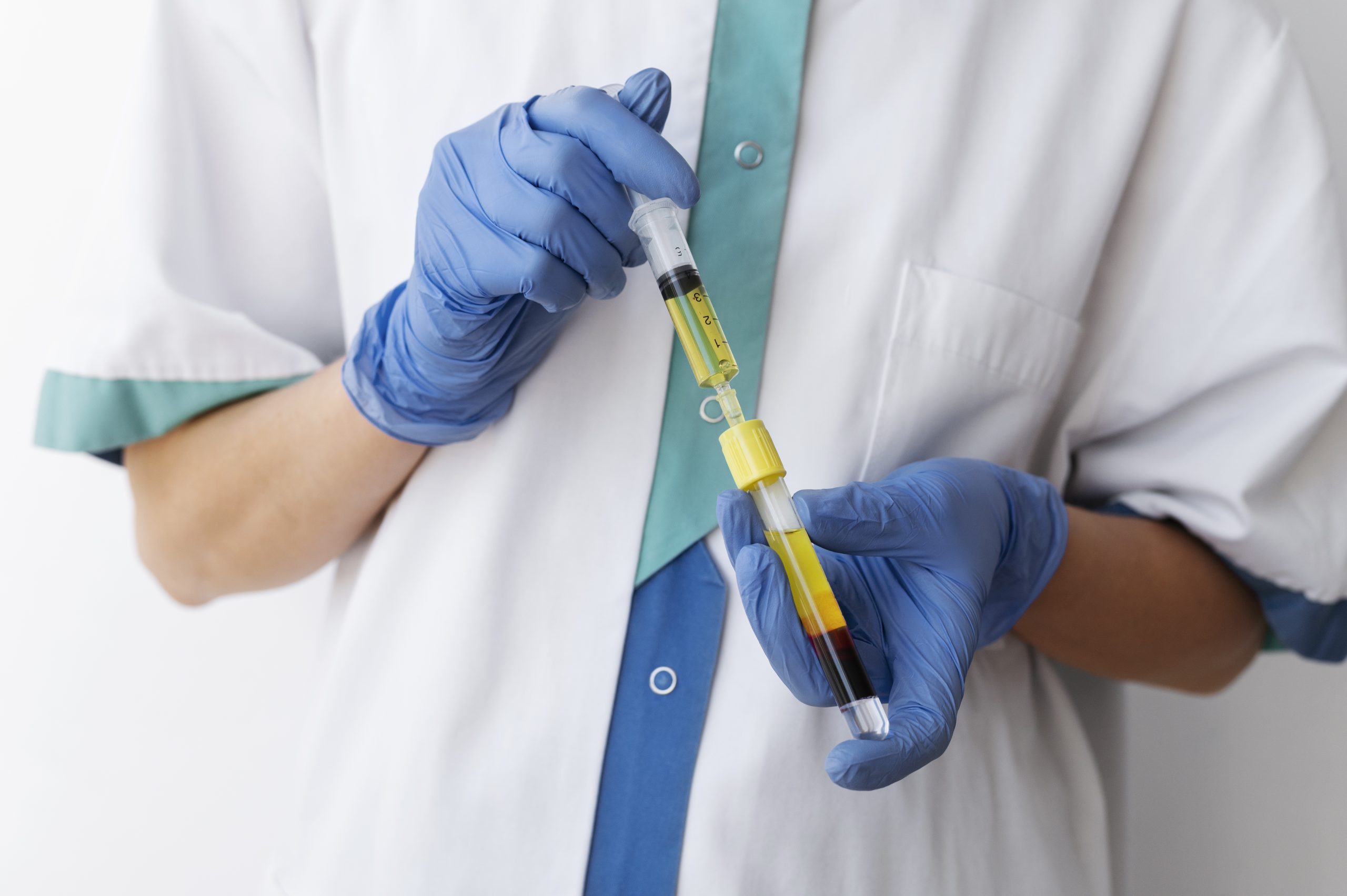
Cancer blood tests are key in finding and understanding cancer. They help doctors know how serious the disease is and what it might mean for your health.
Key Takeaways
- Certain cancers have low survival rates due to their aggressive nature or resistance to treatment.
- Cancer blood tests are essential for diagnosis and staging.
- Understanding cancer types is key for effective treatment.
- Advanced medical treatments are available for international patients.
- Comprehensive healthcare services support patients throughout their treatment journey.
Understanding Cancer Types and Their Challenges

It’s important to know about the different types of cancer and their challenges. Cancer is a wide term for many diseases, each with its own hurdles.
What Makes Some Cancers Harder to Cure?
Some cancers are tough to treat because of late diagnosis and few treatment choices. For example, pancreatic cancer is often found late, making treatment hard. The tumor’s location, the cancer cells, and the patient’s health also affect treatment difficulty.
Also, some cancers don’t respond well to treatments like chemotherapy and radiation. This makes treatment harder, leading to the need for new ways to help patients.
Common Cancer Types Considered Hard to Treat
Some cancers are very hard to treat, like pancreatic cancer, brain cancer, and ovarian cancer. These cancers face unique challenges, such as being found late, growing fast, and having few treatment options.
- Pancreatic cancer has a poor outlook because it’s often found late and surgery is limited.
- Brain cancer is tough because of the tumors’ location and the blood-brain barrier, which can block some treatments.
- Ovarian cancer is hard to treat because it’s often found when it’s already advanced.
Understanding these challenges helps in finding better treatments and improving patient care. By knowing each cancer’s unique traits, doctors can create more personalized treatment plans.
Blood Tests: An Overview
Blood tests are key in finding cancer early. They help doctors spot cancer when it’s easiest to treat. This makes treatment more likely to work.
We use different blood tests to find cancer. Two main types are tumor marker tests and complete blood count (CBC) tests.
Types of Blood Tests Used in Cancer Detection
Tumor marker tests look for special chemicals from cancer cells. For example, the PSA test finds prostate cancer. The CA-125 test helps spot ovarian cancer.
A complete blood count (CBC) checks blood cell levels. It looks at red, white blood cells, and platelets. If these levels are off, it could mean cancer.
Importance of Blood Tests in Early Diagnosis
Finding cancer early is very important. Blood tests can catch cancer before symptoms show. This means doctors can act fast.
Blood tests are also easy and don’t hurt. They’re a good first step to see if more tests are needed. This could be imaging or biopsies.
Also, blood tests track how cancer grows and how well it responds to treatment. Regular tests help doctors change treatment plans. This helps patients get better.
The Hardest Cancers to Cure

Some cancers are very hard to cure. They are often found late or have few treatment options. Early detection and research are key. We’ll look at the challenges of pancreatic, brain, ovarian, and esophageal cancers.
Pancreatic Cancer: Statistics and Prognosis
Pancreatic cancer has a poor prognosis. It’s often found late. The five-year survival rate is much lower than many cancers. The American Cancer Society says the 5-year survival rate is about 10%.
Early detection is key, but symptoms are often vague.
Brain Cancer: Unique Challenges in Treatment
Brain cancer is tough to treat because of its location. Treatments must avoid harming the brain. Survival rates vary by tumor type and grade.
Ovarian Cancer: Detection and Treatment Issues
Ovarian cancer is often found late, making treatment harder. Symptoms can be hard to spot. The 5-year survival rate is about 48%, but drops for late-stage diagnoses.
Esophageal Cancer: Risk Factors and Survival Rates
Esophageal cancer has a high death rate. Risk factors include smoking and drinking. Survival rates depend on when it’s found.
The 5-year survival rate is about 22%.
| Cancer Type | 5-Year Survival Rate | Common Risk Factors | Challenges in Treatment |
| Pancreatic Cancer | 10% | Smoking, Genetics | Late Diagnosis |
| Brain Cancer | 22% | Radiation Exposure, Genetics | Location, Limited Treatment Options |
| Ovarian Cancer | 48% | Genetics, Hormonal Factors | Nonspecific Symptoms, Late Diagnosis |
| Esophageal Cancer | 22% | Smoking, Alcohol Consumption | Late Diagnosis, Aggressive Nature |
The Role of Early Detection in Cancer Treatment
Advances in Blood Testing Technology
Finding cancer early is key to better treatment results. Early detection means we can start treatment sooner. This makes treatments work better. We’ll look at how early diagnosis helps and the new blood tests that make it possible.
How Early Diagnosis Affects Treatment Success
Early detection is important because it catches cancer before it spreads. This makes treatments more effective. Doctors say, “Early detection is key to improving cancer survival rates”
“The earlier cancer is diagnosed, the better the chances of successful treatment,”
an oncologist explained.
Thanks to early detection, treatments have gotten better. Early-stage cancers can be treated with less harsh methods. Early detection not only improves survival rates but also enhances the quality of life for cancer patients.
Advances in Blood Testing Technology
New blood tests have changed how we find cancer. These tests spot cancer biomarkers in the blood, leading to earlier diagnosis. One big leap is the circulating tumor cell test, which finds cancer cells in the blood. This technology has the power to change cancer diagnosis and treatment.
These new blood tests do more than just find cancer. They help us see if treatments are working. By tracking changes in cancer biomarkers, we can fine-tune treatment plans. The future of cancer treatment depends on keeping early detection methods improving.
Symptoms and Warning Signs of Difficult Cancers
Spotting the early signs of tough cancers is key to better survival rates and treatment success. We must know the subtle or non-specific symptoms that hint at these cancers.
Recognizing Early Signs of Pancreatic Cancer
Pancreatic cancer often shows vague symptoms that can be confused with other issues. Common signs include abdominal pain, weight loss, and jaundice. It’s important to watch for these signs, mainly in people with a family history of pancreatic cancer.
Finding pancreatic cancer early is hard because its symptoms are not clear. But knowing the risk factors and looking out for signs like new-onset diabetes or unexplained changes in bowel movements can help catch it early.
Symptoms of Ovarian Cancer and their Significance
Ovarian cancer is called a “silent killer” because its symptoms are subtle and often mistaken for less serious issues. Common symptoms include pelvic pain, bloating, and abnormal vaginal bleeding. We must take these symptoms seriously, mainly in postmenopausal women.
Spotting ovarian cancer symptoms early can greatly improve treatment outcomes. Knowing signs like persistent bloating or changes in urinary habits can lead to quicker medical checks.
By understanding and spotting the early warning signs of these hard-to-treat cancers, we can boost the chances of early detection and effective treatment.
Current Treatment Options for Hard-to-Cure Cancers
Cancer Treatment Options
Cancers that are hard to treat need new and often combined treatments. We are always looking for new ways to fight these tough cancers.
Chemotherapy and Its Limitations
Chemotherapy is a key treatment for many cancers, including hard-to-cure ones. But, it has its downsides. Chemotherapy’s problem is it doesn’t target cancer cells well, harming healthy cells too. This causes serious side effects.
Another big issue is when cancer cells start to resist chemotherapy. Over time, cancer cells can become less responsive to chemotherapeutic agents, making treatment less effective. This makes finding new treatments necessary.
Targeted Therapy and Immunotherapy Advances
In recent years, targeted therapy and immunotherapy have shown great promise for treating hard-to-cure cancers. Targeted therapy uses drugs that only attack cancer cells, protecting healthy cells.
- Targeted therapies can be used to treat cancers with specific genetic mutations.
- They offer a more precise approach compared to traditional chemotherapy.
Immunotherapy, on the other hand, boosts the body’s immune system to better fight cancer cells. Advances in immunotherapy have shown significant promise in treating treatment-resistant cancers.
| Treatment Modality | Description | Benefits |
| Chemotherapy | Uses drugs to kill cancer cells | Effective for various cancers, can be used in combination with other treatments |
| Targeted Therapy | Targets specific cancer cells | Reduces damage to healthy cells, effective for cancers with specific genetic mutations |
| Immunotherapy | Enhances the immune system to fight cancer | Shows promise in treating treatment-resistant cancers, can provide long-term benefits |
We are moving towards more personalized and effective cancer treatments. By understanding the limits of traditional treatments like chemotherapy and using new advances in targeted therapy and immunotherapy, we can help more patients with hard-to-cure cancers.
Case Studies: Real-Life Experiences with Hard Cancers
We look at real-life stories to understand the fight against tough cancers. These stories show the ups and downs of cancer treatment. They teach us about the challenges and the progress made in fighting cancer.
Patient Experiences with Pancreatic Cancer
Pancreatic cancer is tough to diagnose and treat. Yet, some patients’ stories offer hope. For example, a patient with stage III pancreatic cancer got better with a mix of chemotherapy and targeted therapy.
This shows how important a tailored treatment plan is. Early detection and aggressive treatment are key to beating pancreatic cancer.
Success Stories in Overcoming Difficult Diagnoses
Many patients have beaten tough cancer diagnoses. Their stories often mix new medical treatments with their own strength.
- A patient with ovarian cancer got better with surgery, chemotherapy, and immunotherapy.
- Someone with esophageal cancer improved with targeted therapy and changes in lifestyle.
These stories show the power of multidisciplinary care. They prove that even in tough cases, there’s hope. They also stress the need for more research and new treatments.
We share these stories to inspire and offer insights into cancer treatment. They remind us of the importance of hope, resilience, and medical progress in fighting cancer.
Lifestyle Factors and Cancer Prognosis
Lifestyle factors and cancer prognosis
Learning about the connection between lifestyle and cancer can help patients make better health choices. Cancer’s outcome isn’t just about the type and stage. Lifestyle choices play a big role too.
The Impact of Diet and Exercise on Cancer Survival
Eating well and staying active are key for health, and they can also affect cancer survival. A diet full of fruits, veggies, and whole grains, along with regular exercise, can boost treatment success.
Research shows that a healthy weight, balanced diet, and exercise lead to better survival rates. A healthy lifestyle can lower cancer coming back and improve overall health.
How Smoking and Alcohol Affect Treatment Outcomes
Smoking and drinking too much alcohol are cancer risks. Keeping these habits up during treatment can harm results. Smoking, in particular, can make treatments less effective and raise complication risks.
Studies show that quitting smoking and cutting down on alcohol during treatment leads to better results. Avoiding these harmful substances can help the body recover better from treatment.
| Lifestyle Factor | Impact on Cancer Prognosis | Recommended Action |
| Diet | A healthy diet can improve cancer survival rates. | Focus on consuming fruits, vegetables, and whole grains. |
| Exercise | Regular physical activity can enhance treatment outcomes. | Engage in moderate-intensity exercise, such as brisk walking, most days of the week. |
| Smoking | Smoking can reduce treatment effectiveness and increase complications. | Quit smoking to improve treatment outcomes. |
| Alcohol Consumption | Excessive alcohol intake can negatively impact treatment. | Limit or avoid alcohol consumption during treatment. |
Future Directions in Cancer Research and Treatment
As we explore new ways to fight cancer, we see a bright future ahead. Blood testing is leading the way with big steps forward. This is changing how we detect and treat cancer.
Advances in Cancer Detection through Blood Tests
New blood tests, like those for circulating tumor cells, are making a big difference. They help catch cancer early, which is key to better treatment. Early detection means better chances for patients.
Emerging Therapies and Clinical Trials
New treatments like targeted therapy and immunotherapy are showing great promise. Clinical trials are testing these treatments, giving hope to many. As research grows, we expect even better treatments to come.
With these advances, we’re on the path to better care for cancer patients. A brighter future is ahead for those fighting this disease.
FAQ
What are the hardest cancers to cure?
Cancers like pancreatic, brain, ovarian, and esophageal are tough to cure. They are often found late. This makes treatment options limited.
How do blood tests help in cancer diagnosis?
Blood tests are key in finding cancer early. They look for tumor markers and abnormal cells. This helps in early detection and treatment.
What are the symptoms of pancreatic cancer?
Pancreatic cancer symptoms are not always clear. They include pain, weight loss, fatigue, and jaundice. Spotting these early is vital for treatment.
How does early detection impact cancer treatment outcomes?
Finding cancer early greatly improves treatment success. It allows for quicker action and reduces cancer spread. This makes treatments more effective.
What are the current treatment options for hard-to-cure cancers?
Treatments for hard cancers include chemotherapy, targeted therapy, and immunotherapy. These can be used alone or together to better outcomes.
How do lifestyle factors affect cancer prognosis?
Lifestyle choices like diet, exercise, smoking, and alcohol use impact cancer outcomes. A healthy lifestyle can improve survival and treatment success.
What are the advances in blood testing technology for cancer detection?
New blood tests like circulating tumor cell tests and liquid biopsies are emerging. They help find cancer early and track treatment.
What are the emerging therapies for hard-to-cure cancers?
New therapies include immunotherapy and targeted therapy. These are being tested in trials. They offer hope for better treatments.
How does brain cancer treatment differ from other cancers?
Brain cancer treatment is unique due to the brain’s structure. It may include surgery, radiation, and chemotherapy. Treatments are tailored for each patient.
What are the risk factors for esophageal cancer?
Esophageal cancer risks include smoking, alcohol, obesity, and a diet lacking fruits and veggies. Knowing these can help spot high-risk groups early.
Can ovarian cancer be detected early?
Ovarian cancer is hard to catch early. Symptoms like bloating, pain, and eating issues are signs. Quick medical action is key for diagnosis and treatment.
What is the role of clinical trials in cancer research?
Clinical trials are vital in cancer research. They test new treatments and check their safety and effectiveness. This helps find new options for cancer patients.
References
Prior, S. J., Munk, S., & Bakkers, A. L. (2024). Pancreatic cancer: Survival rates and prognosis. StatPearls. https://www.ncbi.nlm.nih.gov/books/NBK539869/