Last Updated on November 14, 2025 by Ugurkan Demir
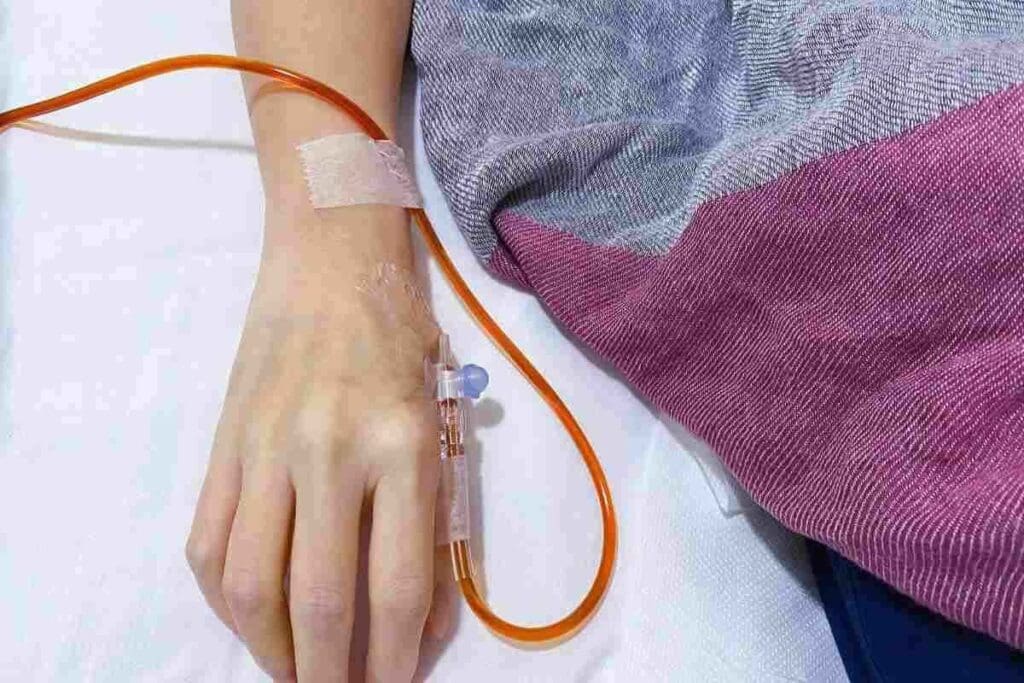
Understanding your health starts with knowing your bloodwork. A hemoglobin test, also called an hb test, is key. It checks how much hemoglobin is in your red blood cells. This shows if your body can carry enough oxygen to your tissues and organs.
At Liv Hospital, we see how important this blood test is. It’s often part of a complete blood count (CBC). It gives us clues about your health, like if you have anemia or polycythemia.
Looking at your hemoglobin levels helps us understand your health better. It lets us spot problems early. This way, we can give you care that fits your needs.
Key Takeaways
- A hemoglobin test measures the amount of hemoglobin in your red blood cells.
- Hemoglobin carries oxygen to your body’s organs and tissues.
- The test is a key part of a complete blood count (CBC).
- It helps diagnose conditions like anemia and polycythemia.
- Understanding your hemoglobin levels is key to understanding your overall health.
The Science Behind Hemoglobin: Your Body’s Oxygen Carrier
Hemoglobin is a protein rich in iron. It’s key to getting oxygen to our body’s tissues and organs. This makes it essential for our health.
What Is Hemoglobin and Its Function in Red Blood Cells
Hemoglobin is a protein in red blood cells. It carries oxygen from the lungs to our body’s tissues. An expert clinic says it’s an iron-rich protein that’s vital for this process.
Without enough hemoglobin, our bodies can’t transport oxygen well. This leads to health problems.
Hemoglobin does more than just carry oxygen. It also releases oxygen to tissues that need it. This is key for our organs and tissues to stay healthy.
The Molecular Structure of Hemoglobin
Hemoglobin’s molecular structure is complex. It’s made of four protein chains and four heme groups, each with iron. This setup lets hemoglobin bind to oxygen and transport it to the body.
Its structure changes when it binds to oxygen. This change helps it carry oxygen to where it’s needed most.
How Hemoglobin Transports Oxygen Throughout Your Body
Hemoglobin carries oxygen through the bloodstream. It starts in the lungs, where it binds to oxygen. This forms oxyhemoglobin, which is then carried to the body’s tissues.
When oxyhemoglobin reaches capillaries, it releases oxygen to the tissues. Then, it picks up carbon dioxide and goes back to the lungs. This cycle is vital for our health.
Key aspects of hemoglobin’s oxygen transport function include:
- Binding to oxygen in the lungs
- Releasing oxygen to the body’s tissues
- Transporting carbon dioxide back to the lungs
Understanding hemoglobin is key to appreciating its role in our health. Knowing its importance helps us see why abnormal levels are a concern. It also highlights the need for proper diagnosis and treatment.
Everything You Need to Know About the HB Test
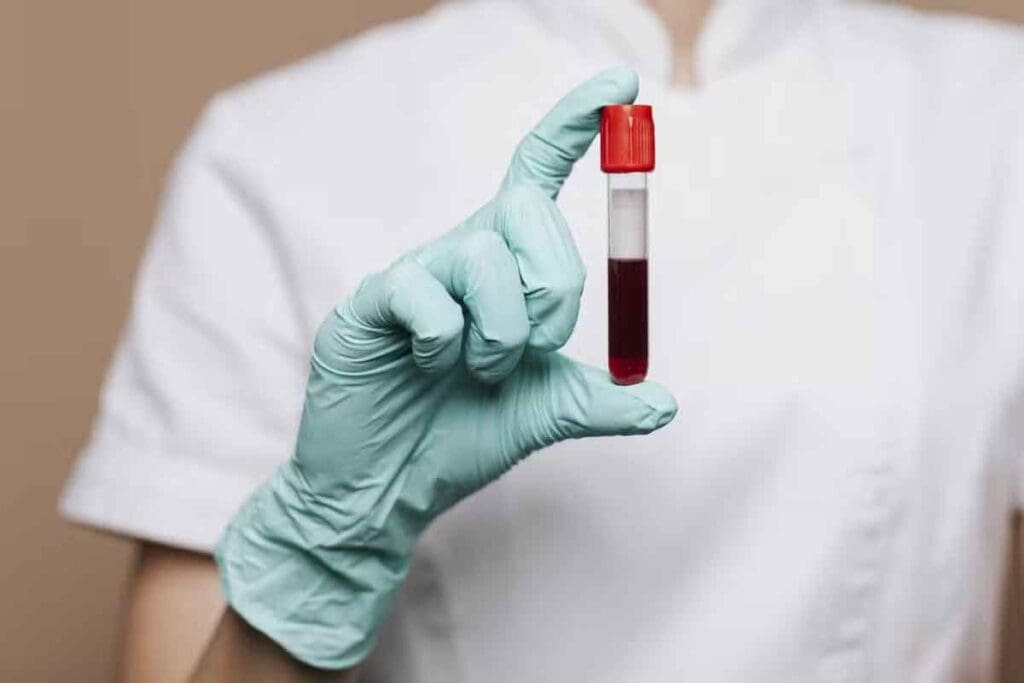
The HB test is a key tool for doctors to check your health. It helps find issues like anemia and polycythemia. Knowing about the HB test helps you get ready and understand your results.
When Doctors Recommend Hemoglobin Testing
Doctors often suggest a hemoglobin test during check-ups or when they see signs of anemia or blood disorders. Common signs include feeling tired, weak, pale, and short of breath. These signs mean your body might not have enough healthy red blood cells.
People with chronic diseases like kidney disease or cancer might also get tested. Pregnant women get tested to make sure their hemoglobin is healthy.
The HB Test as Part of a Complete Blood Count (CBC)
A hemoglobin test is part of a Complete Blood Count (CBC). The CBC checks red and white blood cells and platelets. It gives a big picture of your blood health and can spot many conditions.
During a CBC, blood is analyzed for hemoglobin levels and more. This is done in a lab with automated equipment for accurate results.
Step-by-Step Process of Blood Collection and Analysis
Getting a hemoglobin test involves a few steps. Here’s what happens:
- A healthcare professional cleans the area where the blood will be taken, usually a vein in the arm.
- A needle is inserted into the vein, and blood is collected in a tube.
- The blood sample goes to a lab for analysis.
- In the lab, automated equipment measures hemoglobin levels.
Preparing for Your Hemoglobin Test
Getting ready for a hemoglobin test is easy. You don’t need to fast or prepare in any special way. But, tell your doctor about any medicines you’re taking, as they can affect your hemoglobin.
Wear clothes that let your arm be easily accessed for the blood draw. If you’re worried about the blood draw, talk to your doctor.
Decoding Your HB Test Results: What the Numbers Mean
Understanding your HB test results is key to knowing your health. Hemoglobin (HB) tests show how well your body carries oxygen. This is important for your body’s health.
Normal Hemoglobin Ranges for Men, Women, and Children
Hemoglobin ranges change with age, sex, and lab standards. Adult men usually have 13.2 to 16.6 grams per deciliter (g/dL) of hemoglobin. Women have a range of 11.6 to 15 g/dL. Kids’ ranges vary as they grow.
Newborns have higher hemoglobin, from 14 to 24 g/dL. This number goes down as they get older. Always check with a doctor for your specific range.
Understanding Low Hemoglobin Values and Their Implications
Low hemoglobin, or anemia, can mean several health problems. It might be due to iron, vitamin, or chronic disease issues. Symptoms include tiredness, weakness, and pale skin.
If your hemoglobin is low, your doctor will do more tests. They might suggest diet changes, supplements, or other treatments.
High Hemoglobin Levels: Causes and Concerns
High hemoglobin levels are also serious. They can be due to too many red blood cells, like in polycythemia vera. They can also happen from high altitudes or intense exercise.
Other reasons for high hemoglobin include dehydration, kidney disease, and some cancers. High levels can lead to blood clots and heart problems. It’s important to find and treat the cause.
Factors That Can Affect Your Hemoglobin Levels
Many things can change your hemoglobin levels. Diet, altitude, smoking, and medical conditions are examples. People at high altitudes might have higher hemoglobin to adapt to less oxygen.
Your diet is very important for healthy hemoglobin. Iron, vitamin B12, and folate are key. Some medicines and diseases can also affect hemoglobin levels.
5 Common Health Conditions Revealed by Abnormal Hemoglobin Levels
Hemoglobin tests can show many health problems, from anemia to complex blood disorders. Abnormal hemoglobin levels are linked to many health issues affecting millions. Knowing about these conditions is key for correct diagnosis and care.
Iron Deficiency Anemia: The Most Common Cause of Low HB
Iron deficiency anemia is the top reason for low hemoglobin. It happens when the body doesn’t have enough iron for hemoglobin, a key part of red blood cells. Symptoms include tiredness, weakness, and shortness of breath. Causes include not getting enough iron, losing blood too much, and needing more iron during pregnancy.
- Inadequate dietary iron intake
- Chronic blood loss due to conditions like ulcers or heavy menstrual periods
- Increased iron requirements during pregnancy
Other Types of Anemia: B12, Folate, and Chronic Disease
Other anemias can also affect hemoglobin levels. Vitamin B12 deficiency anemia happens when the body lacks vitamin B12, needed for red blood cells. Folate deficiency anemia is similar, caused by a lack of folate. Anemia of chronic disease is linked to long-term illnesses like rheumatoid arthritis or chronic infections.
- Vitamin B12 deficiency anemia
- Folate deficiency anemia
- Anemia of chronic disease
Polycythemia: When Your Body Produces Too Many Red Blood Cells
Polycythemia is when the body makes too many red blood cells, causing high hemoglobin levels. This can make blood thicker, leading to heart problems. Polycythemia can be genetic or caused by chronic low oxygen or tumors.
Hemoglobinopathies: Sickle Cell Disease and Thalassemia
Hemoglobinopathies are genetic disorders affecting hemoglobin. Sickle cell disease causes red blood cells to be misshapen, leading to crises and other issues. Thalassemia results in less hemoglobin, causing anemia and other health problems. Both need careful management to avoid long-term harm.
It’s important to understand these conditions to interpret hgb bloodwork results and manage related health issues. Abnormal hemoglobin levels can have big effects, and correct diagnosis is vital for treatment.
Modern Innovations in Hemoglobin Monitoring
The world of hemoglobin monitoring is changing fast with new tech. We’re moving towards methods that focus more on the patient. This makes healthcare better and makes patients happier.
Breaking Barriers with Non-Invasive Testing
New non-invasive tests are changing how we check hemoglobin levels. These tests use special sensors and smart algorithms. They measure hemoglobin without taking blood, making it less painful and safer.
Key benefits of non-invasive testing include:
- Reduced patient discomfort
- Lower risk of infection
- Increased frequency of monitoring
- Improved patient compliance
Point-of-Care Testing for Immediate Results
POCT devices for hemoglobin are getting more popular in hospitals. These small devices give quick results. This helps doctors make fast decisions about patient care.
The advantages of POCT include:
- Rapid results, facilitating timely clinical decisions
- Portability, allowing use in various clinical settings
- Minimally invasive or non-invasive testing options
- Reduced need for laboratory infrastructure
Home Monitoring Devices for Regular Checks
Home devices for checking hemoglobin levels are helping patients be more involved in their health. These devices are easy to use. They let patients check their levels at home.
Benefits of home monitoring devices include:
- Increased patient engagement in healthcare
- More frequent monitoring, enabling early detection of changes
- Reduced need for hospital visits
- Enhanced patient autonomy
Digital Health Applications for Tracking Trends
Digital health apps are key in tracking hemoglobin trends. These apps store and analyze data from different devices. They give insights into patient health.
The benefits of digital health applications include:
- Long-term tracking of hemoglobin levels
- Personalized insights and recommendations
- Secure data storage and sharing with healthcare providers
- Integration with other health and wellness data
Conclusion: Taking Proactive Steps Based on Your Hemoglobin Results
Knowing your hemoglobin test results is key to keeping or improving your health. Your hemoglobin levels tell a lot about your overall health.
Your healthcare provider might suggest more tests if your results show issues. This could include hnh blood work to find the cause. If your hemoglobin is low, they might recommend iron supplements or other treatments for iron deficiency anemia.
Acting on your hemoglobin results can greatly improve your health. Working with your doctor and making smart lifestyle choices can boost your hemoglobin levels. It’s important to understand your test results, like what hgb on a blood test means, to manage your health.
Being informed and proactive helps you maintain healthy hemoglobin levels. Regular hb lab tests and advice from your healthcare provider are essential to reach this goal.
FAQ
What is a hemoglobin (HB) test, and why is it important?
A hemoglobin test checks the hemoglobin in your blood. It’s key for carrying oxygen around your body. It helps doctors see if you’re healthy or if you have issues like anemia.
What is hemoglobin, and how does it work?
Hemoglobin is a protein in red blood cells that holds iron. This iron binds to oxygen, letting it reach your body’s tissues. Its shape changes when it binds to oxygen, helping it move around.
What is a normal hemoglobin range?
Normal hemoglobin levels change based on age, sex, and other factors. For adult men, it’s 13.5 to 17.5 g/dL. Women are 12 to 16 g/dL. Kids’ levels vary with age.
What does a low hemoglobin level indicate?
Low hemoglobin means you might have anemia. This can be due to iron or vitamin shortages, chronic diseases, or other reasons. Symptoms include tiredness, weakness, and breathing problems.
What does a high hemoglobin level mean?
High hemoglobin levels suggest polycythemia, where you have too many red blood cells. It can be caused by dehydration, high altitudes, or certain health issues.
How is a hemoglobin test performed?
A hemoglobin test is part of a CBC. It’s done by taking blood from a vein in your arm. Then, the lab analyzes it.
Do I need to prepare for a hemoglobin test?
Usually, you don’t need to prepare for a hemoglobin test. But always check with your doctor. They might have special instructions.
Can hemoglobin levels be affected by diet?
Yes, your diet can change your hemoglobin levels. Iron deficiency is common, and eating iron-rich foods can help. Lack of vitamins like B12 or folate can also affect levels.
Are there any new technologies for hemoglobin testing?
Yes, new methods like non-invasive testing and digital apps are available. They make it easier to check and track your hemoglobin levels.
What should I do if my hemoglobin test results are abnormal?
If your test shows abnormal results, talk to your doctor. They’ll explain what it means and what steps to take next. This might include more tests, lifestyle changes, or treatment.
Reference
- Kamal, A. H., & Parsi, M. I. (2022). Noninvasive hemoglobin monitoring in clinical trials: a systematic review. Journal of Clinical Monitoring and Computing. https://www.ncbi.nlm.nih.gov/pmc/articles/PMC9373349/
- Gayat, E., Lebrun, T., Siriez, J., Levraut, J., & Durocher, A. (2013). SpHb versus laboratory Hb: precision and accuracy in an emergency setting. British Journal of Anaesthesia. https://pmc.ncbi.nlm.nih.gov/articles/PMC4708068/