Last Updated on November 4, 2025 by mcelik
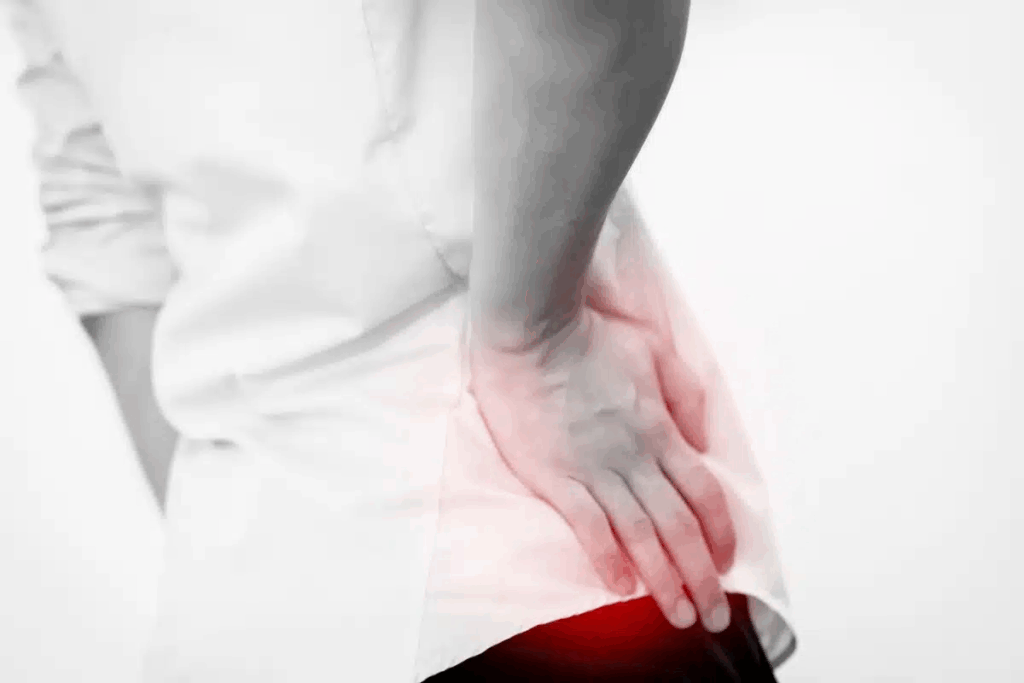
Millions of people worldwide suffer from herniated discs, leading to chronic pain and discomfort. Many are concerned about the possibility of recovery. We know how tough it is for those dealing with this issue. Learn if Healing Herniated Disc Without Surgery is possible and the natural ways to support spinal recovery.
A herniated disc can be very debilitating. But, some people find relief without surgery. The chance of recovery depends on several factors, like how severe the condition is and the success of non-surgical treatments.
Knowing the herniated disc recovery timeline is key for managing hopes and making smart treatment choices. We’ll look at what affects long-term healing and discuss non-surgical ways to ease pain.
Key Takeaways
- Understanding the natural healing process of herniated discs is key for effective management.
- The severity of the condition greatly affects the chance of recovery.
- Many people find relief without surgery through non-surgical treatments.
- The recovery timeline varies from person to person.
- With the right treatment, long-term healing is possible.
Understanding Herniated Discs
It’s important to know about herniated discs to manage and treat them well. This condition affects the spine and causes pain for many people around the world.
What Is a Herniated Disc?
A herniated disc happens when the soft center of a spinal disc bulges through a tear. This can press on nerves, causing pain, numbness, or weakness in the back or legs.
Common Causes of Disc Herniation
Many things can lead to a herniated disc. Aging is a big factor, as discs lose water and flexibility with age. Wear and tearon the spine, bad lifting, and sudden, hard activities also cause it. Plus, your genes can affect how strong your discs are.
Symptoms and Diagnosis
The signs of a herniated disc vary based on where and how bad it is. You might feel pain, pain that spreads, numbness, tingling, or weakness in your arms or legs. Doctors use your medical history, a physical check, and tests like MRI or CT scans to find out if you have one.
Getting a correct diagnosis is key to finding the right treatment. Doctors use what they learn from these tests to decide the best treatment. This could be simple care or more serious surgery.
The Natural Healing Process of Herniated Discs
Research shows that some herniated discs can heal with just treatment, giving hope to those who don’t want surgery. The healing of herniated discs is a complex process. It involves many physiological steps.
How the Body Repairs Disc Damage
The body can fix damaged discs on its own. It starts by reducing inflammation and then rebuilding the disc tissue. This is helped by growth factors and the body’s natural healing.
Key steps in the repair process include:
- Reduction of inflammation around the herniated disc
- Resorption of the herniated disc material
- Regeneration of disc tissue
- Stabilization of the affected spinal segment
Typical Healing Timeline
The time it takes for herniated discs to heal varies. Some people feel better in a few weeks, while others take months.
Factors influencing the healing timeline include:
- The size and location of the herniation
- The overall health of the individual
- The effectiveness of conservative treatment
- Lifestyle factors such as diet and exercise
Factors That Influence Natural Recovery
Many things can affect how well herniated discs heal naturally. Knowing these can help make treatment plans better.
Important factors include:
| Factor | Description | Impact on Recovery |
| Age | The patient’s age can affect disc health and recovery. | Younger individuals tend to have better recovery outcomes. |
| Lifestyle | Diet, exercise, and smoking habits can influence disc health. | A healthy lifestyle can enhance recovery. |
| Overall Health | Presence of other health conditions can impact recovery. | Managing chronic conditions can improve outcomes. |
Is Healing Possible After 2 Years?
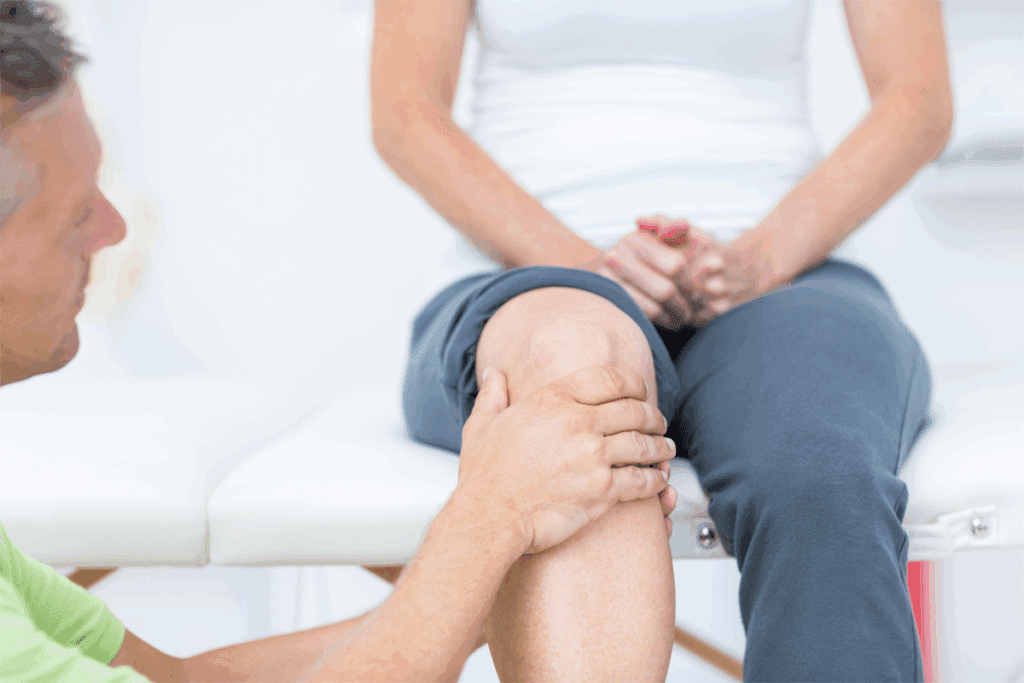
Recent research has shown that healing from herniated discs is possible, even after 2 years. This news brings hope to those living with the condition for a long time.
Research on Long-Term Herniated Disc Recovery
Studies reveal the body’s ability to heal, even with long-standing herniated discs. A study in the Journal of Orthopaedic Research showed patients improved significantly after 2 years.
Recent studies have looked at long-term outcomes for herniated disc patients. A study in the Spine Journal found many patients saw symptom improvement over 2 years, without surgery.
Another study in the Journal of Neurosurgery: Spine found age and health play big roles in recovery chances.
Success Stories and Case Studies
Many people have healed from herniated discs after 2 years. Their stories often include conservative treatments, lifestyle changes, and alternative therapies.
A case study in a medical journal told of a 45-year-old man with a herniated disc for over 2 years. He used physical therapy, pain management, and lifestyle changes to find relief.
| Patient Profile | Treatment Approach | Outcome |
| 45-year-old male, herniated disc for 2+ years | Physical therapy, pain management, lifestyle changes | Significant relief from symptoms |
| 50-year-old female, herniated disc for 3 years | Conservative management, alternative therapies | Noticeable improvement in quality of life |
What Medical Professionals Say About Late Healing
Medical professionals have different views on late healing from herniated discs. Some are hopeful, while others stress the need to manage expectations.
An orthopedic specialist, says, “While healing chances decrease with time, it’s not out of the question. Patients should explore different treatments and work with their healthcare team.”
“The chance of healing varies greatly, depending on the patient’s health and the herniation’s severity.”
Spine Specialist
Why Some Herniated Discs Don’t Heal Quickly
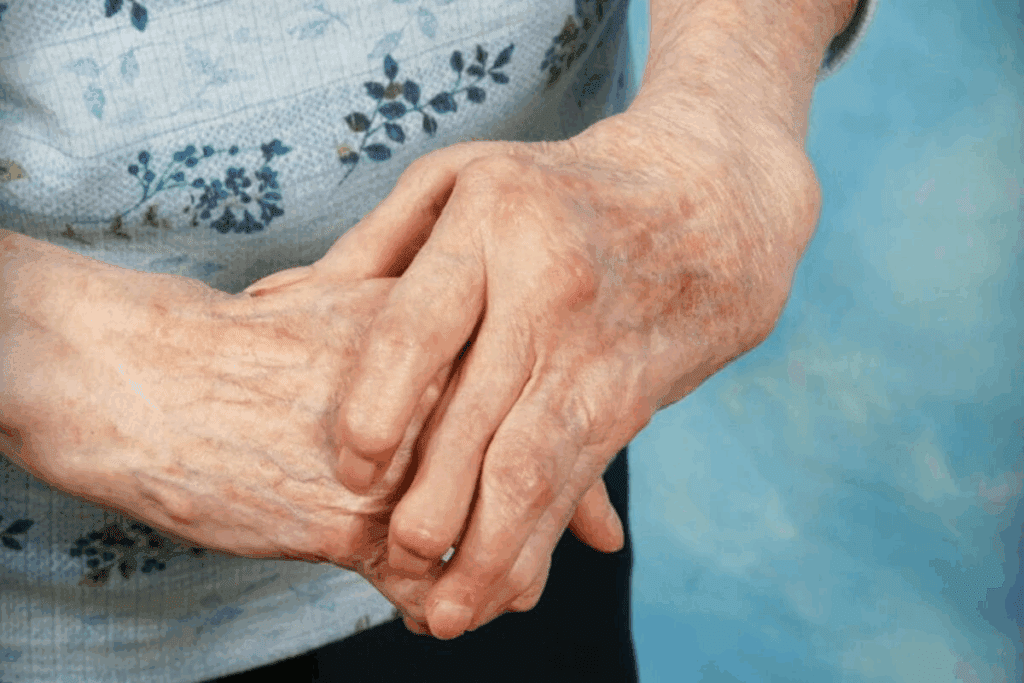
Some herniated discs heal fast, but others take longer. This is due to many factors like anatomy, lifestyle, and health conditions. Knowing these can help patients understand their healing process better.
Anatomical Factors
The spine’s structure greatly affects how a herniated disc heals. Disc location and size are key. For example, discs in the lower back might heal differently than those in the neck. Also, bigger herniations might take longer to heal or might not heal at all.
Other spinal issues like spinal stenosis or spondylolisthesis can also slow healing. These conditions change the spinal environment, making it harder for the disc to recover.
Lifestyle Contributors
Lifestyle choices can greatly affect herniated disc healing. Smoking can slow healing by reducing blood flow. Obesitycan also put more stress on the spine, slowing healing.
Physical activity levels are also important. Too much activity can make things worse, while too little can cause stiffness. Finding the right balance is key.
“A well-balanced rehabilitation program that includes appropriate exercises can significantly improve outcomes for patients with herniated discs.” – Orthopedic Specialist
Medical Conditions That Delay Healing
Some health conditions can make it harder for herniated discs to heal. Diabetes can affect blood sugar and circulation. Autoimmune diseases can make the body attack its own tissues, complicating healing.
Osteoporosis can also make the spine unstable, making healing harder. Patients with these conditions need to work closely with their doctors to manage their health and support healing.
Understanding these factors helps both patients and doctors create better treatment plans. This can improve healing chances for each individual.
Healing Herniated Disc Without Surgery: Comprehensive Approaches
Healing herniated discs without surgery needs a mix of medical treatments, lifestyle changes, and alternative therapies. Every person’s situation is different, so a treatment plan must be tailored just for them.
The Multi-Disciplinary Approach
A team effort is key for non-surgical herniated disc treatment. This team includes orthopedic specialists, physical therapists, and sometimes alternative medicine practitioners. They work together to make a comprehensive treatment plan.
This plan might include physical therapy to strengthen the muscles around the spine. Chiropractic care can help improve spinal alignment. Alternative therapies like acupuncture can help manage pain and aid in healing.
Creating a Long-Term Recovery Plan
Creating a long-term recovery plan is vital for herniated disc healing. This plan should fit the individual’s needs. It might include lifestyle modifications like dietary changes, exercise routines, and stress management.
It’s also key to have realistic expectations for recovery. Healing a herniated disc without surgery can take several months to a few years.
Setting Realistic Expectations
Setting realistic expectations is important for the emotional and psychological aspects of recovery. We tell patients that some may see big improvements in a few months. Others might need more time.
A long-term recovery plan should include regular check-ups with healthcare providers. This helps monitor progress and adjust the treatment plan as needed. This proactive approach aims for the best outcomes in non-surgical herniated disc treatment.
Physical Therapy Interventions for Long-Standing Herniated Discs
Physical therapy is a key way to help people with long-standing herniated discs. These discs can cause a lot of pain and discomfort. Physical therapy is important for managing and treating chronic herniated disc symptoms.
Specialized Exercises for Chronic Disc Issues
Special exercises are vital for recovering from herniated discs. They help strengthen the muscles around the spine and improve flexibility. We suggest exercises like pelvic tilts, knee to chest stretches, and gentle lumbar extensions.
Manual Therapy Techniques
Manual therapy, like spinal mobilization and soft tissue massage, can greatly help. These methods reduce muscle tension and improve joint mobility. They also help the healing process.
Progressive Rehabilitation Programs
Progressive rehabilitation programs are made just for you. They get more challenging as you get better. Here’s what a sample program might look like:
| Stage | Exercises | Goals |
| 1 | Pelvic tilts, gentle stretching | Pain reduction, initial mobility |
| 2 | Strengthening exercises (e.g., bridges) | Improved strength, stability |
| 3 | Advanced strengthening, aerobic conditioning | Full recovery, return to normal activities |
Physical therapy, including exercises, manual therapy, and rehabilitation programs, is a complete solution. It helps manage and recover from long-standing herniated discs.
Exercise Protocols for Herniated Disc
Choosing the right exercises can greatly help in recovering from herniated discs. Exercise is key in rehab, boosting strength, flexibility, and heart health. We’ll look at exercises that help with herniated disc recovery, focusing on stretching, mobility, and low-impact cardio.
Flexibility and Mobility Work
Stretching and mobility exercises are vital for keeping the spine flexible and reducing stiffness. Gentle stretches can ease pain and boost flexibility. It’s important to work on the hamstrings, hip flexors, and lower back muscles.
- Hamstring Stretches: Tight hamstrings can make lower back pain worse. Stretching them can help ease tension.
- Hip Flexor Stretches: Tight hip flexors can lead to lower back strain. Regular stretching can enhance mobility.
- Cat-Cow Stretch: This exercise gently moves the spine, improving flexibility and reducing stiffness.
A spine specialist, says, “Flexibility exercises are key for spinal health and injury prevention.”
“Flexibility is key to maintaining a healthy spine, and it’s an often-overlooked aspect of back care.”
Low-Impact Cardiovascular Options
Low-impact cardio exercises are great for heart health without straining the spine. Walking, swimming, and cycling are excellent choices.
| Exercise | Benefits | Intensity Level |
| Walking | Improves cardiovascular health, strengthens lower body | Low |
| Swimming | Low-impact, improves cardiovascular fitness, strengthens muscles | Variable |
| Cycling | Enhances cardiovascular fitness, strengthens lower body | Variable |
Start slow and gradually increase the intensity and time of these exercises. As Physical Therapy Journal points out, “Gradual progression is key to avoiding overexertion and ensuring long-term adherence to exercise programs.”
Pain Management Strategies for Persistent Herniated Discs
Dealing with persistent herniated disc pain can be tough. But, there are many ways to find relief. It’s key to manage pain well to improve life quality for those with chronic pain.
Medication Options
Medicine is a big help in managing herniated disc pain. Here are some common medicines:
- Nonsteroidal Anti-Inflammatory Drugs (NSAIDs): These are often the first choice to cut down inflammation and pain.
- Muscle Relaxants: Good for muscle spasms caused by herniated discs.
- Oral Steroids: Used for short times to lessen severe inflammation.
- Narcotic Pain Relievers: For severe cases, these are used for short periods because of the risk of addiction.
It’s important to talk to a doctor to find the right medicine and how much to take.
Non-Pharmaceutical Pain Relief
There are also non-medical ways to help:
- Physical Therapy: Special exercises can make the muscles around the spine stronger, helping to reduce pain.
- Chiropractic Care: Spinal adjustments can help align the spine and ease pressure on the herniated disc.
- Acupuncture: This ancient Chinese method uses thin needles to stimulate healing and pain relief.
These methods can be used alone or with medicine to manage pain better.
When to Consider Interventional Procedures
For some, more serious treatments might be needed:
| Procedure | Description | Benefits |
| Epidural Steroid Injections | Injecting steroids into the epidural space around the spinal cord to reduce inflammation. | Significant pain relief, reduced inflammation. |
| Nerve Root Blocks | Injecting medication into the nerves that are causing pain. | Targeted pain relief, diagnostic information. |
| Spinal Cord Stimulation | Implanting a device that sends electrical impulses to the spinal cord to block pain signals. | Long-term pain relief, adjustable. |
These procedures are considered when other treatments haven’t worked well enough.
Managing persistent herniated disc pain often needs a mix of strategies. Working with healthcare providers to create a personalized plan can greatly improve results.
Lifestyle Modifications for Long-Term Disc Health
Making smart lifestyle choices is key to easing herniated disc symptoms and keeping your spine healthy. By adding healthy habits to your daily routine, you can greatly improve your disc health over time.
Ergonomic Considerations
Good ergonomics is important for lessening spine strain. Making sure your workspace supports good posture can help with herniated disc symptoms. This means adjusting chair heights, monitor angles, and keyboard positions for a neutral spine.
Small ergonomic changes can make a big difference in easing pain and supporting your spine. For example, using an ergonomic chair or a standing desk can help keep your back in a healthy position.
Weight Management
Keeping a healthy weight is vital for lessening spine pressure and improving disc health. Too much weight can make herniated disc symptoms worse by adding more stress on spinal discs.
Eating well and exercising regularly can help you stay at a healthy weight. A healthy lifestyle is essential for managing herniated disc symptoms and keeping overall well-being.
Sleep Positioning and Quality
How you sleep can greatly affect your disc health. Sleeping on a supportive mattress and using the right pillow can help keep your spine aligned and reduce pain.
As a spinal health expert notes, “Sleeping on your side with a pillow between your knees can align your spine and lessen disc strain.” Using these sleep positions can help improve your spinal health.
Stress Management
High stress levels can make muscle tension worse, which can worsen herniated disc symptoms. Doing stress-reducing activities like meditation, yoga, or deep breathing can help manage stress.
By adding stress management to your daily routine, you can lessen muscle tension and promote relaxation, which is good for your spine.
“Chronic stress can harm spinal health. By focusing on stress management, people can better handle herniated disc symptoms and enhance their life quality.”
Nutritional Approaches to Support Disc Healing
Eating a diet full of nutrients is key to keeping spinal discs healthy. We’ll look at how certain foods can help heal herniated discs.
Anti-Inflammatory Diet
An anti-inflammatory diet helps reduce swelling around herniated discs. This can ease pain and help the disc heal. Foods like salmon and sardines are great because they fight inflammation.
Adding fruits and veggies to your meals is also smart. They’re packed with antioxidants and nutrients that fight inflammation. Here are some good ones:
- Berries rich in anthocyanins
- Leafy greens like spinach and kale
- Tomatoes rich in lycopene
Don’t forget to eat whole grains and lean proteins too. They’re part of a healthy diet.
Supplements for Disc Health
While a good diet is essential, some supplements can help too. Glucosamine and chondroitin are popular for keeping discs healthy.
| Supplement | Potential Benefits |
| Glucosamine | Supports cartilage health and potentially aids in disc repair |
| Chondroitin | May help maintain the structural integrity of discs |
| Omega-3 fatty acids | Reduces inflammation and promotes overall health |
Hydration and Disc Function
Drinking enough water is important for spinal discs. Discs are mostly water, and staying hydrated keeps them healthy and cushioned.
Proper hydration also helps discs get the nutrients they need. This supports their health and can help them heal.
Drink lots of water every day. How much you need depends on how active you are and where you live.
Recovery After 2 Years: What to Expect
Recovering from a herniated disc after two years can vary. It depends on how severe the condition is and the treatment’s success. It’s key to reassess your recovery journey and understand what might happen next.
Realistic Outcomes for Long-Term Disc Herniation
Some people see big improvements after two years. A study in the Journal of Orthopaedic & Sports Physical Therapyshows that with the right treatment, chronic disc herniation can lead to less pain and better function.
But, how much you recover can differ a lot. Several things can affect your outcome, such as:
- The size and location of the herniation
- The presence of other spinal conditions
- The effectiveness of the treatment plan
- Lifestyle factors like diet, exercise, and smoking status
| Factor | Influence on Recovery |
| Size and Location of Herniation | Larger herniations or those compressing nerves may have poorer outcomes |
| Presence of Other Spinal Conditions | Conditions like spinal stenosis or spondylolisthesis can complicate recovery |
| Effectiveness of Treatment Plan | A well-tailored treatment plan can significantly improve outcomes |
Managing Expectations vs. Hope
It’s important to manage your expectations while keeping hope alive. A renowned orthopedic specialist, says, “Recovery is a journey with ups and downs. While big improvements are possible, they’re not always straight.”
“Recovery from a herniated disc is not just about alleviating pain but also about improving function and quality of life. Patients should be prepared for a long-term commitment to their recovery plan.”
Quality of Life Improvements
Even if you don’t fully recover, you can see big improvements in your life. These can include:
- Reduced pain levels
- Improved mobility and function
- Better overall health through lifestyle modifications
By focusing on these areas, you can live an active and fulfilling life, even with a herniated disc.
We stress the need for a multi-disciplinary approach. This includes medical treatment, physical therapy, and lifestyle changes. By doing this, you can increase your chances of recovery and improve your quality of life.
When Surgery Might Be Necessary After 2 Years
Many herniated disc cases can be treated without surgery. But, some situations might need surgery after 2 years. This could be because other treatments didn’t work well enough, or the condition got worse.
Red Flags That Conservative Treatment Isn’t Working
Some signs show that treatment for a herniated disc isn’t working. These include:
- Persistent or worsening pain despite trying many treatments.
- Progressive neurological deficits, like more weakness or numbness in limbs.
- Significant impact on daily life, where the herniated disc makes everyday tasks hard.
If you see these signs, it’s time to think about other treatments, like surgery.
Types of Surgical Interventions
There are different surgeries for herniated discs, based on the case and patient needs. These include:
- Discectomy: Removing the herniated part of the disc.
- Microdiscectomy: A less invasive version, using a microscope for accuracy.
- Spinal fusion: Sometimes, fusing the vertebrae is needed to stabilize the spine.
Each surgery has its own reasons, benefits, and risks. It’s important to talk about these with a doctor.
Recovery Expectations After Delayed Surgery
Recovery from herniated disc surgery varies. It depends on the surgery type and the patient. Generally, patients can expect:
- Initial recovery phase: A few weeks of rest and rehab.
- Gradual improvement: Getting stronger and doing physical therapy to get back to normal.
- Return to normal activities: Most people can get back to their usual activities in a few months.
Knowing what to expect during recovery can help manage hopes and improve the surgery experience.
Monitoring Progress and Adjusting Treatment
Keeping track of how we’re doing and changing our treatment is key when recovering from herniated discs. It’s important to check our symptoms often and adjust our treatment plans as needed.
Tracking Symptoms and Functional Improvements
It’s vital to track our symptoms and how well we can function. We should keep a detailed log of our pain, how mobile we are, and any daily activity limits. This helps doctors see if our treatment is working and if it needs to change.
By watching how our body reacts to treatment, we can spot patterns or changes. This helps us stay on the right path to recovery.
Working With Healthcare Providers
Working closely with healthcare providers is essential for a successful recovery from a herniated disc. Regular visits and open talks help make sure our treatment fits our needs. Doctors can give us insights and suggest new treatments if needed.
By teaming up with our healthcare team, we can make smart choices about our care. This ensures we’re taking the best steps towards getting better.
When to Change Your Approach
Knowing when to change our treatment is important for the best recovery. If our symptoms don’t get better or get worse, it’s time to rethink our plan. On the other hand, if we’re seeing big improvements, we might need to tweak our plan to keep those gains.
Regularly checking in with our healthcare providers helps us figure out the best next steps. This ensures our treatment plan stays on track.
Conclusion
We’ve looked at how to treat herniated discs without surgery, even after 2 years. A mix of physical therapy, lifestyle changes, and nutrition can help a lot. This approach can make a big difference in how well you recover.
Looking at treatment options, we see that exercises, manual therapy, and rehab programs are key. Also, making your workspace ergonomic, managing your weight, and reducing stress are important for your discs.
In the end, treating herniated discs well means focusing on the patient. Working with your healthcare team is key. Remember, recovery is a journey. Be patient, track your progress, and adjust your plan as needed for the best results.
FAQ
Can a herniated disc heal on its own without any treatment?
Yes, some herniated discs can heal without treatment. But, it depends on the herniation size, your health, and lifestyle.
How long does it take for a herniated disc to heal naturally?
Healing time for a herniated disc varies. It can take weeks, months, or even years. It depends on individual factors.
What are the common causes of disc herniation?
Disc herniation can be caused by age, injury, heavy lifting, or repetitive strain on the spine.
Can physical therapy help in recovering from a herniated disc?
Yes, physical therapy can help. It improves flexibility, strengthens back muscles, and enhances spinal health.
Are there any exercises that can help alleviate herniated disc pain?
Yes, exercises like core strengthening, flexibility, and mobility work help. Low-impact activities also support recovery.
How can lifestyle modifications contribute to long-term disc health?
Maintaining a healthy weight, improving ergonomics, managing stress, and good sleep quality help disc health.
Are there any nutritional approaches that can support disc healing?
Yes, an anti-inflammatory diet with omega-3 fatty acids, antioxidants, and fiber supports healing. Adequate hydration is also important.
When is surgery considered necessary for a herniated disc?
Surgery is needed when treatments fail, or if there’s nerve damage, loss of bladder or bowel control, or severe weakness.
Can a herniated disc heal after 2 years without surgery?
While chances decrease, some herniated discs can heal or improve after 2 years with proper care and lifestyle changes.
How can I manage my expectations during the recovery process?
Manage expectations by understanding the recovery timeline and factors that influence healing. Work closely with healthcare providers to adjust treatment plans.
What are the signs that conservative treatment isn’t working?
Signs include persistent or worsening pain, increasing numbness or weakness, and significant impact on daily activities and quality of life.
How often should I monitor my symptoms during recovery?
Regularly monitor symptoms and report any changes or concerns to your healthcare provider. This ensures the best possible outcome.
Reference
- Chiu, C.-C., Chuang, T.-Y., Chang, K.-H., Wu, C.-H., Lin, P.-W., & Hsu, W.-Y. (2015). The probability of spontaneous regression of lumbar herniated disc: A systematic review. Clinical Rehabilitation, 29(2), 184–195.* https://pubmed.ncbi.nlm.nih.gov/24966259/