Last Updated on November 4, 2025 by mcelik
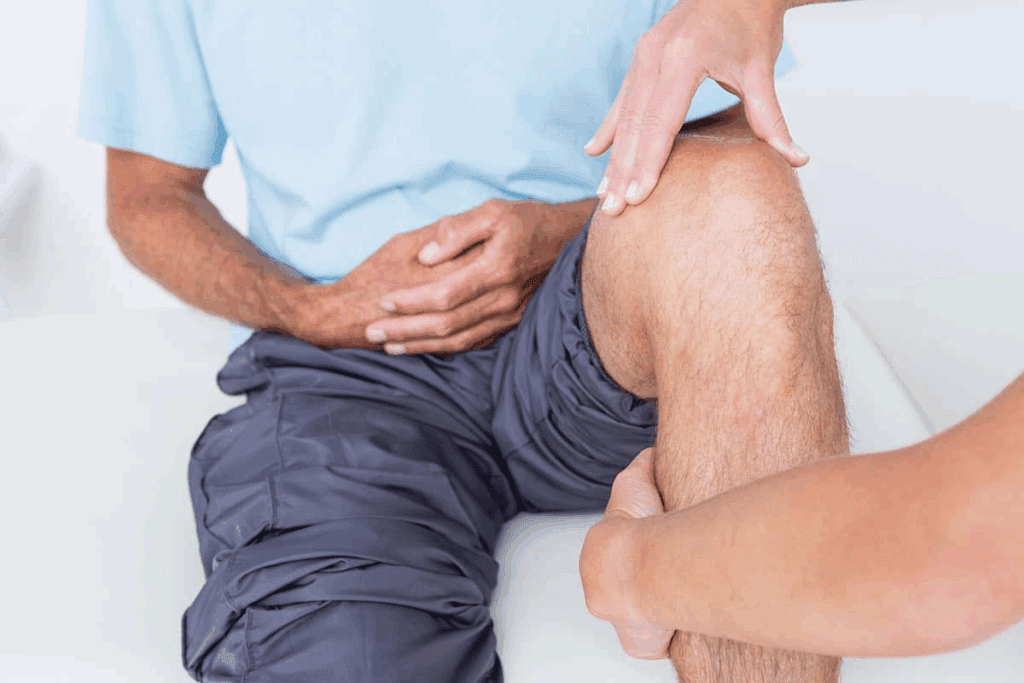
Explore health conditions causing bursitis, such as gout, diabetes, and infections affecting joint health. Bursitis is when fluid-filled sacs (bursae) get inflamed. These sacs cushion joints and reduce friction. It affects millions worldwide. Knowing what causes it is key to treating and preventing it. We’ll look at the health conditions and factors that lead to bursitis.
Bursitis can happen from doing the same motion over and over or from direct injury. Some health issues, like use it. We’ll dive into these risk factors and triggers to give you a full picture.
Key Takeaways
- Bursitis is caused by inflammation of the bursae, often due to repetitive motion or injury.
- Certain health conditions, such as e the risk of bursitis.
- Understanding the causes and risk factors is essential for effective treatment and prevention.
- Bursitis can significantly impact quality of life, making early diagnosis and treatment critical.
- Various factors, including age and occupation, can contribute to the development of bursitis.
Understanding Bursitis and Its Mechanisms

To understand bursitis, we must first know what bursae do. Bursae are small, fluid-filled sacs that cushion our bones, tendons, and muscles near joints. They reduce friction and allow for smooth movement. This helps our joints move smoothly.
What Are Bursae and Their Function in Joint Health
Bursae are found in many parts of our body, where tendons and muscles move over bones. They are lined with a special membrane that produces fluid. This fluid reduces friction between moving tissues.
Bursae also help absorb shock and distribute pressure in joints. This is very important in weight-bearing joints like hips and knees. Knowing how bursae work helps us understand how bursitis affects joints.
Common Symptoms and Signs of Bursitis
Bursitis causes inflammation of the bursae, leading to various symptoms. These can include pain, swelling, and limited mobility in the affected joint. Pain is often the most debilitating symptom, as it can be severe and interfere with daily activities.
The symptoms can be acute or chronic. Acute bursitis happens suddenly, often due to injury or specific activities. Chronic bursitis develops over time, caused by repetitive motion or conditions like arthritis. Knowing the symptoms is key to diagnosing and treating bursitis.
Health Conditions Causing Bursitis: An Overview
Understanding the health issues that can lead to bursitis is essential. Knowing if it’s primary or secondary, and if it’s acute or chronic, helps in choosing the right treatment.
Primary vs. Secondary Bursitis Development
Bursitis can be either primary or secondary. Primary bursitis happens without any known cause. Secondary bursitis is caused by another disease or condition.
Knowing if it’s primary or secondary helps in choosing the right treatment. For example, primary bursitis might need local treatments. Secondary bursitis might need to treat the underlying condition.
Acute vs. Chronic Bursitis Conditions
Bursitis can be either acute or chronic. Acute bursitis starts suddenly and lasts a short time. It’s often caused by injury or overuse. Chronic bursitis lasts longer and can be caused by repetitive motion or other conditions.
Acute bursitis needs quick treatment to reduce inflammation. Chronic bursitis needs a long-term plan, including lifestyle changes and physical therapy.
Most Common Underlying Medical Causes
Understanding the health issues that can lead to bursitis is essential.
- Inflammatory arthritis, like rheumatoid arthritis, increases bursitis risk.
- Degenerative joint conditions, such as osteoarthritis, also contribute.
- Metabolic disorders, like gout and diabetes, affect the bursae.
- Infections, like septic bursitis, can cause bursitis.
Understanding these causes enables healthcare providers to develop detailed treatment plans.
This knowledge helps doctors diagnose and treat better. Inflammatory arthritis can really hurt your joints, and it often leads to bursitis.
Inflammatory arthritis includes conditions like thritis (PsA). These conditions cause joint inflammation. This inflammation can also affect the bursae, leading to bursitis.
that attacks the joints. It causes inflammation, pain, and can damage the joints severely. RA can also cause bursitis by spreading inflammation to the bursae near the joints.
Several factors contribute to bursitis in RA patients:
- Chronic inflammation: Ongoing inflammation in the joints can spread to nearby bursae.
- Autoimmune response: The body’s immune system mistakenly attacks healthy tissues, including bursae.
- Joint deformity: Advanced RA can lead to joint deformities that alter biomechanics and increase pressure on bursae.
Psoriatic Arthritis and Its Impact on Bursae
Psoriatic arthritis is another condition that can cause bursitis. It’s characterized by joint inflammation and is often linked to psoriasis. The inflammation from PsA can affect not just the joints but also the bursae, tendons, and other soft tissues.
The ways PsA leads to bursitis include:
- Systemic inflammation: PsA causes widespread inflammation that can affect bursae.
- Enthesitis: Inflammation at the sites where tendons or ligaments attach to bone can occur, potentially affecting nearby bursae.
- Biomechanical stress: Joint inflammation and damage can alter movement patterns, putting additional stress on bursae.
It’s key for healthcare providers to understand these connections. This knowledge helps them create treatment plans that tackle both the arthritis and the bursitis.
Degenerative Joint Conditions
Degenerative changes in joints can lead to bursitis. This is why managing it is key. As we age or experience wear and tear, our joints change. These changes can harm the bursae around them.
Osteoarthritis and Bursitis Connection
Osteoarthritis is a disease where cartilage and bone in the joint break down. This can cause inflammation and irritation of nearby bursae, leading to bursitis. Studies show a strong link between osteoarthritis and bursitis.
The reasons for this link include:
- Joint space narrowing and bone spurs formation, which can irritate adjacent bursae
- Inflammation and degeneration of surrounding soft tissues
- Altered biomechanics and gait patterns due to osteoarthritis pain, leading to abnormal stress on bursae
Joint Misalignment and Bursal Inflammation
Joint misalignment, often due to degenerative changes or injury, can cause stress on bursae. This stress can lead to inflammation and irritation, resulting in bursitis.
Factors that contribute to joint misalignment and bursal inflammation include:
- Degenerative joint diseases like osteoarthritis
- Trauma or repetitive strain injuries
- Muscle imbalances or weakness around the joint
It’s important to address joint misalignment to manage bursitis. This can be done through physical therapy or orthotics.
Metabolic Disorders Affecting Bursae
Metabolic disorders like gout and hyperuricemia can lead to bursitis. This affects patients’ quality of life. These conditions make it hard for the body to fight inflammation and keep joints healthy.
Gout and Hyperuricemia
Gout is a type of inflammatory arthritis that causes sudden, severe pain. It often hits the joint at the base of the big toe. Hyperuricemia, or too much uric acid in the blood, is often linked with gout.
When uric acid turns into crystals in the joints, it can cause a lot of pain and swelling. This can lead to bursitis.
The link between gout and bursitis is complex. Gout can cause bursitis because urate crystals can get stuck in the bursae. This causes inflammation. To avoid bursitis, managing gout through lifestyle changes and medicine is key.
Diabetes and Its Effect on Bursal Tissues
Diabetes can also harm bursal health. People with diabetes are more likely to get musculoskeletal issues, including bursitis. Diabetic patients often have less mobility and more inflammation, which can irritate the bursae.
Diabetes also makes it harder for bursitis to heal on its own. Keeping blood sugar levels in check is important to prevent bursitis.
Healthcare providers can create better treatment plans for bursitis by understanding metabolic disorders’ effects. This might include treating the metabolic condition and the bursitis directly.
Infectious Causes of Bursitis
Infectious bursitis happens when bacteria or other pathogens infect the bursae. This leads to inflammation and pain.
Septic Bursitis: Bacterial Infections
Septic bursitis is caused by bacteria infecting the bursae. This usually happens through a puncture wound or direct bacteria entry. Staphylococcus aureus is the main culprit, causing about 80% of cases.
Symptoms include pain, swelling, redness, and warmth around the bursa. Fever can also occur. Doctors diagnose it by taking fluid from the bursa to find the bacteria.
Other Infectious Agents Affecting Bursae
Besides bacteria, other pathogens can cause bursitis. Fungal and mycobacterial infections are less common but can affect those with weakened immune systems.
The table below lists the infectious agents that can cause bursitis:
| Infectious Agent | Characteristics | Commonly Affected Groups |
| Bacteria (e.g., Staphylococcus aureus) | Common cause of septic bursitis, often introduced through skin wounds | Generally healthy individuals, athletes |
| Fungi | Rare cause, often in immunocompromised hosts | Immunocompromised individuals |
| Mycobacteria | Can cause chronic bursitis, sometimes associated with tuberculosis | Individuals with tuberculosis or immunocompromised |
Knowing the different causes of bursitis is key for proper treatment. Identifying the cause quickly helps in choosing the right treatment. This reduces the chance of serious problems.
Autoimmune Conditions and Bursitis
Bursitis can be a sign of autoimmune diseases like lupus. These diseases make the body’s immune system attack its own tissues. This leads to inflammation and symptoms like pain and discomfort in the bursae.
We will look into how lupus and other autoimmune disorders cause bursitis. We will understand how they affect joints and bursae.
Lupus and Its Impact on Joints and Bursae
Systemic Lupus Erythematosus (SLE), or lupus, is a chronic autoimmune disease. It can affect many parts of the body, including joints and bursae. Lupus can cause inflammation in the bursae, leading to bursitis.
The symptoms of lupus-related bursitis vary. They can include pain, swelling, and limited mobility in the affected joints.
“Lupus can affect any part of the body, but it most commonly affects the skin, joints, kidneys, brain, and other organs. The disease is characterized by periods of flares and remission, making management challenging.”
Lupus-related bursitis can be managed with a mix of medications and lifestyle changes. Treatment often includes anti-inflammatory drugs and immunosuppressants. These help reduce inflammation and control the immune system’s abnormal response.
Other Autoimmune Disorders Affecting Bursae
Besides lupus, other autoimmune disorders can also cause bursitis. se that affects joints but can also impact bursae. RA can lead to inflammation in multiple bursae, causing pain and discomfort.
| Autoimmune Disorder | Impact on Bursae | Common Symptoms |
| Lupus | Inflammation in bursae | Pain, swelling, limited mobility |
| Rheumatoid Arthritis | Multiple bursal inflammation | Joint pain, swelling, stiffness |
| Psoriatic Arthritis | Bursal inflammation associated with skin psoriasis | Joint pain, skin lesions, nail changes |
Understanding the link between autoimmune conditions and bursitis is key for effective management and treatment. By recognizing the underlying autoimmune disorder, healthcare providers can develop targeted treatment plans. This helps alleviate symptoms and improve quality of life.
Understanding the relationship between musculoskeletal disorders and bursitis is essential for accurate diagnosis and effective treatment.
Bursitis is often linked to musculoskeletal disorders like tendonitis and spinal disorders. We will explore these connections in this section. Understanding these conditions is key to managing bursitis effectively.
Tendonitis and Its Relationship with Bursitis
Tendonitis is inflammation of the tendons. It often happens alongside bursitis. Tendons and bursae are close, so inflammation in one can spread to the other. Tendonitis can increase the risk of developing bursitis because of their shared locations and the chance of inflammation spreading.
Spinal Disorders Affecting Bursal Health
Spinal disorders can also harm bursal health, leading to bursitis. Issues like herniated discs, spinal stenosis, and scoliosis can change how the spine works. This can put extra stress on bursae, raising the risk of inflammation.
| Spinal Disorder | Effect on Bursae | Potential for Bursitis |
| Herniated Discs | Alters spinal biomechanics, increasing stress on nearby bursae | High |
| Spinal Stenosis | Narrowing of spinal canal can affect nerve roots, leading to inflammation | Moderate |
| Scoliosis | Abnormal curvature can unevenly distribute pressure on bursae | High |
Understanding the relationship between musculoskeletal disorders and bursitis is essential for accurate diagnosis and effective treatment.for proper diagnosis and treatment. By treating underlying conditions like tendonitis and spinal disorders, healthcare providers can give better care to patients with bursitis.
Physical and Mechanical Factors
Understanding the physical and mechanical factors that cause bursitis is key. These factors can greatly affect our joints, leading to inflammation and pain in the bursae.
Obesity and Increased Joint Pressure
Obesity is a big risk for bursitis. Extra weight puts more pressure on our joints, like hips, knees, and ankles. This extra load can make the bursae inflamed, causing pain and discomfort.
We suggest keeping a healthy weight. This can be done through a balanced diet and regular exercise. This helps lower the risk of bursitis.
Repetitive Motion and Overuse Injuries
Repetitive motion and overuse injuries often lead to bursitis. Activities like throwing, lifting, or kneeling can irritate the bursae, causing inflammation. Athletes and people with jobs that involve repetitive motions are at higher risk.
To lessen this risk, we recommend taking regular breaks and stretching. This helps prevent bursitis.
Poor Posture and Ergonomic Issues
Poor posture and ergonomic problems can also cause bursitis. Bad posture or working in poorly designed environments can strain our joints and bursae. For example, sitting for long periods without proper back support or using tools that are not ergonomically designed can lead to bursitis.
We suggest making ergonomic changes to workspaces. Also, being mindful of our posture can help reduce this risk.
Some key strategies for preventing bursitis related to physical and mechanical factors include:
- Maintaining a healthy weight to reduce joint pressure
- Modifying activities to avoid repetitive strain
- Improving posture and ensuring ergonomic workspaces
- Using protective gear when engaging in activities that may cause bursitis
By addressing these physical and mechanical factors, we can significantly reduce the risk of bursitis. This helps keep our joints healthy.
Congenital and Developmental Conditions
Certain congenital joint abnormalities can raise the risk of bursitis. These are conditions present at birth that can affect joints. This can lead to bursal inflammation due to altered mechanics and stress.
Congenital Joint Abnormalities
Congenital joint issues, like hip dysplasia, can lead to bursitis. These issues cause uneven wear and tear on joints. This can irritate and inflame the bursae. Early diagnosis and management are key to preventing bursitis.
“The link between congenital joint issues and bursitis shows the need to watch joint health early,” says a top orthopedic specialist. This underlines the importance of proactive joint health management for those with congenital abnormalities.
Developmental Musculoskeletal Issues
Developmental musculoskeletal issues can also increase bursitis risk. Conditions like scoliosis can change posture and biomechanics. This puts extra stress on bursae. Proper management through physical therapy or bracing can lower bursitis risk.
Conditions like Legg-Calvé-Perthes disease, affecting the hip, also raise bursitis risk. Understanding these risks helps in early intervention. This can reduce bursitis incidence.
In summary, congenital and developmental musculoskeletal issues are key in bursitis development. Early recognition and management can prevent bursitis. This improves joint health overall.
Nutritional and Metabolic Factors
Understanding the nutritional and metabolic factors that contribute to bursitis is key. Bursitis is inflammation of the bursae. It can be affected by what we eat and our metabolic health.
Vitamin Deficiencies (Especially Vitamin D)
Understanding the health issues that can lead to bursitis is essential.
Vitamin D deficiency can weaken bones and make us more prone to inflammation. It’s important to get enough vitamin D through food, supplements, or sunlight to prevent bursitis.
Other Nutritional Imbalances Affecting Joint Health
Other nutritional issues can also harm joint health and cause bursitis. For example, not enough vitamins C and E, or minerals like calcium and magnesium, can make it hard for the body to heal and keep joints healthy.
- Poor diet: Eating too much processed food and sugar can cause chronic inflammation.
- Obesity: Being overweight puts more stress on joints, raising the risk of bursitis.
- Dehydration: Not drinking enough water can hurt joint lubrication and bursae health.
Eating a balanced diet full of important nutrients is essential to avoid nutritional deficiencies that can cause bursitis. It’s a good idea to talk to a healthcare professional about the best diet for you.
Diagnosing the Underlying Cause of Bursitis
Understanding the health issues that can lead to bursitis is essential.
Medical Evaluation and Testing
Diagnosing bursitis starts with a full medical check. First, a doctor will ask about your health history and do a physical exam. They look for signs of swelling, tenderness, and stiffness in the joint.
Imaging tests like X-rays, ultrasound, or MRI scans might be used. They help see the bursae and any damage or inflammation.
Lab tests are also key. They check for signs of infection or inflammation in the blood. If septic bursitis is thought, fluid from the bursa might be taken for tests.
Differential Diagnosis Challenges
One big challenge is telling bursitis apart from other conditions. These include tendinitis, arthritis, or fractures. A detailed check is needed to make sure it’s bursitis.
Doctors say, “The diagnosis of bursitis is often made clinically, based on the patient’s history and physical examination findings.”
“In some cases, imaging studies may be necessary to confirm the diagnosis or to rule out other causes of symptoms.”
This shows how tricky diagnosing bursitis can be. It needs a full evaluation.
It’s hard to tell acute from chronic bursitis and find the root cause. Conditions like ursitis. Finding these conditions is key to treating it right.
By using medical checks, tests, and differential diagnosis, doctors can accurately diagnose bursitis. This helps find the cause and start the right treatment.
Conclusion: Managing Bursitis by Addressing Underlying Health Conditions
Managing bursitis well means tackling the health issues that cause it. We’ve looked at many factors, like inflammatory arthritis and joint wear and tear. We also talked about metabolic problems and stress on joints.
Understanding these causes enables healthcare providers to develop detailed treatment plans.
We at our institution focus on top-notch healthcare for our patients. We take a complete approach to handle bursitis. This way, we help people get their joints in the best shape and live better lives. Our team works with each patient to make a treatment plan that fits their needs for lasting health.
FAQ
Reference
- StatPearls. (2023). Olecranon bursitis. In StatPearls [Internet]. Retrieved from https://www.ncbi.nlm.nih.gov/books/NBK470291/
What is bursitis and how does it occur?
Bursitis is when the bursae, fluid-filled sacs, get inflamed. These sacs cushion joints and reduce friction. It happens due to health issues like arthritis, joint wear, metabolic problems, infections, and physical stress.
How do inflammatory types of arthritis, such as rheumatoid arthritis, trigger bursitis?
Arthritis, like rheumatoid arthritis, causes joint inflammation. This can spread to the bursae, leading to bursitis. The inflammation in these conditions can make the bursae painful, swollen, and stiff.
Can degenerative joint conditions like osteoarthritis lead to bursitis?
Yes, osteoarthritis can lead to bursitis. Joint wear and tear can cause bursal inflammation. This makes the joints more prone to bursitis.
How do metabolic disorders like gout and diabetes affect the bursae?
Gout and diabetes can cause bursitis by affecting the bursae. Gout can deposit urate crystals in the bursae, causing inflammation. Diabetes can make the bursal tissues more susceptible to inflammation.
What is septic bursitis, and how is it caused?
Septic bursitis is caused by bacterial infections. Bacteria enter the bursae, usually through cuts or wounds, causing infection and inflammation. Other infectious agents, like fungi or viruses, can also affect the bursae, though less commonly.
Can autoimmune conditions like lupus cause bursitis?
Yes, autoimmune conditions like lupus can cause bursitis. Lupus can affect the joints and bursae, leading to inflammation and bursitis. Other autoimmune disorders, such as rheumatoid arthritis, can also contribute to bursitis.
How do musculoskeletal disorders like tendonitis and spinal disorders relate to bursitis?
Tendonitis and spinal disorders can lead to bursitis. Tendonitis can cause inflammation in the tendons, spreading to the bursae. Spinal disorders can affect joint alignment, increasing pressure on the bursae.
Can physical and mechanical factors like obesity and repetitive motion cause bursitis?
Yes, factors like obesity, repetitive motion, and poor posture can cause bursitis. These factors increase pressure on the joints and bursae, leading to inflammation and bursitis.
How do congenital and developmental conditions affect the risk of bursitis?
Congenital joint abnormalities and developmental musculoskeletal issues can increase the risk of bursitis. These conditions can affect joint alignment and function, making bursitis more likely.
Can nutritional and metabolic factors like vitamin deficiencies contribute to bursitis?
Yes, vitamin D deficiency can contribute to bursitis. Vitamin D is important for healthy bones and joints. A deficiency can increase the risk of bursitis. Other nutritional imbalances can also affect joint health and contribute to bursitis.
How is the underlying cause of bursitis diagnosed?
Diagnosing bursitis involves a medical evaluation. This includes a physical exam, medical history, and diagnostic tests like imaging or lab tests. It’s also important to rule out other conditions that may cause symptoms.
Why is it important to address underlying health conditions in managing bursitis?
Treating underlying health conditions is key to managing bursitis. By addressing the root cause, we can reduce inflammation and alleviate symptoms. This approach is essential for effective management and prevention of bursitis.