Last Updated on November 25, 2025 by Ugurkan Demir
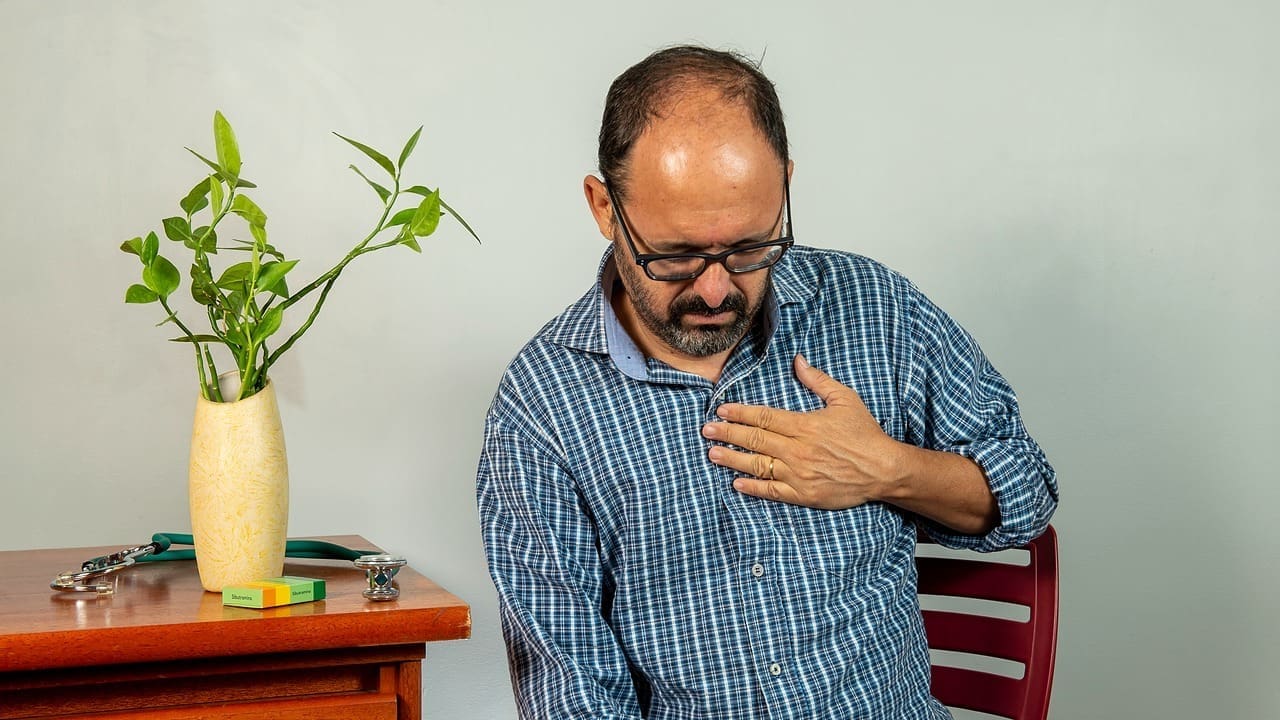
Feeling pain or discomfort in your chest after a meal can be scary. Many wonder if it’s just indigestion or something more serious.Explore why your heart hurting after eating and what you can do to ease it.
At Liv Hospital, we get how worried you are. We’re here to help you understand what’s going on. Noncardiac chest pain, as the Medical organization explains, is chronic pain in the esophagus. It’s often caused by GERD and other esophageal issues. We’ll look at why you might feel chest discomfort after eating and when you should see a doctor.
Key Takeaways
- Chest pain after eating can be related to digestive issues.
- Noncardiac chest pain is often associated with esophageal disorders.
- Understanding the cause is key to knowing what to do next.
- It’s important to get medical help if the pain doesn’t go away or is very bad.
- Liv Hospital is dedicated to giving you the best care and support for chest pain after eating.
Understanding Chest Pain After Eating
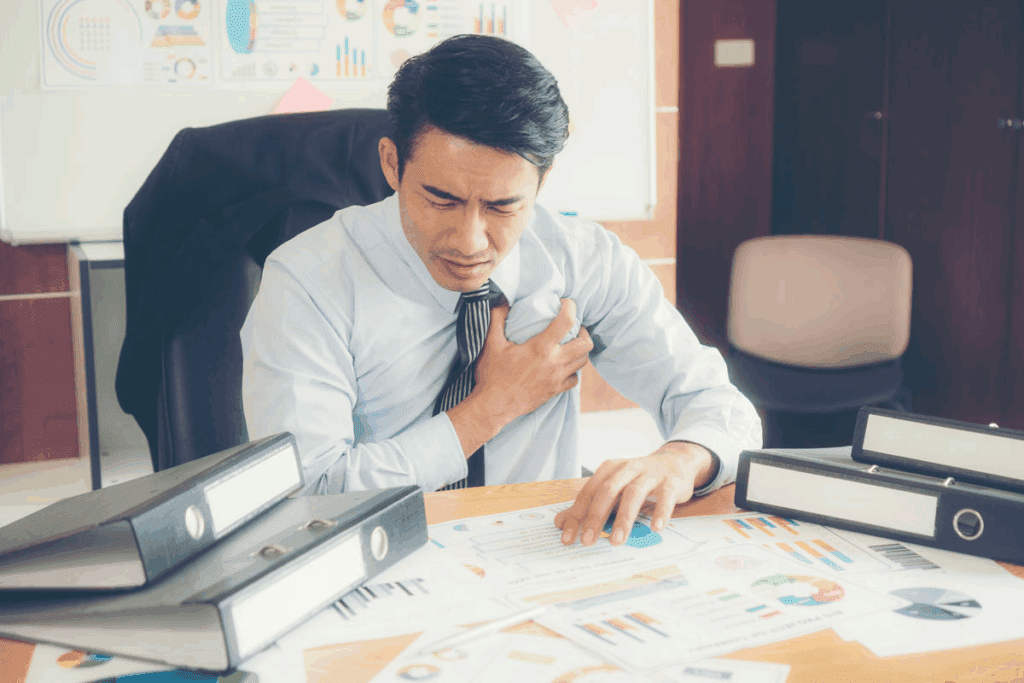
Chest pain after eating is a common worry. It can be caused by many things, from simple to serious. Knowing the cause is key to figuring out what to do next.
Chest pain after eating can feel sharp, dull, or like pressure. It can be scary and make you wonder what’s happening. We’ll look at why it happens and how it relates to eating.
Differentiating Between Cardiac and Non-Cardiac Pain
It’s important to tell if the pain is from the heart or not. Heart pain, like angina or a heart attack, is serious. But, pain from other reasons, like the stomach or muscles, is not as bad.
Key differences between cardiac and non-cardiac pain:
| Characteristics | Cardiac Pain | Non-Cardiac Pain |
| Location | Typically central chest, may radiate to arm, neck, or jaw | Variable, can be localized or widespread |
| Triggers | Often triggered by exertion or stress | May be triggered by eating, posture, or specific activities |
| Nature | Often described as squeezing, pressure, or heaviness | Can be sharp, dull, burning, or stabbing |
The Relationship Between Eating and Chest Discomfort
Eating can make chest pain worse in many ways. Big or heavy meals can put pressure on the stomach. This can lead to acid reflux or indigestion, causing chest pain.
Common factors that contribute to chest pain after eating include:
- Eating too quickly or too much
- Consuming fatty, spicy, or acidic foods
- Drinking carbonated beverages or alcohol
Knowing these factors can help find the cause of chest pain after eating. It can also guide how to manage it.
Why Does My Heart Hurt After Eating? Common Causes
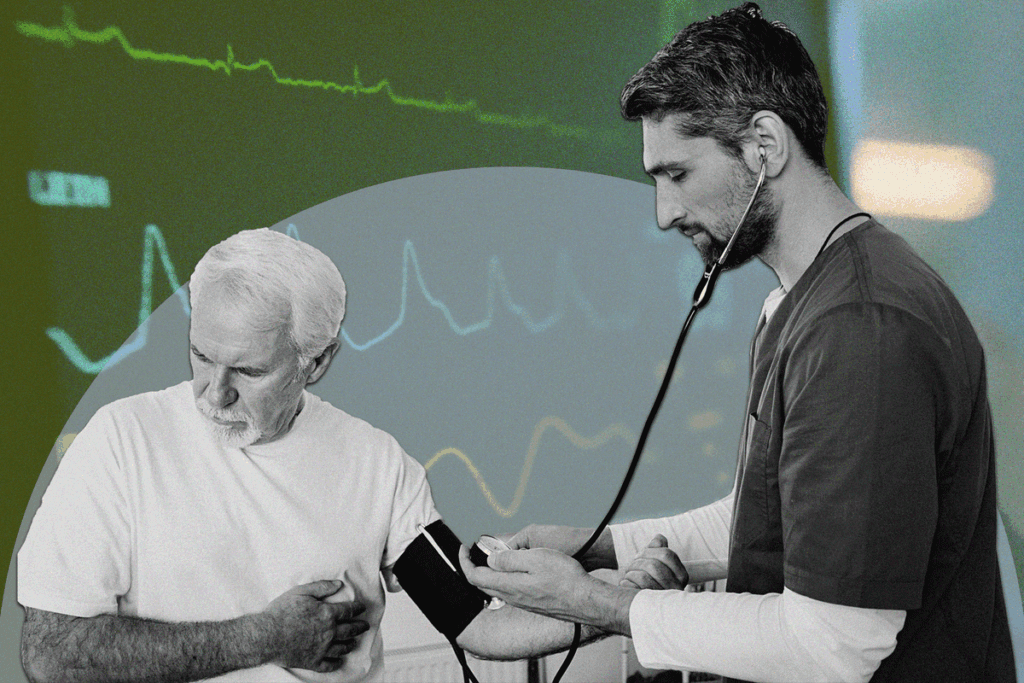
Feeling heart pain after eating can be scary. It’s important to know why it happens. When we eat, our body starts digesting food. For some, this can cause pain that feels like it’s coming from the heart.
Gastroesophageal Reflux Disease (GERD)
GERD is a long-term condition where stomach acid goes back up into the esophagus. This can irritate the esophagus, causing pain.
GERD symptoms include a burning chest feeling. This can be mistaken for heart pain. It’s key to know GERD is a common cause of chest pain that’s not from the heart.
Acid Reflux and Heartburn
Acid reflux happens when stomach acid flows back into the esophagus. This causes a burning feeling known as heartburn. Heartburn is usually felt in the chest but can feel like heart pain after eating.
The Medical organization explains acid reflux. It happens when the lower esophageal sphincter (LES) doesn’t close right. This lets stomach acid flow back into the esophagus.
Indigestion (Dyspepsia)
Indigestion, or dyspepsia, is a group of stomach symptoms. These include discomfort or a burning feeling in the upper abdomen. This pain can sometimes feel like it’s in the chest, like heart pain.
Eating too much or too fast, or eating fatty or spicy foods can cause indigestion. Drinking too much caffeine or alcohol can also trigger it. This can lead to chest pain that feels like heart pain.
Esophageal Issues That Mimic Heart Pain
Many people feel chest pain after eating, which can be scary. It’s often thought to be heart-related, but esophageal problems are also common. These issues can cause symptoms similar to heart problems, making it important to know about them for a correct diagnosis.
Esophageal Spasms
Esophageal spasms are abnormal contractions of the esophagus that can cause chest pain. According to the Medical organization, these spasms can be severe enough to be mistaken for a heart attack. The pain is usually felt in the center of the chest and can be triggered or worsened by eating.
Symptoms of Esophageal Spasms:
- Chest pain that may radiate to the arms or back
- Difficulty swallowing
- Regurgitation of food
Esophagitis
Esophagitis is the inflammation of the esophagus, often caused by GERD, infections, or certain medications. This condition can cause pain and discomfort in the chest, which may be exacerbated by eating.
“Esophagitis can lead to symptoms that are similar to heart pain, including chest pain and difficulty swallowing.” –
American Gastroenterological Association
Common Causes of Esophagitis:
| Cause | Description |
| GERD | Gastroesophageal reflux disease, where stomach acid flows back into the esophagus |
| Infections | Bacterial, viral, or fungal infections that can inflame the esophagus |
| Medications | Certain drugs that can cause irritation if they become lodged in the esophagus |
Hiatal Hernia
A hiatal hernia occurs when part of the stomach pushes up through the diaphragm into the chest cavity. This can cause symptoms that mimic heart pain, including chest discomfort and difficulty swallowing.
Understanding the symptoms and causes of these esophageal issues is key for proper diagnosis and treatment.
By recognizing the signs of esophageal spasms, esophagitis, and hiatal hernia, individuals can seek the right medical evaluation. This helps determine the cause of their chest pain after eating.
Food-Related Triggers for Chest Pain
Eating habits can trigger chest pain. Knowing what foods or habits cause it can help manage the pain. When we eat, our body reacts in different ways. Some foods or habits can lead to chest pain.
Eating Too Quickly or Too Much
Eating fast or big meals can put pressure on the stomach. This can cause discomfort in the chest. This is often due to conditions like gastroesophageal reflux disease (GERD), where stomach acid flows back into the esophagus, causing pain.
To avoid this, eat smaller, more frequent meals. Chew food slowly and thoroughly. This can help reduce chest pain symptoms.
Fatty and Spicy Foods
Fatty and spicy foods can trigger chest pain in many. These foods can relax the lower esophageal sphincter. This allows stomach acid to flow back into the esophagus and cause discomfort.
“Certain foods, such as citrus fruits and tomatoes, as well as spicy and fatty foods, can trigger heartburn and chest pain in susceptible individuals.”
Medical organization
Avoiding or reducing these foods can help. Keeping a food diary to track which foods trigger chest pain is also beneficial.
Carbonated Beverages and Alcohol
Carbonated drinks and alcohol are common culprits of chest pain. Carbonation can cause the stomach to expand. This puts pressure on the diaphragm and can lead to discomfort or pain in the chest.
- Carbonated drinks can lead to bloating and discomfort.
- Alcohol can irritate the esophagus and stomach lining, contributing to pain.
Limiting or avoiding these beverages can help reduce chest pain.
| Food/Drink | Potential Effect |
| Fatty Foods | Relaxes lower esophageal sphincter, potentially causing acid reflux. |
| Spicy Foods | Irritates the esophagus, potentially causing heartburn and chest pain. |
| Carbonated Beverages | Causes stomach expansion, potentially leading to discomfort. |
| Alcohol | Irritates the esophagus and stomach lining, potentially causing pain. |
By understanding and adjusting our eating habits and food choices, we can significantly reduce chest pain. It’s about being mindful of what we eat and how we eat it.
Location of Pain: What It Might Indicate
Chest pain after eating can show up in different spots. Each spot might mean something different. Knowing where the pain is can help figure out what’s wrong.
Pain in Left Side Chest After Eating
Pain on the left side of the chest after eating is scary. It often means heart problems. But, not all left-sided chest pain is heart-related.
Gastroesophageal reflux disease (GERD) can also cause left-side pain. This pain might get worse after eating.
Esophageal spasms or esophagitis can also cause left-side pain. These problems with the esophagus can be triggered by eating certain foods.
Chest Pain Right Side After Eating
Chest pain on the right side after eating is less likely to be heart-related. But, it’s something to worry about. It might be linked to gallbladder disease or digestive issues.
Gallstones can cause pain that goes to the right side of the chest. This pain often happens after eating fatty foods.
Upper Left Chest Pain After Eating
Upper left chest pain after eating can have many causes. Angina or coronary artery disease can cause discomfort in this area. But, it can also be due to non-cardiac reasons like acid reflux or esophageal disorders.
Tightness in Chest After Eating
A feeling of tightness in the chest after eating is alarming. This feeling can be caused by GERD, indigestion, or even anxiety. It’s important to watch for other symptoms like trouble breathing or pain in the arms.
When Chest Pain Could Be Heart-Related
Chest pain after meals is often linked to digestion issues. But, it can also hint at heart problems. Knowing the difference is key to getting the right help quickly.
Angina and Coronary Artery Disease
Angina causes chest pain or discomfort when the heart doesn’t get enough oxygen. This usually happens because of coronary artery disease. The heart’s main blood vessels get clogged with cholesterol and other stuff.
Eating can make angina worse because it increases blood flow to the stomach. This might take blood away from the heart. If you have heart disease risk factors like high blood pressure or high cholesterol, see a doctor.
Heart Attack Warning Signs
A heart attack happens when blood flow to the heart is blocked for too long. This damages or kills heart muscle. The main symptom is chest pain or discomfort.
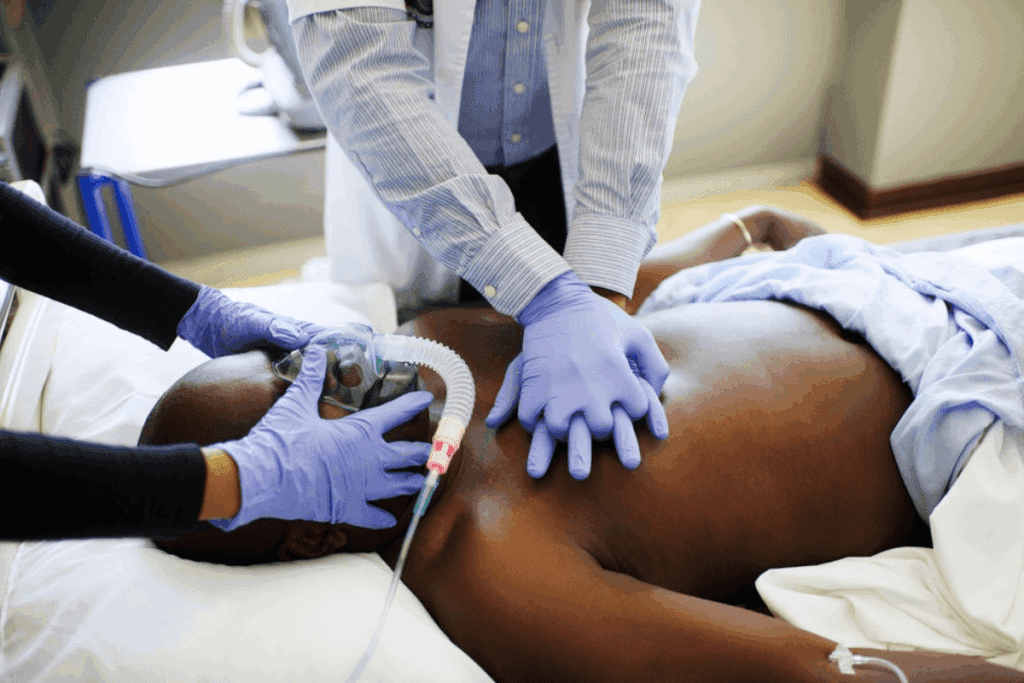
This pain can feel like pressure or squeezing in the chest. It might spread to the arms, back, neck, jaw, or stomach. Other signs include shortness of breath, nausea, feeling lightheaded, or sweating a lot. If you have these symptoms, get help right away.
Risk Factors That Increase Concern
Some things make chest pain after eating more likely to be heart-related. These include being over 45 for men or 55 for women, smoking, high blood pressure, and high cholesterol. Diabetes, obesity, and not being active also raise concerns.
- Smoking: Damages blood vessels, making them more likely to block.
- High Blood Pressure: Makes arteries hard and thick, leading to blockages.
- Diabetes: Increases the risk of high blood pressure and cholesterol.
If you have chest pain after eating and any of these risk factors, talk to a doctor. They can figure out the cause and what to do next.
Diagnosing the Cause of Post-Meal Chest Pain
Figuring out why you get chest pain after eating takes a few steps. Doctors use tests, ask questions, and track symptoms. If you feel pain after eating, seeing a doctor is key to finding out why.
Medical Tests and Procedures
Doctors use many tests to find out why you might feel chest pain after eating. Some of these include:
- Endoscopy: This lets doctors see inside your upper digestive system.
- Imaging tests: Like X-rays, CT scans, or MRI scans to look at your chest and digestive tract.
- Electrocardiogram (ECG): This checks your heart to see if it’s the cause.
- Ambulatory acid probe tests: These measure acid levels in your esophagus over time.
Questions Your Doctor May Ask
Your doctor will ask you several questions to figure out why you have chest pain after eating. They might ask:
- Can you describe the pain you’re feeling?
- How often do you get chest pain after eating?
- Are there certain foods or drinks that make the pain worse?
- Have you ever had digestive or heart problems before?
Keeping a Food and Symptom Journal
Writing down what you eat and when you feel symptoms is very helpful. It helps find out what might be causing your pain. This info is important for creating a good treatment plan.
Doctors use test results, what you tell them, and symptom tracking to find the cause of your pain. They can then suggest the best treatment for you.
Treatment Options and Prevention Strategies
Chest pain after eating can be managed with medical treatments, lifestyle changes, and preventive measures. We’ll explore these options to help you feel better and improve your digestive health.
Medications for Digestive Issues
Many people experience chest pain after eating due to digestive problems like GERD, acid reflux, or indigestion. Medications like antacids, histamine-2 (H2) blockers, and proton pump inhibitors (PPIs) can reduce stomach acid and ease symptoms. Sometimes, prokinetics are used to help food move through your stomach better.
Talking to your healthcare provider is key to finding the right medication for you. Keeping a symptom journal can help track when your chest pain happens and how it reacts to treatment.
Dietary and Lifestyle Changes
Making dietary adjustments is important for managing chest pain after eating. Avoiding trigger foods like fatty, spicy, or acidic ones can help. Eating smaller, more frequent meals can also ease stomach pressure and reduce acid reflux.
Lifestyle modifications are also vital. Keeping a healthy weight, avoiding late-night eating, and elevating the head of your bed can help prevent chest pain. Quitting smoking and reducing stress through relaxation techniques like meditation or yoga can also improve your digestive health.
Natural Remedies for Relief
Several natural remedies can help with chest pain after eating. Ginger, with its anti-inflammatory properties, can be enjoyed as tea or added to meals. Aloe vera juice can soothe the esophagus and reduce inflammation. Herbal teas like chamomile or licorice root tea can also calm your digestive system.
Long-Term Prevention Strategies
Long-term prevention strategies are essential for managing chest pain after eating. This includes eating a healthy diet, staying hydrated, and being active. Regular health check-ups with your provider can help monitor your condition and adjust your treatment plan as needed.
By combining these approaches, you can significantly reduce your symptoms and improve your quality of life. We encourage you to work closely with your healthcare provider to create a personalized plan that meets your specific needs and health goals.
Conclusion: When to Seek Medical Help
Knowing why your heart hurts after eating is key. If you have severe, ongoing, or frequent chest pain after eating, get medical help right away.
Chest pain after eating too much or every time you eat might mean you have an underlying issue. We talked about causes like GERD, esophageal problems, and heart issues.
If you have trouble breathing, feel dizzy, or have pain in your arm or jaw, get help fast. Your doctor will figure out why you’re having chest pain and suggest the right treatment.
Being mindful of your body’s signals and acting early can help solve the problem. If you’re worried about heart pain after eating, talk to a doctor. They can guide you on what to do next.
FAQ
Why does my heart hurt after eating?
Heart pain after eating can be due to many reasons. Issues like acid reflux, GERD, and indigestion are common causes. Knowing the cause is key to finding the right solution.
What is the difference between cardiac and non-cardiac chest pain?
Cardiac pain is linked to heart problems, like angina or coronary artery disease. Non-cardiac pain is usually from digestive issues or other non-heart problems. We help you tell the difference.
Can eating too much or too quickly cause chest pain?
Yes, eating too much or too fast can cause chest pain. It puts pressure on the stomach, leading to digestive problems. We talk about how to eat better to avoid pain.
What role do fatty and spicy foods play in triggering chest pain?
Fatty and spicy foods can cause chest pain by irritating the digestive system. This can lead to acid reflux. We show how to change your diet to feel better.
How does the location of chest pain after eating indicate different causes?
Where your chest pain is can hint at what’s causing it. For example, left side pain might be different from right side or upper left. We explain what your pain might mean.
When should I be concerned that chest pain after eating is related to a heart condition?
If you get chest pain after eating, think about heart problems, like high blood pressure or family heart disease history. We talk about heart pain warning signs.
What medical tests and procedures are used to diagnose the cause of post-meal chest pain?
Doctors use your medical history, physical exam, and tests like endoscopy or imaging to find the cause. We explain the process and what to expect.
How can I prevent chest pain after eating?
To avoid chest pain after eating, make dietary changes, live healthier, and sometimes take medicine. We share ways to prevent and manage pain long-term.
Why does my chest hurt every time I eat?
Chest pain with every meal might be due to chronic issues like GERD or other problems. We guide you to find the cause and fix it.
Can carbonated beverages and alcohol trigger chest pain?
Yes, drinks like carbonated ones and alcohol can cause chest pain by irritating the stomach. We offer tips to reduce discomfort from these drinks.
What are the treatment options for chest pain after eating?
Treatment for chest pain after eating varies based on the cause. It might include medicine, diet changes, or lifestyle adjustments. We discuss the options and help you choose the best one.
References:
- Martinez-Lemus, L. A. (2012). The dynamic structure of arterioles. Basic & Clinical Pharmacology & Toxicology, 110(1), 5-11. https://pubmed.ncbi.nlm.nih.gov/21989114/