Last Updated on November 27, 2025 by Bilal Hasdemir

Understanding heart stenosis is key to keeping your heart healthy and your life quality high. It’s when a heart valve gets too narrow. This blocks blood flow and makes the heart work too hard.
Liv Hospital is known for its patient-centered and advanced care. They help you understand valve narrowing and the differences between aortic and mitral stenosis. They also explain the latest treatment options.
Learn the important facts about cardiac stenosis. Find out about the types and comparisons. This will help you understand what is heart stenosis.
Key Takeaways
- Heart stenosis is when a heart valve gets too narrow.
- This condition blocks blood flow and makes the heart work too hard.
- Aortic and mitral stenosis are two main types of heart stenosis.
- Knowing the differences between these types is important for treatment.
- Liv Hospital offers advanced care and modern treatments for heart stenosis.
Understanding Heart Stenosis Meaning and Definition
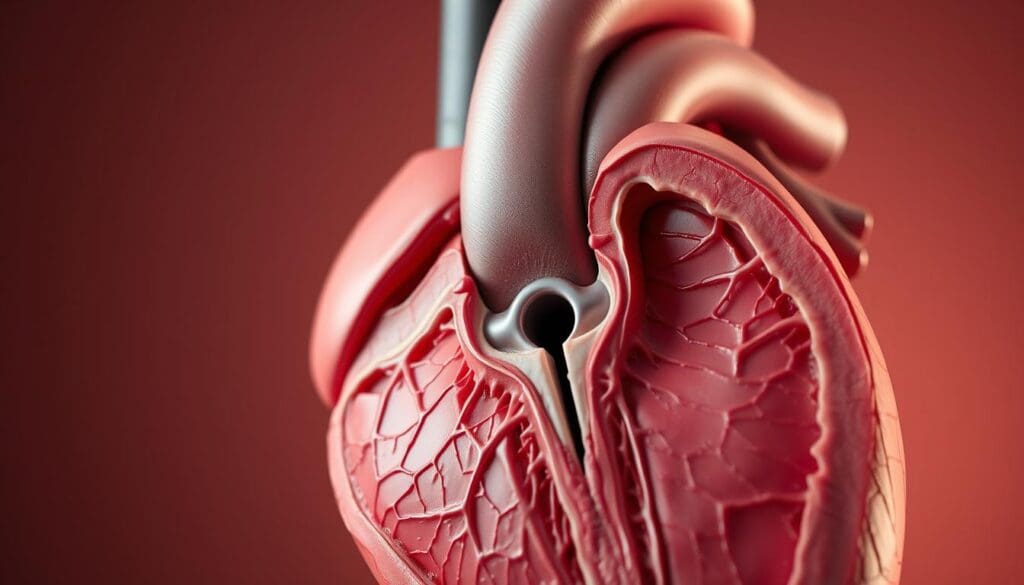
Heart stenosis is a condition where the heart valve opening narrows. This can greatly affect heart health. It’s important to understand how it works.
What Exactly Is Heart Stenosis?
Heart stenosis is when the heart valve opening gets smaller. This makes it harder for blood to flow through the heart. It can happen in any of the four heart valves.
The narrowing is usually because of problems with the valve leaflets. These problems can be there from birth or develop later due to various reasons.
The Physiology of Normal Heart Valves
Normal heart valves let blood flow in one direction. They are made of leaflets that open and close with each heartbeat. This ensures blood moves smoothly through the heart.
During relaxation, the mitral and tricuspid valves open. This lets blood flow into the ventricles. When the ventricles contract, the aortic and pulmonary valves open. This allows blood to be pumped out to the body and lungs.
How Stenosis Affects Blood Flow
Stenosis makes it harder for blood to flow. The heart has to work harder to push blood through the narrowed valve. This can cause symptoms like chest pain and shortness of breath.
If not treated, severe stenosis can lead to heart failure. This is a serious condition.
The effect of stenosis on blood flow depends on the valve. For example, aortic valve stenosis can cause the left ventricle to thicken. Mitral stenosis can lead to blood backing up into the lungs.
The Anatomy of Heart Valves and Stenosis Development
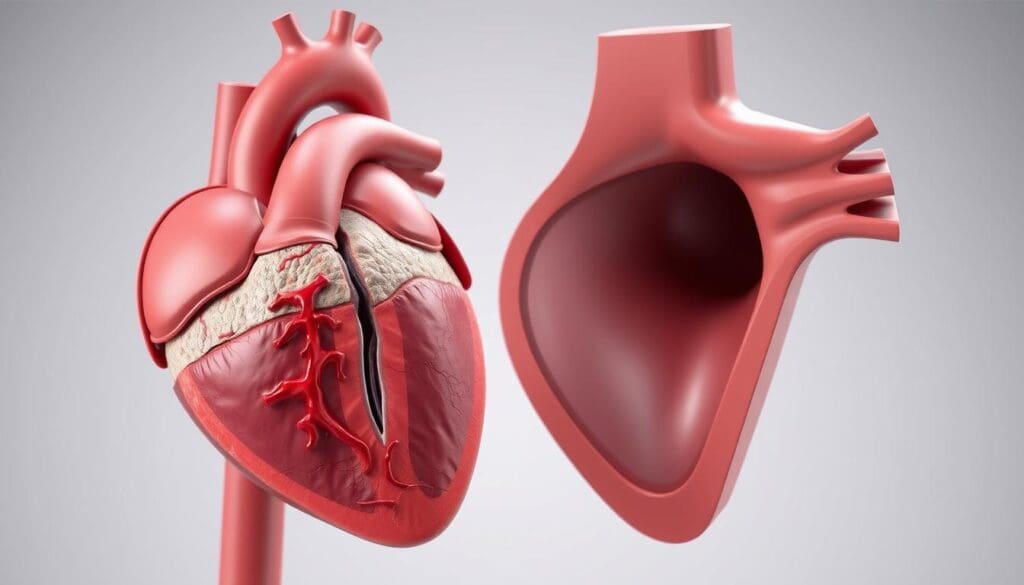
Understanding heart valves is key to knowing about stenosis and its effects on the heart. The heart’s valve system is complex and vital for blood flow.
The Four Heart Valves and Their Functions
The heart has four valves: aortic, mitral, pulmonary, and tricuspid. Each valve ensures blood flows correctly.
- The aortic valve controls blood flow from the left ventricle to the aorta.
- The mitral valve manages blood flow between the left atrium and left ventricle.
- The pulmonary valve manages blood flow from the right ventricle to the pulmonary artery.
- The tricuspid valve facilitates blood flow between the right atrium and right ventricle.
These valves work together to keep blood flowing the right way. Any problem can cause stenosis.
The Progressive Nature of Valve Narrowing
Valve narrowing, or stenosis, can happen for many reasons, like age or birth defects. As it gets worse, it changes how the heart works.
Several things can make valve narrowing get worse:
- Age-related calcification: Calcium buildup makes valves stiff and narrow.
- Congenital heart defects: Birth defects in valves can raise stenosis risk.
- Rheumatic fever: This condition can scar and narrow valves.
How Stenosis Alters Heart Mechanics
Stenosis makes the heart work harder. It has to pump blood through a narrow valve, which can lead to heart failure.
Stenosis affects the heart in several ways:
- Increased pressure on the heart chamber upstream of the stenotic valve.
- Potential for hypertrophy (thickening of the heart muscle) as the heart works harder.
- Reduced efficiency of blood circulation, leading to symptoms such as fatigue and shortness of breath.
Major Types of Heart Valve Stenosis
It’s important to know about the different types of heart valve stenosis. This condition happens when the heart valves narrow. It can block blood flow and cause serious problems.
Aortic Valve Stenosis
Aortic valve stenosis is common in older adults. It happens when the aortic valve gets too narrow. This blocks blood flow from the left ventricle to the aorta.
Key characteristics of aortic valve stenosis include:
- Narrowing of the aortic valve opening
- Obstruction of blood flow from the left ventricle
- Potential for severe complications if left untreated
Mitral Valve Stenosis
Mitral valve stenosis affects the valve between the left atrium and ventricle. It’s often caused by rheumatic fever. Symptoms include fatigue, shortness of breath, and palpitations.
| Characteristics | Aortic Valve Stenosis | Mitral Valve Stenosis |
|---|---|---|
| Primary Cause | Age-related calcification | Rheumatic fever |
| Symptoms | Chest pain, fainting, shortness of breath | Fatigue, shortness of breath, palpitations |
Pulmonary Valve Stenosis
Pulmonary valve stenosis is when the pulmonary valve narrows. It can be present at birth or develop later. Symptoms include shortness of breath, fatigue, and swelling in the legs and ankles.
“Pulmonary valve stenosis is often diagnosed in childhood, but it can also be detected in adults. Treatment options vary depending on the severity of the condition.”
Tricuspid Valve Stenosis
Tricuspid valve stenosis is rare. It involves the narrowing of the tricuspid valve. This affects blood flow between the right atrium and ventricle. Symptoms include fatigue, swelling, and discomfort in the neck veins.
In conclusion, knowing about the different types of heart valve stenosis is key. Each type has its own characteristics and complications. This shows why personalized medical care is so important.
Aortic vs. Mitral Stenosis: A Comparative Look
It’s important to know the differences between aortic and mitral stenosis. Both are heart valve problems, but they affect different valves. This affects how the heart works.
Anatomical Differences
Aortic stenosis narrows the aortic valve. This valve is between the left ventricle and the aorta. It blocks blood flow to the body. Mitral stenosis narrows the mitral valve, between the left atrium and ventricle. It blocks blood flow between these chambers.
The place where the valve is narrowed changes how the condition is treated. The location of the affected valve affects symptoms and complications.
Symptom Variations
Aortic stenosis symptoms include chest pain, shortness of breath, and fainting when exerting. Mitral stenosis symptoms are shortness of breath, fatigue, and palpitations. Chest pain is less common in mitral stenosis.
These differences help doctors diagnose and plan treatment.
Progression and Severity Markers
Both conditions can be tracked with markers. For aortic stenosis, echocardiography checks valve narrowing and heart function. Mitral stenosis is evaluated by echocardiographic parameters like valve area and pressure gradients.
- Aortic stenosis gets worse with more valve narrowing and symptoms.
- Mitral stenosis worsens with symptoms and can lead to atrial fibrillation.
Impact on Heart Function
Aortic and mitral stenosis both harm heart function but differently. Aortic stenosis causes left ventricular hypertrophy from the increased pumping effort. Mitral stenosis leads to left atrial enlargement and pulmonary hypertension from blocked blood flow.
Knowing these differences helps manage the conditions better and improve patient outcomes.
Primary Causes of Heart Stenosis
It’s important to know what causes heart stenosis to treat it well. Heart stenosis is when heart valves get narrower. This can really hurt your heart’s function and health.
Age-Related Calcification
Age is a big factor in heart stenosis. As we get older, calcium builds up on heart valves. This makes them narrow. It’s common in older people and often affects the aortic valve.
Congenital Heart Defects
Some people are born with heart valve problems. These can cause stenosis. These defects can happen in any valve and need early treatment to avoid serious issues.
Rheumatic Fever and Its Impact
Rheumatic fever, caused by strep infections, can also lead to stenosis. It often affects the mitral valve. This can cause scarring and narrowing, leading to valve problems.
Other Contributing Factors
Other things can also cause heart stenosis. For example, degenerative changes, inflammatory diseases, and some medicines can play a role. Carcinoid syndrome is one condition that can cause valve issues similar to stenosis.
These factors show how complex heart stenosis is. We need a detailed approach to diagnose and treat it.
Recognizing Heart Stenosis Symptoms
It’s important to know the signs of heart stenosis to avoid serious problems. Heart stenosis is when heart valves narrow. This can cause big health issues if not treated quickly.
Early Warning Signs
The first signs of heart stenosis might be hard to notice. They can be mild and not seem serious at first. Common early signs include:
- Fatigue or feeling weak
- Mild shortness of breath during routine activities
- Chest pain or discomfort (angina) during exertion
- Palpitations or irregular heartbeats
These symptoms happen because the heart has to work harder. This is because of the narrowed valve. It can make you feel tired and lead to other problems.
Advanced Symptoms
As heart stenosis gets worse, symptoms can get much worse too. Advanced symptoms might include:
- Severe shortness of breath, even at rest
- Swelling in the legs, ankles, and feet due to fluid buildup
- Fainting or near-fainting spells
- Chest pain that worsens over time
These signs mean the heart is really struggling. You need to see a doctor right away.
Symptoms Specific to Different Valve Types
The symptoms of heart stenosis can change based on the valve affected. For example:
| Valve Affected | Common Symptoms |
|---|---|
| Aortic Valve | Chest pain, fainting, shortness of breath |
| Mitral Valve | Shortness of breath, fatigue, palpitations |
| Pulmonary Valve | Shortness of breath, fatigue, swelling in legs and feet |
| Tricuspid Valve | Fatigue, swelling in legs and feet, abdominal swelling |
Knowing which valve is affected helps identify specific symptoms. It also helps doctors decide the best treatment.
When to Seek Medical Attention
See a doctor if you have any of these symptoms:
- Severe chest pain or discomfort
- Difficulty breathing or shortness of breath at rest
- Fainting or near-fainting episodes
- Severe fatigue or weakness
Prompt medical evaluation can greatly improve outcomes for heart stenosis patients.
“Early detection and treatment of heart stenosis can greatly improve a patient’s quality of life and prevent serious complications.”
In conclusion, knowing the symptoms of heart stenosis and when to get medical help is key. It’s important for managing the condition effectively.
Diagnostic Approaches for Heart Valve Stenosis
Getting a correct diagnosis for heart valve stenosis is key. It involves several steps, like a physical check-up and advanced imaging. Understanding the condition well is essential, along with using different diagnostic tools.
Physical Examination Findings
A physical check-up is often the first step. Doctors listen with stethoscopes for heart murmurs. These sounds can show if blood flow is abnormal through the heart valves.
Key findings during a physical examination may include:
- Murmurs detected through auscultation
- Abnormal heart sounds
- Signs of heart failure, such as peripheral edema or jugular venous distension
Imaging Techniques
Imaging is a big part of diagnosing heart valve stenosis. Echocardiography is the main tool, giving clear images of the heart valves. Sometimes, cardiac MRI or CT scans are used too, to get a better look at the heart.
Laboratory Tests
Laboratory tests help confirm the diagnosis and check the patient’s health. Blood tests might show signs of heart failure or other issues linked to the valve stenosis.
Cardiac Catheterization
Cardiac catheterization is a detailed procedure for diagnosing heart valve stenosis. It involves putting a catheter into the heart to measure pressures and check valve function. This method gives detailed info about the valve’s state, helping decide on treatment.
By combining these methods, doctors can accurately diagnose heart valve stenosis. They can then create a proper treatment plan.
Treatment Options for Cardiac Valve Stenosis
Treatment for cardiac valve stenosis includes many options. These range from medical to surgical and even new, innovative methods. The right treatment depends on how severe the stenosis is, which valve is affected, and the patient’s health.
Medical Management Strategies
Medical management is often the first step for treating cardiac valve stenosis. It aims to manage symptoms and slow the disease’s progress. Medications like diuretics, beta-blockers, and anticoagulants are used to help.
- Diuretics reduce fluid buildup in the body.
- Beta-blockers slow the heart rate, easing the heart’s workload.
- Anticoagulants prevent blood clots that could cause stroke or other problems.
Surgical Interventions
For severe cases, surgery is often needed. The most common surgery is valve replacement. Here, a diseased valve is swapped out for a new one, either mechanical or bioprosthetic.
“Surgical valve replacement has been a cornerstone in the treatment of severe valve stenosis, improving symptoms and survival.”
Transcatheter Procedures
Transcatheter procedures offer a less invasive option compared to open-heart surgery. Transcatheter aortic valve replacement (TAVR) is a key example. It involves placing a new valve through a catheter, without the need for a big incision.
Emerging Treatments
New treatments for cardiac valve stenosis are being researched. These include innovative valve technologies and regenerative therapies. They aim to fix or replace damaged valves.
The future of treating cardiac valve stenosis looks bright. Advances in medical technology and a deeper understanding of the disease are promising.
Complications and Prognosis of Untreated Heart Stenosis
Not treating heart stenosis can lead to serious problems. It can harm the heart’s function. This can greatly affect a person’s life and how long they live.
Heart Failure Development
Heart failure is a big risk if heart stenosis is not treated. The heart works harder to pump blood because of the narrowing. This can make the heart muscle tired.
Eventually, the heart can’t pump enough blood. This causes symptoms like shortness of breath and swelling in the legs.
Heart failure is a serious condition. It means the disease has reached a critical stage.
Arrhythmias and Electrical Disturbances
Untreated heart stenosis can cause arrhythmias and other electrical problems. The heart’s rhythm can get disrupted. This is a big issue for people with heart conditions.
Arrhythmias can be mild or very serious. In heart stenosis, they often mean the disease is severe and need quick medical help.
Embolic Events
Untreated heart stenosis, like mitral stenosis, can lead to embolic events. Blood clots can form in the heart, which can be dangerous. If these clots break loose, they can cause strokes or blockages in other parts of the body.
Anticoagulation therapy is important for some patients with heart stenosis to prevent these events.
Long-term Survival Rates
The outlook for untreated heart stenosis depends on several factors. These include how severe the stenosis is, which valve is affected, and other health conditions. Generally, severe heart stenosis is linked to a poor long-term survival rate.
For example, severe aortic stenosis can greatly shorten a person’s life if not treated.
In summary, untreated heart stenosis can have severe and life-threatening consequences. Early diagnosis and treatment are key to better outcomes for these patients.
Living With Heart Stenosis: Lifestyle Modifications and Management
Heart stenosis, or valve narrowing, needs a detailed management plan. This includes lifestyle changes and sticking to medical advice. A proactive approach is key to keeping the heart healthy and overall well-being in check.
Physical Activity Guidelines
For those with heart stenosis, regular exercise is a must. But, it’s important to follow safe and effective guidelines. Aerobic exercises like walking, swimming, or cycling are good. They boost heart health without too much strain.
Talking to a healthcare provider is a good first step. They can help create a personalized exercise plan. This plan will consider the stenosis’s severity, your health, and other conditions. Monitoring heart rate and blood pressure during exercise is also key to avoid overdoing it.
Dietary Considerations
Eating a heart-healthy diet is essential for managing heart stenosis. Focus on nutrient-rich foods like fruits, veggies, whole grains, lean proteins, and healthy fats. It’s also important to limit saturated fats, trans fats, and cholesterol.
Be careful with sodium intake too. Too much sodium can cause fluid retention and strain the heart. Reading food labels and opting for low-sodium foods can help manage sodium levels.
Medication Adherence
Following your medication plan is critical for managing heart stenosis. Your medications might help control symptoms, slow disease progression, or prevent complications. Understanding each medication’s purpose and side effects can help you stick to your regimen.
Open communication with your healthcare provider is also key. Share any concerns or challenges with your medication plan. Simplifying your medication routine with pill boxes or reminders can also be helpful.
Regular Monitoring and Follow-up
Regular check-ups with healthcare providers are vital for managing heart stenosis. These visits help track disease progression, adjust treatment plans, and catch any complications early.
Keeping a health journal to track symptoms, medication, and any changes can be very helpful. This proactive approach can lead to better management and a better quality of life.
Conclusion: The Importance of Early Detection and Proper Management
Early detection and proper management of heart stenosis are key to better patient outcomes. Heart stenosis is when heart valves narrow, affecting heart function and health.
It’s vital to catch heart stenosis early. This can stop serious problems like heart failure and arrhythmias. Treatment, surgery, and lifestyle changes are important for managing the condition and improving life quality.
Knowing the causes, symptoms, and how to diagnose heart stenosis helps keep the heart healthy. Regular check-ups and care are critical for those with heart stenosis. This ensures any changes are quickly handled.
Managing heart stenosis well needs a team effort. It includes medical help, patient education, and sticking to treatment plans. By focusing on early detection and management, people with heart stenosis can live full and active lives.
FAQ
What is heart stenosis, and how does it affect the heart?
Heart stenosis is when one or more heart valves narrow. This makes it hard for blood to flow. The heart has to work harder, which can cause heart failure and arrhythmias.
What are the main types of heart valve stenosis?
There are several types of heart valve stenosis. These include aortic, mitral, pulmonary, and tricuspid valve stenosis. Each affects a different valve in the heart.
What causes heart stenosis?
Heart stenosis can be caused by several things. These include age-related calcification, congenital heart defects, and rheumatic fever. Knowing these causes helps in managing the condition.
What are the symptoms of heart stenosis?
Symptoms of heart stenosis vary. They can include chest pain, shortness of breath, fatigue, and palpitations. Severe symptoms need immediate medical help.
How is heart stenosis diagnosed?
Doctors use several methods to diagnose heart stenosis. These include physical exams, imaging like echocardiography, and lab tests. Sometimes, cardiac catheterization is used to check the severity of the narrowing.
What are the treatment options for heart stenosis?
Treatment options vary. They can include medical management, surgery, transcatheter procedures, and new treatments. The choice depends on the severity and type of stenosis and the patient’s health.
Can lifestyle modifications help manage heart stenosis?
Yes, making lifestyle changes is important. This includes following physical activity guidelines, eating right, and taking medication as directed. These changes can help manage heart stenosis and improve quality of life.
What are the complications of untreated heart stenosis?
Untreated heart stenosis can lead to serious problems. These include heart failure, arrhythmias, embolic events, and reduced survival rates. This shows why timely treatment is so important.
How does heart stenosis impact long-term survival rates?
The effect of heart stenosis on survival rates varies. It depends on the severity, the valve affected, and the treatment’s success. Early treatment can greatly improve outcomes.
What is the importance of regular monitoring and follow-up for heart stenosis?
Regular monitoring and follow-up are key. They help manage heart stenosis, adjust treatment plans, and quickly address any worsening symptoms or complications.
References
Medical News Today: Stenosis Heart
NCBI Bookshelf (National Library of Medicine): Aortic Stenosis (Specific NCBI ID)
American Heart Association (AHA): Problem: Heart Valve Stenosis