Last Updated on November 27, 2025 by Bilal Hasdemir
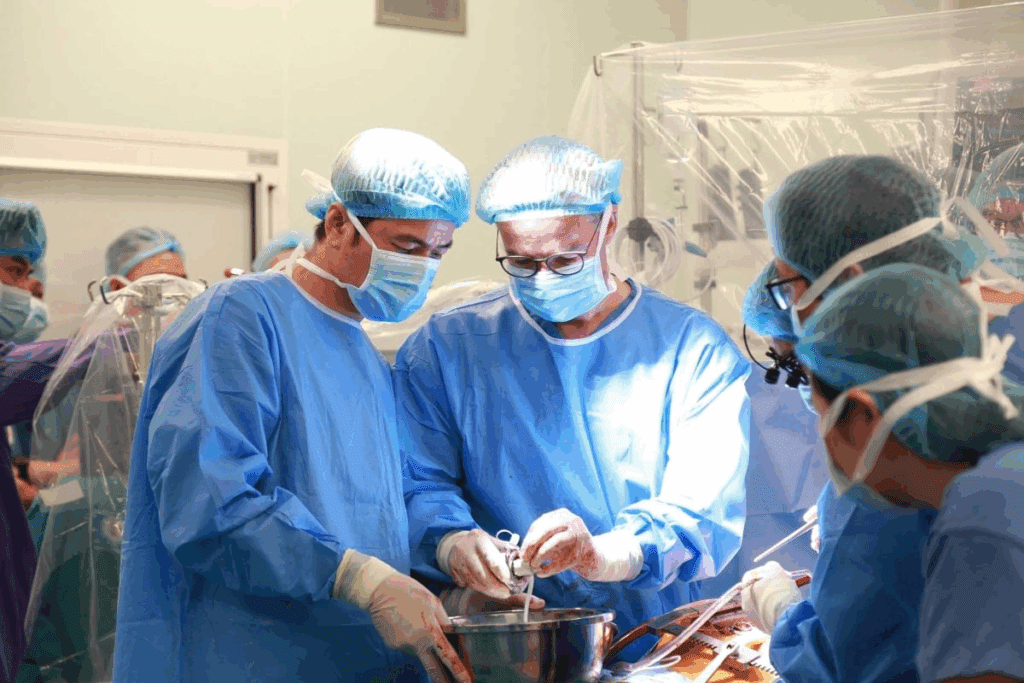
Each year, more than 4,000 heart transplants are performed in the United States—a powerful sign of how far modern medicine has advanced. These procedures have helped thousands of patients live longer, healthier lives with a new heart.
Over time, the heart transplant survival rate has steadily improved thanks to medical innovations and better post-surgery care. In fact, some patients live long enough to require a second transplant. Understanding what influences long-term survival helps doctors and patients make informed decisions and manage care effectively.
Key Takeaways
- The number of heart transplants performed annually is significant.
- Survival rates post-transplant are improving.
- Some individuals live 30 years or more after the procedure.
- Factors influencing long-term survival include medical care and lifestyle.
- Eligibility for a second heart transplant is a consideration for long-term survivors.
The Evolution of Heart Transplantation
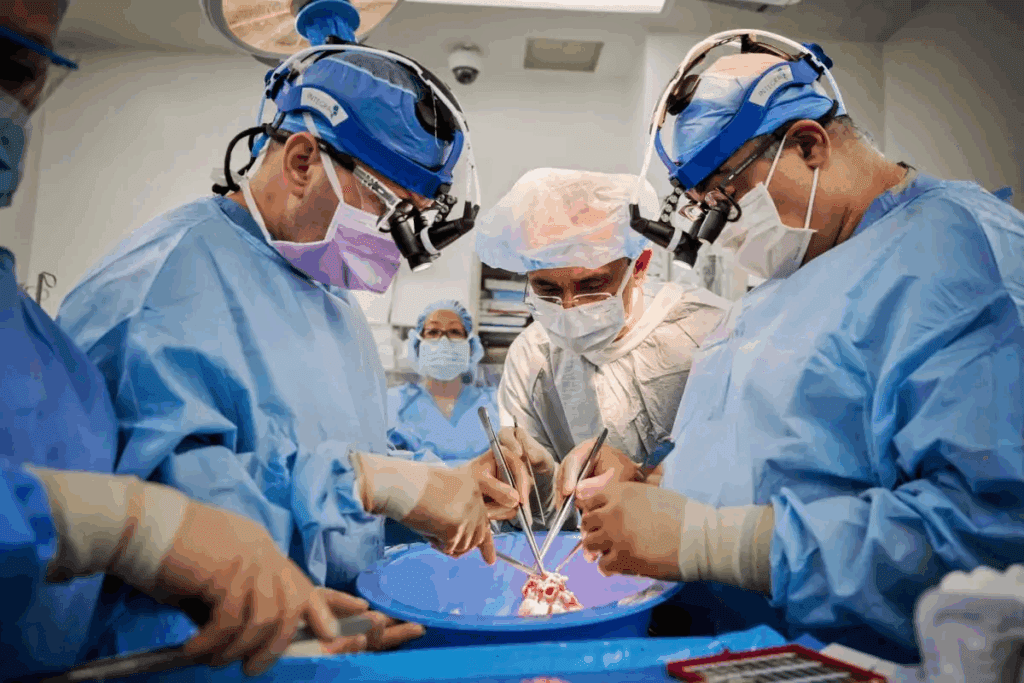
The history of heart transplantation is filled with quick progress and new ideas. The first successful human heart transplant happened in 1967. Ever after, the field has seen big steps forward in how we do the surgery, care for patients, and how many people survive.
Historical Milestones in Heart Transplantation
An expert started it all in 1967. His surgery opened a new chapter in heart care. Many important steps have been taken, like better ways to stop the body from rejecting the new heart and new surgery methods.
Modern Advancements in Transplant Procedures
Today, heart transplantation is a top choice for those with failing hearts. Thanks to immunosuppressive therapy, fewer people reject their new heart. Also, better ways to keep donor hearts alive mean more hearts are available for transplants.
Current State of Heart Transplants in the United States
In the US, over 4,000 heart transplants are done every year. This makes the US a leader in heart transplants worldwide. The United Network for Organ Sharing (UNOS) makes sure hearts are shared fairly among those waiting.
| Year | Number of Heart Transplants | 1-Year Survival Rate |
| 2010 | 2,327 | 88.1% |
| 2015 | 3,057 | 90.3% |
| 2020 | 4,041 | 92.1% |
The numbers show more heart transplants are happening in the US, and more people are living longer after the surgery. These changes highlight the big strides made in heart transplantation.
Heart Transplant Survival Rate: What the Statistics Show
It’s important to know about heart transplant survival rates. This info helps both patients and doctors. It shows how well people do right after surgery and how they do over time.
Short-term Survival Statistics (1-5 years)
At least 9 out of 10 people live the first year after a heart transplant. This shows how far surgery and care have come. The survival rate stays high for a few years, then slowly goes down.
Medium-term Outcomes (5-15 years)
On average, people live about 10 years after a transplant. This means half of them live more than a decade. How well they do depends on their health, the quality of the organ, and after-care.
Long-term Survival Data (15+ years)
Some people live 20 or 30 years after a transplant. These long-term survivors often have good health and follow their treatment plans closely. Regular check-ups also play a big role.
Comparing Heart Transplant Survival to Other Organ Transplants
Heart transplant survival rates are similar to, or even better than, other organ transplants. For example, kidney transplant recipients also have high survival rates. But heart transplant patients face special challenges because of the heart’s critical role.
| Organ Transplant | 1-Year Survival Rate | 5-Year Survival Rate | 10-Year Survival Rate |
| Heart | 90% | 75% | 50% |
| Kidney | 95% | 80% | 60% |
| Liver | 85% | 70% | 55% |
The heart transplant survival rates give us a detailed look at outcomes. While there are hurdles, the data also show the chance for long-term survival and a better life.
Factors That Influence Heart Transplant Longevity
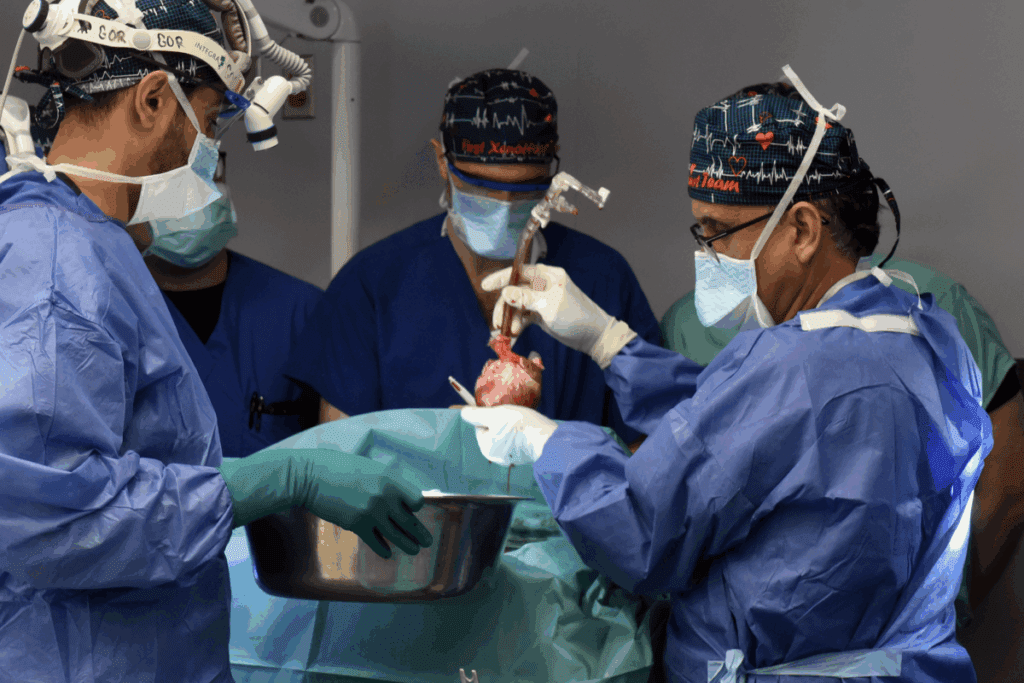
Heart transplant longevity is influenced by many things. These include the donor’s health, the recipient’s health, and how well they manage after the transplant. All these elements work together to help the recipient live a long and good life.
Donor-Related Factors
The donor heart’s condition is key to the transplant’s success. Donor age, health status, and the cause of death are important. They can affect how well the heart works in the recipient.
Younger donors with better health usually give healthier hearts. This can lead to better outcomes for the recipient.
Recipient Health Considerations
The recipient’s health is also very important. Conditions like diabetes, kidney disease, or other organ problems can make recovery harder. They can also affect how long the transplant lasts.
Post-Transplant Care and Compliance
Following care instructions and taking medications as directed is critical. Regular check-ups help catch problems early. This can improve the transplant’s success.
Immunosuppression Management
Managing immunosuppression is key to avoiding rejection and infections. Getting the right balance of immunosuppressive therapy is a challenge. It needs careful monitoring and adjustments.
Healthcare providers can make heart transplants last longer and improve the recipient’s life by managing these factors well.
Life Expectancy After Heart Transplant by Age
Looking at life expectancy after a heart transplant shows different trends and challenges. The age of the person getting the transplant is key. It affects how long they live and their quality of life.
Pediatric Heart Transplant Outcomes
Children who get heart transplants usually do well in the long run. They see big improvements in their life quality and how long they live. Better care and treatments have helped kids live longer after a transplant.
Young Adult Recipients (18-40)
Young adults who get heart transplants often live a long time. They might live as long as or a bit longer than older adults. They usually have fewer health problems and stick to their care plans better.
Middle-Aged Recipients (41-60)
Many heart transplants go to middle-aged people. Their life after the transplant depends on their health before, lifestyle, and other heart risks. Managing these well is key to living longer.
Elderly Recipients (61+)
Elderly people face more challenges because of health problems and less energy. But, with the right care, they can live longer and better. It’s all about the right care and support.
In summary, how long someone lives after a heart transplant changes with age. Each age group has its own challenges and chances for better outcomes. Knowing these differences helps doctors and patients set realistic hopes for the future.
Common Complications That Affect Long-Term Survival
Heart transplant patients often face many complications that can affect their survival. It’s important to manage these issues to improve their life quality and outcomes.
Rejection Episodes
Rejection episodes are a big worry after a heart transplant. Acute rejection can happen at any time, but it’s most common in the first year. Regular endomyocardial biopsies and careful management of immunosuppressive therapy are key to reducing this risk.
Cardiac Allograft Vasculopathy
Cardiac allograft vasculopathy (CAV) is a type of coronary artery disease that affects the transplanted heart. It’s a major cause of long-term problems and death. Surveillance coronary angiography helps detect CAV. Managing it involves adjusting immunosuppression and using statins to control cholesterol.
Infections and Immunosuppression-Related Issues
Infections are a big risk for transplant patients because they have weakened immune systems. Common infections include bacterial, viral (like CMV), and fungal ones. Finding the right balance between preventing rejection and avoiding infections is a challenge.
Non-Cardiac Complications
Non-cardiac issues, like diabetes, hypertension, and chronic kidney disease, are common. They can greatly affect long-term survival. It’s vital to monitor and manage these conditions regularly.
Understanding and managing these complications can greatly improve the long-term survival and quality of life for heart transplant patients.
The 30-Year Milestone: Is It Possible?
Living 30 years or more after a heart transplant is a remarkable achievement. It shows how far medical technology and care have come. This milestone highlights the progress in heart transplantation.
Documented Cases of 30+ Year Survivors
There are documented cases of people living 30 years or more after a heart transplant. These cases are significant because of their longevity and the insights they offer. A study in a leading medical journal showed several patients surviving beyond three decades.
Notable Cases: One notable case is a patient who got a heart transplant in the 1980s and lived over 30 years without major issues. Such cases are often used in medical literature to show the possibility of long-term survival.
Factors Common Among Long-Term Survivors
Several factors are common among long-term survivors of heart transplants. These include careful management of immunosuppressive medication, regular follow-up care, and healthy lifestyle choices. A leading transplant cardiologist, says, “The key to long-term survival is good medical care and patient compliance.”
- Adherence to medication regimens
- Regular monitoring and follow-up care
- A healthy diet and regular exercise
Scientific Perspective on Extended Survival
Extended survival after a heart transplant is influenced by many factors. These include donor and recipient characteristics, surgical techniques, and post-transplant care. Research is ongoing to find new ways to improve long-term outcomes.
“The ability to survive 30 years or more after a heart transplant is a significant achievement that reflects advances in our understanding of transplant biology and patient management.” – A Transplant Surgeon
As medical science evolves, we can expect to see better survival rates for heart transplant patients.
Quality of Life Considerations for Long-Term Heart Recipients
Heart transplant patients can look forward to a better quality of life. Many return to their normal activities. The success of a heart transplant goes beyond the surgery, affecting the patient’s overall well-being and daily life.
Physical Capabilities and Limitations
After a heart transplant, patients often see a big improvement in their physical abilities. They can usually go back to activities they loved before, like walking or swimming. But, they might also face some limits. Some may feel tired or have to avoid hard activities.
Psychological Aspects of Living with a Donor Heart
Living with a donor heart can affect a person’s mind. Some may feel anxious or depressed, while others feel grateful and renewed. Counseling and support groups are key in helping them deal with these feelings.
Return to Work and Normal Activities
Many heart transplant recipients can go back to work and their usual activities. This depends on their health, job type, and physical state after the transplant. Vocational rehabilitation services can help those who need to get back to work.
Long-Term Medication Requirements
Long-term heart transplant recipients must take immunosuppressive medications to avoid organ rejection. It’s important to manage these medications well for the transplant to last. Regular check-ups with healthcare providers are needed to keep an eye on the medications and make any necessary changes.
| Aspect | Pre-Transplant | Post-Transplant |
| Physical Activity | Limited by heart condition | Improved, with full recovery possible |
| Psychological State | Anxiety, depression common | Varied; may include gratitude, anxiety |
| Employment Status | Often unable to work | Many return to work or normal activities |
| Medication | Focused on managing heart condition | Immunosuppressive medications required lifelong |
The Financial Aspect: Heart Transplant Cost and Insurance Coverage
Getting a heart transplant is a big financial step. It’s not just the surgery cost. It also includes pre-transplant checks, hospital stays, and ongoing care.
Initial Surgery and Hospital Costs
The first costs for heart transplant surgery and hospital time are high. In the US, a heart transplant can cost between $600,000 and over $1 million. This covers the surgery, hospital stay, and early recovery.
Ongoing Expenses for Medications and Follow-up Care
After surgery, patients have ongoing costs. This includes drugs to prevent rejection, which can cost $10,000 to $20,000 a year. They also need regular check-ups and might need to go back to the hospital. This makes planning for the future very important.
Insurance Coverage for Transplant Patients in the US
In the US, insurance helps cover heart transplant costs. Medicare, Medicaid, and private insurance all offer coverage. The Affordable Care Act also requires coverage for transplants. But, what’s covered can differ a lot between plans. It’s key to check your policy to know what you’ll pay for.
Financial Support Resources
Many groups offer financial help for heart transplant patients. They can cover medication costs, travel for care, and more. It’s good for patients and their families to look into these resources to manage their expenses.
In summary, heart transplant costs are complex but manageable. Knowing the costs and available help can ease the financial burden. This way, patients can focus on healing and their long-term health.
Innovations Improving Heart Transplant Outcomes
New advancements in immunosuppressive therapy and organ preservation are changing heart transplant procedures. These changes are making patients’ lives better and increasing their chances of survival. The goal is to make heart transplants more successful and improve patients’ overall health.
Advances in Immunosuppressive Therapy
New drugs in immunosuppressive therapy are more effective and have fewer side effects. These drugs are key in stopping the body from rejecting the transplanted heart. Now, doctors can create treatment plans that fit each patient’s needs, leading to better results.
Improved Organ Preservation Techniques
Techniques for keeping donor hearts alive outside the body have gotten better. New solutions and devices help keep the heart healthy for longer. This means the heart works better after it’s transplanted. Researchers are also looking into machine perfusion to improve organ care even more.
Mechanical Circulatory Support as Bridge to Transplant
Mechanical circulatory support (MCS) devices are playing a big role in heart transplants. They help patients with severe heart failure until a donor heart is ready. New MCS technologies are making these devices safer and more effective.
Emerging Technologies and Research Directions
Gene therapy, regenerative medicine, and advanced biomaterials are promising for heart transplants. Research in these areas could lead to new ways to care for transplant patients. This might mean fewer side effects and better long-term survival rates.
The future of heart transplants is bright, thanks to ongoing research and innovation. We can expect even better treatments and a higher quality of life for those who receive heart transplants.
Conclusion: The Future of Heart Transplant Longevity
The future of heart transplant longevity looks bright. This is thanks to new medical care and technology. As survival rates go up, so does the quality of life for those who get heart transplants.
New ways to fight rejection, keep organs fresh, and support the heart are making a big difference. These changes are making life after a transplant better and longer. They help patients live healthier and longer.
Heart transplantation is getting better all the time. Soon, more people will live 30 years or more after their transplant. By knowing what makes a transplant last longer, doctors can help patients live better lives.
FAQ
How long does a heart transplant last?
Heart transplant longevity varies a lot. Some people live 20, 30 years or more after the surgery.
What is the average life expectancy after a heart transplant?
Studies show the average life expectancy is 10-15 years. But, many patients live longer than that.
Can you live 30 years after a heart transplant?
Yes, living 30 years or more after a heart transplant is possible. There are cases of patients surviving for three decades or more.
What factors influence heart transplant longevity?
Several factors affect how long a heart transplant lasts. These include the donor, the recipient’s health, post-transplant care, and managing immunosuppression.
How much does a heart transplant cost?
Heart transplant costs are high. Initial surgery and hospital costs can range from $500,000 to over $1 million.
What are the common complications that affect long-term survival after heart transplant?
Common complications include rejection episodes, cardiac allograft vasculopathy, infections, and non-cardiac issues. These can affect long-term survival.
How successful are heart transplants?
Heart transplants are quite successful. Short-term survival rates are 85-90%. Long-term survival rates vary based on individual factors.
What is the life expectancy after heart transplant by age?
Life expectancy after a heart transplant varies by age. Pediatric recipients generally have better outcomes than older adults.
Are heart transplants successful in older adults?
Heart transplants can be successful in older adults. They face more health challenges, but careful selection and management can help.
What are the quality of life considerations for long-term heart recipients?
Long-term heart recipients must consider physical capabilities, psychological aspects, return to work, and long-term medication needs.
How have advances in immunosuppressive therapy improved heart transplant outcomes?
Advances in immunosuppressive therapy have greatly improved outcomes. They reduce the risk of rejection and other complications.
What is the role of mechanical circulatory support in heart transplantation?
Mechanical circulatory support devices act as a bridge to heart transplantation. They support patients until a donor heart is available.
What are the emerging technologies and research directions in heart transplantation?
Emerging technologies include improved organ preservation, new immunosuppressive therapies, and innovative ways to manage complications.
References
- Kilic, A., et al. (2023). Beyond rejection: Long-term survival following heart transplantation. Journal of the American Heart Association, 12(10), e045281. https://www.ahajournals.org/doi/10.1161/JAHA.125.045281