Last Updated on November 4, 2025 by mcelik
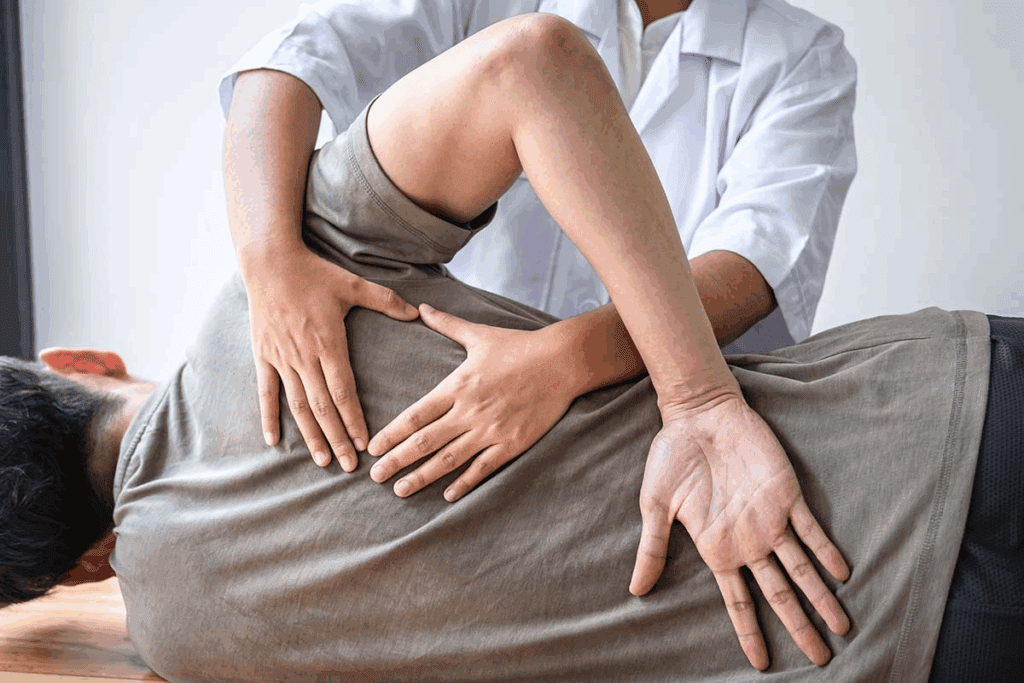
Millions of people worldwide suffer from the debilitating pain of a herniated disc. For many, relief comes in the form of heat therapy. This simple yet effective treatment can be done in the comfort of their own homes. We have seen firsthand the impact that relieving pain with heat can have on a person’s quality of life. Discover how Heat for Herniated Disc can relieve stiffness, reduce pain, and improve blood circulation safely.
As we explore the effectiveness of heat therapy for herniated disc relief, it’s essential to understand the benefits and drawbacks. By examining personal stories of recovery and medical insights, we can gain a deeper understanding. This helps us see how heat therapy can alleviate the pain associated with a herniated disc.
Key Takeaways
- Heat therapy can provide relief for herniated disc pain.
- The benefits of heat therapy include reduced muscle tension and increased blood flow.
- Heat therapy can be used in conjunction with other treatments for enhanced relief.
- It’s essential to consult with a healthcare professional before starting heat therapy.
- Proper application of heat therapy is key for maximum benefit.
Understanding Herniated Discs: Causes and Symptoms
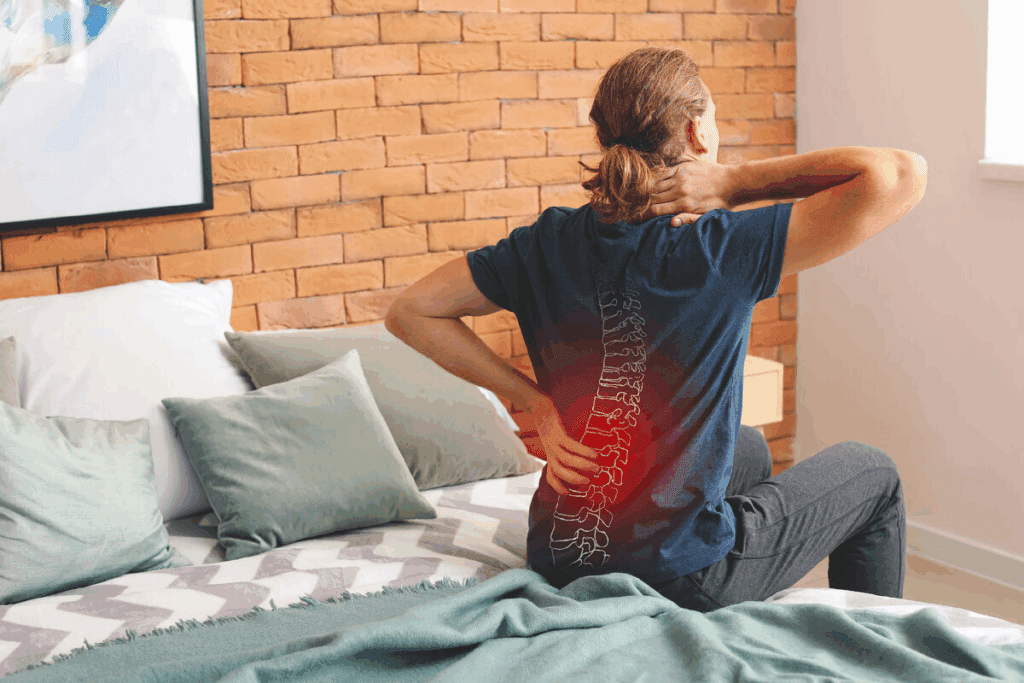
Learning about herniated discs is key for those in pain. A herniated disc happens when the soft center leaks out through a tear. This can cause pain and discomfort, ranging from mild to severe.
What Happens When a Disc Herniates
When a disc herniates, it can press on nerves. This leads to pain, numbness, or weakness in the back or limbs. The pain’s severity depends on where the herniation is and how much pressure it applies.
Common Symptoms of Herniated Discs
Symptoms of a herniated disc vary. Common ones include:
- Sharp, localized pain in the neck or lower back
- Pain that radiates to the arms or legs
- Numbness or tingling sensations in the extremities
- Muscle weakness in the affected area
Risk Factors for Disc Herniation
Several factors can raise the risk of a herniated disc. These include:
| Risk Factor | Description |
| Age | Discs lose flexibility and elasticity with age, making them more prone to herniation. |
| Physical Activity | Lifting heavy objects or repetitive strain on the back can increase the risk of disc herniation. |
| Genetics | A family history of disc problems can predispose individuals to herniated discs. |
Knowing these risk factors and symptoms helps prevent and treat herniated discs. It’s important to take proactive steps and seek treatment when needed.
The Science Behind Heat Therapy for Pain Relief
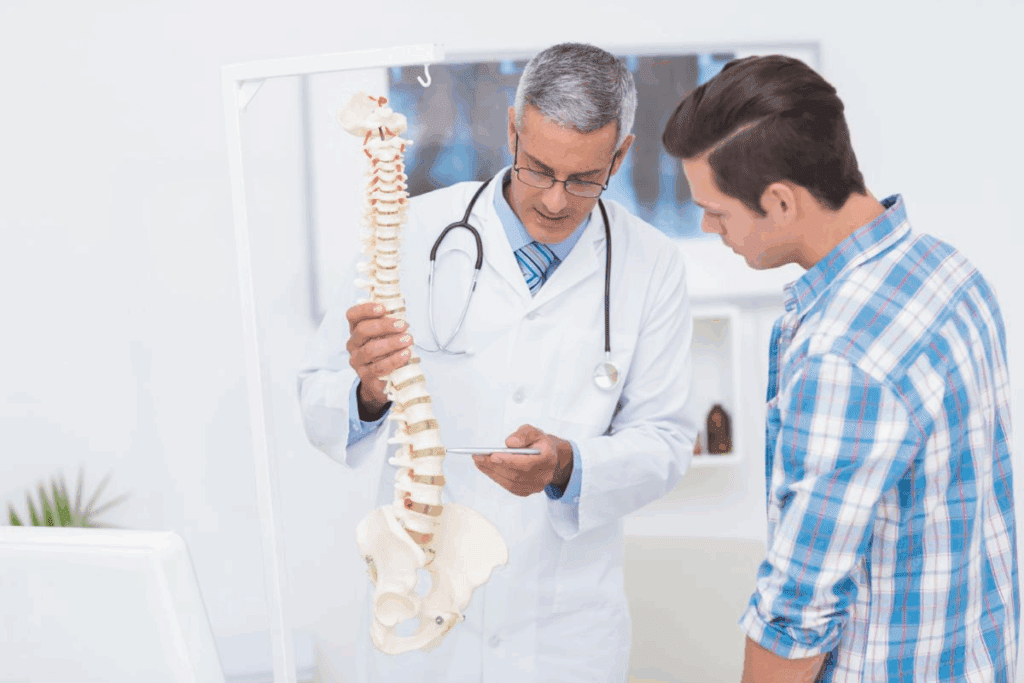
Heat therapy is a key method for easing herniated disc pain. It works by affecting the body in several ways to offer relief.
How Heat Affects Blood Circulation
Heat therapy boosts blood flow to the hurt area. When applied, it makes blood vessels bigger, which increases blood flow. This brings more oxygen and nutrients to the damaged disc and tissues, helping them heal and reducing pain.
More blood flow also helps clear out waste that can irritate nerves and cause pain.
Muscle Relaxation Response to Heat
Heat therapy also relaxes muscles. When muscles are heated, they work more, leading to less muscle spasms. This is great for people with herniated discs, as tight muscles can make pain worse by adding more pressure on the spine.
By relaxing these muscles, heat therapy can lessen the pressure on the herniated disc, easing pain.
Pain Gate Theory and Heat Application
The pain gate theory explains how heat therapy helps with pain. It says certain nerve fibers in the spinal cord control pain signals to the brain. Heat therapy is thought to turn on these nerve fibers, closing the “gate” to the brain and reducing pain.
This, along with better blood flow and muscle relaxation, makes heat therapy a helpful tool for managing herniated disc pain.
Understanding these mechanisms shows how heat therapy helps with herniated disc pain. It combines increased blood flow, muscle relaxation, and pain signal modulation through the pain gate theory. This makes heat therapy a valuable tool for managing this condition.
Heat for Herniated Disc: Does It Really Help?
Heat therapy for herniated disc pain has been used for a long time. But, how well it works is a topic of debate. We will look at how heat affects disc pain, the research on its effectiveness, and its limits for treating disc herniation.
Immediate Effects of Heat on Disc Pain
Heat therapy is often used to help with herniated disc pain right away. It increases blood flow, which can reduce pain and swelling. Immediate pain relief is a big benefit for those using heat therapy.
Applying heat to the area can relax muscles. This reduces muscle spasms that come with herniated disc pain. This relaxation makes it easier to move and do daily tasks.
Research Evidence on Heat Therapy Effectiveness
Many studies have looked into heat therapy for herniated disc pain. While results differ, most clinical trials show it helps with short-term pain relief. A review of treatments for low back pain found heat therapy improves pain and function in the short term.
| Study | Sample Size | Duration | Findings |
| Nadler et al. (2003) | 100 patients | 2 weeks | Significant reduction in pain |
| French et al. (2011) | 200 patients | 4 weeks | Improved function and pain relief |
Limitations of Heat Treatment for Disc Herniation
Heat therapy can provide temporary relief but doesn’t fix herniated discs. It doesn’t solve the root cause of the problem. Some people find the relief doesn’t last long, needing to use it often.
Heat therapy might not work for everyone. People with diabetes or circulatory issues should be careful. Always talk to a healthcare professional before trying new treatments.
When to Use Heat vs. Cold for Herniated Discs
Choosing between heat and cold therapy for herniated disc pain is a common dilemma. Both methods have their advantages, depending on the injury stage and personal preferences.
Acute vs. Chronic Herniated Disc Pain
It’s important to know the difference between acute and chronic pain. Acute pain happens right after an injury, with inflammation and swelling. Cold therapy is best for this stage as it reduces inflammation and numbs the pain.
Chronic pain develops over time, causing muscle stiffness and less flexibility. Heat therapy is better for chronic pain as it relaxes muscles, improves blood flow, and increases flexibility.
The 72-Hour Rule for Heat Application
The 72-hour rule is a common guideline for heat or cold therapy. Cold therapy is recommended for the first 72 hours to reduce inflammation. After that, heat therapy can help with healing and relaxation.
This rule is a general guide. Always consider your individual needs.
Alternating Heat and Cold Therapy
Some people find relief in alternating between heat and cold therapy. This method is good for managing changing pain levels. It helps reduce inflammation and eases muscle spasms and stiffness.
But, always talk to a healthcare professional before starting any new therapy. They can ensure it’s right for you.
Understanding when to use heat or cold can help manage herniated disc pain. Always consult a healthcare provider for the best treatment plan for you.
Different Types of Heat Therapy for Disc Pain
Herniated disc pain can be managed with various heat therapies. Each type has its own benefits. Heat therapy can be customized to fit individual needs.
Dry Heat Options
Dry heat therapy uses heat without moisture. It includes heating pads and heat lamps.
Heating Pads: Electric heating pads are a common choice. They are easy to use and can be set to different temperatures. Modern pads also have timers for convenience.
Heat Lamps: Heat lamps use infrared radiation for dry heat. They are good for treating large areas and can be adjusted in intensity.
| Dry Heat Method | Benefits | Considerations |
| Heating Pads | Easy to use, adjustable temperature | Risk of burns if not used properly |
| Heat Lamps | Effective for larger areas, adjustable intensity | May cause dry skin, requires careful positioning |
Moist Heat Treatments
Moist heat therapy uses heat with moisture. It includes hot towels or baths.
Hot Towels: Soaking towels in warm water and applying them can be soothing. It’s a simple and affordable method.
Baths: Warm baths can relax muscles and relieve pain. Adding bath salts or essential oils can make it even better.
Professional Heat Therapy Treatments
For advanced heat therapy, professional treatments are available. These include:
- Ultrasound therapy
- Short-wave diathermy
- Paraffin wax therapy
These treatments are given by healthcare professionals. They can be customized for each patient’s needs.
Knowing the different heat therapies can help you choose the right one. Always talk to a healthcare professional to find the best method for your condition.
Proper Application Techniques for Heat Therapy
To get the most out of heat therapy for a herniated disc, it’s key to apply it right. We’ll show you the best ways to use heat therapy for the best relief.
Optimal Temperature Settings
The heat should be warm, not hot. A temperature between 92°F and 100°F (33°C to 38°C) is safe and effective for most.
Using a thermometer ensures the temperature is just right. Some heating pads have thermostats to keep the heat steady.
Duration and Frequency Guidelines
Heat therapy sessions should last 15 to 20 minutes. It’s important to let your skin cool down before applying heat again.
For ongoing pain, you can use heat several times a day. But, listen to your body. If you feel any discomfort or skin issues, stop and see a doctor.
| Condition | Duration | Frequency |
| Acute Pain | 15-20 minutes | 2-3 times a day |
| Chronic Pain | 15-20 minutes | 3-4 times a day |
Positioning for Maximum Benefit
Proper positioning is key for heat therapy to work best. For a herniated disc, apply heat directly to the area.
Use a heating pad or hot water bottle in a towel to keep the heat close. For lower back issues, lie down with the pad under your back. For neck problems, a cervical heating pad or warm towel around your neck can help.
By following these tips, you can use heat therapy effectively for herniated disc pain. Always talk to a healthcare professional if you have concerns or if your pain doesn’t go away.
Potential Risks and Contraindications of Heat Therapy
Heat therapy can help with herniated disc pain, but it’s important to know its risks. We need to think about the possible bad effects and when it shouldn’t be used.
When Heat Can Worsen Herniated Disc Symptoms
Heat can sometimes make herniated disc pain worse. This happens if the heat makes inflammation worse or relaxes muscles too much. It’s key to watch how your body reacts to heat therapy and change it if needed.
Signs that heat therapy may be worsening symptoms include:
- Increased pain or discomfort
- Swelling or inflammation in the affected area
- Muscle weakness or numbness
Skin Damage and Burns: Prevention Tips
One big risk of heat therapy is skin damage or burns. To avoid this, it’s important to follow the right steps for using heat.
| Precaution | Description |
| Temperature Control | Make sure the heat isn’t too hot. Start with a lower temperature and slowly increase it. |
| Time Limitation | Use heat for 15-20 minutes at a time. Take breaks to let your skin cool down. |
| Barrier Use | Put a towel or cloth between the heat source and your skin. This helps prevent burns. |
Medical Conditions That Contraindicate Heat Therapy
Some health conditions might mean you can’t use heat therapy or need to be careful. Always talk to a doctor before starting heat therapy, if you have any health problems.
Conditions that may require caution or avoidance of heat therapy include:
- Diabetes (due to nerve damage and decreased sensation)
- Poor circulation or peripheral vascular disease
- Skin conditions or open wounds
- Pregnancy (in the abdominal area)
Knowing these risks and when not to use heat therapy helps you use it safely for herniated disc pain. Always do this with the help of a healthcare professional.
Combining Heat Therapy with Other Treatments
Using heat therapy with other treatments can make herniated disc treatment better. It helps patients feel less pain and recover faster.
Heat Before Physical Therapy or Exercise
Applying heat before physical therapy or exercise makes these activities more effective. Heat relaxes muscles, making them easier to stretch and strengthen. This can improve flexibility and reduce pain.
Heat with Medication: Synergistic Effects
Heat therapy can make medication work better when used together. This might mean you need less medicine, which can reduce side effects. Always talk to a doctor about the right mix and amount.
Heat as Part of a Complete Treatment Plan
A treatment plan that includes heat therapy, physical therapy, exercise, and maybe medication is the best way to tackle herniated disc pain. This approach treats the problem from all sides, leading to better results.
| Treatment Combination | Benefits |
| Heat Therapy + Physical Therapy | Enhanced muscle relaxation, improved flexibility |
| Heat Therapy + Medication | Synergistic pain relief, potentially reduced medication dosage |
| Heat Therapy + Exercise | Increased effectiveness of exercises, improved range of motion |
Professional Perspectives: What Doctors Recommend
Doctors and therapists share their views on heat therapy for herniated discs. Their advice comes from real-world experience and scientific studies.
Physical Therapist Recommendations
Physical therapists often suggest heat therapy for herniated discs. They believe it works best when combined with exercise and physical therapy.
They say applying heat before exercise can make it easier. It helps with flexibility and pain, allowing patients to move more comfortably.
Orthopedic Specialist Viewpoints
Orthopedic specialists stress the need for a complete treatment plan for herniated discs. Some suggest heat for pain relief, but others think it might not be right for everyone.
They note that everyone reacts differently to heat therapy. What helps one patient might not help another. So, they tailor their advice to each person’s needs.
Chiropractor Approaches to Heat Therapy
Chiropractors often use heat therapy for herniated discs. They think it relaxes muscles, boosts circulation, and helps with spinal adjustments.
They recommend using heat before spinal adjustments. This makes the treatment more effective and helps patients get better results.
| Professional | Recommendation | Key Benefits |
| Physical Therapists | Heat therapy before exercise | Enhanced flexibility, reduced pain |
| Orthopedic Specialists | Personalized treatment plans | Tailored approach, better outcomes |
| Chiropractors | Heat before spinal adjustments | Relaxed muscles, improved circulation |
Heat Therapy Products for Herniated Disc Relief
Herniated disc patients can find relief through various heat therapy products. These products range from simple, affordable options to advanced, technologically sophisticated devices.
Best Heating Pads for Back Pain
Heating pads are a top choice for managing back pain from herniated discs. They come in different sizes and types. You can find electric heating pads with multiple heat settings and microwavable pads filled with natural materials like cherry pits or gel.
When picking a heating pad, think about size, heat control, and safety features. Modern heating pads have features like automatic shut-off and adjustable timers. These make them safer and more convenient.
Portable Heat Therapy Options
For those who need portable heat therapy, there are many options. Portable heating pads that run on USB or batteries are great for people always on the move. Heat wraps and patches are also good, as they can be worn under clothes.
These portable heat therapy solutions are handy. They let you manage pain all day, no matter what you’re doing.
DIY Heat Therapy Solutions
For DIY heat therapy, there are easy and effective ways. You can use a hot water bottle wrapped in a towel or make a homemade heat pack. Fill a cloth bag with rice or flaxseed and microwave it.
While DIY heat therapy is cost-effective and easy to find, be careful to avoid burns. Always check the temperature before applying it to your skin. Use a towel as a barrier between the heat source and your skin.
Long-term Management of Herniated Discs with Heat
Heat therapy is a helpful tool for managing herniated disc symptoms over time. Many people find relief from pain and discomfort by using heat daily. We’ll look at how to use heat therapy long-term, including how to start, avoid common mistakes, and track progress.
Incorporating Heat into Daily Routines
Adding heat therapy to your daily routine is easy and beneficial. Try using a heating pad on your lower back for 15-20 minutes in the morning and evening. Warm baths or showers can also relax muscles and lessen pain.
- Use a heating pad or electric blanket on a low setting for 15-20 minutes
- Take warm baths or showers, specially after physical activity
- Consider using a portable heat wrap for convenience during the day
Preventing Dependency on Heat Therapy
While heat therapy is safe, it’s easy to rely too much on it. To avoid this, mix heat therapy with other treatments. This could include physical therapy, stretching, and strengthening exercises.
Strategies to avoid dependency include:
- Alternating heat therapy with cold packs
- Incorporating regular exercise and physical therapy
- Gradually reducing the frequency of heat therapy as symptoms improve
Monitoring Progress and Adjusting Treatment
It’s important to regularly check how symptoms and treatments are doing. Keeping a pain diary can help track changes, giving insights into heat therapy’s effectiveness.
Key aspects to monitor include:
- Pain levels before and after heat therapy
- Changes in mobility and flexibility
- Any side effects or increased sensitivity to heat
Alternative Treatments for Herniated Disc Pain
There are many ways to ease herniated disc pain, aside from heat therapy. These options can be customized to fit each person’s needs. They might offer better relief for some.
Non-Thermal Physical Therapies
Non-thermal physical therapies are key in treating herniated disc pain. They aim to boost mobility, strengthen muscles, and cut down pain without heat.
- Manual Therapy: Massage, joint mobilization, and manipulation can lessen pain and enhance function.
- Electrical Stimulation: TENS (Transcutaneous Electrical Nerve Stimulation) can block pain signals to the brain.
- Ultrasound Therapy: It’s not a heat treatment but can aid in healing and reduce swelling.
Medication Options for Disc Pain
Medications are vital in managing herniated disc pain. There are many choices, each with its own benefits and possible side effects.
Oral Medications: Over-the-counter pain relievers like NSAIDs (e.g., ibuprofen) can lessen inflammation and pain. For more serious cases, prescription drugs like muscle relaxants or stronger pain relievers might be needed.
Corticosteroid Injections: Injecting corticosteroids into the affected area can greatly reduce inflammation and pain.
Surgical Interventions: When They’re Necessary
Surgery is usually a last resort for herniated discs. It’s considered when other treatments have not worked and symptoms are severe.
Discectomy: This surgery removes the herniated part of the disc. It can be done through traditional open surgery or newer, less invasive methods.
Spinal Fusion: Sometimes, spinal fusion is suggested to stabilize the spine by joining two or more vertebrae together.
It’s vital for patients to talk to healthcare experts. They can help decide the best treatment plan based on the patient’s specific situation and medical history.
Lifestyle Modifications to Support Herniated Disc Recovery
Making smart lifestyle choices can really help a herniated disc heal. By making a few changes in your daily life, you can aid in your recovery. This can also improve your disc health in the long run.
Ergonomic Adjustments at Home and Work
Good posture is key to avoiding spine strain. At work, setting up your desk right can help a lot. Make sure your computer is at eye level, use a comfy chair, and keep things you need close.
At home, a supportive mattress and a tidy space can also help your spine. Remember to stretch often when sitting or standing for a long time.
Exercise Recommendations for Disc Health
Exercise is important for keeping your spine healthy. Gentle activities like yoga, swimming, or walking are great. They strengthen the muscles around your spine without hurting your discs.
Before starting any new workout, talk to a doctor. They can suggest exercises that are right for you, based on your health and condition.
Nutritional Considerations for Disc Healing
What you eat can also help your herniated disc heal. Eating foods that fight inflammation, like omega-3s in fish, is good. Antioxidants in fruits and veggies also help.
Drinking enough water is also important. It keeps your spinal discs healthy. Eating foods rich in calcium and vitamin D can also help your bones and discs.
| Lifestyle Modification | Benefit |
| Ergonomic adjustments | Reduces strain on the spine |
| Gentle exercises (yoga, swimming, walking) | Strengthens muscles around the spine |
| Anti-inflammatory diet | Reduces inflammation and promotes healing |
| Adequate hydration | Maintains disc health |
Real Patient Experiences with Heat Therapy
Many patients have found relief from herniated disc pain with heat therapy. They share their stories and insights. Their experiences show how effective this treatment can be.
Success Stories and Limitations
Several patients have seen a big drop in pain after using heat therapy. For example, one patient said, “
After applying heat for 20 minutes, I felt a substantial decrease in pain, allowing me to resume my daily activities.
” But not everyone has had the same success. Some say heat therapy gave them temporary relief but didn’t fix the root of their pain.
It’s also important to note that results can differ a lot. As one patient noted, “
Heat therapy was a lifesaver during my flare-ups, but I had to combine it with other treatments for long-term relief.
” This shows the need for a complete treatment plan.
Common Patterns in Patient Feedback
Looking at patient feedback, some patterns stand out. Many like how easy and accessible heat therapy is. They say it helps them relax and eases muscle tension. But, some find the relief doesn’t last long, needing repeated use.
Those who used heat therapy along with other treatments, like physical therapy or exercise, did better. One patient mentioned, “
The combination of heat therapy and targeted exercises significantly improved my condition, enabling me to manage my symptoms more effectively.
” This points to the value of a multi-faceted approach in managing herniated disc pain.
In summary, patient experiences with heat therapy for herniated discs are enlightening. It can offer significant relief for some. Yet, it works best as part of a broader treatment plan.
When to Seek Medical Help for a Herniated Disc
Knowing when to get medical help is key to handling herniated disc symptoms well. Many herniated discs can be treated without surgery. But, some cases need medical help.
It’s important to know the warning signs that mean you need to see a doctor right away. Ignoring these signs can make things worse and cause more pain.
Red Flag Symptoms That Require Immediate Attention
Some symptoms of herniated discs are called “red flags.” They might mean a serious problem. These include:
- Severe pain that doesn’t get better with rest or medicine
- Numbness or tingling in the legs or arms
- Weakness in the arms or legs
- Loss of bladder or bowel control, which is a medical emergency
- Progressive neurological deficits, like more numbness or weakness
If you have any of these red flag symptoms, get medical help fast. Waiting too long can cause permanent nerve damage or other serious problems.
Signs That Your Current Treatment Isn’t Working
If you’re getting treatment for a herniated disc, watch your symptoms closely. If your treatment isn’t working, you might see:
- Increasing pain even when you follow the treatment plan
- Persistent symptoms that don’t get better over time
- New symptoms like numbness or weakness
- Difficulty doing daily activities because of pain or discomfort
If you see these signs, talk to your healthcare provider. They might change your treatment plan to help your symptoms more.
In short, knowing when to seek medical help is important for managing herniated disc symptoms. By recognizing red flag symptoms and knowing when your treatment isn’t working, you can take steps to get better and avoid more problems.
Conclusion: The Role of Heat in Herniated Disc Treatment
We’ve looked into how heat therapy helps with herniated disc pain. It improves blood flow, relaxes muscles, and changes how we feel pain. This makes it a key part of treatment.
Heat therapy, dry or moist, can give quick and lasting relief. But, it’s not for everyone. It’s important to have a full treatment plan that might include heat therapy and other methods.
Heat therapy is important but not the only solution for herniated discs. It works best when part of a bigger plan. This plan includes changing your lifestyle, physical therapy, and sometimes medical or surgical steps. Knowing how heat therapy fits into treatment helps people make better choices for their health and well-being.
FAQ
Is heat therapy suitable for all types of herniated disc pain?
Heat therapy works well for many herniated disc pains, like chronic pain. But for new injuries, cold therapy is better at first, after 72 hours.
How often should I apply heat therapy for herniated disc pain?
You can use heat therapy for 15-20 minutes, a few times a day. Watch how your body reacts and adjust as needed.
Can heat therapy be used in conjunction with other treatments for herniated discs?
Yes, heat therapy can be used with other treatments like physical therapy and exercise. It helps with pain relief and getting better.
Are there any risks associated with using heat therapy for herniated disc pain?
Heat therapy is usually safe but can cause skin damage or burns if not used right. Some medical conditions might not allow it, so always check with a doctor.
How do I choose between heat and cold therapy for my herniated disc pain?
Choose based on your injury’s stage and what feels right to you. Cold therapy is for new injuries in the first 72 hours. Heat is better for long-term pain.
Can I use heat therapy if I have a herniated disc and other medical conditions?
Always talk to a doctor before starting heat therapy, even more so with other health issues. Some conditions might need special care or different treatments.
What are the benefits of using moist heat versus dry heat for herniated disc pain?
Moist heat might be better for some as it goes deeper into the tissue. It can offer more relief. Dry heat is easier to use but also helps a lot.
How long does it take to experience relief from herniated disc pain using heat therapy?
You might feel relief right away, but using it for a few days can give lasting benefits. How fast you feel better depends on your herniation and health.
Are there any long-term risks of relying on heat therapy for herniated disc pain management?
Heat therapy is safe, but relying only on it might not fix the herniation’s cause. It’s key to use other treatments and make lifestyle changes for full care.
Can heat therapy help prevent future herniated disc episodes?
Heat therapy can help keep muscles relaxed and prevent tension. But, it’s also important to work on posture, exercise, and ergonomics to avoid future problems.
Reference
- Mayer, J. M., Ralph, L., Look, M., Erasala, G. N., Verna, J. L., Matheson, L. N., & Mooney, V. (2005). Treating acute low back pain with continuous low-level heat wrap therapy and/or exercise: a randomized controlled trial. The Spine Journal, 5(4), 395–403. https://www.sciencedirect.com/science/article/pii/S1529943005001166